
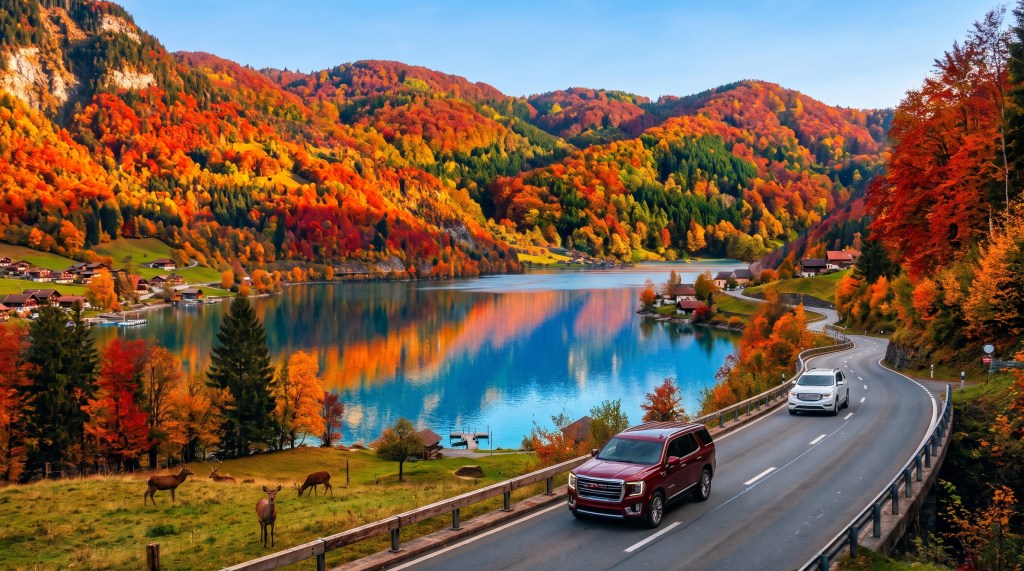
Presented by Gemini for Zia H Shah MD
Abstract
The seasonal transformation of deciduous foliage is a profound intersection of ecophysiology, bioinorganic chemistry, and human socioeconomics. This report provides a comprehensive examination of the distinct plant pigments—chlorophylls, carotenoids, and anthocyanins—and their functional roles across different seasons, with a primary focus on the orchestrated cellular dismantling that occurs during autumn. Central to this analysis is the critical role of trace metals in pigment architecture and color expression, spanning the ubiquitous magnesium core of the chlorophyll porphyrin ring to the complex supramolecular assemblies of metalloanthocyanins that utilize aluminum, iron, and magnesium to induce dramatic bathochromic shifts. Furthermore, this report investigates the enzymatic and hormonal regulation of senescence, including the pheophorbide a oxygenase (PAO) pathway and the mechanics of leaf abscission. By contextualizing the evolutionary divergence of autumn colors between North America and Europe, the analysis extends into the macroeconomic impacts of this biological phenomenon. The aesthetic decay of the forest canopy fuels a multi-billion-dollar “leaf-peeping” tourism industry in the United States, illustrating how microscopic chemical degradation directs macroscopic human migration, sustains rural economies, and shapes regional identities.
The Seasonal Rhythms of Foliar Pigmentation
The visible coloration of a plant canopy is rarely static; rather, it is a dynamic, seasonally governed expression of the plant’s metabolic state and ecological priorities. The pigments within plant leaves serve critical functions that shift in response to phenological stages, temperature, light intensity, and photoperiod.
During the spring, as buds break and fragile young leaves emerge, many species synthesize high concentrations of anthocyanins. These red and purple pigments function as a photoprotective screen, shielding the nascent, developing photosynthetic apparatus from excessive ultraviolet and high-intensity visible light. This early-season pigmentation is particularly vital because young tissues have not yet fully developed their structural and enzymatic defenses against oxidative stress.
As the growing season progresses into summer, the metabolic focus of the plant shifts entirely to energy assimilation. During this period, chlorophyll production is upregulated to such an extent that it optically overwhelms all other pigments present within the leaf tissues. The canopy assumes a uniform green reflectance, signaling maximum photosynthetic efficiency as carbon dioxide and water are converted into carbohydrates to fuel growth and carbohydrate storage.
It is only when the environmental cues of autumn—progressively shorter days and lowering nocturnal temperatures—signal the approach of winter that the leaf transitions from a state of active assimilation to one of programmed senescence. The plant initiates a highly regulated physiological dismantling designed to resorb and conserve vital nutrients, particularly nitrogen, before the leaf is discarded. The magnificent colors of autumn are the direct visual consequence of this metabolic salvage operation, revealing the hidden chemical architecture of the leaf as the dominant green pigments degrade and new, specialized pigments are synthesized.
The Biosynthesis and Architecture of Leaf Pigments
The color palette of a forest is dictated by the relative concentrations and degradation rates of three primary classes of chemical compounds: chlorophylls, carotenoids, and anthocyanins. These large, complex molecules possess extensive systems of alternating double and single bonds, known as conjugation. A high degree of conjugation allows these molecules to absorb specific wavelengths of light in the visible spectrum while reflecting others, thereby determining their perceived color.
Chlorophyll and the Tetrapyrrole Structure
Chlorophyll is the predominant pigment in the biosphere and the critical receptor for light energy during photosynthesis. Structurally, chlorophylls a and b are tetrapyrrole derivatives characterized by a highly conjugated chlorin ring (a reduced porphyrin) attached to a long, hydrophobic phytol tail. This hydrophobic tail anchors the molecule within the thylakoid membranes of the chloroplasts, ensuring the spatial arrangement necessary for efficient electron transfer.
Chlorophyll a primarily absorbs light in the red and blue-violet wavelengths, yielding a dark green appearance, while chlorophyll b absorbs in the blue and red-orange regions, producing a yellowish-green hue. Because neither molecule absorbs effectively in the 490 to 550-nanometer range, they scatter and reflect green light back to the observer. Chlorophyll is an energetically expensive molecule for the plant to synthesize and maintain, largely because each chlorin ring requires four nitrogen atoms. As autumn approaches, the cessation of chlorophyll synthesis and the active dismantling of existing chlorophyll molecules remove the dominant green reflectance, unmasking the secondary pigments.
Carotenoids: The Persistent Golden Undertones
Carotenoids are a family of tetraterpenoid compounds that provide the yellow, orange, and brown hues in autumn foliage. Unlike anthocyanins, carotenoids are present in the chloroplasts throughout the entire growing season. They function as accessory pigments that broaden the spectrum of light absorbed for photosynthesis and serve as vital photoprotective agents, dissipating excess light energy to prevent reactive oxygen species from damaging the cellular machinery.
This pigment family is broadly divided into carotenes and xanthophylls. Carotenes, such as beta-carotene, strongly reflect orange and red wavelengths, while xanthophylls, which are oxygenated derivatives of carotenes, are responsible for brilliant, luminous yellows. Because carotenoids are chemically more stable and degrade at a significantly slower rate than chlorophyll, their latent colors are revealed as the green pigment vanishes. Species such as quaking aspen, ginkgo, hickory, and birch are renowned for their high xanthophyll and carotene concentrations, which result in striking golden-yellow autumn displays.
Anthocyanins and the MBW Regulatory Complex
The vivid reds, purples, and deep crimsons of autumn are produced by anthocyanins, which are water-soluble pigments belonging to the flavonoid pathway (specifically, benzopyran derivatives). In contrast to carotenoids, anthocyanins are typically absent from the leaf during the summer; they are synthesized de novo in the cytoplasm and actively transported into the cellular vacuoles as autumn commences.
The biosynthesis of anthocyanins is triggered by the accumulation of sugars in the leaf, combined with bright sunlight and cold, non-freezing nights. At the molecular level, this pathway is stringently controlled by the MYB-bHLH-WD40 (MBW) ternary transcriptional complex. This complex comprises three classes of regulatory proteins: R2R3-MYB transcription factors, basic helix-loop-helix (bHLH) proteins, and WD40-repeat proteins. The MBW complex coordinates the activation of late biosynthetic genes, such as dihydroflavonol 4-reductase (DFR) and anthocyanidin synthase, directing the conversion of flavonoids into anthocyanins.
The ecological function of this late-season energy expenditure is best explained by the “photoprotection hypothesis.” As the leaf dismantles its photosynthetic apparatus to recover nitrogen, the remaining chloroplasts become highly susceptible to photoinhibition and oxidative stress. Anthocyanins act as a molecular sunscreen, absorbing excess blue and ultraviolet light and functioning as potent antioxidants to scavenge free radicals. This shielding allows the leaf to safely complete the resorption of essential nutrients before abscission.
| Pigment Class | Primary Chemical Structure | Expressed Colors | Cellular Location | Seasonal Presence | Primary Function |
| Chlorophyll | Porphyrin (chlorin) ring with phytol tail | Dark to Yellowish Green | Chloroplast (Thylakoid) | Spring, Summer, early Autumn | Primary light absorption for photosynthesis. |
| Carotenoids | Tetraterpenoids (Carotenes & Xanthophylls) | Yellow, Orange, Brown | Chloroplast (Chromoplast) | Year-round | Accessory light absorption, photoprotection. |
| Anthocyanins | Flavonoids (Benzopyran derivatives) | Red, Purple, Magenta, Blue | Cytoplasm (Vacuole) | Spring (some), Autumn | Photoprotection, radical scavenging, pest deterrence. |
The Bioinorganic Chemistry of Color: Metal Complexation
While the organic structures of pigments dictate their baseline light-absorbing capabilities, the presence and coordination of metal ions dramatically alter their stability and hue. The interaction between plant pigments and trace metals introduces a vital layer of bioinorganic chemistry to the autumn display, explaining the incredible diversity of hues observed in nature.
Magnesium as the Engine of Chlorophyll
The functionality of chlorophyll is entirely dependent on a central metal ion. At the core of the chlorin ring sits a single magnesium (Mg2+) ion, coordinated by the four nitrogen atoms of the pyrrole rings. The insertion of magnesium into protoporphyrin IX is a highly specific, ATP-dependent reaction catalyzed by the enzyme magnesium chelatase, a complex molecular machine comprising three distinct subunits (CHLI, CHLD, and CHLH).
Magnesium is biologically preferred over other metals due to its ionic radius and relatively “hard” acid characteristics under Pearson’s Hard and Soft Acids and Bases (HSAB) theory. This allows the magnesium ion to precisely fit the cavity of the chlorin ring and optimize the covalent character required for electron transfer without permanently binding. In laboratory settings, magnesium can be displaced by strong acids to form pheophytin, and subsequently replaced with softer ions like copper (Cu2+) or zinc (Zn2+) to form modified, highly stable metalloporphyrins. However, in nature, the plant relies exclusively on magnesium to maintain the delicate electrochemical balance required for photosynthesis. The eventual breakdown of chlorophyll during senescence begins with the deliberate enzymatic removal of this central magnesium ion.
Metalloanthocyanins and Copigmentation Dynamics
Anthocyanins are highly reactive and naturally unstable molecules. In the acidic environment of the plant vacuole, they typically exhibit a red hue (as the flavylium cation), but their color expression can be expanded to vivid purples, blues, and greens through metal chelation and copigmentation. The ortho-dihydroxyl groups on the B-ring of certain anthocyanidins (such as cyanidin, delphinidin, and petunidin) act as hydrophilic ligands capable of binding multivalent metal ions, primarily aluminum (Al3+), iron (Fe3+), and magnesium (Mg2+).
These metal-anthocyanin interactions lead to the formation of supramolecular assemblies known as metalloanthocyanins. These self-assembled complexes often consist of precise stoichiometric arrangements. For example, classic floral pigments like commelinin and protocyanin are composed of six anthocyanin molecules, six flavone copigments, and two central metal ions (often Mg2+, Fe3+, or Ca2+). The introduction of a metal ion facilitates a strong bathochromic shift (a shift of the absorption maximum to a longer wavelength). Aluminum (Al3+) ions, despite lacking d-electrons and being colorless in aqueous solution, trigger significant bathochromic shifts to produce vivid blue and purple hues when complexed with anthocyanins. Iron (Fe3+) complexes can yield deep greens in more alkaline conditions, while magnesium enhances the structural stability of the pigment complex.
Furthermore, anthocyanins engage in copigmentation—non-covalent interactions with colorless organic molecules such as tannic, caffeic, or ferulic acids. This interaction enhances color intensity (the hyperchromic effect) and stability. Quantum mechanical computations indicate that copigments with smaller HOMO-LUMO energy gaps facilitate stronger van der Waals forces and hydrogen bonding, allowing the anthocyanin to fold and stack molecularly. This intramolecular and intermolecular stacking shields the flavylium core from nucleophilic attack by water (hydration), vastly extending the lifespan and vibrancy of the pigment within the aging leaf.
The Physiology of Senescence and the PAO Pathway
The visual spectacle of fall is the external manifestation of an orderly, internal cellular dismantling. This process is governed by specific enzymatic pathways designed to neutralize toxic metabolic byproducts, alongside a delicate balance of phytohormones that ultimately sever the leaf from the parent plant.
The PAO/Phyllobilin Pathway of Chlorophyll Breakdown
The degradation of chlorophyll is executed via the pheophorbide a oxygenase (PAO) pathway, a multi-step catabolic cascade. The process initiates with the action of chlorophyllase, which removes the hydrophobic phytol tail, followed by magnesium dechelatase (encoded by the stay-green or SGR gene), which removes the central magnesium ion. This sequence yields an intermediate compound known as pheophorbide a.
Pheophorbide a is a highly photoreactive and potentially toxic intermediate. If allowed to accumulate in the presence of light, it generates reactive oxygen species that cause rapid, premature cell death, halting the plant’s ability to salvage nutrients. It is promptly neutralized by the enzyme PAO, a Rieske-type iron-sulfur protein that requires reduced ferredoxin to oxygenolytically open the chlorin macrocycle between the A and D pyrrole rings.
This critical cleavage produces a red chlorophyll catabolite (RCC), which is immediately reduced by red chlorophyll catabolite reductase (RCCR) into a primary fluorescent chlorophyll catabolite (pFCC). These intermediate phyllobilins are subsequently exported from the chloroplast into the vacuole. There, the acidic pH drives non-enzymatic tautomerization, converting them into stable, colorless, non-fluorescent chlorophyll catabolites (NCCs) and dioxobilin-type non-fluorescent chlorophyll catabolites (DNCCs). The efficiency of the PAO pathway ensures that the breakdown of chlorophyll does not induce oxidative death, allowing the controlled evacuation of nitrogen and carbohydrates to the stem and roots.
| Enzyme / Factor | Substrate | Product | Physiological Role in Senescence |
| Chlorophyllase | Chlorophyll a | Chlorophyllide a | Removes the phytol tail, initiating breakdown. |
| Magnesium Dechelatase (SGR) | Chlorophyllide a | Pheophorbide a | Removes the central Mg2+ ion. |
| Pheophorbide a Oxygenase (PAO) | Pheophorbide a | Red Chlorophyll Catabolite (RCC) | Opens the macrocycle; prevents phototoxic cell death. |
| RCC Reductase (RCCR) | Red Chlorophyll Catabolite | Primary Fluorescent Chlorophyll Catabolite (pFCC) | Stabilizes the open tetrapyrrole structure. |
| Vacuolar pH | pFCC | Non-fluorescent Chlorophyll Catabolites (NCCs) | Isomerization into final, colorless storage forms. |
Phytohormonal Control and Leaf Abscission
The timing of senescence and eventual leaf drop is heavily regulated by antagonistic phytohormones. Cytokinins are widely known for their anti-aging properties; exogenously applied cytokinins can severely delay leaf senescence and upregulate chlorophyll synthesis—a phenomenon known as the Richmond-Lang effect. Cytokinins act to maintain the photosynthetic period and reduce sugar accumulation. However, as autumn progresses, the production of cytokinins and auxins in the leaf drops precipitously.
The exhaustion of auxin makes the petiole highly sensitive to ethylene, the primary hormone driving abscission. Abscission is the targeted severing of the leaf from the stem, ensuring the tree does not suffer desiccation or catastrophic branch failure from snow-loading during winter. At the base of the petiole lies the abscission zone, a specialized transverse layer of narrow, thin-walled target cells. Driven by ethylene signaling, these cells rapidly synthesize wall-degrading enzymes, specifically cellulase and pectinase. These enzymes hydrolyze the cellulose exoskeleton and dissolve the pectin cement of the middle lamella that binds the adjoining cells together. As the cellular mortar dissolves, the leaf remains attached only by its fragile vascular strands until a gentle breeze, rain, or frost finally severs the connection.
Evolutionary Divergence: The Geography of Fall Colors
A macroscopic observation of global temperate forests reveals a striking geographical divide: autumn in Northern Europe is predominantly yellow, while the forests of eastern North America and East Asia are celebrated for their explosive, fiery reds. This divergence cannot be explained by contemporary climate alone, and researchers suggest it is an evolutionary legacy of the Pleistocene ice ages.
The “co-evolutionary pest hypothesis,” paired with glacial topographical history, offers a compelling explanation. In North America and East Asia, major mountain ranges—such as the Rockies and the Appalachians—run longitudinally (north-to-south). During the advance and retreat of glaciers, flora and fauna, including insect pests, could easily migrate southward to escape the ice and later return north. Consequently, trees in these regions remained in a continuous evolutionary arms race with aphid-like insects and other herbivores. Because these insects are visually attracted to the yellow hues of decaying leaves, trees that invested metabolic energy into synthesizing red anthocyanins successfully masked their vulnerability, repelled pests, and avoided herbivory during the critical nutrient-salvage window.
Conversely, in Europe, the major mountain ranges, such as the Alps, run latitudinally (east-to-west). As the ice sheets advanced southward, they pinned European tree species and their specific insect pests against the mountains, leading to massive localized extinctions of both. When the glaciers retreated, the surviving European tree species repopulated the continent but lacked the intense, continuous selective pressure from a high load of insect pests. Without this pressure, these species largely abandoned the energetically costly production of anthocyanins. Thus, the yellow carotenoids, revealed simply by the passive breakdown of chlorophyll, dominate the European autumn, while the active, defensive biochemistry of anthocyanins paints the forests of North America red.
The Macroeconomics of Senescence: The US Leaf-Peeping Industry
The physiological processes that sever leaves from their branches also drive a massive, seasonal human migration. “Leaf peeping”—a term purportedly popularized by a Vermont newspaper in the 1960s to describe the influx of tourists—has historical roots stretching back over a century. The popularization of fall foliage travel began in the mid-19th century, spurred by the romanticized writings of poets like Henry David Thoreau and Emily Dickinson, who celebrated the “painted leaves” of the Northeast. By the late 1800s, specialized scenic train excursions and steamboat rides were heavily marketed to urbanites seeking the brilliant colors of the changing seasons. In 1934, the New England Council even conducted a three-day airplane survey to create the first comprehensive fall foliage maps for motorists.
Today, the aesthetic appeal of decomposing leaf pigments generates vast economic activity, serving as an essential multiplier for rural communities. Nationwide, autumn foliage tourism injects an estimated $30 billion into the United States economy annually. The phenomenon is most concentrated in New England, the Appalachian Mountains, and specific enclaves in the Midwest and Rocky Mountains.
Regional Economic Impacts and Metrics
The economic infrastructure of many small municipalities is entirely reliant on the four-to-six-week peak foliage window to generate the revenue necessary to sustain businesses through the winter.
| Region / Entity | Estimated Autumn Visitors | Estimated Autumn Economic Impact | Key Metrics and Tourism Highlights |
| Vermont | 3.6 million | $331.9M – $600M | Supports over $300M in local revenue; heavily reliant on Sugar Maple displays. At peak, rural towns of 1,200 see influxes of 30,000+ tourists. |
| Maine | ~14 million (Total Year) | Multi-billion (Autumn subset) | Total 2025 direct visitor spending reached $9.37 billion; autumn is a peak season driving high Average Daily Room Rates (ADR) and retail spending. |
| Blue Ridge Parkway (NC/VA) | 14.9 million | $1.1B – $1.39B | Fall tourism supports up to 19,159 local jobs and contributes over $1.3B to adjacent Appalachian communities. |
| Asheville, NC | N/A | $600M – $800M | October serves as the peak revenue month for the hospitality sector, driven by Southern Appalachian foliage tourism. |
| New Hampshire | N/A | $1.8 billion | Foliage tourism fuels local businesses, hotels, and historic railways (e.g., Cog Railway), creating a massive influx of out-of-state capital. |
The commercialization of the season is staggering. Establishments experience exponentially higher demand; for example, the Cold Hollow Cider Mill in Waterbury, Vermont, sells approximately 16,000 apple-cider doughnuts every weekend day in October, while iconic pancake parlors in New Hampshire boast hours-long wait times for thousands of daily patrons. This tourism supports thousands of jobs, generates extensive local tax revenue, and sustains the preservation of scenic byways and state parks.
Pando: The Trembling Giant of the West
While the Northeast is defined by the reds of maples and oaks, western leaf peeping offers unique spectacles driven entirely by carotenoid dominance. The most notable botanical marvel is the Pando clone, located in Utah’s Fishlake National Forest. Pando is a massive clonal colony of quaking aspen (Populus tremuloides) originating from a single seed an estimated 9,000 to 80,000 years ago.
Spanning roughly 106 acres and comprising over 47,000 genetically identical trunks connected by a singular, immense root system, Pando is considered the heaviest known organism on Earth, weighing approximately 13 million pounds. Aspens generally do not synthesize anthocyanins, relying instead on extraordinarily high concentrations of xanthophylls and carotenes. Because Pando is genetically uniform, its physiological response to seasonal stimuli is deeply synchronized. Upon the arrival of autumn, the entire 106-acre organism drops its chlorophyll and transitions to a blinding, continuous swath of golden yellow almost simultaneously. This breathtaking carotenoid display draws thousands of eco-tourists and serves as a profound testament to the immense scale at which cellular pigment chemistry can operate.
Climate Change and the PhenoCam Network
The economic stability of the leaf-peeping industry, however, is currently threatened by anthropogenic climate change. Warmer overall temperatures delay the onset of the cold nights necessary to degrade chlorophyll and synthesize anthocyanins, pushing peak color later into the year and shortening the optimal viewing window. Furthermore, increased precipitation and extreme weather events can cause premature leaf drop, or conversely, favor fungal pathogens that turn leaves brown before they ever exhibit vibrant colors.
To rigorously quantify and monitor these phenological shifts, researchers rely on the PhenoCam network—a collaborative project utilizing digital, high-frequency webcams mounted on towers above forest canopies across North America. Initiated at Harvard Forest, these cameras capture visible (RGB) and infrared images every 30 minutes, allowing scientists to track subtle changes in the canopy without manual daily observation. By analyzing the relative changes in color channel brightness, researchers generate a “greenness index” that maps the precise trajectory of spring budburst and autumnal senescence. The long-term PhenoCam data incontrovertibly shows a delaying trend in autumnal senescence across many regions, signaling that the timing, intensity, and economic reliability of fall foliage are undergoing fundamental, climatically driven geographic shifts.
Thematic Epilogue: The Transient Masterpiece
Autumn is an ecosystem defined by systemic loss, yet it is universally perceived by human observers as a season of unprecedented abundance and beauty. The botanical transition of the deciduous forest is, at its core, a ruthless exercise in biochemical efficiency—a systematic dismantling of the photosynthetic engine, the frantic salvaging of nitrogen, and the purposeful necrosis of tissue to ensure the parent organism’s survival against the coming frost.
Yet, in this pragmatic act of survival, the trees unmask an incidental brilliance. The interplay of magnesium yielding its hold in the chlorin ring, the slow unveiling of ancient carotenoids, and the desperate, sugar-fueled synthesis of metalloanthocyanins create a landscape-level spectacle of unimaginable scale. It is a striking paradox that the very molecules signaling cellular decay—the red chlorophyll catabolites, the dissolving pectin of the abscission zone, and the shifting flavylium cations—serve as the foundation for billion-dollar economies and inspire mass human migration. We traverse continents to bear witness to an ecosystem actively shutting down. In our observation of this transient masterpiece, we find a profound intersection of biochemistry, ecology, and human culture, reminding us that nature’s most severe mechanisms of survival are often indistinguishable from art.





Leave a Reply