
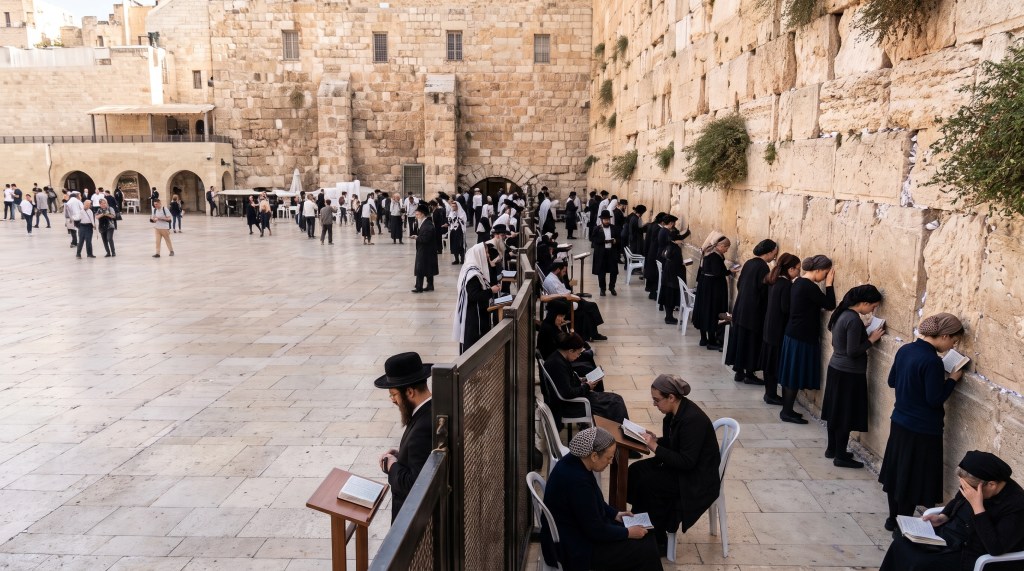
By Zia H. Shah, MD
ABSTRACT
This letter invites Haredi Jews to look at one claim with the same care they give a sugya: that the Torah they guard so faithfully speaks of a prophet “like Moses” who would come from the brethren of Israel, and that this prophet is Muhammad of Mecca (peace be upon him). Muslim scholars have argued this for twelve centuries. They began with Ibn Ishaq and the 9th-century physician Ibn Rabban al-Tabari, and continued through Ibn Qutayba, Ibn Hazm, the Jewish-born mathematician Samau’al al-Maghribi, Ibn Taymiyya, Ibn Qayyim and Rahmatullah Kairanawi, down to Ahmad Deedat, Jamal Badawi and the Ahmadiyya commentators. The letter first describes the Haredi world as it stands in late 2026. There are about 1.45 million Haredim in Israel (14.3% of the population), roughly 700,000 in the United States, and smaller but fast-growing communities in Britain, Canada, Belgium, France, Argentina, South Africa, Australia and Switzerland, for a world total of more than two million. Wikipedia +3 It then reviews some 27 biblical passages Muslims have cited. For each it gives the Hebrew, the Smith–Van Dyck Arabic, six English translations, the Muslim reading, the rabbinic answer, and the Muslim reply. It argues candidly that a handful of these readings carry real weight: Deuteronomy 18:15–19, Deuteronomy 33:2, Genesis 17:20, Habakkuk 3:3, and the Kedar texts of Isaiah. Others, notably the “Machmadim” argument from Song of Songs 5:16 and the “Ḥemdah” argument from Haggai 2:7, are weak and should be given up. Last, it reads the Haredi conscience on Torah study, military service and the state as a moral bridge to Islam: a world that also orders its life by sacred text, set prayer, dietary law, modesty and the conviction that true protection comes from God. It closes with Isaac and Ishmael standing together at their father’s grave.
I. OPENING: A LETTER BETWEEN BROTHERS
To my brothers in the batei midrash of Bnei Brak and Mea She’arim, of Williamsburg and Lakewood, of Stamford Hill and Antwerp: Shalom aleichem; as-salamu ‘alaykum. The greeting is the same in our two languages because it was the same in the mouth of our common father.
I write as a physician. Medicine teaches a doctor to respect any discipline that keeps a body or a people alive across centuries of stress. Your discipline is Torah. It carried you through exile, inquisition, pogrom and the Shoah, and it has rebuilt from a few hundred yeshiva students in 1948 into one of the fastest-growing religious communities on earth. I do not come to belittle that. The Quran itself commands me not to: “We revealed the Torah, wherein is guidance and light” (Quran 5:44). Moses (Musa) is named in the Quran more often than any other prophet: 136 times, across 34 surahs, by the count of Prof. Ömer Faruk Harman. His story with Pharaoh is the Quran’s single most repeated narrative.
So this is not a polemic. It is an invitation of the kind the Quran tells Muslims to extend: “O People of the Book, come to a word common between us and you: that we worship none but God, associate nothing with Him, and that none of us take others as lords besides God” (3:64). I will set out what Muslims have read in your Scripture, give you your sages’ answers in their full strength, and offer our reply. You are people who argue l’shem shamayim, for the sake of Heaven. I ask only for that kind of argument.
II. WHO THE HAREDIM ARE: A DEMOGRAPHIC PORTRAIT (2025–2026)
A. The global picture
The Institute for Jewish Policy Research (JPR) published the first systematic global estimate in May 2022 (L. Daniel Staetsky, Haredi Jews around the world). It found about 2.1 million Haredim, roughly 14% of world Jewry, so that “every seventh Jewish individual today is haredi.” Israel and the United States together hold about 92% of them. At a growth rate of 3.5–4% a year, the population doubles every 18–20 years. JPR projects the Haredi share of world Jewry rising to about 23% by 2040, or about 21% after allowing for those who leave. Haredi fertility runs at 6–7 children per woman, against 1.6 in Europe and 1.8 in the US. JPR stresses that the growth comes equally from very low mortality: Haredi life expectancy is about 83 for men and 86 for women. Staetsky calls the community a “demographic hybrid”: traditional in fertility, modern in longevity. jpr
B. Israel
| Indicator | Figure | Source |
|---|---|---|
| Haredi population (end 2025) | ~1,452,350 | IDI Statistical Report on Ultra-Orthodox Society 2025 (Malach & Cahaner) themedialineidi |
| Share of Israel’s population | 14.3% (13.9% in 2024; ~4% in 1980) | IDI 2024, 2025 idiidi |
| Annual growth rate | ~4.2% (highest of any group in a developed country) | IDI 2025 idi |
| Total fertility rate | ~6.5 children per woman (vs. 2.2 among other Jewish women) | IDI 2025 themedialineidi |
| Age structure | 57% aged 19 and under (vs. 31% nationally) | IDI 2025 themedialineidi |
| Pupils in Haredi education | ~420,000; 21% of all Israeli pupils, ~27% of Hebrew-language education | IDI 2025 jpost |
| Share of Jewish first-graders | ~31% Haredi (vs. 20% in 2000); ~28% of all first-graders | Sergio DellaPergola via Times of Israel; Times of Israel |
| Geography | Jerusalem 22.6% and Bnei Brak 15.6% of all Israeli Haredim (2023); 12 cities hold 74% | IDI idi |
| Male / female employment | 53% / 81% | IDI 2025 israelnationalnewsthemedialine |
| Poverty | 33% of Haredi families below poverty line (vs. 14% of non-Haredi Jews) | IDI 2025 israelnationalnews |
| Projection 2030 | 16% of population | IDI idi |
| Projection 2040 / 2050 | ~20% (2040), 24.4% (2050), per CBS; IDI’s own 2050 estimate ~22% | IDI, Haredim in Israel 2050 (Feb. 10, 2026) idijewishvirtuallibrary |
| Projection 2065 | ~32% (older CBS projection, 2017), i.e. about one-third of Israel | CBS via press reports |
A 2026 study by public-policy expert Eli Morgenstern, based on Israeli Education Ministry data and reported in Ynet, found that first-grade enrollment in secular Hebrew state schools fell about 12% between 2023 and 2026, while Haredi enrollment rose 11%. It also found that Haredi and Arab children together rose from 43.8% of preschoolers in 2019 to 48.9% in 2026. On Morgenstern’s projection, Haredi and Arab pupils together will make up a majority of Israel’s first-graders by about 2030.
Internal composition (Israel). By the Haredi Institute for Public Affairs’ 2024 count:
- Litvish (non-Hasidic Ashkenazi “yeshivish”) Haredim: about 34% (~433,000) israelvotes
- Sephardi/Mizrahi Haredim, the core constituency of Shas: about 33% (~408,000) israelvotes
- Hasidim, excluding Chabad: about 29% (~369,000) israelvotes
- Chabad: about 4% (~50,000) israelvotes
Politically, the Hasidic Agudat Yisrael and the Litvish Degel HaTorah run together as United Torah Judaism (UTJ). Shas represents Sephardi Haredim and a wider traditional Mizrahi electorate. In IDI’s pooled 2022 surveys, 86% of self-identified Haredim voted for a Haredi list. israelvotes
C. United States
JPR estimates about 700,000 American Haredim (range 650,000–750,000), about 12% of US Jewry. That is consistent with Gilad Malach and Yair Ettinger’s school-enrollment estimate for IDI of about 652,000. jpr Pew Research Center’s Jewish Americans in 2020 found that 9% of US Jewish adults are Orthodox and about two-thirds of those are Haredi. icsresourcesejewishphilanthropy The generational slope is steep: 11% of Jewish adults under 30 are Haredi, compared with 1% of those over 65. pewresearchnetworkjhsa
- New York City. UJA-Federation of New York’s Jewish Community Study of New York 2023 counted about 1.4 million Jews in the eight-county area and 462,000 in Brooklyn. JTA’s summary of the study says New York City’s Jewish population is “almost a third haredi, at more than 300,000, most of whom live in Brooklyn.” jnsjta The main centers are:
- Williamsburg, home to Satmar and other Hungarian courts. Hasidic census tracts held 78,980 people in 2020, up 21.3% in a decade (Orthodox Jewish Public Affairs Council analysis of census data). ojpac
- Borough Park, home to Bobov, Ger, Belz, Munkacs, Stolin and many others. PBS
- Crown Heights, world headquarters of Chabad-Lubavitch at 770 Eastern Parkway.
- Lakewood, New Jersey. Home of Beth Medrash Govoha, the largest yeshiva in the Western world. The 2020 census counted 135,258, up 45.5% from 2010, and a 2025 Census Bureau estimate puts it near 144,000, making it one of New Jersey’s largest municipalities. ojpacWikipedia
- Kiryas Joel (Palm Tree), NY. A Satmar village with 32,954 residents in 2020 (up 63%) and an estimated ~47,000 in 2025. Its median age, about 11–15, is the youngest of any sizable US municipality. Wikipediatimesunion
- Monsey / Rockland County, NY, including the Skver village of New Square. Baltimore, Los Angeles (Hancock Park, Pico-Robertson), Cleveland, Chicago and Passaic host established yeshivish and Hasidic communities. Separate Haredi counts for these cities are not published.
D. United Kingdom
JPR estimates about 76,000 Haredim, roughly 25–26% of British Jewry. jpr The community grows about 4% a year and is projected to make up about 40% of British Jews by 2040. Wikipedia In JPR’s analysis, British Jewry as a whole is growing only because of the Haredi contribution. jpr The main centers are:
- Stamford Hill (Hackney/Haringey), Europe’s largest Hasidic concentration. theworlddata Communal “Shomer Shabbos” directory data put it at about 38,779 in 2020 (Haringey Council, citing the directory). haringey
- North Manchester: Broughton Park, Salford, Prestwich.
- Gateshead, with its world-famous yeshiva and seminaries.
- Golders Green / Barnet.
- Newer outposts on Canvey Island and in Westcliff. Wikipedia
E. Other countries (JPR, c. 2020 unless noted)
| Country | Haredim | % of local Jewry | Notes |
|---|---|---|---|
| Canada | ~30,000 | 8% jpr | ~two-thirds in Montreal (Outremont, Boisbriand/Kiryas Tosh); Toronto yeshivish community |
| Argentina | ~13,500 | 8% | Buenos Aires (Once, Flores); strong Sephardi-Haredi and Chabad presence |
| France | ~12,000 | 3% | Paris region, Strasbourg |
| Belgium | ~10,000 | 35%, the highest share anywhere | Antwerp: 63% of Antwerp Jews identify as Haredi and 19% more as Orthodox (JPR, Jews in Belgium, Nov. 2022); courts include Satmar, Belz, Bobov, Ger, Skver, Vizhnitz and locally based Pshevorsk jprjewishvirtuallibrary |
| South Africa | ~10,000 | 19% | Johannesburg (Glenhazel) |
| Mexico | ~7,500 | 19% | Largely Syrian-Sephardi Haredi |
| Australia | ~7,500 | 6% | Melbourne (Ripponlea, Adass Israel), Sydney (Bondi) |
| Switzerland | ~3,300 | 18% | Zurich, Basel |
| Germany | ~3,000 | 3% | |
| Austria | ~2,000 | 19% | Vienna (Leopoldstadt) |
F. The Hasidic courts
Historian Marcin Wodziński’s Historical Atlas of Hasidism (2018) is the only global count, built from the courts’ own directories. It found about 129,000 Hasidic households worldwide: powerbase
| Court | Households (c. 2016–18) | Notes |
|---|---|---|
| Satmar (two branches, under R. Aaron and R. Zalman Leib Teitelbaum) | ~26,000 (20% of all Hasidim) powerbase | Williamsburg, Kiryas Joel; fiercely anti-Zionist |
| Chabad-Lubavitch | ~16,000–16,800 Wikipediapowerbase | Crown Heights HQ; outreach network in 100+ countries |
| Ger | ~11,600–12,000 (Wikipedia now cites ~15,000 families) Wikipedia | Largest court in Israel; Wikipedia Agudat Yisrael’s backbone |
| Vizhnitz (all sub-courts) | 10,500+ powerbase | Bnei Brak, Monsey |
| Belz | ~7,000–7,500 seforimblogpowerbase | Jerusalem; relatively pragmatic toward the state |
| Breslov | ~7,000 committed households powerbase | Decentralized; Uman pilgrimage |
| Bobov, Skver, Klausenburg/Sanz, Karlin-Stolin, Toldos Aharon, Dushinsky | smaller | Toldos Aharon and Dushinsky are pillars of the anti-Zionist Edah HaChareidis |
Taken together, this is a people of roughly two million who pray three times a day, eat by law, keep a weekly day of rest, dress modestly, marry young, and treat the study of God’s word as the highest calling. Few communities on earth are so close to the ordinary daily life of a practicing Muslim.
III. SHARED FOUNDATIONS
- Pure monotheism. The Shema, “Hear O Israel, the LORD our God, the LORD is One” (Deut 6:4), and Surat al-Ikhlas, “Say: He is God, the One” (Quran 112:1), are the same creed in two languages. Maimonides’ first principles, and his insistence that God has no body, are positions Islam’s theologians also defend. Maimonides lived and wrote in Arabic under Muslim rule and judged Islam to be uncompromising monotheism.
- Moses and the Torah. The Quran calls the Torah “guidance and light” (5:44) and describes Moses as one to whom “God spoke directly” (4:164), Kalim Allah. Islam’s whole picture of what a prophet is (lawgiver, liberator, leader of a community, bearer of a written covenant) is modeled on Moses.
- Law as worship. Halakhah and shari’ah both mean “the way.” Both systems treat ordinary acts such as eating, washing, marriage, commerce and rest as places to meet God. Both have their oral law (Torah she-be’al peh / Sunnah), their jurists (poskim / fuqaha), their responsa (teshuvot / fatawa), and a disciplined method of legal reasoning (Talmud / usul al-fiqh).
- Diet. Islam forbids swine, blood, carrion and the meat of animals not slaughtered in God’s name (Quran 2:173; 5:3), essentially the core of kashrut. Islamic law permits Muslims to eat the food of the People of the Book (5:5), and many Muslims in the West buy kosher meat.
- Prayer at fixed times, facing a sacred direction, with ritual washing beforehand. Islam’s first qibla was Jerusalem.
- Sabbath and Jumu’ah. The Quran honors the Sabbath of Israel (4:154; 7:163) and gives Muslims a weekly day of congregation (62:9).
- Modesty (tzniut / haya’). The same instincts shape both communities: covered hair for married women, separation of sexes in worship, guarding of the eyes, and caution about public media.
- Abraham’s covenant in two lines. Isaac and Ishmael were both circumcised by Abraham on the same day (Gen 17:23–26). Muslims still circumcise, slaughter and pray “as You blessed Abraham and the family of Abraham” in every one of their five daily prayers.
IV. THE PROPHECIES: THE TORAH AND HEBREW BIBLE PASSAGES MUSLIMS HAVE CITED
A. The Quranic premise
The whole Muslim reading of your Scripture starts from four verses:
- 7:157: “Those who follow the Messenger, the unlettered Prophet (al-nabi al-ummi), whom they find written with them in the Torah and the Gospel…”
- 61:6: Jesus says: “…giving glad tidings of a messenger to come after me whose name is Ahmad.”
- 2:146: “Those to whom We gave the Scripture recognize him as they recognize their own sons.”
- 26:196–197: “And indeed it is in the scriptures of the former peoples. Is it not a sign to them that the learned of the Children of Israel know it?”
B. The historical chain of Muslim interpreters
- Ibn Ishaq (d. c. 767). The first surviving arguments that the Bible predicts Muhammad appear in his Kitab al-Maghazi. Wikipedia
- Ibn al-Layth’s letter (late 8th century). Its proof-texts became a standard list: Deut 18:18, Deut 33:2, Isaiah 42, and the Johannine Paraclete. Wikipedia
- ‘Ali ibn Rabban al-Tabari, Kitab al-Din wa’l-Dawla (c. 850s). A physician who converted from Nestorian Christianity, he gives the first systematic catalogue, many items adapted from Christian testimonia lists. Wikipedia
- Ibn Qutayba (d. 889), A’lam al-Nubuwwa. His exegesis of Deut 33:2 is quoted verbatim by Ibn Taymiyya four centuries later. islamicbook
- Al-Baqillani (d. 1013) and al-Maqdisi (10th century). They used the proofs within broader theology and history.
- Ibn Hazm (d. 1064), al-Fisal fi’l-Milal. Unusually, he argued that the biblical text was itself corrupted (tahrif al-nass). He is the outlier of the tradition, as Camilla Adang shows. tau
- Samau’al al-Maghribi (d. c. 1175), Ifham al-Yahud (“Silencing the Jews”). A mathematician and son of a Moroccan rabbi, he converted in 1163. He cited Gen 17:20 and Deut 18:15–18 and introduced the gematria bi-me’od me’od = 92 = Muhammad. Haggai Mazuz’s article “The Identity of the Apostate in the Epistle to Yemen” (AJS Review 38/2, November 2014) argues that Samau’al was the apostate Maimonides had in mind in his Epistle to Yemen.
- Sa’id ibn Hasan of Alexandria (Masalik al-Nazar, c. 1320) and ‘Abd al-Haqq al-Islami (al-Sayf al-Mamdud, 14th-century Morocco). Both were Jewish converts and used Hebrew citations.
- Al-Qarafi (d. 1285), al-Ajwiba al-Fakhira. Ibn Taymiyya (d. 1328), al-Jawab al-Sahih li-man Baddala Din al-Masih. wikisource Ibn Qayyim al-Jawziyya (d. 1350), Hidayat al-Hayara.
- Rahmatullah Kairanawi, Izhar al-Haqq (1864). Written after his 1854 Agra debate with the missionary Karl Pfander, it became the Ottoman-era standard.
- ‘Abdul-Ahad Dawud, a former Chaldean priest, Muhammad in the Bible (1928); source of the “Ḥemdah” argument. dorar
- The Ahmadiyya commentators. Mirza Ghulam Ahmad; Mirza Bashir-ud-Din Mahmud Ahmad’s Introduction to the Study of the Holy Quran; Maulana Muhammad Ali’s English commentary. They emphasized Deut 18 and Deut 33:2.
- Ahmad Deedat (What the Bible Says About Muhammad) and Jamal Badawi (Muhammad in the Bible). The popular 20th-century presentations.
Modern scholarship. Camilla Adang, Muslim Writers on Judaism and the Hebrew Bible: From Ibn Rabban to Ibn Hazm (Brill, 1996), surveys nine writers and their three main debates: proofs of prophethood, abrogation and tahrif. semanticscholartau Hava Lazarus-Yafeh, Intertwined Worlds: Medieval Islam and Bible Criticism (Princeton, 1992), shows how Muslim critics anticipated modern biblical criticism. Wikipedia Martin Accad and Sidney Griffith (The Bible in Arabic, 2013) trace how Christian testimonia lists passed into Muslim apologetic. Two points from this scholarship matter for an honest invitation. First, many proof-texts were borrowed from Christian lists of messianic prophecies and redirected. Wikipedia Second, Ibn Rabban held only that the meaning of Scripture had been distorted (tahrif al-ma’ani), not its text, because his whole case required the text to be reliable. adlucem I write in Ibn Rabban’s spirit: your Masoretic text is our common ground.
A note on presentation. For each passage below I give the Masoretic Hebrew; the Arabic of the Smith–Van Dyck Bible (1865), the standard Protestant Arabic Bible, in its unpointed traditional spelling; and six English versions. The six are the King James Version (KJV) and JPS 1917, both public domain and quoted in full, and the New JPS Tanakh (NJPS, 1985), English Standard Version (ESV), New International Version (NIV) and New Revised Standard Version (NRSV), which are copyrighted and quoted for the key phrase only. Readers should check modern renderings against the printed editions.
1. Deuteronomy 18:15, 18–19: “A Prophet like unto thee, from among their brethren”
Hebrew (18:15): נָבִיא מִקִּרְבְּךָ מֵאַחֶיךָ כָּמֹנִי יָקִים לְךָ יְהוָה אֱלֹהֶיךָ אֵלָיו תִּשְׁמָעוּן׃ Hebrew (18:18): נָבִיא אָקִים לָהֶם מִקֶּרֶב אֲחֵיהֶם כָּמוֹךָ וְנָתַתִּי דְבָרַי בְּפִיו וְדִבֶּר אֲלֵיהֶם אֵת כָּל־אֲשֶׁר אֲצַוֶּנּוּ׃ Hebrew (18:19): וְהָיָה הָאִישׁ אֲשֶׁר לֹא־יִשְׁמַע אֶל־דְּבָרַי אֲשֶׁר יְדַבֵּר בִּשְׁמִי אָנֹכִי אֶדְרֹשׁ מֵעִמּוֹ׃
Arabic (Van Dyck):
- 18:15: «يقيم لك الرب الهك نبيا من وسطك من اخوتك مثلي. له تسمعون.»
- 18:18: «اقيم لهم نبيا من وسط اخوتهم مثلك واجعل كلامي في فمه فيكلمهم بكل ما اوصيه به»
- 18:19: «ويكون ان الانسان الذي لا يسمع لكلامي الذي يتكلم به باسمي انا اطالبه.»
English:
- KJV: (15) “The LORD thy God will raise up unto thee a Prophet from the midst of thee, of thy brethren, like unto me; unto him ye shall hearken.” (18) “I will raise them up a Prophet from among their brethren, like unto thee, and will put my words in his mouth; and he shall speak unto them all that I shall command him.”
- JPS 1917: (18) “I will raise them up a prophet from among their brethren, like unto thee; and I will put My words in his mouth, and he shall speak unto them all that I shall command him.”
- NJPS: “from among their own people, like yourself”
- ESV: “from among their brothers”
- NIV: “from among their fellow Israelites” (an interpretive rendering; the Hebrew says only “their brothers”)
- NRSV: “from among their own people”
Muslim interpretation. This is the foundation text, cited by Ibn Rabban, Ibn Qutayba, Samau’al, Ibn Taymiyya, Kairanawi, Deedat, Badawi and the Ahmadiyya. Four points are made:
- “From among their brethren.” God speaks to Israel about Israel, and the prophet comes from Israel’s brothers. Abraham’s other line through Ishmael is the natural “brethren” of Isaac’s line. The Torah itself uses “brother” for a kindred nation: Edom is “your brethren the children of Esau” (Deut 2:4), and Moses calls Israel Edom’s “brother” (Num 20:14). Genesis 16:12 and 25:18 place Ishmael “in the presence of all his brethren.”
- “Like unto thee,” like Moses. Muhammad, like Moses, had a natural birth, marriage and children. He led a community out of persecution in a hijrah as Moses led an exodus. He brought a comprehensive written law, governed, fought and judged, and died a natural death with his mission completed in his lifetime. Muslim writers argue that no later Israelite prophet was “like Moses” in this full sense, and Deuteronomy 34:10 itself says none arose “in Israel.”
- “I will put My words in his mouth.” The Quran was revealed as dictated speech that Muhammad repeated: “Nor does he speak from desire; it is but revelation revealed” (53:3–4).
- “Which he shall speak in My name” (18:19). Every surah of the Quran but one opens Bismillah, “In the name of God.”
Rabbinic response.
- Rashi reads mi-qirbekha me-achekha as “from your midst, from your brothers,” meaning a prophet from within Israel. Ibn Ezra and Ramban agree that the passage establishes the institution of Israelite prophecy, offered as the alternative to the diviners condemned in 18:9–14.
- The same phrase “from among your brethren” in Deut 17:15 (“one from among thy brethren shalt thou set king over thee; thou mayest not put a foreigner over thee”) plainly means a fellow Israelite.
- Deut 34:10 says no prophet arose like Moses, so the rabbis deny that the verse predicts any single prophet equal to him. Maimonides (Yesodei ha-Torah 7–9) holds that Moses’ prophecy is unique and that the Torah will never be replaced.
- Maimonides in the Epistle to Yemen rejects the reading entirely.
Muslim reply.
- 17:15 does not settle 18:15. In 18:15 Moses speaks to Israel (“from the midst of thee”), but in 18:18 God’s own words shift to “from among their brethren.” That wording is at least open to a kin-nation reading, and the Septuagint and Samaritan textual traditions preserve that it is God’s speech.
- Deut 34:10 actually helps the Muslim case. If no prophet like Moses arose “in Israel,” the promised one must come from outside Israel’s own line yet from within the Abrahamic family.
- The test of a true prophet in 18:22 is fulfilment. A single orphan from a desert town brought a scripture that turned Arabia from idols to the God of Abraham within twenty-three years. That outcome has been on the public record for fourteen centuries.
2. Deuteronomy 33:2: Sinai, Seir, Paran
Hebrew: וַיֹּאמַר יְהוָה מִסִּינַי בָּא וְזָרַח מִשֵּׂעִיר לָמוֹ הוֹפִיעַ מֵהַר פָּארָן וְאָתָה מֵרִבְבֹת קֹדֶשׁ מִימִינוֹ אֵשְׁדָּת לָמוֹ׃
Arabic:
- Van Dyck: «فقال. جاء الرب من سيناء واشرق لهم من سعير وتلألأ من جبل فاران وأتى من ربوات القدس وعن يمينه نار شريعة لهم.»
- Classical Muslim rendering (Ibn Qutayba, quoted in Ibn Taymiyya’s al-Jawab al-Sahih): «جاء الله من طور سيناء، وأشرق من ساعير، واستعلن من جبال فاران»
English:
- KJV: “The LORD came from Sinai, and rose up from Seir unto them; he shined forth from mount Paran, and he came with ten thousands of saints: from his right hand went a fiery law for them.”
- JPS 1917: “The LORD came from Sinai, And rose from Seir unto them; He shined forth from mount Paran, And He came from the myriads holy, At His right hand was a fiery law unto them.”
- NJPS: “He appeared from Mount Paran, And approached from Ribeboth-kodesh, Lightning flashing at them from His right”
- ESV: “he came from the ten thousands of holy ones, with flaming fire at his right hand”
- NIV: “He came with myriads of holy ones from the south”
- NRSV: “With him were myriads of holy ones”
Muslim interpretation. Ibn Qutayba wrote, in a passage Ibn Taymiyya preserved: “There is nothing hidden or obscure in this for whoever reflects on it.” His reading runs as follows:
- Sinai is the giving of the Torah to Moses.
- Seir is the revelation to Jesus in the Galilee region.
- Paran is the revelation of the Quran to Muhammad in the mountains of Mecca: «وجبال فاران هي جبال مكة».
The three verbs rise in intensity: came, dawned, shone forth in full (Arabic istaʿlana, “became manifest”). Ibn Taymiyya compares them to dawn, sunrise and the sun at its height. He links this to the Quran’s own oath “By the fig and the olive, by Mount Sinai, and by this secure city” (95:1–3), which names the same three holy places.
The Ahmadiyya and Deedat add that “ten thousands of saints” matches the 10,000 companions with whom Muhammad entered Mecca in 630 CE, and that the “fiery law” is a law that brought judgment.
Rabbinic response.
- The verse is a theophany, poetic language for the single Sinai event seen from different directions. Seir and Paran are mountains of the southern Sinai/Edom wilderness near Israel’s desert route, not Galilee or Mecca.
- Rashi, following Sifrei Devarim 343 and Avodah Zarah 2b, explains that God first went to offer the Torah to the descendants of Esau (Seir) and then to the descendants of Ishmael (Paran). They refused, and only Israel accepted.
- The Paran of Num 10:12 and 13:3 is a wilderness between Sinai and Kadesh, not the Hijaz.
Muslim reply.
- Rashi’s own source concedes the key point: your sages themselves link Paran with Ishmael. Genesis 21:21 says Ishmael “dwelt in the wilderness of Paran.”
- If God “shone forth” from Ishmael’s land, the Muslim asks only that the Midrash’s offer be allowed a second chapter: the children of Ishmael, after long refusal, finally accepted.
- On the geography, Islamic tradition from the earliest period identified Paran with the Hijaz. Even on a narrower reading, “Paran” in the Torah is consistently the Ishmaelite wilderness south of Israel’s land.
3. Genesis 17:20: Ishmael Blessed, “Twelve Princes,” “a Great Nation”
Hebrew: וּלְיִשְׁמָעֵאל שְׁמַעְתִּיךָ הִנֵּה בֵּרַכְתִּי אֹתוֹ וְהִפְרֵיתִי אֹתוֹ וְהִרְבֵּיתִי אֹתוֹ בִּמְאֹד מְאֹד שְׁנֵים־עָשָׂר נְשִׂיאִם יוֹלִיד וּנְתַתִּיו לְגוֹי גָּדוֹל׃
Arabic (Van Dyck): «واما اسماعيل فقد سمعت لك فيه. ها انا اباركه وأثمره واكثره كثيرا جدا. اثني عشر رئيسا يلد واجعله امة كبيرة.»
English:
- KJV: “And as for Ishmael, I have heard thee: Behold, I have blessed him, and will make him fruitful, and will multiply him exceedingly; twelve princes shall he beget, and I will make him a great nation.”
- JPS 1917: “And as for Ishmael, I have heard thee; behold, I have blessed him, and will make him fruitful, and will multiply him exceedingly; twelve princes shall he beget, and I will make him a great nation.”
- NJPS: “He shall be the father of twelve chieftains, and I will make of him a great nation.”
- ESV: “multiply him greatly; he shall father twelve princes”
- NIV: “He will be the father of twelve rulers”
- NRSV: “he shall be the father of twelve princes”
Muslim interpretation.
- The promise to Ishmael is covenantal language, a blessing, fruitfulness and a “great nation,” and these are the same terms promised to Abraham in 12:2. Muslims see the “great nation” fulfilled in the Arab-Islamic umma.
- Samau’al al-Maghribi added the gematria: bi-me’od me’od (בִּמְאֹד מְאֹד) = 2+40+1+4 + 40+1+4 = 92, and Muhammad (מחמד) = 40+8+40+4 = 92. As the Encyclopaedia Judaica puts it, he argued that “the sum of the numerical values of the letters of the Hebrew words equals the sum of the values of the letters in the name ‘Muhammad.’”
- Some Shi’i and Sunni writers relate the “twelve princes” to twelve successors.
Rabbinic response.
- The blessing is real but not covenantal. The very next verse says: “But My covenant will I establish with Isaac” (17:21), and 21:12 says: “in Isaac shall seed be called to thee.”
- The twelve princes are Ishmael’s twelve sons, named in Gen 25:13–16 (Nebaioth, Kedar, Adbeel…), and the promise was fulfilled in them.
- Maimonides treats gematria arguments as worthless for proof. A gematria can be found for almost anything, and Jewish tradition itself uses gematria only as remez (allusion), never as proof.
Muslim reply.
- I accept the critique of gematria. It is clever, but it cannot carry the weight of proof, and serious Muslim apologists should present it at most as a curiosity.
- The substance of the verse still stands. God “heard” (shama’tikha, the root of the name Yishma’el, “God hears”) Abraham’s prayer for Ishmael. A “great nation” from Ishmael that worships the God of Abraham did in fact arise, and it arose only through Muhammad.
- The covenant with Isaac is not denied by Islam; the Quran honors Isaac and Jacob as prophets. The question is whether God’s blessing on Ishmael’s line was ever to bear spiritual fruit. A great nation of idolaters would be a strange fulfilment of a blessing given in answer to Abraham’s prayer.
4. Genesis 21:13 and 21:18: “I Will Make Him a Great Nation”
Hebrew (21:13): וְגַם אֶת־בֶּן־הָאָמָה לְגוֹי אֲשִׂימֶנּוּ כִּי זַרְעֲךָ הוּא׃ Hebrew (21:18): קוּמִי שְׂאִי אֶת־הַנַּעַר וְהַחֲזִיקִי אֶת־יָדֵךְ בּוֹ כִּי־לְגוֹי גָּדוֹל אֲשִׂימֶנּוּ׃
Arabic (Van Dyck):
- 21:13: «وابن الجارية ايضا سأجعله امة لانه نسلك.»
- 21:18: «قومي احملي الغلام وشدي يدك به. لاني ساجعله امة عظيمة.»
English:
- KJV: (13) “And also of the son of the bondwoman will I make a nation, because he is thy seed.” (18) “Arise, lift up the lad, and hold him in thine hand; for I will make him a great nation.”
- JPS 1917: (18) “Arise, lift up the lad, and hold him fast by thy hand; for I will make him a great nation.”
- NJPS: “for I will make a great nation of him”
- ESV: “for I will make him into a great nation”
- NIV: “for I will make him into a great nation”
- NRSV: “for I will make a great nation of him”
Muslim interpretation. God personally intervenes to save Ishmael at the well, which Muslims identify with Zamzam in Mecca (Quran 14:37: “I have settled some of my offspring in an uncultivated valley near Your Sacred House”). He calls Ishmael “thy seed” (zar’akha), using the very word of the Abrahamic blessing. Muslim writers from Ibn Qutayba to Kairanawi read the double promise (vv. 13 and 18) as God’s assurance that Ishmael’s line has a sacred destiny.
Rabbinic response. “Great nation” means a populous and powerful people, not a chosen covenant-people. Ishmael received material blessing (Ramban; Radak).
Muslim reply. In Genesis 12:2 the same words, goy gadol, are the opening promise of Abraham’s own election. In Torah idiom, a “great nation” springing from Abraham’s seed by direct divine promise is not a merely secular prediction.
5. Genesis 16:10–12: The Promise to Hagar
Hebrew (16:10): וַיֹּאמֶר לָהּ מַלְאַךְ יְהוָה הַרְבָּה אַרְבֶּה אֶת־זַרְעֵךְ וְלֹא יִסָּפֵר מֵרֹב׃ Hebrew (16:12): וְהוּא יִהְיֶה פֶּרֶא אָדָם יָדוֹ בַכֹּל וְיַד כֹּל בּוֹ וְעַל־פְּנֵי כָל־אֶחָיו יִשְׁכֹּן׃
Arabic (Van Dyck):
- 16:10: «وقال لها ملاك الرب تكثيرا اكثر نسلك فلا يعد من الكثرة.»
- 16:12: «وانه يكون انسانا وحشيّا. يده على كل واحد ويد كل واحد عليه. وامام جميع اخوته يسكن.»
English:
- KJV: “And he will be a wild man; his hand will be against every man, and every man’s hand against him; and he shall dwell in the presence of all his brethren.”
- JPS 1917: “And he shall be a wild ass of a man: his hand shall be against every man, and every man’s hand against him; and he shall dwell in the face of all his brethren.”
- NJPS: “He shall dwell alongside of all his kinsmen.”
- ESV: “he shall dwell over against all his kinsmen”
- NIV: “he will live in hostility toward all his brothers”
- NRSV: “he shall live at odds with all his kin”
Muslim interpretation.
- An angel appears to an Egyptian slave-woman, the first person in the Torah to whom the angel of the LORD speaks, and the first to name God: El Ro’i, “the God who sees me” (16:13). This is the God of the Ishmaelites.
- Pere adam, the “wild ass” or onager, is in Semitic idiom an image of untamed freedom (cf. Job 39:5–8), not an insult. Arabs were never permanently subjugated.
- Yado ba-kol can be read “his hand with/in everything.” Some Muslim writers, including Ahmadiyya commentators, render it as a universal reach. “In the presence of all his brethren” again names the Ishmaelites as Israel’s brethren, the key to Deut 18:18.
Rabbinic response. Rashi glosses pere adam as “one who loves the wilderness, a hunter,” and “his hand against everyone” as a bandit. The verse predicts conflict, not prophecy.
Muslim reply. We need not read this verse as prophecy of Muhammad at all. Its value lies elsewhere: it establishes beyond dispute that the Torah calls Ishmael’s descendants the “brethren” of Israel, which is precisely the textual hinge of Deuteronomy 18:18.
6. Genesis 49:10: Shiloh
Hebrew: לֹא־יָסוּר שֵׁבֶט מִיהוּדָה וּמְחֹקֵק מִבֵּין רַגְלָיו עַד כִּי־יָבֹא שִׁילֹה וְלוֹ יִקְּהַת עַמִּים׃
Arabic (Van Dyck): «لا يزول قضيب من يهوذا ومشترع من بين رجليه حتى ياتي شيلون وله يكون خضوع شعوب.»
English:
- KJV: “The sceptre shall not depart from Judah, nor a lawgiver from between his feet, until Shiloh come; and unto him shall the gathering of the people be.”
- JPS 1917: “The sceptre shall not depart from Judah, Nor the ruler’s staff from between his feet, As long as men come to Shiloh; And unto him shall the obedience of the peoples be.”
- NJPS: “So that tribute shall come to him And the homage of peoples be his.”
- ESV: “until tribute comes to him”
- NIV: “until he to whom it belongs shall come”
- NRSV: “until tribute comes to him”
Muslim interpretation. Kairanawi and later writers argue as follows. Lawgiving authority remains in Judah until “Shiloh” comes. Shiloh is “he to whom it belongs” (shel-lo), or by some readings “the sent one” (cf. shaliach). After his coming, “the obedience of the peoples,” the nations and not only Israel, belongs to him. Judah’s sovereignty ended; a universal lawgiver arose from outside Judah; the nations submitted. Arabic islam itself means submission.
Rabbinic response.
- Onkelos and Rashi read Shiloh as King Messiah (“until the Messiah comes, whose is the kingdom”), and Sanhedrin 98b lists “Shiloh” among the Messiah’s names.
- Others, including JPS 1917 and Rashbam, read the town of Shiloh.
- Many moderns repoint the word to shai lo, “tribute to him.” On any reading the Messiah is a son of Judah and David, not of Ishmael.
Muslim reply. This is a contested text, and I hold it lightly. The phrase is genuinely obscure; even Jewish commentators disagree about it. A Muslim should not build on it. At most it shows an expectation, shared by your own sages, that a figure would come to whom the peoples, ‘amim, would render obedience.
7. Genesis 12:2–3 and 22:18: All Nations Blessed through Abraham’s Seed
Hebrew (12:3): וַאֲבָרְכָה מְבָרְכֶיךָ וּמְקַלֶּלְךָ אָאֹר וְנִבְרְכוּ בְךָ כֹּל מִשְׁפְּחֹת הָאֲדָמָה׃ Hebrew (22:18): וְהִתְבָּרְכוּ בְזַרְעֲךָ כֹּל גּוֹיֵי הָאָרֶץ עֵקֶב אֲשֶׁר שָׁמַעְתָּ בְּקֹלִי׃
Arabic (Van Dyck):
- 12:3: «وابارك مباركيك ولاعنك العنه. وتتبارك فيك جميع قبائل الارض.»
- 22:18: «ويتبارك في نسلك جميع امم الارض. من اجل انك سمعت لقولي.»
English:
- KJV: (22:18) “And in thy seed shall all the nations of the earth be blessed; because thou hast obeyed my voice.”
- JPS 1917: “and in thy seed shall all the nations of the earth bless themselves; because thou hast hearkened to My voice.”
- NJPS: “All the nations of the earth shall bless themselves by your descendants”
- ESV: “in your offspring shall all the nations of the earth be blessed”
- NIV: “through your offspring all nations on earth will be blessed”
- NRSV: “by your offspring shall all the nations of the earth gain blessing for themselves”
Muslim interpretation.
- The promise comes after the Akedah, the binding. Many classical Muslim scholars held that the son bound was Ishmael, while others held it was Isaac; the Quran (37:99–113) does not name him.
- The blessing reaches “all the nations” through Abraham’s seed, and Ishmael is explicitly that seed (21:13). The universal mission of Muhammad, “We have not sent you except as a mercy to all the worlds” (21:107), fulfils it.
- Five times a day Muslims pray: “O God, bless Muhammad and the family of Muhammad as You blessed Abraham and the family of Abraham.” That prayer is a living echo of this verse.
Rabbinic response. The hitbarchu (reflexive) form means the nations “will bless themselves” by invoking Israel as a model. The seed is the covenant line through Isaac (21:12).
Muslim reply. We claim no exclusive fulfilment; Israel has truly been a blessing to the nations. But a billion and a half people who daily invoke the blessing of Abraham, and who learned of him from Muhammad, are a fact any reading of 22:18 must take into account.
8. Deuteronomy 32:21: “A No-People… a Foolish Nation”
Hebrew: הֵם קִנְאוּנִי בְלֹא־אֵל כִּעֲסוּנִי בְּהַבְלֵיהֶם וַאֲנִי אַקְנִיאֵם בְּלֹא־עָם בְּגוֹי נָבָל אַכְעִיסֵם׃
Arabic (Van Dyck): «هم اغاروني بما ليس الها اغاظوني باباطيلهم. فانا اغيرهم بما ليس شعبا. بامّة غبية اغيظهم.»
English:
- KJV: “They have moved me to jealousy with that which is not God; they have provoked me to anger with their vanities: and I will move them to jealousy with those which are not a people; I will provoke them to anger with a foolish nation.”
- JPS 1917: “…And I will rouse them to jealousy with a no-people; I will provoke them with a vile nation.”
- NJPS: “I’ll incense them with a no-folk, Vex them with a nation of fools.”
- ESV: “with a foolish nation”
- NIV: “by a nation that has no understanding”
- NRSV: “with a foolish nation”
Muslim interpretation. The “no-people” and “foolish nation” are the Arabs before Islam, an ummiyyun people without scripture (Quran 62:2: “It is He who raised among the unlettered a messenger from among themselves”). God provoked Israel to “jealousy” by giving prophecy to the least likely nation.
Rabbinic response. The “no-people” is the pagan invader, Assyria or Babylon, sent as punishment, measure for measure. Israel served “no-gods,” so God sends a “no-people” against them. The passage concerns chastisement, not a new revelation. (Christians used the same verse for the Gentiles; Romans 10:19.)
Muslim reply. The measure-for-measure structure is real, but “move to jealousy,” qin’ah, implies a rival object of God’s favor, not merely an army. I offer this verse as supporting evidence, not as proof.
9. Habakkuk 3:3: “The Holy One from Mount Paran”
Hebrew: אֱלוֹהַּ מִתֵּימָן יָבוֹא וְקָדוֹשׁ מֵהַר־פָּארָן סֶלָה כִּסָּה שָׁמַיִם הוֹדוֹ וּתְהִלָּתוֹ מָלְאָה הָאָרֶץ׃
Arabic:
- Van Dyck: «الله جاء من تيمان والقدوس من جبل فاران. سلاه. جلاله غطى السموات والارض امتلأت من تسبيحه.»
- Classical Muslim rendering (cited by Ibn Taymiyya): «جاء الله بالبينات من جبال فاران، وامتلأت السماء والأرض من تسبيحه وتسبيح أمته»
English:
- KJV: “God came from Teman, and the Holy One from mount Paran. Selah. His glory covered the heavens, and the earth was full of his praise.”
- JPS 1917: “God cometh from Teman, And the Holy One from mount Paran. Selah. His glory covereth the heavens, And the earth is full of His praise.”
- NJPS: “The Holy One from Mount Paran. Selah. His majesty covers the skies”
- ESV: “the earth was full of his praise”
- NIV: “his praise filled the earth”
- NRSV: “the earth was full of his praise”
Muslim interpretation. This is the Prophets’ echo of Deut 33:2: once again God’s coming is from Paran. “The earth was full of his praise” (tehillato). Muslims note that the Arabic root of “Muhammad” and “Ahmad,” ḥ-m-d, means praise, and that Teman (Tema) is an oasis of northern Arabia (Isa 21:14; Job 6:19). Ibn Taymiyya’s version, “the earth filled with his praise and the praise of his umma,” reflects a gloss in the Arabic translation he used, not the Hebrew. I note this candidly.
Rabbinic response. Habakkuk 3 is an ancient psalm of divine warrior theophany. Teman and Paran are the southern wilderness of Israel’s Exodus memory (cf. Judges 5:4), and the passage recalls Sinai; it does not predict a future prophet.
Muslim reply. That the poem recalls Sinai is clear. But Habakkuk writes centuries after Moses, about a future deliverance (“though it tarry, wait for it,” 2:3), and he sets God’s coming in the south-Arabian frame (Teman, Paran). That two independent texts place the divine manifestation in the land of Ishmael deserves reflection, not dismissal.
10. Isaiah 42:1–13: The Servant, Kedar and “Sela”
Hebrew (42:1): הֵן עַבְדִּי אֶתְמָךְ־בּוֹ בְּחִירִי רָצְתָה נַפְשִׁי נָתַתִּי רוּחִי עָלָיו מִשְׁפָּט לַגּוֹיִם יוֹצִיא׃ Hebrew (42:10–11): שִׁירוּ לַיהוָה שִׁיר חָדָשׁ תְּהִלָּתוֹ מִקְצֵה הָאָרֶץ … יִשְׂאוּ מִדְבָּר וְעָרָיו חֲצֵרִים תֵּשֵׁב קֵדָר יָרֹנּוּ יֹשְׁבֵי סֶלַע מֵרֹאשׁ הָרִים יִצְוָחוּ׃
Arabic (Van Dyck):
- 42:1: «هوذا عبدي الذي اعضده مختاري الذي سرّت به نفسي. وضعت روحي عليه فيخرج الحق للامم.»
- 42:11: «لترفع البرية ومدنها صوتها الديار التي سكنها قيدار. لتترنم سكان سالع. من رؤوس الجبال ليهتفوا.»
English:
- KJV: (1) “Behold my servant, whom I uphold; mine elect, in whom my soul delighteth; I have put my spirit upon him: he shall bring forth judgment to the Gentiles.” (11) “Let the wilderness and the cities thereof lift up their voice, the villages that Kedar doth inhabit: let the inhabitants of the rock sing, let them shout from the top of the mountains.”
- JPS 1917: (11) “Let the wilderness and the cities thereof lift up their voice, The villages that Kedar doth inhabit; Let the inhabitants of Sela exult, Let them shout from the top of the mountains.”
- NJPS: “the villages where Kedar dwells”
- ESV: “the villages that Kedar inhabits; let the habitants of Sela sing for joy”
- NIV: “Let the people of Sela sing for joy”
- NRSV: “the villages that Kedar inhabits; let the inhabitants of Sela sing for joy”
Muslim interpretation. This is among the strongest Isaianic texts, cited from Ibn Rabban onward. Five features stand out:
- The servant is God’s chosen (bechiri). Muslims note that al-Mustafa, “the Chosen,” is a title of Muhammad.
- He brings mishpat, justice and law, to the nations.
- “He shall not cry, nor lift up… his voice in the street” (42:2), which matches the hadith description of the Prophet as “not harsh, not loud in the markets” (Bukhari, from ‘Abdullah ibn ‘Amr, who explicitly cited the Torah’s description).
- A “new song” is sung “from the end of the earth” (42:10), a new scripture in a new language.
- Kedar, the second son of Ishmael (Gen 25:13) and the Bible’s standard name for the Arabs, rejoices. “The inhabitants of Sela” shout from the mountain-tops. Muslims connect Sela with Mount Sal’ (جبل سلع) in Medina, and the shouting from the heights with the talbiyah of the pilgrims at ‘Arafat.
The servant also “shall not fail… till he have set judgment in the earth” (42:4), unlike a prophet who dies with his mission incomplete.
Rabbinic response.
- The servant is Israel, as Isaiah says explicitly (41:8, “But thou, Israel, My servant, Jacob whom I have chosen”; 44:1). Radak and Rashi read 42:1 as Israel or the Messiah.
- Kedar here is one of the distant peoples summoned to praise God for Israel’s redemption, as are the “islands” (42:10).
- Sela is a place in Edom (2 Kings 14:7), often identified with Petra.
Muslim reply.
- In Isaiah, “servant” sometimes means collective Israel. But 42:6 says the servant is given “for a covenant of the people, for a light of the nations.” That is an individual figure sent to Israel and beyond, a distinction the Talmud’s own messianic reading recognizes.
- That the servant’s song is answered specifically by Kedar and by mountain-dwellers in the Arabian wilderness is, at minimum, striking.
- The Sela–Sal’ link is suggestive, not certain, and I present it as such.
11. Isaiah 21:6–17: The “Burden upon Arabia,” the Riders and the Flight
Hebrew (21:7): וְרָאָה רֶכֶב צֶמֶד פָּרָשִׁים רֶכֶב חֲמוֹר רֶכֶב גָּמָל… Hebrew (21:13): מַשָּׂא בַּעְרָב בַּיַּעַר בַּעְרַב תָּלִינוּ אֹרְחוֹת דְּדָנִים׃
Arabic (Van Dyck, 21:13): «وحي من جهة بلاد العرب. في الوعر في بلاد العرب تبيتين يا قوافل الددانيين.»
English (21:13–17):
- KJV: “The burden upon Arabia. In the forest in Arabia shall ye lodge, O ye travelling companies of Dedanim. The inhabitants of the land of Tema brought water to him that was thirsty, they prevented with their bread him that fled. For they fled from the swords, from the drawn sword, and from the bent bow, and from the grievousness of war. … within a year … all the glory of Kedar shall fail.”
- JPS 1917: “The burden of Arabia. In the thickets in Arabia shall ye lodge, O ye caravans of Dedanites.”
- NJPS: “The ‘Arabia’ Pronouncement”
- ESV: “The oracle concerning Arabia”
- NIV: “A prophecy against Arabia”
- NRSV: “The oracle concerning the desert plain”
Muslim interpretation.
- Ibn Rabban and Ibn Qutayba cite 21:7: a watchman sees “a chariot of asses, and a chariot of camels.” They read it as two riders, Jesus on the donkey and Muhammad on the camel, followed by the announcement “Babylon is fallen” (21:9), as the Persian empire later fell to the Muslims.
- In vv. 13–17 they see the Hijrah: one who “fled from the drawn sword,” received in the north-Arabian oases (Tema). “Within a year,” that is, by the Battle of Badr (624), “the glory of Kedar,” the pagan Quraysh, “shall fail.”
Rabbinic response. This is an oracle of doom against Arabian tribes in the Assyrian period (8th century BCE), comparable to the other oracles against nations in Isaiah 13–23. Its “fugitives” are Dedanite caravans fleeing Assyrian armies.
Muslim reply. The historical setting is plausible. But the specific sequence (a fugitive from the sword, sheltered by Arabian oases, and within a year the collapse of Kedar’s glory) maps onto the Hijrah and Badr with a precision Muslim readers find hard to treat as coincidence. I offer it as a typological reading, not a demonstrative one.
12. Isaiah 29:12: “I Am Not Learned” and Iqra’
Hebrew: וְנִתַּן הַסֵּפֶר עַל אֲשֶׁר לֹא־יָדַע סֵפֶר לֵאמֹר קְרָא נָא־זֶה וְאָמַר לֹא יָדַעְתִּי סֵפֶר׃
Arabic (Van Dyck): «او يدفع الكتاب لمن لا يعرف الكتابة ويقال له اقرأ هذا فيقول لا اعرف الكتابة»
English:
- KJV: “And the book is delivered to him that is not learned, saying, Read this, I pray thee: and he saith, I am not learned.”
- JPS 1917: “And if the writing be delivered to him that is not learned, saying: ‘Read this, I pray thee’; he saith: ‘I am not learned.’”
- NJPS: “And if it is handed to one who cannot read and he is asked to read it, he will say, ‘I can’t read.’”
- ESV: “he says, ‘I cannot read.’”
- NIV: “they will answer, ‘I don’t know how to read.’”
- NRSV: “he says, ‘I cannot read.’”
Muslim interpretation. In the first revelation in the cave of Hira, Gabriel commanded Muhammad, the ummi, “Iqra’” (“Read/Recite!”). He answered “Ma ana bi-qari’” (“I am not a reader”), and the exchange was repeated three times (Bukhari, Bad’ al-Wahy 3; Quran 96:1). The Hebrew qera na zeh uses the same root (ק־ר־א / ق־ر־أ) as iqra’. Ahmad Deedat popularized the parallel, and the Van Dyck Arabic, «اقرأ هذا… لا اعرف الكتابة», makes it unmistakable to an Arabic ear.
Rabbinic response. The context (29:9–14) is a rebuke. The “vision of all” has become like a sealed book to Israel: the literate cannot read it because it is sealed (v. 11), the illiterate because they cannot read (v. 12). It is a metaphor of spiritual blindness, not a prediction.
Muslim reply. The verbal coincidence is remarkable, and I state it honestly as a coincidence of language and image that Muslims find moving. Read in context, the passage is about the closure of understanding among those who had the Book. Then, at 29:14, God promises “a marvellous work and a wonder.” A Muslim may ask whether that marvel might be the opening of the Book to one who could not read.
13. Isaiah 60:6–7: The Camels of Midian, the Flocks of Kedar, the Rams of Nebaioth
Hebrew (60:7): כָּל־צֹאן קֵדָר יִקָּבְצוּ לָךְ אֵילֵי נְבָיוֹת יְשָׁרְתוּנֶךְ יַעֲלוּ עַל־רָצוֹן מִזְבְּחִי וּבֵית תִּפְאַרְתִּי אֲפָאֵר׃
Arabic (Van Dyck): «كل غنم قيدار تجتمع اليك. كباش نبايوت تخدمك. تصعد مقبولة على مذبحي وأزيّن بيت جمالي.»
English:
- KJV: (6) “The multitude of camels shall cover thee, the dromedaries of Midian and Ephah; all they from Sheba shall come…” (7) “All the flocks of Kedar shall be gathered together unto thee, the rams of Nebaioth shall minister unto thee: they shall come up with acceptance on mine altar, and I will glorify the house of my glory.”
- JPS 1917: “All the flocks of Kedar shall be gathered together unto thee, The rams of Nebaioth shall minister unto thee”
- NJPS: “All the flocks of Kedar shall be assembled for you”
- ESV: “they shall come up with acceptance on my altar”
- NIV: “they will be accepted as offerings on my altar”
- NRSV: “they shall be acceptable on my altar”
Muslim interpretation. Nebaioth and Kedar are Ishmael’s first two sons (Gen 25:13). Their offerings are “accepted on My altar,” and God will “glorify the house of My glory.” Muslims see the Ka’ba, Abraham’s house rebuilt by Abraham and Ishmael (Quran 2:127), filled each year with the hady sacrifices of the Hajj, offered by the sons of Kedar and Nebaioth.
Rabbinic response. The “house of My glory” is the Temple in Jerusalem. The chapter describes the nations, Arabs included, streaming to Zion with tribute at the end of days (60:14: “the city of the LORD, the Zion of the Holy One of Israel”).
Muslim reply. We accept that the immediate horizon is Zion, and Islam honors Jerusalem as its first qibla and third sanctuary. Still, the Ishmaelites’ worship is described as acceptable to God. Whatever else that means, it means Kedar’s worship of the God of Abraham is not foreign to the Torah’s hope.
14. Isaiah 65:1–2: “A Nation That Was Not Called by My Name”
Hebrew: נִדְרַשְׁתִּי לְלוֹא שָׁאָלוּ נִמְצֵאתִי לְלֹא בִקְשֻׁנִי אָמַרְתִּי הִנֵּנִי הִנֵּנִי אֶל־גּוֹי לֹא־קֹרָא בִשְׁמִי׃
Arabic (Van Dyck): «اصغيت الى الذين لم يسألوا. وجدت من الذين لم يطلبوني. قلت هانذا هانذا لامة لم تسم باسمي.»
English:
- KJV: “I am sought of them that asked not for me; I am found of them that sought me not: I said, Behold me, behold me, unto a nation that was not called by my name.”
- JPS 1917: “I gave access to them that asked not for Me, I was at hand to them that sought Me not; I said: ‘Behold Me, behold Me,’ unto a nation that was not called by My name.”
- NJPS: “I said, ‘Here I am, here I am,’ To a nation that did not invoke My name.”
- ESV: “to a nation that was not called by my name”
- NIV: “To a nation that did not call on my name”
- NRSV: “to a nation that did not call on my name”
Muslim interpretation. God reveals Himself to a nation that had not been “called by His name,” the Arabs before Islam, who now call on God’s name five times a day.
Rabbinic response. The context (65:2–7) is Israel itself, rebellious and not calling on God. The verse is a lament over Israel, not a promise to others.
Muslim reply. The ambiguity is real. Paul read it as the Gentiles (Rom 10:20), and Jewish exegetes as Israel. Muslims can claim no more than a possible reading.
15. Isaiah 11:1–2: The Shoot and the Spirit (cited by some)
Hebrew: וְיָצָא חֹטֶר מִגֵּזַע יִשָׁי וְנֵצֶר מִשָּׁרָשָׁיו יִפְרֶה׃ וְנָחָה עָלָיו רוּחַ יְהוָה…
Arabic (Van Dyck): «ويخرج قضيب من جذع يسى وينبت غصن من اصوله. ويحل عليه روح الرب…»
English:
- KJV: “And there shall come forth a rod out of the stem of Jesse, and a Branch shall grow out of his roots: And the spirit of the LORD shall rest upon him…”
- JPS 1917: “And there shall come forth a shoot out of the stock of Jesse, And a twig shall grow forth out of his roots.”
- NJPS: “But a shoot shall grow out of the stump of Jesse”
- ESV: “a branch from his roots shall bear fruit”
- NIV: “from his roots a Branch will bear fruit”
- NRSV: “a branch shall grow out of his roots”
Muslim interpretation. A few writers apply the qualities (wisdom, judgment for the poor, a world filled with knowledge of God, 11:9) to Muhammad’s mission.
Rabbinic response and Muslim reply. The figure is explicitly Davidic, from “the stem of Jesse.” This passage is Jewish messianic territory; Christians claim it for Jesus. In my judgment Muslims should not cite it as a prophecy of Muhammad. The Quran does not require Muhammad to be the Davidic Messiah; Islam assigns the title al-Masih to Jesus.
16. Psalm 45:3–5 (Hebrew 45:4–6): “Gird Thy Sword upon Thy Thigh”
Hebrew (45:4): חֲגוֹר־חַרְבְּךָ עַל־יָרֵךְ גִּבּוֹר הוֹדְךָ וַהֲדָרֶךָ׃
Arabic (Van Dyck, 45:3): «تقلد سيفك على فخذك ايها الجبار جلالك وبهاءك.»
English:
- KJV: “Gird thy sword upon thy thigh, O most mighty, with thy glory and thy majesty. And in thy majesty ride prosperously because of truth and meekness and righteousness…”
- JPS 1917: “Gird thy sword upon thy thigh, O mighty one, Thy glory and thy majesty.”
- NJPS: “Gird your sword upon your thigh, O hero”
- ESV: “Gird your sword on your thigh, O mighty one”
- NIV: “Gird your sword on your side, you mighty one”
- NRSV: “Gird your sword on your thigh, O mighty one”
Muslim interpretation. Kairanawi and Deedat argue as follows. The psalm describes a prophet-king who rides “because of truth, meekness and righteousness,” whose arrows subdue peoples (45:6), whose throne endures (45:7), and whose name will be remembered “in all generations” (45:18). Jesus bore no sword; Muhammad was prophet, statesman and commander, and is named in the call to prayer in every time zone, every hour.
Rabbinic response. It is a royal wedding psalm (a shir yedidot, “love song,” 45:1) for a Davidic king. The Targum reads it as the King Messiah.
Muslim reply. We agree that it is a royal song; the question is which king fulfils its ideal of armed justice joined to meekness. This is a reading of character, and I offer it as such.
17. Psalm 72: “Prayer Shall Be Made for Him Continually” (cited by Ibn Rabban)
Hebrew (72:8, 15): וְיֵרְדְּ מִיָּם עַד־יָם וּמִנָּהָר עַד־אַפְסֵי־אָרֶץ … וְיִתְפַּלֵּל בַּעֲדוֹ תָמִיד כָּל־הַיּוֹם יְבָרְכֶנְהוּ׃
Arabic (Van Dyck, 72:8): «ويملك من البحر الى البحر ومن النهر الى اقاصي الارض.»
English:
- KJV: (8) “He shall have dominion also from sea to sea, and from the river unto the ends of the earth.” (15) “prayer also shall be made for him continually; and daily shall he be praised.”
- JPS 1917: “and they shall pray for him continually, yea, all the day shall they bless him.”
- NJPS: “Let them pray for him always”
- ESV: “May prayer be made for him continually”
- NIV: “May people ever pray for him”
- NRSV: “May prayer be made for him continually”
Muslim interpretation. Of no human being is it more literally true that “prayer is made for him continually, and daily is he blessed” than of Muhammad. Every Muslim prayer includes salat ‘ala al-nabi, the request for God’s blessing on him. The dominion “from sea to sea” (Atlantic to Pacific) and the kings of Sheba bringing gifts complete the picture.
Rabbinic response. The psalm is “for Solomon” (72:1). It is a prayer for the Davidic king, read messianically by the Targum.
Muslim reply. The psalm’s language is uncannily suited to the Muslim practice of blessing the Prophet. As with Psalm 45, I offer this as resonance, not proof.
18. Psalm 118:22–23: “The Stone Which the Builders Refused”
Hebrew: אֶבֶן מָאֲסוּ הַבּוֹנִים הָיְתָה לְרֹאשׁ פִּנָּה׃ מֵאֵת יְהוָה הָיְתָה זֹּאת הִיא נִפְלָאת בְּעֵינֵינוּ׃
Arabic (Van Dyck): «الحجر الذي رفضه البناؤون قد صار راس الزاوية.»
English:
- KJV: “The stone which the builders refused is become the head stone of the corner. This is the LORD’s doing; it is marvellous in our eyes.”
- JPS 1917: “The stone which the builders rejected Is become the chief corner-stone.”
- NJPS: “The stone that the builders rejected has become the chief cornerstone.”
- ESV: “has become the cornerstone”
- NIV: “has become the cornerstone”
- NRSV: “has become the chief cornerstone”
Muslim interpretation. The “rejected stone” is the line of Ishmael, set aside in favor of Isaac’s but later made the cornerstone. Muslims link this to the hadith in Bukhari and Muslim: “My example and that of the prophets before me is that of a man who built a house beautifully, except for the place of one brick in a corner. People went around it, marvelling, and said: ‘If only this brick were put in place!’ I am that brick, and I am the Seal of the Prophets.”
Rabbinic response. The stone is David, or Israel, despised by the nations and exalted by God (Rashi, Radak).
Muslim reply. The image fits Israel’s own experience too. The hadith’s use of it shows how Muhammad understood himself: not as abolishing the house of prophecy Moses built, but as its completing stone.
19. Psalm 149:6–9: “A Two-Edged Sword in Their Hand”
Hebrew (149:6): רוֹמְמוֹת אֵל בִּגְרוֹנָם וְחֶרֶב פִּיפִיּוֹת בְּיָדָם׃
Arabic (Van Dyck): «تنويهات الله في افواههم وسيف ذو حدين في يدهم.»
English:
- KJV: “Let the high praises of God be in their mouth, and a twoedged sword in their hand”
- JPS 1917: “Let the high praises of God be in their mouth, And a two-edged sword in their hand”
- NJPS: “with paeans to God in their throats and two-edged swords in their hands”
- ESV: “Let the high praises of God be in their throats”
- NIV: “May the praise of God be in their mouths and a double-edged sword in their hands”
- NRSV: “Let the high praises of God be in their throats”
Muslim interpretation. The psalm opens “Sing unto the LORD a new song” (149:1, as in Isa 42:10). “The high praises of God in their mouth” is the takbir, Allahu akbar, “God is greater,” literally romemot El. A people of praise who also defended themselves fits the early Muslim community.
Rabbinic response. The psalm describes Israel’s eschatological vindication over the nations.
Muslim reply. The parallel is one of liturgical form: a new song, exaltation of God, a people of prayer bearing arms only under divine command. I offer it as an illustration.
20. Daniel 2:44–45: The Kingdom That Shall Never Be Destroyed
Aramaic: וּבְיוֹמֵיהוֹן דִּי מַלְכַיָּא אִנּוּן יְקִים אֱלָהּ שְׁמַיָּא מַלְכוּ דִּי לְעָלְמִין לָא תִתְחַבַּל…
Arabic (Van Dyck): «وفي ايام هؤلاء الملوك يقيم اله السموات مملكة لن تنقرض ابدا…»
English:
- KJV: “And in the days of these kings shall the God of heaven set up a kingdom, which shall never be destroyed… the stone was cut out of the mountain without hands”
- JPS 1917: “a kingdom, which shall never be destroyed”
- NJPS: “a kingdom that shall never be destroyed”
- ESV: “a kingdom that shall never be destroyed”
- NIV: “a kingdom that will never be destroyed”
- NRSV: “a kingdom that shall never be destroyed”
Muslim interpretation. The four kingdoms of the statue are read as Babylon, Persia, Greece and Rome. The “stone cut without hands” is a kingdom not founded by any empire, which arose in Arabia in the days of Rome and Persia and shattered both. The Ahmadiyya and Kairanawi make this reading.
Rabbinic response. The final kingdom is the messianic kingdom of Israel. Most rabbinic and modern readers identify the fourth kingdom as Greece or Rome, and the stone as God’s direct intervention for Israel.
Muslim reply. History sets a test here: which “kingdom of God” rose in the days of Rome and Persia and has endured unbroken? The Muslim answer is the umma of prayer, which has outlived every dynasty that ruled it.
21. Daniel 7:13–14: “One like a Son of Man” (cited by some)
Aramaic: חָזֵה הֲוֵית בְּחֶזְוֵי לֵילְיָא וַאֲרוּ עִם־עֲנָנֵי שְׁמַיָּא כְּבַר אֱנָשׁ אָתֵה הֲוָה…
Arabic (Van Dyck): «كنت ارى في رؤى الليل واذا مع سحب السماء مثل ابن انسان اتى…»
English:
- KJV: “one like the Son of man came with the clouds of heaven”
- JPS 1917: “there came with the clouds of heaven One like unto a son of man”
- NJPS: “One like a human being came with the clouds of heaven”
- ESV: “there came one like a son of man”
- NIV: “one like a son of man”
- NRSV: “one like a human being coming with the clouds of heaven”
Muslim interpretation and assessment. A minority of Muslim writers, notably ‘Abdul-Ahad Dawud, apply this to Muhammad. Rabbinic tradition reads it as Israel (7:27, “the people of the saints”) or the Messiah, and Christians as Jesus. I regard it as a weak Muslim proof-text and recommend against citing it.
22. Song of Songs 5:16: “Machmadim,” the Disputed Wordplay
Hebrew: חִכּוֹ מַמְתַקִּים וְכֻלּוֹ מַחֲמַדִּים זֶה דוֹדִי וְזֶה רֵעִי בְּנוֹת יְרוּשָׁלִָם׃
Arabic (Van Dyck): «حلقه حلاوة وكله مشتهيات. هذا حبيبي، وهذا خليلي، يا بنات أورشليم.»
English:
- KJV: “His mouth is most sweet: yea, he is altogether lovely. This is my beloved, and this is my friend, O daughters of Jerusalem.”
- JPS 1917: “His mouth is most sweet; yea, he is altogether lovely.”
- NJPS: “And all of him is delightful.”
- ESV: “he is altogether desirable”
- NIV: “he is altogether lovely”
- NRSV: “and he is altogether desirable”
Muslim interpretation. Popular internet-era apologetics claim that machmadim (מַחֲמַדִּים) is the name “Muhammad,” that the -im ending is a “plural of majesty” like Elohim, and that translators “concealed” the name.
The disputed wordplay: an honest assessment. I must be candid with you, as I would want you to be with me.
- Machmadim is the plural of the common noun machmad, “desirable thing,” which occurs elsewhere in the Bible (e.g., 1 Kings 20:6; Lam 1:10; Ezek 24:16, “the desire of thine eyes”). It is parallel to mamtaqqim, “sweetnesses,” in the same line. Both are abstract plurals of quality: “his mouth is sweetness, and all of him is delight.”
- The Hebrew root ח־מ־ד means to desire or covet (as in “Thou shalt not covet,” lo tachmod, Exod 20:17). The Arabic root ح־م־د means to praise. They are not the same word. Hebrew ח stands for both Arabic ح and خ, and the meanings diverge.
- The plural of majesty in Hebrew is used of God (Elohim) and occasionally of masters (adonim). It is not used to turn a common adjective into a proper name.
- The Van Dyck Arabic, which no Muslim produced, renders it «مشتهيات», “desirable things.”
My judgment: this argument should be withdrawn from Muslim apologetics. It neither honors the Hebrew language you love nor helps the case. A brother who has spent twenty years on Rashi and the Masorah will hear in it only that we do not read carefully, and he will be right.
23. Haggai 2:7: “The Desire of All Nations”
Hebrew: וְהִרְעַשְׁתִּי אֶת־כָּל־הַגּוֹיִם וּבָאוּ חֶמְדַּת כָּל־הַגּוֹיִם וּמִלֵּאתִי אֶת־הַבַּיִת הַזֶּה כָּבוֹד אָמַר יְהוָה צְבָאוֹת׃
Arabic (Van Dyck): «وازلزل كل الامم وياتي مشتهى كل الامم فاملأ هذا البيت مجدا قال رب الجنود.»
English:
- KJV: “And I will shake all nations, and the desire of all nations shall come: and I will fill this house with glory, saith the LORD of hosts.”
- JPS 1917: “and the choicest things of all nations shall come”
- NJPS: “and the precious things of all the nations shall come here”
- ESV: “so that the treasures of all nations shall come in”
- NIV: “and what is desired by all nations will come”
- NRSV: “so that the treasure of all nations shall come”
Muslim interpretation. ‘Abdul-Ahad Dawud (1928) argued that ḥemdat (from ח־מ־ד) is “Aḥmad,” the name foretold in Quran 61:6, and that “this house” is the house of the final prophet’s peace (2:9: “in this place will I give peace,” shalom, which he linked to Islam).
Assessment of the disputed wordplay.
- The verb u-va’u (וּבָאוּ) is plural: “they shall come.” It agrees with a collective “precious things,” explained at once in 2:8: “The silver is Mine, and the gold is Mine.” That is why every Jewish translation, and most modern Christian ones, render it “treasures.”
- The same root problem applies as with Song 5:16: Hebrew ḥ-m-d means desire, Arabic ḥ-m-d means praise.
The image of “peace in this place” remains spiritually suggestive. But the name-argument from ḥemdah should be set aside.
24. Zechariah 9:9: The King Riding on a Donkey (cited by some)
Hebrew: גִּילִי מְאֹד בַּת־צִיּוֹן הָרִיעִי בַּת יְרוּשָׁלִַם הִנֵּה מַלְכֵּךְ יָבוֹא לָךְ צַדִּיק וְנוֹשָׁע הוּא עָנִי וְרֹכֵב עַל־חֲמוֹר…
Arabic (Van Dyck): «ابتهجي جدا يا ابنة صهيون اهتفي يا بنت اورشليم. هوذا ملكك يأتي اليك. هو عادل ومنصور وديع وراكب على حمار…»
English:
- KJV: “behold, thy King cometh unto thee: he is just, and having salvation; lowly, and riding upon an ass”
- JPS 1917: “Behold, thy king cometh unto thee, He is triumphant, and victorious, Lowly, and riding upon an ass”
- NJPS: “Lo, your king is coming to you. He is victorious, triumphant, Yet humble, riding on an ass”
- ESV: “humble and mounted on a donkey”
- NIV: “lowly and riding on a donkey”
- NRSV: “humble and riding on a donkey”
Assessment. Muslims generally read this, with Christians, as a reference to Jesus; the Quran honors Jesus as Messiah. A few connect the lowly-but-victorious king to Muhammad’s humble entry into Mecca. Rabbinic tradition (Sanhedrin 98a) reads it as the Messiah coming humbly if Israel is unworthy. It is not a strong Muhammad text. Its value for this letter lies in Isaiah 21:7’s pairing of “a rider on a donkey and a rider on a camel,” which Ibn Rabban used.
25. Jeremiah 28:9: The Prophet of Peace
Hebrew: הַנָּבִיא אֲשֶׁר יִנָּבֵא לְשָׁלוֹם בְּבֹא דְּבַר הַנָּבִיא יִוָּדַע הַנָּבִיא אֲשֶׁר־שְׁלָחוֹ יְהוָה בֶּאֱמֶת׃
Arabic (Van Dyck): «النبي الذي تنبأ بالسلام فعند حصول كلمة النبي عرف ذلك النبي ان الرب قد ارسله حقا.»
English:
- KJV: “The prophet which prophesieth of peace, when the word of the prophet shall come to pass, then shall the prophet be known, that the LORD hath truly sent him.”
- JPS 1917: “The prophet that prophesieth of peace, when the word of the prophet shall come to pass, then shall the prophet be known, that the LORD hath truly sent him.”
- NJPS: “So if a prophet prophesies good fortune, then only when the word of the prophet comes true can it be known that the LORD really sent him.”
- ESV: “As for the prophet who prophesies peace”
- NIV: “But the prophet who prophesies peace”
- NRSV: “As for the prophet who prophesies peace”
Muslim interpretation. Deedat and others: Islam derives from salam, peace. The prophet “of peace” (le-shalom) is known as true when his word comes to pass. Muhammad’s prophecies of the Romans’ victory (Quran 30:2–4), the opening of Mecca, and the preservation of the Quran came to pass.
Rabbinic response. In context (the dispute with Hananiah), shalom means “good fortune” (as NJPS renders it), and the verse is a general test for prophets who predict prosperity.
Muslim reply. We accept the context. But the criterion is exactly the one we ask you to apply: has the word come to pass? I make that request in good faith.
26. Malachi 3:1: The Messenger of the Covenant
Hebrew: הִנְנִי שֹׁלֵחַ מַלְאָכִי וּפִנָּה־דֶרֶךְ לְפָנָי וּפִתְאֹם יָבוֹא אֶל־הֵיכָלוֹ הָאָדוֹן אֲשֶׁר־אַתֶּם מְבַקְשִׁים וּמַלְאַךְ הַבְּרִית אֲשֶׁר־אַתֶּם חֲפֵצִים הִנֵּה־בָא אָמַר יְהוָה צְבָאוֹת׃
Arabic (Van Dyck): «هانذا ارسل ملاكي فيهيّئ الطريق امامي. ويأتي بغتة الى هيكله السيد الذي تطلبونه وملاك العهد الذي تسرّون به. هوذا يأتي قال رب الجنود.»
English:
- KJV: “Behold, I will send my messenger, and he shall prepare the way before me: and the Lord, whom ye seek, shall suddenly come to his temple, even the messenger of the covenant, whom ye delight in”
- JPS 1917: “Behold, I send My messenger, and he shall clear the way before Me; and the Lord, whom ye seek, will suddenly come to His temple, and the messenger of the covenant, whom ye delight in, behold, he cometh”
- NJPS: “As for the angel of the covenant that you desire, he is already coming.”
- ESV: “the messenger of the covenant in whom you delight”
- NIV: “the messenger of the covenant, whom you desire”
- NRSV: “The messenger of the covenant in whom you delight”
Muslim interpretation. Some Muslim writers see the “messenger of the covenant” who comes “suddenly to his temple” as Muhammad. They connect the Isra’ (Quran 17:1), the Night Journey to the Farthest Mosque (al-Aqsa) in Jerusalem, where tradition says he led all the prophets in prayer.
Rabbinic response. The messenger is Elijah, as Malachi itself says in 3:23: “Behold, I will send you Elijah the prophet.”
Muslim reply. The Elijah reading is the Bible’s own and deserves respect. The Muslim reading is devotional, not demonstrative.
27. Summary: How Strong Is Each Text?
| Passage | Muslim case | Main rabbinic answer | Honest assessment |
|---|---|---|---|
| Deut 18:15–19 | Prophet “like Moses” from Israel’s brethren | Israelite prophetic office; Deut 17:15, 34:10 | Strong: the central text; “brethren” genuinely open |
| Deut 33:2 | Sinai–Seir–Paran = Moses–Jesus–Muhammad | Theophany; Sifrei links Paran to Ishmael | Strong: rabbis themselves tie Paran to Ishmael |
| Gen 17:20; 21:13, 18 | Ishmael’s “great nation” fulfilled in Islam | Material, not covenantal (17:21) | Moderate–strong on substance; gematria weak |
| Hab 3:3 | Holy One from Paran; earth filled with praise | Recollection of Sinai | Moderate |
| Isa 42:1–13 | Chosen servant; Kedar and Sela rejoice | Servant = Israel | Moderate–strong |
| Isa 21:7, 13–17 | Rider on camel; flight; Kedar’s fall within a year | Assyrian-era oracle | Moderate (typological) |
| Isa 60:6–7 | Kedar’s and Nebaioth’s offerings accepted | Nations’ tribute to Zion | Moderate |
| Isa 29:12 | “Read!” / “I cannot read” | Metaphor of sealed vision | Suggestive |
| Gen 16:10–12 | Ishmael “in presence of his brethren” | Bandit/wild-man | Supporting (defines “brethren”) |
| Gen 12:3; 22:18 | Universal blessing through seed | Via Isaac | Supporting |
| Deut 32:21 | “No-people,” “foolish nation” | Punishing invader | Supporting |
| Ps 45; 72; 118:22; 149 | Sword-bearing prophet-king; continual prayer; rejected stone | Davidic/royal | Resonant, not probative |
| Dan 2:44–45 | Stone-kingdom after four empires | Messianic Israel | Moderate (historical) |
| Jer 28:9 | Prophet of peace verified by fulfilment | “Good fortune”; test of prophets | Criterion, not prediction |
| Gen 49:10 | Shiloh | King Messiah | Weak/contested |
| Isa 65:1 | Nation not called by His name | Israel | Weak |
| Mal 3:1; Zech 9:9; Isa 11; Dan 7 | Various | Elijah; Messiah; Davidic | Weak; better not cited |
| Song 5:16 (machmadim) | Name “Muhammad” | Common plural noun | Should be withdrawn |
| Hag 2:7 (ḥemdat) | Name “Ahmad” | Plural verb; “treasures” | Should be withdrawn |
| Bi-me’od me’od = 92 | Gematria of Muhammad | Gematria proves nothing | Curiosity only |
V. THE HAREDI CONSCIENCE AND THE IDF QUESTION: A BRIDGE
A. Torato Umanuto, “His Torah Is His Craft”
The Haredi refusal of military service is not cowardice, and I write as one who respects it. It rests on a theology: Torah study sustains the world (Pirkei Avot 1:2), and the scholars of Torah are the city’s true guardians. The Talmud reads “Unless the LORD guard the city, the watchman wakes in vain” (Ps 127:1) as a statement about the talmidei chachamim (Bava Batra 7b–8a). In that view the yeshiva bench is a front line. In October 1948, after the Holocaust had destroyed the great yeshivot of Europe, David Ben-Gurion granted the first official exemption, limited to exactly 400 yeshiva students, at the request of Haredi leader Yitzhak-Meir Levin, so that the world of learning could be rebuilt (Haaretz, June 27, 2024). The arrangement, called Torato Umanuto, grew with the community. As Prof. Suzie Navot of the Israel Democracy Institute summarized the Supreme Court’s June 2024 ruling, the exemption went “from an exemption for 400 yeshiva students to 63,000 students today.”
Beneath the theology lie three fears that a Muslim understands from the inside:
- the fear of secularization: mixed-gender units, non-kosher kitchens, Sabbath desecration, exposure to an alien culture;
- the fear of losing young men to a national identity that replaces religious identity;
- theological ambivalence toward a state founded before the Messiah.
B. The Three Oaths and the anti-Zionist stream
Ketubot 110b–111a records three oaths God imposed: that Israel not “go up as a wall” (mass return by force) to the Land, that Israel not rebel against the nations, and that the nations not oppress Israel excessively. In Vayoel Moshe (1961), the Satmar Rebbe, Rabbi Joel Teitelbaum, argued that the Zionist state violates these oaths, and that service in its army is therefore forbidden. The Edah HaChareidis in Jerusalem, Neturei Karta, Toldos Aharon, Dushinsky and both Satmar branches hold versions of this position. The Agudah and Litvish mainstream, and Shas still more so, participate in the state pragmatically but share the belief that Torah study is itself national service.
A Muslim reads this with recognition. The Quran says: “Victory comes only from God” (3:126; 8:10). And: “How many a small company has overcome a large company by God’s permission” (2:249), spoken of Saul’s army and David. The Haredi conviction that the yeshiva protects Israel better than the tank is one Muslims understand, because our own tradition says that a people’s strength is in its relationship with God, not in its arsenal.
C. The collision, 2024–2026
| Date | Event |
|---|---|
| June 30, 2023 | The deferment law expires; the government orders the IDF not to draft yeshiva students idiidi |
| June 25, 2024 | The Supreme Court, unanimously and with nine justices, rules there is “no legal basis” for blanket exemption, orders the state to “act to enforce the Law for Security Service on yeshiva students,” and bars funding for yeshivot of draft-eligible students. The justices wrote that “in the midst of a difficult war, the burden of that inequality is more acute than ever.” upi +2 |
| 2024–2025 | Draft orders go out in waves. Early enlistment response is minimal: in March 2025 Lt. Col. Avigdor Dickstein, head of the Haredi branch of the IDF Personnel Directorate, told the Knesset Foreign Affairs and Defense Committee that “of around 10,000 draft orders sent to Haredim since the summer, only 177 have so far enlisted.” He later raised the figure to 205, about 2%. |
| Jan. 2025 | The Hasmonean Brigade, the IDF’s first all-Haredi infantry brigade, takes its first ~50 recruits. It saw operations on the Lebanon front in March 2026. timesofisraelWikipedia |
| July 2025 | UTJ’s factions leave the government over the stalled exemption bill. WikipediaWikipedia |
| Oct. 30, 2025 | The “Million-Man” prayer rally at the entrance to Jerusalem. Police estimated more than 300,000 (JNS); the Times of Israel estimated about 200,000; AFP said “tens of thousands.” There were no speeches, only Psalms. A young man died in a fall at a construction site during the rally. AFP reported that the army sent draft notices to 80,000 Haredi men in 2025. jta +3 |
| 2025–2026 | Haredi enlistment rises from a low base: about 1,800 a year before the war, 2,200 in 2023–24, 2,800 in 2024–25, and at least ~4,000 in 2025–26 (IDF preliminary data, which the IDF itself says may be imprecise). The army’s target is 4,800. timesofisrael The April–May 2026 cycle brought 433 recruits to dedicated Haredi tracks, up 24%, with a record 96 Hasmonean trainees. ynetnews |
| July 13, 2026 | Basic Law: Torah Study passes 63–52, declaring that “Torah study is a fundamental value in the heritage of the Jewish people and in the State of Israel.” Its quasi-constitutional status is meant to shield future exemptions. The final text dropped language equating Torah study with military service. themedialine +3 |
| July 14, 2026 | A law freezing arrests and prosecution of yeshiva-student draft evaders passes 58–54. jns The Attorney General had counted about 72,000 men liable to arrest. aahaaretz |
| July 15, 2026 | Justice Ofer Grosskopf freezes the law the next day. jpost |
| Sept. 3, 2026 | The Supreme Court strikes the arrest-freeze law down unanimously for a defective legislative process. Eight of nine justices also find that it “severely infringes on the core of the constitutional right to equality.” The ruling notes that only 219 of about 73,664 Haredi draft evaders (~0.3%) had actually been arrested. jposthaaretz |
| Oct. 27, 2026 | Knesset election. Turnout ~78%, the highest since 1999. The Haredi parties fall to 13–14 seats (UTJ 7; Shas reported at 7 in early counts and 6 in final tallies cited by Al Jazeera and Israel Hayom), down from 18 in 2022 and Shas’s weakest result in 27 years. Netanyahu’s bloc wins 53 seats, the Eisenkot-led bloc 48 and Arab-led parties 19. No bloc holds 61. ajc +5 |
| Early Nov. 2026 | Results are certified for President Herzog (Nov. 4) and consultations begin. Shas leader Aryeh Deri has said Shas will join no government unless the status of yeshiva students is “regulated.” The new Knesset is due to be sworn in Nov. 10. As of this writing no candidate has been given the mandate and no coalition exists. jpost +2 |
The Netzah Yehuda battalion (originally Nahal Haredi, founded 1999) was the first framework for Haredi soldiers. It and the newer Hasmonean Brigade show that the army can accommodate prayer times, kosher food, gender separation and Torah-study periods. They also show how few Haredim have so far accepted that accommodation.
D. What a Muslim sees in this conflict
I do not take sides in Israel’s internal politics. What I see is a community willing to be fined, arrested, defunded and denounced rather than let the state redefine its sacred priorities. That is a costly witness to the conviction that God, not the state, is sovereign. In Islamic terms it is a protest against shirk in its political form: placing the nation-state where only God belongs. The Quran asks believers to “hold fast, all together, to the rope of God” (3:103), not to the rope of the nation. And it says of Pharaoh’s army, the very army whose defeat you recite every Passover: “Indeed Pharaoh and Haman and their soldiers were wrongdoers” (28:8).
The Haredi suspicion of militarized nationalism echoes the prophetic warning against trusting in chariots and horses (Ps 20:8; Isa 31:1). In Islam, fighting is permitted only for defense against aggression and persecution (22:39–40) and is bounded by strict laws, and the Prophet called the struggle against one’s own ego the “greater jihad.” A Haredi who says “my yeshiva is my fortress” and a Muslim who says la hawla wa la quwwata illa billah, “there is no power and no strength except in God,” are saying nearly the same thing.
VI. THE INVITATION PROPER
A. What accepting Muhammad would not require
- It would not require abandoning Moses. “Say: We believe in God and what was revealed to us and what was revealed to Abraham, Ishmael, Isaac, Jacob and the Tribes, and what was given to Moses and Jesus and the prophets from their Lord. We make no distinction between any of them” (2:136). A Jew who becomes Muslim does not leave Moses; he follows Moses’ own instruction in Deut 18:15: “unto him ye shall hearken.” drghaly
- It would not require a trinity, an incarnation, or the worship of any human being. Islam’s monotheism is as strict as Maimonides’. Muhammad is “only a man like you, to whom it is revealed that your God is One God” (18:110).
- It would not require giving up law. You would exchange one comprehensive divine law for its final form. Much of it would feel familiar: ritual slaughter, circumcision, ritual washing, set prayers, fasting, charity, modest dress, a sacred language, a scholarly class that interprets revelation, and a calendar of holy days.
- It would not require contempt for your ancestors or your tradition. The Quran honors the righteous among the People of the Book: “Among the people of Moses is a community who guide by truth and by it establish justice” (7:159).
B. What it would require
- The testimony Ashhadu an la ilaha illa’llah, wa ashhadu anna Muhammadan rasulu’llah: there is no god but God, and Muhammad is His messenger.
- Accepting the Quran as God’s final word, confirming the Torah’s core and lifting some of its burdens. The Quran says the Prophet “relieves them of their burden and the shackles that were upon them” (7:157). Some laws the rabbis regard as eternal would therefore be understood as given to Israel for its time.
- Recognizing that God’s covenant mercy, which Abraham asked for Ishmael (Gen 17:18, “O that Ishmael might live before Thee!”), was answered. arabicbibleenjeel
C. Continuity, not rupture
Muhammad’s own life, as the hadith records it, was full of Moses. He fasted on Ashura, the tenth of Muharram, because the Jews of Medina fasted it in thanks for Moses’ deliverance, saying “We have more right to Moses than you.” On the Night Journey, Moses counselled him to ask God to reduce the daily prayers from fifty to five. Muslims recite Moses’ prayer “My Lord, expand my breast for me” (20:25) before study, just as a yeshiva student might pray before opening the Gemara.
D. “Come to a Common Word” (Quran 3:64)
“Say: O People of the Book, come to a word equitable between us and you: that we worship none but God, associate nothing with Him, and that none of us take one another as lords besides God.”
This is the minimum and the maximum of my request. Begin with the common word, the Oneness of God, which you already confess twice daily in the Shema. Then read Deuteronomy 18:18 and 33:2 with fresh eyes, in the Hebrew you know better than I do. Read them with the Midrash on Paran open beside them, and ask whether the Holy One who “shone forth from Mount Paran” may have done so a second time, in the land where Hagar wept and God heard.
VII. RECOMMENDATIONS (for Muslim readers who would carry this invitation)
- Lead with the strongest texts: Deut 18:18, Deut 33:2 (with Sifrei 343), Gen 17:20/21:18, Isa 42:11 and Hab 3:3. Quote them in Hebrew.
- Withdraw the weak wordplay arguments (machmadim, ḥemdat, gematria) publicly. Doing so earns trust with a readership that knows Hebrew grammar intimately.
- Present rabbinic answers at full strength (Rashi, Ramban, Radak, Maimonides) before replying. A Haredi reader will close any book that caricatures his teachers.
- Do not exploit the IDF crisis politically. Honor the Haredi conscience; do not recruit grievance.
- Embody the shared life. Kosher-halal cooperation, Sabbath-Jumu’ah respect, joint defense of religious education and shechita/dhabiha rights in Europe, and mutual help against antisemitism and Islamophobia do more than any proof-text.
VIII. CAVEATS
- Demographic figures are estimates. Global and diaspora Haredi numbers (JPR 2022) rest on c. 2020 data and differing methods (surveys, school enrollment, communal directories). The US range is ±50,000. jpr Israeli figures (IDI/CBS) are firmer. Hasidic-court sizes come from a single scholar’s c. 2016–18 directory count, and some courts have grown since.
- 2026 events are recent. Seat totals for Shas differed between preliminary (7) and final (6) reports. Coalition talks were unresolved as of early November 2026. IDF Haredi enlistment data are preliminary and, by the IDF’s own admission, may be imprecise. timesofisrael
- Translations. Copyrighted modern versions (NJPS, ESV, NIV, NRSV) are quoted only by key phrase and should be checked against printed editions. Hebrew Psalm verse numbers often differ by one from English ones.
- Scholarly honesty. Academic research (Adang, Lazarus-Yafeh, Griffith) shows that many Muslim proof-texts were adapted from earlier Christian testimonia. That does not disprove them, but it means no single reading should be presented as self-evident.
- This is an invitation, not a verdict. “There is no compulsion in religion” (2:256).
THEMATIC EPILOGUE: TWO BROTHERS AT MACHPELAH
“And his sons Isaac and Ishmael buried him in the cave of Machpelah.” (Genesis 25:9)
וַיִּקְבְּרוּ אֹתוֹ יִצְחָק וְיִשְׁמָעֵאל בָּנָיו אֶל־מְעָרַת הַמַּכְפֵּלָה «ودفنه اسحق واسماعيل ابناه في مغارة المكفيلة»
The Torah gives this scene a single verse, and it is one of the most moving lines in Genesis. The two sons parted in childhood at the well of Beersheba: one carried off into the wilderness of Paran with a skin of water on his mother’s shoulder, the other left to grow up in his father’s tent. They meet again at their father’s grave. The Torah does not tell us what they said. It tells us only that they did it together, and it names Isaac first and Ishmael second. Rashi, quoting the Midrash (Bereshit Rabbah 38:12), draws the lesson: “From here we learn that Ishmael repented and let Isaac go before him.” The rabbis saw reconciliation in that word order: the elder brother ceding precedence, and the younger accepting his brother’s presence at the graveside.
I have never met a Muslim who resented that reading. Ishmael’s dignity in Islam does not depend on Isaac’s humiliation, and I pray Isaac’s dignity in Judaism never depends on Ishmael’s. The Quran tells of Abraham and Ishmael together raising the foundations of the House in Mecca (2:127). It tells of Abraham’s joy at the news of Isaac, “and after Isaac, Jacob” (11:71). Both sons are prophets in our creed and both are in our daily prayer, for the “family of Abraham” we bless five times a day includes Isaac’s children, including you.
So this letter’s last word is not “convert.” It is: Come to the grave of our father, and let us stand there together. Let us stand at Hebron, where Jews and Muslims still pray, separated by a wall, over the same bones. Let us remember that the God who “heard” the boy Ishmael (Yishma-El) also “laughed” with Sarah over Isaac (Yitzchak). Let us ask, in the language of your Shema and my Shahada, whether the One God who spoke at Sinai and shone forth from Paran has one more word for His children.
If after reading the Hebrew with honest eyes you remain unconvinced, you remain my brother. If you are moved, the door of the House that Abraham and Ishmael built is open, and no Muslim may close it to you. In either case, may the Holy One, al-Quddus, ha-Kadosh Baruch Hu, gather the sons of Abraham as He once gathered them at Machpelah: in grief, in honor and in peace.
Wa’l-salamu ‘alaykum wa rahmatu’llah. U-ve-shalom.
— Zia H. Shah, MD

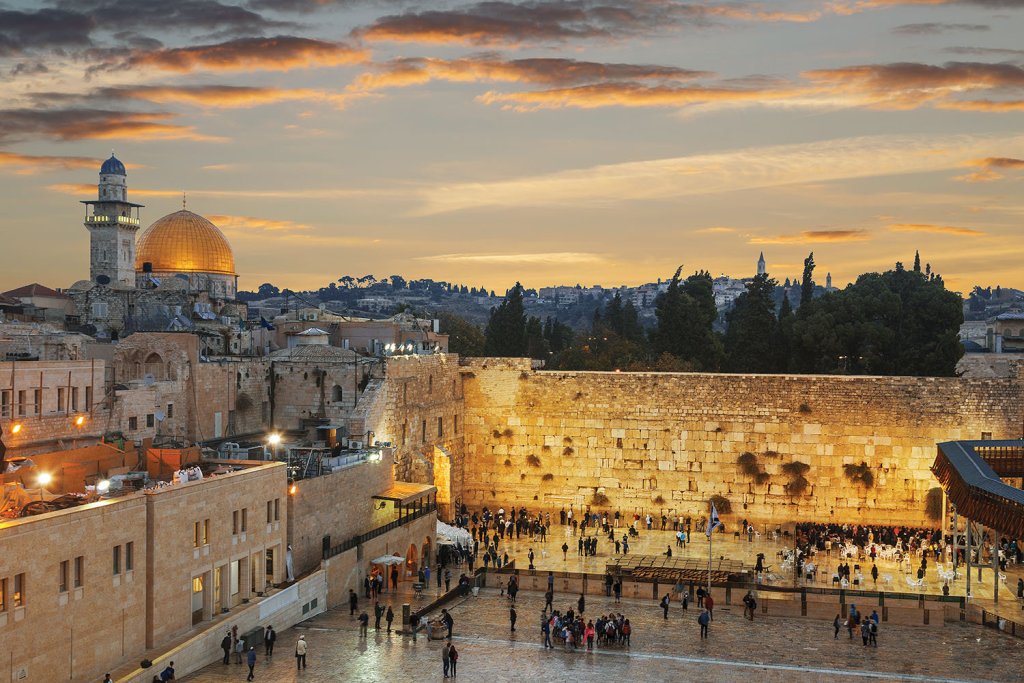


Leave a Reply