
Epigraph
الَّذِي خَلَقَ سَبْعَ سَمَاوَاتٍ طِبَاقًا ۖ مَّا تَرَىٰ فِي خَلْقِ الرَّحْمَٰنِ مِن تَفَاوُتٍ ۖ فَارْجِعِ الْبَصَرَ هَلْ تَرَىٰ مِن فُطُورٍ
ثُمَّ ارْجِعِ الْبَصَرَ كَرَّتَيْنِ يَنقَلِبْ إِلَيْكَ الْبَصَرُ خَاسِئًا وَهُوَ حَسِيرٌ
He is the Mighty, the Forgiving; Who created the seven heavens, one above the other. You will not see any flaw in what the Lord of Mercy creates. Look again! Can you see any flaws? Look again! And again! Your sight will turn back to you, weak and defeated. (Al Quran 67:3-4)
Written and collected by Zia H Shah MD, Chief Editor of the Muslim Times
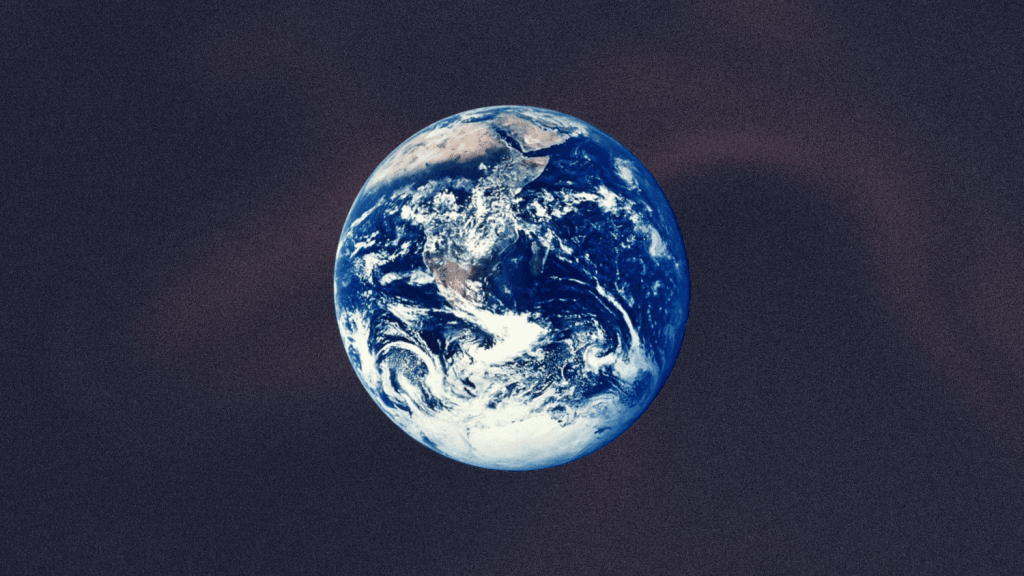
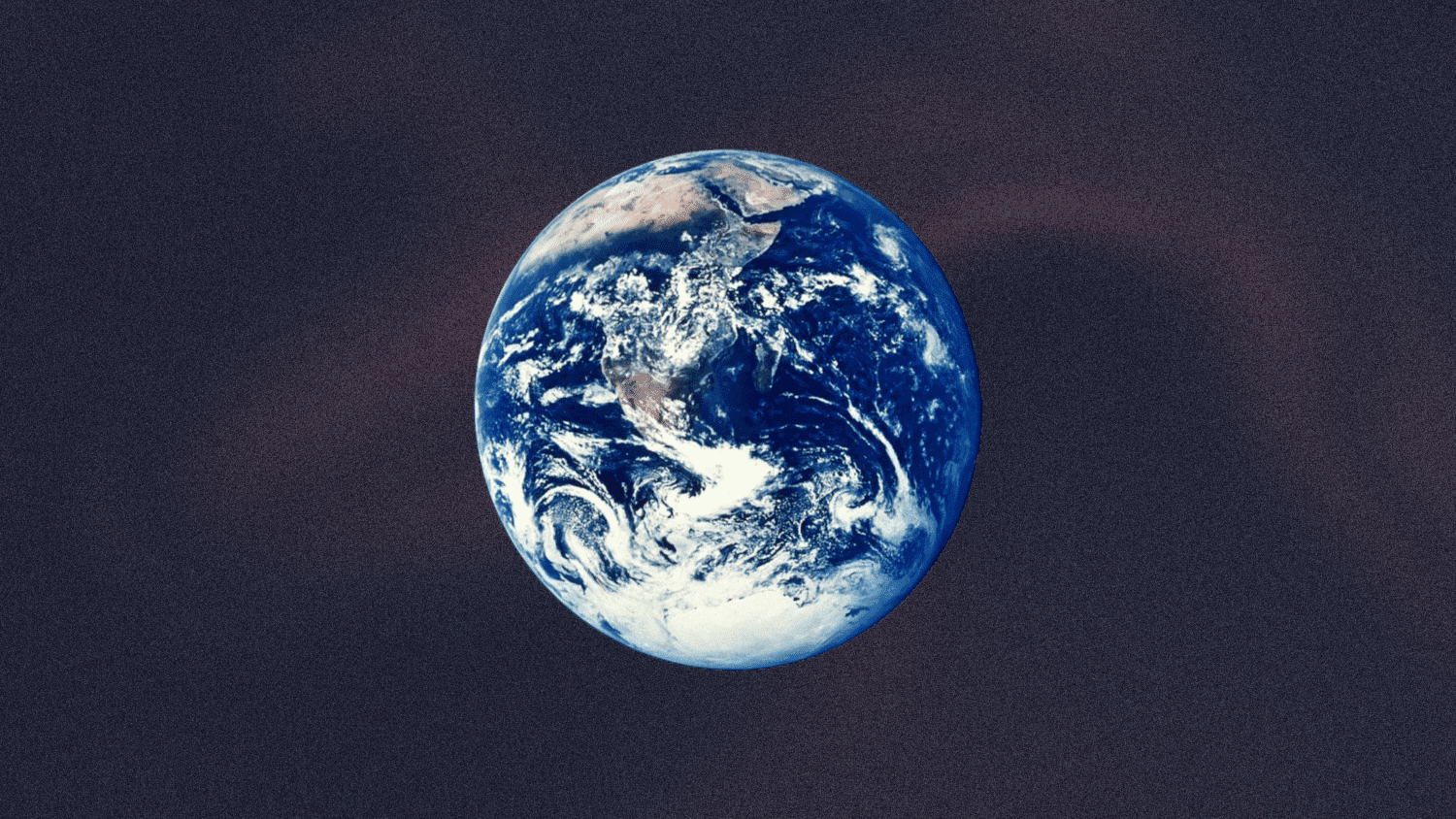
Earth, the “Blue Planet,” as seen from space. Over 70% of Earth’s surface is covered by water, and this water endows our planet with its unique life-supporting character. From the vast oceans that regulate climate to the tiny droplets that sustain cells, water’s extraordinary properties make it foundational to life and civilization. It is both a simple molecule and a miraculous substance, inspiring scientific wonder and philosophical reflection in equal measure.
Physics of Water
Water behaves in ways that defy what we might expect from such a common liquid. It exists naturally in all three states (solid, liquid, gas) under Earth conditions, and its physical properties are uniquely suited to making Earth livable. For example, water has a very high specific heat capacity, meaning it can absorb lots of heat before its temperature rises. This allows oceans to buffer climate extremes by slowly releasing heat, preventing rapid swings in temperature and helping keep Earth’s climate relatively stable. As a result, coastal areas have milder climates, and the planet as a whole benefits from water’s thermal regulation.
One of water’s most surprising traits is that it expands upon freezing. Unlike most substances, solid water (ice) is less dense than liquid water, so ice floats. This density anomaly, with water reaching its maximum density at about 4 °C, has profound importance for aquatic life. In winter, lakes and ponds form a layer of ice on the surface, which insulates the liquid water below and prevents the entire water body from freezing solid. The water just beneath the ice remains around 4 °C, allowing fish and other organisms to survive the cold season in this liquid refuge. If ice sank, aquatic ecosystems in cold climates would freeze from the bottom up and could be devastated each winter.
A view from beneath an ice sheet, illustrating how ice floats on water because solid water is less dense. Once a lake’s surface freezes, the ice insulates the water below, which remains at ~4 °C – warm enough for fish and other life to survive winter. This unique property of water’s density (being highest just above freezing) ensures that only a surface layer freezes, protecting the ecosystem underneath.
Another remarkable property is water’s high surface tension. Due to strong cohesion between water molecules (a result of hydrogen bonding), the surface of liquid water behaves like a stretched elastic membrane. Water has the highest surface tension of any common liquid except mercury. This is why rain drops form beads and why small insects can literally walk on water – the water’s surface is “sticky” and resistant enough to support them. For example, a steel paper clip can float on water, seemingly defying physics, because water’s surface tension holds it up. The “skin” of water created by surface tension is strong enough to allow pond skaters (water strider insects) to skip across ponds without sinking.
Water striders standing on a pond surface, supported by water’s high surface tension. The dimples under their feet show how the water’s “skin” is depressed but not broken. This phenomenon is caused by water molecules pulling strongly on each other at the surface, a result of cohesive hydrogen bonding. Surface tension allows these insects – and even carefully placed needles or paperclips – to literally float on water.
Water is also the driver of Earth’s weather and water cycle. Through evaporation, water absorbs heat and rises into the atmosphere; it then cools and falls as precipitation, transferring heat and moisture around the globe. In its three phases, water ties together air, clouds, ocean, land, and life – the major components of the climate system. The continuous circulation of water (the water cycle) regulates weather patterns by redistributing energy and water, bringing life-giving rain to ecosystems. Water in the atmosphere forms clouds that can reflect sunlight and moderate Earth’s energy balance. When water returns as rain or snow, it shapes the planet’s surface. Over millennia, flowing water carves valleys and canyons, and rain erodes rocks and soil, gradually sculpting landscapes. Even areas not directly touched by rivers are weathered by rainfall and snowmelt, with the runoff carrying away sediment to streams and eventually the sea. In short, water is a powerful architect of our planet’s geology and a regulator of its climate.
Chemistry of Water
On the molecular level, water’s behavior is just as wondrous. A water molecule (H₂O) has two hydrogen atoms bonded to one oxygen atom in a bent shape (~104.5° bond angle). This asymmetrical shape, combined with oxygen’s strong pull on electrons, makes water a polar molecule – one end (oxygen) carries a slight negative charge, while the hydrogen end is slightly positive. This polarity is the key to water’s chemical magic. Adjacent water molecules attract each other like tiny magnets: the positive side of one is drawn to the negative side of another. These attractions are called hydrogen bonds, and although they are weak individually, collectively they give water remarkable cohesion and stability. Hydrogen bonding is the reason water remains liquid over a wide temperature range, has a high boiling point for such a small molecule, and expands when frozen (the bonds arrange water molecules into an open hexagonal lattice in ice). In fact, many of water’s “odd” properties – like high heat capacity and the density anomaly – stem directly from its hydrogen bonds.
A 3D representation of hydrogen bonding between water molecules. Each H₂O molecule is polar, with oxygen (red) slightly negative (δ–) and hydrogen (white) slightly positive (δ+). This causes hydrogen bonds (dashed blue lines) to form between the oxygen of one molecule and the hydrogen of another. These bonds are the source of water’s extraordinary cohesion and many of its unusual properties.
Water’s polarity also makes it the universal solvent. It can dissolve more substances than any other liquid. When you stir salt into water, for example, the polar water molecules surround the positive sodium and negative chloride ions, pulling the salt crystal apart and carrying ions away in solution. In general, water’s charged sides are attracted to other charged or polar molecules, whether it’s sugar, salt, or proteins, allowing those substances to mix and react. This solvent ability is enormously important in nature – wherever water flows, it transports nutrients, minerals, and chemicals vital for life. Inside our bodies, water dissolves electrolytes and organic molecules so they can collide and undergo biochemical reactions. Our blood (90% water) carries oxygen, salts, and nutrients to cells; our cells’ cytoplasm is a watery broth where metabolism happens. In short, water is the medium in which the chemistry of life unfolds. Nearly all biochemistry, from DNA replication to energy production, relies on reactions in aqueous solution or the participation of water (as in hydrolysis reactions where water splits other molecules). It’s often said that life is water-based for this reason – without water as a solvent, the complex chemistry of life likely could not function.
Water continues to show curious behavior under extreme conditions. We experience it as liquid, solid, or gas in everyday life, but water can exist in unusual states. Supercooled water is liquid water cooled below its normal freezing point (0 °C) without solidifying. In very pure or undisturbed conditions, water can remain liquid well below freezing – even down to -40 °C – until a disturbance or seed crystal triggers it to freeze instantly. This phenomenon can be observed in clouds, where tiny droplets stay liquid in sub-freezing air and then suddenly crystallize into ice when they contact particles, leading to precipitation. In another extreme, consider water in the vacuum of outer space. Without air pressure, liquid water exposed to space will boil away violently – it vaporizes almost immediately as the boiling point drops far below ambient temperature. The vapor may then freeze into tiny ice crystals. In fact, astronauts on spacewalks must contend with this: any free water will simultaneously boil and freeze, as seen when waste water or urine is dumped overboard (it flashes into vapor and then crystallizes into ice dust). Meanwhile, in the microgravity environment of orbit, water behaves oddly as well. Absent gravity, surface tension dominates, so floating droplets of water form perfect spheres. Astronauts on the International Space Station play with weightless water blobs that wobble like jelly, and air bubbles don’t rise within them. These examples show how water, so familiar on Earth, can act very differently under other physical conditions – boiling into gas or floating as bizarre spherical globules – yet still it remains H₂O, obeying the same fundamental chemical rules.
Biology of Water
If chemistry explains how water works, biology illustrates what water does for life. Quite simply, water is indispensable for life as we know it. Every organism we know of is largely made of water and depends on it for core functions. Human beings, for instance, are about 60% water by weight (our brains and hearts are roughly three-quarters water). Water is the main ingredient inside our cells, forming the solution in which biochemistry occurs. It provides the environment for proteins to fold, enzymes to catalyze reactions, and nutrients to be transported. In fact, “just about all life processes depend on water” – without water, cells cannot remain alive and functional. This is why losing too much body water (dehydration) is life-threatening after only a few days. Water maintains blood volume and pressure, regulates body temperature through sweating, and allows kidneys to remove wastes (our metabolism produces toxic byproducts that are disposed of in urine, which is mostly water). From the tiniest bacterium to the tallest tree, water is the fluid that washes through living systems, sustaining them.
Water has also profoundly shaped biological evolution and ecosystems. Life on Earth is thought to have arisen in the primordial oceans billions of years ago – a soup of organic molecules in water from which the first cells emerged. (As one ancient philosopher simply declared: “Life originated in water,” a notion modern science affirms) Marine environments provided stable conditions for early life, and even today, every organism carries echoes of that ocean in the salt water balance of its cells. Over evolutionary time, adaptations have been driven by water availability. Fish evolved gills to use dissolved oxygen in water, while early land plants developed roots and vascular systems to pull water from soil. Some amphibians returned to water to reproduce, highlighting water’s role as a cradle for development. On a larger scale, the presence or absence of water defines entire ecosystems: lush rainforests flourish where water is abundant, whereas deserts support only specially adapted life where water is scarce. Regions with reliable rainfall develop rich biodiversity, while drought leads to hardship or migration. Water bodies like rivers and wetlands serve as hotspots of life, nurturing countless species. And in oceans, water’s movements (currents, upwelling) distribute nutrients that feed plankton blooms, ultimately supporting the planet’s largest animals (like whales). In essence, water’s distribution on Earth dictates where and how life can thrive. Ecosystems revolve around the water cycle – plants draw it from soil, animals drink it or absorb it from food, and all eventually return it via respiration, perspiration, or decay, completing the grand circuit.
For human civilization, water is nothing short of vital. Freshwater resources (rivers, lakes, groundwater) have allowed societies to grow food and prosper. Agriculture, the backbone of civilization, is utterly dependent on water for irrigation. Around 70% of global freshwater withdrawals are used for agriculture – to irrigate fields of wheat, rice paddies, cornfields, and more. Without sufficient water, crops wither and food production collapses, which is why droughts have often precipitated famine and conflict. Beyond farming, we rely on water for drinking, sanitation, and industry. Clean water access is a fundamental determinant of public health; contaminated water leads to disease, while adequate supply allows communities to thrive. The average person needs several liters of water per day for drinking and much more for hygiene and food production. Not surprisingly, great cities and civilizations have historically sprung up near water sources (the Nile, Ganges, Tigris-Euphrates, etc.), and control of water remains a critical issue today. In the human body, water carries nutrients in the blood, enables digestion, cushions organs, and even lubricates our joints. It is no wonder that medical experts urge us to stay hydrated – every cell in our body works in a water medium, and even slight dehydration can impair physical and cognitive performance. In short, water is life’s prerequisite at every level: cellular, ecological, and societal.
Water in the Quran
Water is mentioned in the Quran in many contexts, highlighting creation, purification, sustenance, and rich symbolism. Below is a comprehensive collection of Quranic verses that mention water, organized by theme. (All English translations are by M.A.S. Abdel Haleem, with the original Arabic provided for each verse.)
Creation and Origin of Life
Quran 21:30 – Arabic: أَوَلَمۡ يَرَ ٱلَّذِينَ كَفَرُوٓاْ أَنَّ ٱلسَّمَـٰوَٟتِ وَٱلۡأَرۡضَ كَانَتَا رَتۡقًا فَفَتَقۡنَٰهُمَاۖ وَجَعَلۡنَا مِنَ ٱلْمَآءِ كُلَّ شَيۡءٍ حَيٍّۚ أَفَلَا يُؤۡمِنُونَ
Translation: “Are the disbelievers not aware that the heavens and the earth used to be joined together and that We ripped them apart; that We made every living thing from water? Will they not believe?”
Quran 24:45 – Arabic: وَٱللَّهُ خَلَقَ كُلَّ دَآبَّةٍ مِّن مَّآءٖ ۖ فَمِنۡهُم مَّن يَمۡشِي عَلَىٰ بَطۡنِهِۦ وَمِنۡهُم مَّن يَمۡشِي عَلَىٰ رِجۡلَيۡنِ وَمِنۡهُم مَّن يَمۡشِي عَلَىٰٓ أَرۡبَعٖ ۚ يَخۡلُقُ ٱللَّهُ مَا يَشَآءُ ۚ إِنَّ ٱللَّهَ عَلَىٰ كُلِّ شَيۡءٖ قَدِيرٞ
Translation: “God created each animal out of [its own] fluid: some of them crawl on their bellies, some walk on two legs, and some on four. God creates whatever He will; God has power over everything.”
Quran 25:54 – Arabic: وَهُوَ ٱلَّذِي خَلَقَ مِنَ ٱلۡمَآءِ بَشَرًا فَجَعَلَهُۥ نَسَبًا وَصِهۡرًاۚ وَكَانَ رَبُّكَ قَدِيرٗا
Translation: “It is He who creates human beings from [a drop of] fluid, then makes them kin by blood and marriage: your Lord is all powerful.”
Quran 11:7 – Arabic: وَهُوَ ٱلَّذِي خَلَقَ ٱلسَّمَـٰوَٟتِ وَٱلۡأَرۡضَ فِي سِتَّةِ أَيَّامٖ وَكَانَ عَرۡشُهُۥ عَلَى ٱلۡمَآءِ لِيَبۡلُوَكُمۡ أَيُّكُمۡ أَحۡسَنُ عَمَلًاۗ وَلَئِن قُلۡتَ إِنَّكُم مَّبۡعُوثُونَ مِنۢ بَعۡدِ ٱلۡمَوۡتِ لَيَقُولَنَّ ٱلَّذِينَ كَفَرُوٓاْ إِنۡ هَٰذَآ إِلَّا سِحۡرٞ مُّبِينٞ
Translation: “It is He who created the heavens and the earth in six Days ––His Throne was upon the waters [before creation]–– so as to test which of you does best. Yet [Prophet], if you say to them, ‘You will be resurrected after death,’ the disbelievers are sure to answer, ‘This is clearly nothing but sorcery.’”
Quran 32:7–8 – Arabic: ٱلَّذِيٓ أَحۡسَنَ كُلَّ شَيۡءٍ خَلَقَهُۥ وَبَدَأَ خَلۡقَ ٱلۡإِنسَـٰنِ مِن طِينٖ ثُمَّ جَعَلَ نَسۡلَهُۥ مِن سُلَـٰلَةٖ مِّن مَّآءٖ مَّهِينٖ
Translation: “… who gave everything He created the best form. He began the creation of man from clay, then made his descendants from an extract of underrated fluid.”
(Also see 77:20 and 86:6, which describe humans being created from a humble/fluid drop of water (semen).)
Purification and Cleansing
Quran 8:11 – Arabic: إِذۡ يُغَشِّيكُمُ ٱلنُّعَاسَ أَمَنَةٗ مِّنۡهُ وَيُنَزِّلُ عَلَيۡكُم مِّنَ ٱلسَّمَآءِ مَآءٗ لِّيُطَهِّرَكُم بِهِۦ وَيُذۡهِبَ عَنكُمۡ رِجۡزَ ٱلشَّيۡطَـٰنِ وَلِيَرۡبِطَ عَلَىٰ قُلُوبِكُمۡ وَيُثَبِّتَ بِهِ ٱلۡأَقۡدَامَ
Translation: “He made drowsiness overcome you as an assurance from Him, and sent down water from the sky to cleanse you and remove Satan’s impurity from you, to strengthen your hearts and make your feet firm.”
Quran 4:43 – Arabic: …وَإِن كُنتُم مَّرۡضَىٰٓ أَوۡ عَلَىٰ سَفَرٍ أَوۡ جَآءَ أَحَدٞ مِّنكُم مِّنَ ٱلۡغَآئِطِ أَوۡ لَـٰمَسۡتُمُ ٱلنِّسَآءَ فَلَمۡ تَجِدُواْ مَآءٗ فَتَيَمَّمُواْ صَعِيدٗا طَيِّبٗا فَٱمۡسَحُواْ بِوُجُوهِكُمۡ وَأَيۡدِيكُم… (excerpt)
Translation: “…If you are ill, on a journey, have relieved yourselves, or had intercourse and cannot find water, then find clean earth and wipe your faces and hands with it. God does not wish to place any burden on you; He only wishes to cleanse you and perfect His blessing upon you…” (This verse establishes that water is the default for purification, and dry ablution is only a substitute when water is unavailable.)
Quran 5:6 – Arabic: يَـٰٓأَيُّهَا ٱلَّذِينَ ءَامَنُوٓاْ إِذَا قُمۡتُمۡ إِلَى ٱلصَّلَوٰةِ فَٱغۡسِلُواْ وُجُوهَكُمۡ وَأَيۡدِيَكُمۡ إِلَى ٱلۡمَرَافِقِ… وَإِن كُنتُمۡ جُنُبٗا فَٱطَّهَّرُواْۚ وَإِن كُنتُم مَّرۡضَىٰٓ أَوۡ عَلَىٰ سَفَرٍ… فَلَمۡ تَجِدُواْ مَآءٗ فَتَيَمَّمُواْ صَعِيدٗا طَيِّبٗا… (excerpt)
Translation: “Believers, when you prepare for prayer, wash your faces and your hands up to the elbows… If you are in a state of full impurity, cleanse yourselves. If you cannot find water, then perform dry ablution with clean earth, wiping your faces and hands. God does not wish to make things difficult, but to purify you and complete His favor upon you, so that you may be thankful.”
Quran 25:48 – Arabic: وَهُوَ ٱلَّذِيٓ أَرۡسَلَ ٱلرِّيَـٰحَ بُشۡرَۢا بَيۡنَ يَدَيۡ رَحۡمَتِهِۦۖ وَأَنزَلۡنَا مِنَ ٱلسَّمَآءِ مَآءٗ طَهُورٗا
Translation: “He is the one who sends the winds as heralds of His mercy, and We send down pure water from the sky.” (This highlights rain as ṭahūrā, “purifying water,” a source of physical and spiritual cleansing.)
Sustenance and Life-Giving Rain
Quran 16:10–11 – Arabic: هُوَ ٱلَّذِيٓ أَنزَلَ مِنَ ٱلسَّمَآءِ مَآءٗ لَّكُم مِّنۡهُ شَرَابٞ وَمِنۡهُ شَجَرٞ فِيهِ تُسِيمُونَ يُنۢبِتُ لَكُم بِهِ ٱلزَّرۡعَ وَٱلزَّيۡتُونَ وَٱلنَّخِيلَ وَٱلۡأَعۡنَـٰبَ وَمِن كُلِّ ٱلثَّمَرَٰتِ…
Translation: “It is He who sends down water from the sky for you; from it comes your drink and the foliage for your livestock. With it He grows for you grains, olives, date palms, vines, and every kind of fruit. There truly is a sign in this for those who reflect.”
Quran 2:22 – Arabic: ٱلَّذِي جَعَلَ لَكُمُ ٱلۡأَرۡضَ فِرَٰشٗا وَٱلسَّمَآءَ بِنَآءٗ وَأَنزَلَ مِنَ ٱلسَّمَآءِ مَآءٗ فَأَخۡرَجَ بِهِۦ مِنَ ٱلثَّمَرَٰتِ رِزۡقٗا لَّكُمۡ…
Translation: “He is the one who made the earth a resting place for you and the sky a canopy; He sent water down from the sky and with it brought forth fruits for your provision. So do not knowingly set up rivals to God.”
Quran 14:32 – Arabic: ٱللَّهُ ٱلَّذِي خَلَقَ ٱلسَّمَـٰوَٟتِ وَٱلۡأَرۡضَ وَأَنزَلَ مِنَ ٱلسَّمَآءِ مَآءٗ فَأَخۡرَجَ بِهِۦ مِنَ ٱلثَّمَرَٰتِ رِزۡقٗا لَّكُمۡ…
Translation: “It is God who created the heavens and earth, who sent down water from the sky and with it brought forth produce as a provision for you…”
Quran 6:99 – Arabic: وَهُوَ ٱلَّذِيٓ أَنزَلَ مِنَ ٱلسَّمَآءِ مَآءٗ فَأَخۡرَجۡنَا بِهِۦ نَبَاتَ كُلِّ شَيۡءٖ فَأَخۡرَجۡنَا مِنۡهُ خَضِرٗا نُّخۡرِجُ مِنۡهُ حَبّٗا مُّتَرَاكِبٗا… (continues)
Translation: “It is He who sends down water from the sky. With it We bring forth vegetation of all kinds; from it we bring out green shoots, and from them we bring out grain, layer upon layer… (and various crops and fruits).”
Quran 22:63 – Arabic: أَلَمۡ تَرَ أَنَّ ٱللَّهَ أَنزَلَ مِنَ ٱلسَّمَآءِ مَآءٗ فَتُصۡبِحُ ٱلۡأَرۡضُ مُخۡضَرَّةًۚ إِنَّ ٱللَّهَ لَطِيفٌ خَبِيرٞ
Translation: “Do you not see that God sends down water from the sky and the earth becomes green? God is truly Most Subtle, All Aware.”
Quran 30:24 – Arabic: وَمِنۡ ءَايَـٰتِهِۦ يُرِيكُمُ ٱلۡبَرۡقَ خَوۡفٗا وَطَمَعٗا وَيُنَزِّلُ مِنَ ٱلسَّمَآءِ مَآءٗ فَيُحۡيِۦ بِهِ ٱلۡأَرۡضَ بَعۡدَ مَوۡتِهَآۚ إِنَّ فِي ذَٰلِكَ لَأَيَٰتٖ لِّقَوۡمٖ يَعۡقِلُونَ
Translation: “Among His signs is that He shows you lightning, filling you with both fear and hope; He sends down water from the sky to revive the earth after its death. There truly are signs in this for people who use their reason.”
Quran 35:27–28 – Arabic: أَلَمۡ تَرَ أَنَّ ٱللَّهَ أَنزَلَ مِنَ ٱلسَّمَآءِ مَآءٗ فَأَخۡرَجۡنَا بِهِۦ ثَمَرَٰتٖ مُّخۡتَلِفًا أَلۡوَٟنُهَاۚ… (continues)
Translation: “Do you not see that God sends water down from the sky and with it We bring forth fruits of different colors?… In the same way, human beings, beasts, and livestock have different colors. Of all God’s servants, only those with knowledge stand in true awe of Him.” (The rainfall producing various fruits is given as a sign of God’s provision and wisdom.)
Quran 39:21 – Arabic: أَلَمۡ تَرَ أَنَّ ٱللَّهَ أَنزَلَ مِنَ ٱلسَّمَآءِ مَآءٗ فَسَلَكَهُۥ يَنَـٰبِيعَ فِي ٱلۡأَرۡضِ ثُمَّ يُخۡرِجُ بِهِۦ زَرۡعٗا مُّخۡتَلِفًا أَلۡوَٟنُهُۥ ثُمَّ يَهِيجُ فَتَرَىٰهُ مُصۡفَرًّا ثُمَّ يَجۡعَلُهُۥ حُطَٰمًاۚ إِنَّ فِي ذَٰلِكَ لَذِكۡرَىٰ لِأُوْلِي ٱلۡأَلۡبَٰبِ
Translation: “Do you not see that God sends down water from the sky and leads it through the ground to form springs? Then He brings forth with it plants of various colors; then they wither, turn yellow, and He makes them dry and broken. There is truly a reminder in this for those with understanding.”
Quran 16:65 – Arabic: وَٱللَّهُ أَنزَلَ مِنَ ٱلسَّمَآءِ مَآءٗ فَأَحۡيَا بِهِ ٱلۡأَرۡضَ بَعۡدَ مَوۡتِهَآۚ إِنَّ فِي ذَٰلِكَ لَأَيَٰتٖ لِّقَوۡمٖ يَسۡمَعُونَ
Translation: “It is God who sends down water from the sky, and with it revives the earth after its death. There truly is a sign in this for people who listen.”
Quran 41:39 – Arabic: وَمِنۡ ءَايَـٰتِهِۦٓ أَنَّكَ تَرَى ٱلۡأَرۡضَ خَٰشِعَةٗ فَإِذَآ أَنزَلۡنَا عَلَيۡهَا ٱلۡمَآءَ ٱهۡتَزَّتۡ وَرَبَتۡۚ إِنَّ ٱلَّذِيٓ أَحۡيَاهَا لَمُحۡيِ ٱلۡمَوۡتَىٰٓۚ إِنَّهُۥ عَلَىٰ كُلِّ شَيۡءٖ قَدِيرٌ
Translation: “Another of His signs is that you see the earth dry and barren; but when We send water down upon it, it stirs and swells with life. He who gives life to the earth can surely give life to the dead. He has power over everything.”
Quran 43:11 – Arabic: وَٱلَّذِي نَزَّلَ مِنَ ٱلسَّمَآءِ مَآءَۢ بِقَدَرٖ فَأَنشَرۡنَا بِهِۦ بَلۡدَةٗ مَّيۡتًاۚ كَذَٰلِكَ تُخۡرَجُونَ
Translation: “It is He who sends down water from the sky in due measure – We revive dead lands with it, and similarly you will be brought forth (from the grave).”
Quran 50:9–11 – Arabic: وَنَزَّلۡنَا مِنَ ٱلسَّمَآءِ مَآءٗ مُّبَٰرَكٗا فَأَنۢبَتۡنَا بِهِۦ جَنَّـٰتٖ وَحَبَّ ٱلۡحَصِيدِ وَٱلنَّخۡلَ بَاسِقَٰتٖ لَّهَا طَلۡعٞ نَّضِيدٞ رِّزۡقٗا لِّلۡعِبَادِ…
Translation: “We sent down blessed water from the sky with which We grew gardens, grain to harvest, and tall palm-trees laden with clusters of dates, as a provision for everyone. This is how We bring dead land to life – thus will be the resurrection (of the dead).”
Quran 67:30 – Arabic: قُلۡ أَرَءَيۡتُمۡ إِنۡ أَصۡبَحَ مَآؤُكُمۡ غَوۡرٗا فَمَن يَأۡتِيكُم بِمَآءٖ مَّعِينٖ
Translation: “Say (to the disbelievers), ‘Just think: if all your water were to sink deep into the earth, who could give you flowing water in its place?’” (A reminder that only God provides this essential sustenance.)
(Many other verses echo this theme of water as sustenance, such as 31:10, 36:34, 45:5, 71:11, 78:14–16, etc., describing how rainwater brings forth provisions and lush growth by God’s mercy.)
Symbolism and Parables Involving Water
Quran 10:24 – Arabic: إِنَّمَا مَثَلُ ٱلۡحَيَوٰةِ ٱلدُّنۡيَا كَمَآءٍ أَنزَلۡنَٰهُ مِنَ ٱلسَّمَآءِ فَٱخۡتَلَطَ بِهِۦ نَبَاتُ ٱلۡأَرۡضِ… ثُمَّ يَجِفُّ فَتَرَىٰهُ مُصۡفَرًّا ثُمَّ يَكُونُ حُطَٰمٗا…
Translation: “The present world is like the water We send down from the sky: the earth’s vegetation absorbs it, luxuriantly, but soon the plants turn dry and wither, and the wind scatters them. It is God who has power over everything.” (Worldly life is compared to rain that produces lush growth which quickly fades, teaching the temporary nature of worldly pleasures.)
Quran 18:45 – Arabic: وَٱضۡرِبۡ لَهُم مَّثَلَ ٱلۡحَيَوٰةِ ٱلدُّنۡيَا كَمَآءٍ أَنزَلۡنَٰهُ مِنَ ٱلسَّمَآءِ فَٱخۡتَلَطَ بِهِۦ نَبَاتُ ٱلۡأَرۡضِ فَأَصۡبَحَ هَشِيمٗا تَذۡرُوهُ ٱلرِّيَـٰحُۗ وَكَانَ ٱللَّهُ عَلَىٰ كُلِّ شَيۡءٖ مُّقۡتَدِرًا
Translation: “Give them an example of the life of this world: it is like the water We send down from the sky, the vegetation of the earth absorbs it, but soon it becomes dry stubble that the winds scatter. God has power over everything.” (A similar parable underscoring how quickly worldly beauty can vanish, just as plants flourish after rain and then crumble.)
Quran 13:17 – Arabic: أَنزَلَ مِنَ ٱلسَّمَآءِ مَآءٗ فَسَالَتۡ أَوۡدِيَةُۢ بِقَدَرِهَا فَٱحۡتَمَلَ ٱلسَّيۡلُ زَبَدٗا رَّابِيٗا… كَذَٰلِكَ يَضۡرِبُ ٱللَّهُ ٱلۡحَقَّ وَٱلۡبَـٰطِلَۚ فَأَمَّا ٱلزَّبَدُ فَيَذۡهَبُ جُفَآءٗ وَأَمَّا مَا يَنفَعُ ٱلنَّاسَ فَيَمۡكُثُ فِي ٱلۡأَرۡضِ…
Translation: “He sends down water from the sky and each valley flows according to its measure. The torrent carries along a rising foam, like the scum which appears from smelting ore for jewelry or tools. In this way God illustrates truth and falsehood: the froth is cast away, but what is beneficial to people remains behind on the earth. This is how God makes illustrations.” (Truth is likened to pure water that remains, while falsehood is like useless foam on the surface, quickly disappearing.)
Quran 24:39 – Arabic: وَٱلَّذِينَ كَفَرُوٓاْ أَعۡمَٟلُهُمۡ كَسَرَابِۢ بِقِيعَةٖ يَحۡسَبُهُ ٱلظَّمۡـَٔانُ مَآءً حَتَّىٰٓ إِذَا جَآءَهُ لَمۡ يَجِدۡهُ شَيۡـٔٗا…
Translation: “But the deeds of those who reject God are like a mirage in a desert. The thirsty person thinks it to be water, but when he comes near he finds it to be nothing at all. (He finds God there instead, who will pay him his account in full.)” (Disbelievers’ illusory deeds are compared to a mirage of water – seemingly real from afar, but nonexistent when approached.)
Quran 13:14 – Arabic: لَهُۥ دَعۡوَةُ ٱلۡحَقِّۖ وَٱلَّذِينَ يَدۡعُونَ مِن دُونِهِۦ لَا يَسۡتَجِيبُونَ لَهُم بِشَيۡءٍ إِلَّا كَبَـٰسِطِ كَفَّيۡهِ إِلَى ٱلۡمَآءِ لِيَبۡلُغَ فَاهُۖ وَمَا هُوَ بِبَٰلِغِهِۦ…
Translation: “True prayer is to God alone. Those they pray to besides Him never respond. Calling them is like someone stretching out his hands towards water, (asking) it to reach his mouth, but it cannot do so. The prayers of the disbelievers are all in vain.” (It uses an impossible act – trying to bring water to one’s mouth by a mere gesture – to illustrate the futility of idol-worshippers’ prayers.)
Punishment and Destruction Involving Water
Quran 7:50 – Arabic: وَنَادَىٰٓ أَصۡحَـٰبُ ٱلنَّارِ أَصۡحَـٰبَ ٱلۡجَنَّةِ أَنۡ أَفِيضُواْ عَلَيۡنَا مِنَ ٱلۡمَآءِ أَوۡ مِمَّا رَزَقَكُمُ ٱللَّهُۖ قَالُواْ إِنَّ ٱللَّهَ حَرَّمَهُمَا عَلَى ٱلۡكَـٰفِرِينَ
Translation: “The companions of the Fire will call out to the companions of Paradise, ‘Pour upon us some water, or some of what God has provided for you!’ They will reply, ‘God has forbidden both to the disbelievers.’” (The people of Hell beg for water, indicating their intense thirst and the deprivation as punishment.)
Quran 18:29 – Arabic: وَقُلِ ٱلۡحَقُّ مِن رَّبِّكُمۡۖ فَمَن شَآءَ فَلۡيُؤۡمِنۡ وَمَن شَآءَ فَلۡيَكۡفُرۡۚ إِنَّآ أَعۡتَدۡنَا لِلظَّـٰلِمِينَ نَارًا أَحَاطَ بِهِمۡ سُرَادِقُهَاۚ وَإِن يَسۡتَغِيثُواْ يُغَاثُواْ بِمَآءٖ كَٟلۡمُهۡلِ يَشۡوِي ٱلۡوُجُوهَۚ بِئۡسَ ٱلشَّرَابُ وَسَآءَتۡ مُرۡتَفَقًا
Translation: “Say, ‘The truth is from your Lord’: let whoever wishes to believe, do so, and let whoever wishes to disbelieve, do so. We have prepared a Fire for the wrongdoers that will envelop them from all sides. If they call for relief, they will be relieved with water like molten metal that scalds the face. What a terrible drink, and what a miserable resting place!”
Quran 22:19–21 – Arabic: هَـٰذَانِ خَصۡمَانِ ٱخۡتَصَمُواْ فِي رَبِّهِمۡۖ فَٱلَّذِينَ كَفَرُواْ قُطِّعَتۡ لَهُمۡ ثِيَابٞ مِّن نَّارٖ يُصَبُّ مِن فَوۡقِ رُءُوسِهِمُ ٱلۡحَمِيمُ يُصۡهَرُ بِهِۦ مَا فِي بُطُونِهِمۡ وَٱلجُلُودُ وَلَهُم مَّقَٰمِعُ مِنۡ حَدِيدٖ
Translation: “These two groups (believers and disbelievers) dispute about their Lord. As for those who deny the truth, garments of Fire will be cut out for them, and boiling water will be poured over their heads, melting whatever is in their bellies as well as their skins. There are iron clubs to punish them.”
Quran 37:67 – Arabic: ثُمَّ إِنَّ لَهُمۡ عَلَيۡهَا لَشَوۡبٗا مِّنۡ حَمِيمٖ
Translation: “Then on top of that they will be given a concoction of boiling water to drink.” (After eating the bitter fruit of the tree of Zaqqūm in Hell, the damned are forced to drink scalding water.)
Quran 40:72 – Arabic: فِي ٱلۡحَمِيمِ ثُمَّ فِي ٱلنَّارِ يُسۡجَرُونَ
Translation: “in scalding water, then they will be burned in the Fire.” (A brief verse describing how the unbelievers will be plunged in boiling water and then thrown into the Fire.)
Quran 47:15 (Hell excerpt) – Arabic: …وَسُقُواْ مَآءً حَمِيمٗا فَقَطَّعَ أَمۡعَآءَهُمۡ
Translation: “…(In Hell) they will be given a drink of boiling water that will tear their bowels apart.”
Quran 55:43–44 – Arabic: هَٰذِهِۦ جَهَنَّمُ ٱلَّتِي يُكَذِّبُ بِهَا ٱلۡمُجۡرِمُونَ يَطُوفُونَ بَيۡنَهَا وَبَيۡنَ حَمِيمٍ ءَانٖ
Translation: “This is Hell, which the guilty deny. They will circulate between it and a seething, boiling water.” (The damned alternate between the flames of Hell and being forced to drink or immersed in boiling water.)
Quran 56:52–54 – Arabic: ثُمَّ إِنَّكُمۡ أَيُّهَا ٱلضَّآلُّونَ ٱلۡمُكَذِّبُونَ لَأٓكِلُونَ مِن شَجَرٖ مِّن زَقُّومٖ فَمَالِـُٔونَ مِنۡهَا ٱلۡبُطُونَ فَشَٰرِبُونَ عَلَيۡهِ مِنَ ٱلۡحَمِيمِ فَشَٰرِبُونَ شُرۡبَ ٱلۡهِيمِ
Translation: “Then indeed, you who have gone astray and called the truth a lie will eat from the tree of Zaqqūm and fill your bellies with it. You will drink boiling water on top of it, drinking like thirsty camels.”
Quran 78:24–25 – Arabic: لَّا يَذُوقُونَ فِيهَا بَرۡدٗا وَلَا شَرَابًا إِلَّا حَمِيمٗا وَغَسَّاقٗا
Translation: “There, (in Hell) they will taste no coolness nor any drink except boiling water and (the foul discharge) a fluid of pus.”
(The Qur’an also recounts how water was used to destroy past unbelievers: e.g. the Great Flood in Noah’s time. “The waters rose high, carrying the Ark…” (54:12); “It was said, ‘Earth, swallow up your water! Sky, hold back!’ The water subsided…” (11:44) — God’s command caused the floodwaters to recede. In Quran 11:43–44, Noah’s own son is engulfed by the flood: “The waves came between them and he was among the drowned”, showing that even water, normally a mercy, became a means of divine punishment for the wicked.)
Blessings of Water in Paradise
The Quran often describes the eternal gardens of Paradise as lush with flowing water, in contrast to the deprivation of Hell. For example:
Quran 47:15 (Paradise excerpt) – Arabic: مَّثَلُ ٱلۡجَنَّةِ ٱلَّتِي وُعِدَ ٱلۡمُتَّقُونَۖ فِيهَآ أَنۡهَـٰرٞ مِّن مَّآءٍ غَيۡرِ ءَاسِنٖ وَأَنۡهَـٰرٞ مِّن لَّبَنٖ لَّمۡ يَتَغَيَّرۡ طَعۡمُهُۥ وَأَنۡهَـٰرٞ مِّنۡ خَمۡرٖ لَّذَّةٖ لِّلشَّـٰرِبِينَ وَأَنۡهَـٰرٞ مِّن عَسَلٖ مُّصَفّٖى…
Translation: “Here is a picture of the Garden promised to the righteous: streams of water forever pure, streams of milk forever fresh, streams of wine—a delight for those who drink—and streams of clear honey. In it they will find fruit of every kind, and forgiveness from their Lord…”
Quran 55:50 – Arabic: فِيهِمَا عَيۡنَانِ تَجۡرِيَانِ
Translation: “In them (each of the two Gardens of Paradise) there are two flowing springs.”
Quran 55:66 – Arabic: فِيهِمَا عَيۡنَانِ نَضَّاخَتَانِ
Translation: “In them (the next two Gardens) there are two gushing springs.”
(In Paradise, the faithful will enjoy “rivers of water” that never spoil, among other delightful rivers and fountains. By contrast, those in Hell are barred even a drop of water. Thus, water in the Quran is not only a physical blessing in this world but also a symbol of God’s mercy in the hereafter.)
Philosophical Reflections on Water
Beyond its scientific descriptions, water has long been a source of philosophical and spiritual meaning. Ancient cultures revered water as sacred – a symbol of purity, fertility, and transformation. In modern times, philosophers and thinkers continue to ponder water’s role not just in sustaining life, but in shaping our consciousness and values. One line of thought considers that since water is essential for life and perhaps for consciousness (since our brains are mostly water), it occupies a central place in our understanding of ourselves. The mere act of observing the rhythmic flow of a river or the still surface of a lake can evoke a meditative state. In fact, contemporary research (the “Blue Mind” concept) suggests that being near water has a calming, mildly meditative effect on our brains, improving mental health and creativity. We intuitively sense something profound in water’s presence – its clarity can symbolize transparency of mind; its depth, the subconscious; its flow, the passage of time and the inevitability of change.
Water also features prominently in ethical and environmental philosophy. As awareness grows that fresh water is a finite and precious resource, many argue that access to clean water is a basic human right and that water should be protected from pollution and overuse. “Water is life” has become a rallying cry for environmental justice movements, emphasizing that to respect water is to respect the community of life itself. Philosophically, water often serves as a symbol of the commons – a resource that belongs to everyone and demands collective stewardship. In environmental ethics, some scholars propose a “water ethic” parallel to land ethics, which calls for reverence and responsible management of watersheds, rivers, and aquifers for the good of current and future generations. Indigenous traditions around the world have long considered water as sacred and alive, deserving of rights or personhood status. These perspectives challenge us to move beyond viewing water as merely a commodity, and instead as a partner in the web of life – one with intrinsic value.
Finally, the human relationship with water in the age of climate change is prompting deep reflection. Climate change is primarily playing out through changes in water: shifting precipitation, worsening droughts and floods, melting ice caps, rising seas. Humanity is being confronted with water’s power and vulnerability. Extreme weather events — intense storms, prolonged drought — are making water more unpredictable and scarce in many regions. This instability forces us to rethink how we value and manage water. In some areas, people face the paradox of either too much water (catastrophic floods) or too little (water shortages) as the climate shifts. Philosophically, this is a call to humility and adaptation: our species must acknowledge that we do not control the water cycle, we are part of it. The ethics of water in this era involves questions of fairness (who gets water during shortages?), sustainability (how do we preserve rivers and glaciers?), and responsibility (how do we reduce our impact on the climate that is disrupting the water cycle?). Water in the age of climate change has become a mirror for humanity’s relationship with nature – reflecting whether we will act as caring stewards or continue on an unsustainable path.
In conclusion, water’s miracles manifest in many dimensions. Scientifically, it is a molecule with uncanny properties that make our world temperate and green. Biologically, it is the solvent of life, the fluid of our bodies and ecosystems. Philosophically, it is a symbol and teacher – of clarity, connectivity, and the flow of existence. Our awe for water is well-founded: from the dew on a morning leaf to the immensity of the ocean, water is a source of life and a source of wisdom. Ensuring we honor and safeguard this “miraculous” substance may be one of the greatest tests of our wisdom in years to come.




Leave a Reply