
Presented by ChatGPT for Zia H Shah MD
Abstract
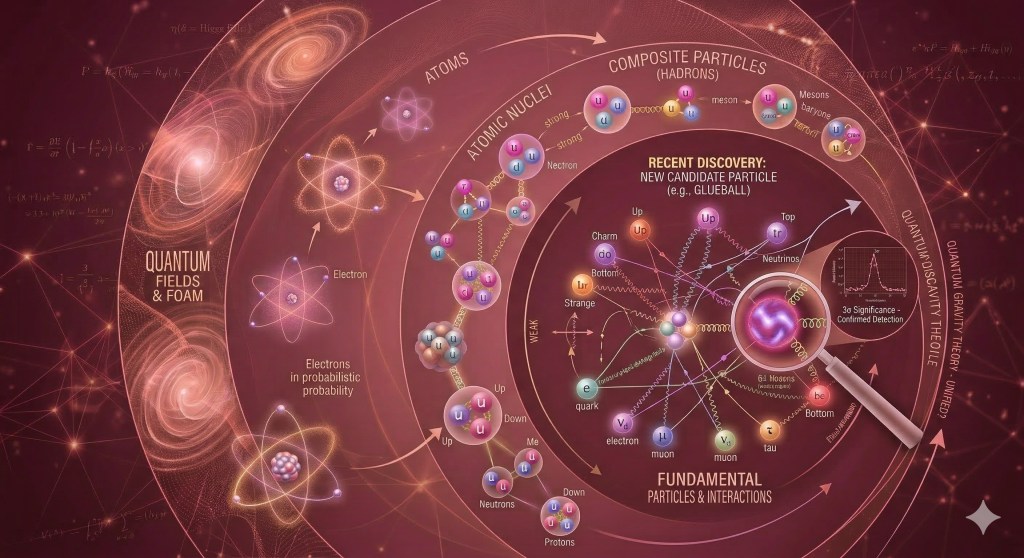
Quantum mechanics is strange, but its strangeness is not an excuse for intellectual carelessness. Its predictions have yielded electron microscopes, transistors, lasers, medical imaging technologies, atomic clocks, and modern computers. These achievements establish that quantum theory describes genuine features of reality with extraordinary accuracy. They do not, however, establish every philosophical interpretation or theological application associated with the theory.
A disciplined approach must distinguish five levels of claim: experimentally established quantum phenomena; plausible but unsettled quantum mechanisms in biology; philosophical conclusions compatible with quantum physics; metaphysical interpretations of its formalism; and theological claims grounded principally in revelation and natural theology. Quantum mechanics unquestionably governs the molecular foundations of photosynthesis and the brain. It makes a simplistic clockwork determinism less compelling, although it does not by itself produce consciousness, rational agency, divine providence, or personal immortality. It may open conceptual space for these realities, undermine claims that classical materialism has excluded them, and provide illuminating analogies. But possibility is not proof, randomness is not freedom, entanglement is not telepathy, information conservation is not resurrection, and a quantum vacuum is not metaphysical nothingness.
Theologically, quantum mechanics is most useful not as a “God-of-the-gaps” mechanism but as a corrective to unwarranted metaphysical certainty. It reminds us that visible macroscopic reality does not exhaust existence, that causal order is subtler than classical mechanics suggested, and that successful prediction need not amount to complete ontological understanding. In a Qur’anic framework, quantum physics belongs to the empirical reading of the Book of Nature. Providence, moral accountability, the soul, and the Afterlife require a wider synthesis involving reason, consciousness, moral experience, revelation, and the creative power of God.
Read further in Microsoft Word file:




Leave a comment