
Presented by Gemini for Zia H Shah MD
Audio teaser: Why Evolution Is Divinely Guided
The contemporary discourse surrounding the origins of life, the development of biological complexity, and the fundamental nature of the cosmos has long been paralyzed by a pervasive and restrictive false dichotomy. On one side of this intellectual divide stands a rigid, scriptural literalism that categorically denies the overwhelming empirical evidence of biological evolution, the antiquity of the cosmos, and the genetic interconnectedness of all living organisms. On the opposing side stands a militant, materialistic atheism that fully accepts the empirical data of the natural world but imperceptibly smuggles in the unverified metaphysical assumption that the universe and the life it contains are the products of a blind, purposeless, and accidental process. The intellectual paradigm and extensive conceptual framework developed in this analysis fundamentally dismantles this artificial dichotomy.
By offering a rigorous, multidimensional framework that harmonizes the empirical realities of modern science with the teleological and theological profundities of the Abrahamic traditions—specifically the Glorious Quran—this report articulates a unified theory of existence. It explores how universal common ancestry, genetic mutations, horizontal gene transfer, and viral co-option are not mechanisms of random, chaotic chance, but the precise, unfolding instruments of divine volition. Through a meticulous synthesis of evolutionary biology, quantum information theory, the metaphysics of Al-Ghazali’s Occasionalism, and contemporary philosophical theodicy, the analysis demonstrates that the biological and cosmological realms are deeply intentional. The universe emerges not as a product of “pitiless indifference,” but as a highly calibrated, information-rich ecosystem designed to generate conscious, morally accountable beings capable of recognizing and glorifying their Creator.
The Empirical Reality and Mathematical Precision of Common Ancestry
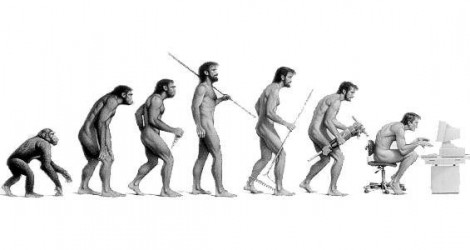
The foundation of this theological and scientific framework begins with an unequivocal acceptance of universal common ancestry as an established scientific reality and a profound, undeniable sign of God’s creative power. Rather than viewing evolutionary biology as a threat to scriptural integrity, the observable mechanisms of genetic mutation, natural selection, and anatomical adaptation are understood as the physical tools through which divine creation progressively unfolds over the vastness of deep time.
The mathematical and genetic evidence for common descent is irrefutable, leaving an indelible signature of a shared biological history that connects all living taxa. This history is quantitatively measured and verified through the concept of the molecular clock, which allows geneticists and evolutionary biologists to accurately estimate the time of evolutionary divergence between distinct species. The foundational mathematical equation of the molecular clock is elegantly expressed as:
$$T = \frac{D}{2R}$$
Within this equation, $T$ represents the time of evolutionary divergence, $D$ stands for the genetic distance (quantified by the number of accumulated mutations between two lineages), and $R$ represents the baseline mutation rate. The staggering mathematical consistency of these genetic clocks across disparate regions of the genome—and their perfect alignment with the geological fossil record—solidifies the reality of common ancestry. It demonstrates a universe governed by consistent, readable laws established by a singular Author.
Furthermore, chromosomal architecture provides glaring, structural evidence of this shared mammalian lineage. A prime example is the human Chromosome 2, which is the direct biological result of a telomere-to-telomere fusion of two distinct ancestral primate chromosomes, commonly referred to in the literature as chromosomes 2a and 2b. This fusion event precisely explains why modern humans possess 23 pairs of chromosomes while other great apes, such as chimpanzees and gorillas, possess 24 pairs. The evidence from population genetics and comparative genomics makes the theological concept of a sudden, instantaneous physical origin from a single pair biologically implausible.
Embryology provides further corroborating evidence of this shared developmental blueprint; for instance, the embryos of modern baleen whales transiently develop teeth in the womb that are subsequently reabsorbed before birth, acting as an undeniable vestige of their toothed mammalian ancestors. Under the paradigm of Guided Evolution, these genetic, structural, and anatomical phenomena are not purposeless relics or evolutionary mistakes. They are the deliberate, stepwise manifestations of a gradual creative process. The Quranic verses noting that humanity was created “in stages” (Quran 71:14) and that the Creator “began the creation of man from clay” (Quran 32:7) are understood not as literal descriptions of static sculpture, but as sophisticated spiritual and metaphorical descriptions of an integrated biological process spanning billions of years, moving from simple earthen elements to complex consciousness.
| Empirical Evidence Category | Scientific Observation | Interpretation under Guided Evolution |
| Molecular Genomics | Consistent mutation rates align with geological timelines ($T = \frac{D}{2R}$). | Demonstrates the predictable, mathematical precision of the Creator’s biological laws. |
| Chromosomal Structure | Fusion of ancestral primate chromosomes 2a and 2b into human Chromosome 2. | Highlights common descent as the chosen, physical mechanism for human emergence. |
| Embryological Development | Transient biological structures (e.g., baleen whale embryonic teeth). | Reveals a shared developmental template repurposed over time by a singular Designer. |
Viral Architects and the Purposeful Genomic Ecosystem
One of the most revolutionary insights within this framework is the complete re-evaluation of the biological role of viruses. Traditionally categorized in the medical and biological sciences merely as parasitic, destructive pathogens, viruses are recognized within this paradigm as essential, highly engineered contributors to biological complexity and profound instruments of divine creativity.
The integration of Human Endogenous Retroviruses (HERVs) into the mammalian genome represents a pinnacle of Guided Evolution. Millions of years ago, ancient retroviruses infected the germ cells of early mammalian ancestors. Once integrated into the host DNA, these viral sequences were not discarded or rendered permanently dormant; rather, they were purposefully co-opted over evolutionary time to drive monumental leaps in anatomical complexity. The most striking example of this phenomenon is the protein syncytin. Syncytin is absolutely vital for the development of the mammalian placenta, specifically facilitating the fusion of the syncytiotrophoblast layer, which allows for nutrient exchange while preventing the mother’s immune system from rejecting the developing fetus. This critical protein is directly derived from a co-opted retroviral envelope gene, originally designed to fuse a virus to a host cell.
Furthermore, these ancient viral elements have been fundamentally instrumental in the evolution of the mammalian immune system and the complex architecture of the human brain. From a strictly materialist perspective, the fact that a parasitic pathogen mutated precisely to enable live birth and higher cognitive function in mammals is written off as an astronomical, mathematically improbable lucky accident. Within the Guided Evolution framework, however, this phenomenon—horizontal gene transfer and viral co-option—serves as a primary “mechanism of guidance.” It is the very means by which rapid leaps in complexity are introduced into the biosphere. The traditional biological enemy (the virus) is transformed by a Guiding Hand into the essential architecture of mammalian nurture, demonstrating an overarching teleological purpose that far exceeds the mere requirements of immediate survival.
The Evolutionary Teleology of Sustenance: From Sweat to Milk
The teleological directionality of biological development is exquisitely illustrated in the evolutionary history of the mammalian mammary gland. The mammary gland did not appear suddenly in the fossil record; it is a highly complex mosaic assembled over 300 million years, co-opting and repurposing genetic tools that originally served entirely different physiological functions. This long-term developmental trajectory underscores a deliberate, future-oriented design process.
The early synapsid ancestors of mammals, existing in a world devoid of flowers and birds, likely secreted moisture from simple abdominal skin glands to prevent their leathery eggs from desiccating. Over eons, this basic hydration mechanism was guided into a highly sophisticated system of rich nutritional provision. Developmental biology reveals that the mammary gland originates from “placodes”—the exact same embryonic thickening and developmental toolkit responsible for generating hair, teeth, feathers, and scales across different species. This shared “skin appendage placode” toolkit serves as the developmental fingerprint of common descent and unified design.
The biochemical assembly of mammalian milk itself reveals a staggering orchestration of repurposed proteins. The synthesis of milk-fat globules—the lipid-rich core of milk—relies on a microscopic machine cobbled together from three entirely disparate sources: an immune-family membrane protein (BTN1A1), a metabolic enzyme (XOR), and a lipid-droplet protein (PLIN2). Nutrition, in this instance, is delivered utilizing the ancient tools of immunological defense and cellular metabolism. Moreover, the proteins crucial for calcium delivery in milk, such as the caseins and PTHrP, were co-opted from the genetic families originally responsible for the formation of teeth and bone structure. To remove $\alpha$-lactalbumin or PTHrP from the genetic sequence is to halt lactation entirely, indicating an irreducibly complex integration of previously independent biological parts.
This deep biological reality deeply resonates with Quranic linguistics. The Quran explicitly describes milk as khalis—pure, unmixed, and clarified. In modern mammalian physiology, the mammary epithelium is sealed by highly selective tight junctions known as the blood-milk barrier. This barrier rigorously excludes red blood cells, most plasma proteins, and the visible redness of blood, selectively synthesizing a brilliant-white, nutrient-dense secretion from the blood plasma without being contaminated by it. The milk is drawn from the blood yet remains khalis of it—exactly the paradox named in the scriptural verse. The empirical biology perfectly answers to the scriptural vocabulary, cementing the concept that evolutionary adaptation is the continuous brushstroke of divine artistry.
| Biological Component | Original Evolutionary Function | Co-opted Function in Mammals (Guided Innovation) |
| Retroviral Envelope Gene | Viral cellular invasion and cell membrane fusion. | Placental development (Syncytin) for live mammalian birth. |
| XOR & BTN1A1 Proteins | Metabolic regulation and innate immune defense. | Synthesis and precise secretion of lipid-rich milk-fat globules. |
| Caseins & PTHrP | Enamel formation, bone structural integrity, and skeletal growth. | Highly soluble calcium delivery system within mammalian milk. |
| Skin Appendage Placodes | Epidermal moisture regulation, reptilian scales, and mammalian hair. | Development of complex, ductal mammary gland architecture. |
Cosmological Fine-Tuning and Biospheric Taskhīr
Guided Evolution does not operate in a vacuum; it is situated within a cosmos that is astonishingly calibrated to support complex chemistry, planetary stability, and biological life. This cosmic fine-tuning forms a continuous spectrum of purposeful design that extends from the foundational laws of physics down to the ecological interactions of specific biological species.
The Providential Meteorite and the Measured Decree
For the intricate biological machinery of mammals (and eventually humans) to flourish, they required vast ecological space, free from the apex predation of reptilian giants. They inherited the Earth through one of the most highly contingent, statistically improbable events in planetary history: the Chicxulub asteroid impact.
Approximately 66 million years ago, a massive asteroid struck the Earth. Crucially, it struck at a highly specific, shallow angle, hitting a highly specific, sulfur-rich target rock located in what is now the Yucatan Peninsula. This specific target rock constituted only about 13% of the Earth’s surface. Had the asteroid struck almost anywhere else on the planet, or at a steeper angle, the catastrophic global cooling that caused the sudden mass extinction of the non-avian dinosaurs might not have occurred, and mammalian ascension would have been indefinitely halted. From the theistic perspective, this event was not a random cosmological tragedy but a precise qadar (measured decree). It was a providential clearing of the ecological stage, a highly targeted punctuation in evolutionary history designed to usher in the Age of Mammals, ultimately paving the physical way for conscious, rational human beings capable of contemplating their origins and their Creator.
The Concept of Taskhīr and Neural Crest Biology
If the Chicxulub impact represents cosmic and ecological calibration, the phenomenon of animal domestication represents precise fine-tuning at the biospheric level. The Quran repeatedly asserts that the Creator “subdued” or “made subservient” grazing animals (livestock, or an’am) for the explicit benefit of humanity—a profound theological concept known as Taskhir.
In Surah Ya-Sin (36:71-72), the text states: “Do they not see that We have created for them from what Our hands have made, grazing livestock, and [then] they are their owners? And We subdued them for them, so some of them they ride, and some of them they eat”. The operative Arabic verb used in this passage, dhallalnaha, implies making the animals docile, tractable, lowered, and compliant. Classical exegesis, such as the Tafsir of Ibn Kathir, expounds on the profound nature of this submissiveness, noting that even a massive, physically powerful train of a hundred camels can be safely led by a young child, a reality that defies the sheer physical power disparity between the human and the beast.
Modern domestication science powerfully reinforces the sheer improbability of this compliance. According to evolutionary biologist Jared Diamond’s application of the “Anna Karenina principle” to animal domestication, a species must simultaneously possess six independent behavioral and physiological traits to be domesticable (e.g., diet, growth rate, captive breeding, disposition, panic tendency, and social structure). Out of 148 large wild terrestrial herbivorous mammal candidates on Earth, only 14 were ever successfully domesticated by early human civilizations.
The physiological instrument of this divine subjugation lies in the biology of neural crest cells. During embryonic development, mild deficits or targeted alterations in neural crest cell migration lead directly to what biologists term the “domestication syndrome”—a specific suite of physical and behavioral traits including docility, reduced adrenal gland size (lowering panic responses), floppy ears, and altered pigmentation. By viewing neural crest biology as the biochemical switch of Taskhir, the paradigm demonstrates that domestication was not merely a human conquest of wild nature, but rather a latent, pre-programmed potential within the biosphere, purposefully unlocked to act as a catalyst for human development. Without the caloric density provided by the meat and milk of these specific animals, and without the locomotive power they offered for agriculture, the rapid global expansion of complex agrarian human societies would have been entirely impossible.
The Four Books Thesis: An Informational Cosmology
To fully bridge the epistemological and ontological gap between the empirical sciences and scriptural theology, the conceptual framework introduces the “Four Books Thesis,” a massive expansion upon the classical Christian and Islamic “Two Books” metaphor. The thesis posits a unified informational architecture of reality where God is the singular Author of four distinct but mutually reinforcing, interrelated “Books”.
The Architecture of the Four Books
- The First Book: The Book of Scripture (The Literal Word) This represents divine revelation, specifically the Quran. It provides the theological framework, moral imperatives, historical context, and the ultimate teleological purpose of existence. It acts as the definitive interpretive key through which the other domains of reality must be read and understood.
- The Second Book: The Book of Nature (The Cosmos and Biosphere) This encompasses the entire observable physical universe—including quantum physics, cosmology, and evolutionary biology. The scientific accuracy and “sober quality” of the Quran’s descriptions of the natural world provide empirical verification of the First Book’s divine origin. Science, therefore, is defined as the rigorous study of the “Work of God,” complementing the theological study of the “Word of God”. As scientific knowledge expands, the “Signs” (ayat) in the Second Book increasingly confirm the “Verses” (ayat) of the First Book.
- The Third Book: The Book of Destiny (Al-Lawh al-Mahfuz) Known traditionally as the “Preserved Tablet,” this is the archetypal, master informational matrix from which all physical reality is projected. It aligns seamlessly with advanced concepts in quantum information theory and the holographic principle, echoing theoretical physicist John Archibald Wheeler’s “It from bit” doctrine—the idea that the fundamental substrate of the universe is not physical matter, but pure information. This book contains the overarching program of the cosmic simulation.
- The Fourth Book: The Book of Deeds (Kitab al-A’mal) This is the meticulous, inescapable, un-erasable ledger of human action, intention, and thought. If the universe is fundamentally an informational system (Book 3), the thermodynamic and quantum preservation of information (where information cannot be destroyed) implies that the recording of human deeds is not merely a religious metaphor or an empty threat, but a physical inevitability rooted in the very fabric of spacetime.
Neurobiology, Occasionalism, and Divine Volition
The Four Books are not separate domains; they are fundamentally interconnected, mutually constitutive layers of a single reality. To explain the interface between the First Book (Revelation) and the human observer, the framework identifies the neurobiology of sleep, dreaming, and emotional processing (specifically REM sleep) as the physiological hardware utilized for divine communication, spiritual inspiration (Ilhaam), and prophetic revelation (Wahy). The brain’s capacity for creative synthesis during dreaming provides the biological substrate for receiving transmissions from the informational matrix.
Furthermore, the metaphysical engine driving this informational cosmos is rooted deeply in Al-Ghazali’s Occasionalism. In the secular, Newtonian view, the universe is a clockwork machine wound up and left to run independently according to immutable physical laws. In the Occasionalist view presented here, natural laws are simply the observable, sustained “habits” of God. God is the immanent Sustainer (Al-Qayyum) who continuously recreates reality at every quantum interval.
Classical Islamic tradition, analyzing Quran 13:38-39, distinguishes between the immutable Al-Lawh al-Mahfuz (The Preserved Tablet, or the Mother of the Book) and the mutable Lawh al-Mahw wa-l-Ithbat (The Tablet of Erasure and Confirmation). This two-tier ontology elegantly solves the perennial philosophical problem of determinism versus free will. It maps perfectly onto the concept of a fixed master-record of the universe coexisting with a dynamic, unfolding present where human choices have real, thermodynamic weight and moral consequence. By interpreting the Quranic concept of Umm al-Kitab (the Mother of the Book) as the transcendent origin of this entire informational architecture, the Four Books Thesis provides an ontological model where every genetic mutation, every quantum collapse, and every human action is continuously processed as data within a divinely sustained cosmos.
Confronting Materialist Nihilism: The Fallacy of “Unguided” Evolution
The most aggressive criticisms of biological evolution from traditional religionists, and the most triumphant arguments for atheism from materialists, both hinge entirely on the presence of suffering, disease, and extinction inherent in the evolutionary process. The Guided Evolution framework confronts this head-on, dissecting the philosophical overreach of modern atheism.
Deconstructing the Metaphysics of Richard Dawkins
Evolutionary biologist Richard Dawkins famously asserted that evolution by natural selection is “the only game in town, the greatest show on Earth”. However, he weaponizes this observable biological reality to argue for a universe completely devoid of ultimate meaning or moral structure. Dawkins argues that the total amount of suffering in the natural world is beyond decent contemplation, stating that every minute, thousands of animals are being eaten alive or devoured from within by rasping parasites. He famously concludes: “The universe that we observe has precisely the properties we should expect if there is, at bottom, no design, no purpose, no evil, no good, nothing but pitiless indifference”.
Dawkins extends this philosophy of “blindness to suffering” into the human realm, arguing that because nature is indifferent, morality must be completely detached from any divine standard. He has argued that giving birth to a baby with Down syndrome, when abortion is an option, might be immoral because it increases suffering, and has stated that stem cell embryos deserve no special moral treatment because they lack a nervous system to feel pain.
Similarly, the renowned broadcaster Sir David Attenborough frequently invokes the African eye-worm (Onchocerca volvulus), a parasite that burrows through the human eye causing river blindness, to argue against the existence of a benevolent Creator. Attenborough suggests that if God actively designed the natural world, He must be heartless and cruel to deliberately engineer a parasite whose life cycle inherently requires blinding an innocent child.
Alvin Plantinga and the Metaphysical Add-On
The paradigm of Guided Evolution deconstructs these materialist arguments by exposing their fatal philosophical flaw: they severely confuse scientific description with metaphysical prescription. As philosopher Alvin Plantinga rigorously points out, the scientific theory of evolution states that genetic mutations are “random,” which in a strict statistical and biological sense only means that mutations do not occur in directed response to an organism’s immediate adaptive needs.
However, the militant atheist leap to declare evolution as “unguided,” “purposeless,” or driven by “pitiless indifference” is a massive metaphysical add-on, completely unsupported by empirical science. Science can mathematically map the mechanics of genetic variation; it possesses absolutely no empirical apparatus to declare whether those variations were intended by a transcendent Mind. From the perspective of Occasionalism, what appears statistically random or unpredictable to a limited human observer is fully known, caused, and intended by the divine Sustainer. God, as the Author of the algorithm, can guide evolution through mutations that are scientifically random but teleologically purposeful.
Evolutionary Theodicy: Extinction and Disease as Necessary Scaffolding
If evolution is guided by a benevolent Creator, how does one reconcile the brutality of natural selection, the permanence of mass extinctions, and the heartbreaking prevalence of congenital and genetic diseases? The answer lies in a robust evolutionary theodicy, deeply integrating the “Only Way” arguments advanced by scholars and theologians such as Christopher Southgate and Robin Collins.
This theodicy posits that the emergence of free, conscious, and morally accountable beings (humanity) fundamentally required a universe governed by consistent, autonomous natural laws. If God intervened constantly to suspend natural laws—preventing every parasitic infection, reversing every harmful mutation, or halting every painful death—the universe would cease to be a predictable, intelligible environment. Scientific discovery would be impossible, as gravity might work one day but not the next to prevent a fall. More importantly, the consequences of human actions would be entirely negated, thereby destroying the very framework necessary for free will, moral development, and true accountability.
Evolutionary history, complete with its “red in tooth and claw” realities, is the necessary scaffolding required to build immense biological complexity from the ground up. Extinctions and mutations are not divine mistakes or evidence of indifference. The accumulation of genetic mutations that lead to congenital disorders—which affect roughly 1 in 50 people for single-gene issues and 1 in 263 for chromosomal disorders—are the inevitable, mathematically predictable consequences of operating a dynamic, self-replicating biosphere over deep time. A static world might lack genetic disease, but it would also lack the capacity for adaptation, complexity, and consciousness.
Within this comprehensive paradigm, traits that appear to be flaws, such as broken pseudogenes (like the human GULO gene for Vitamin C synthesis) or the developmental “glitch” of the African eye-worm, are not isolated acts of sadistic engineering. They are the localized, systemic costs of maintaining a comprehensive, progressive system of natural laws. Furthermore, the disease pathology of the eye-worm is part of a broader ecological web, spread by black flies. Blindness from it is not an inevitable design, but a biological progression that can be medically treated (e.g., with Ivermectin), reflecting the human mandate to discover cures, exercise compassion, and alleviate suffering.
Ultimately, worldly hardships, physical pain, and congenital illnesses are framed as temporary, spiritual tests in a transient world (a process of soul-building), with ultimate justice and recompense explicitly deferred to the hereafter. This is the precise fulfillment of the Fourth Book of Deeds. The suffering inherent in the evolutionary process is deeply acknowledged and mourned, but it is stripped of its Dawkins-esque nihilism. It is repurposed as the immense, dramatic crucible through which raw biological matter is refined into elevated spiritual consciousness.
| Conceptual Domain | Materialist/Unguided Paradigm (e.g., Dawkins) | Guided Evolution / Four Books Paradigm |
| Genetic Mutation | Blind, purposeless copying errors; totally unguided by any higher power. | Statistically random to human metrics; fully intended and sustained by Divine will. |
| Natural Selection | A mechanism of “pitiless indifference” driven solely by survival and replication. | The physical algorithm utilized by the Creator to shape ecological diversity and resilience. |
| Suffering & Disease | Absolute proof of a meaningless universe devoid of a moral or intelligent architect. | The necessary cost of consistent physical laws; a crucible for soul-building, empathy, and moral agency. |
| Biological Complexity | The result of immense time, environmental pressure, and lucky genetic accidents. | Teleological unfolding; undeniable empirical evidence of divine artistry (Al-Musawwir). |
Synthesized Conclusion
The intellectual architecture provided by this synthesis represents a monumental paradigm shift in the ongoing dialogue between modern science and classical religion. By wholly and unflinchingly embracing the empirical realities of universal common ancestry, viral gene co-option, and cosmological fine-tuning, the Guided Evolution framework explicitly rejects the anti-scientific posture of traditional, literalist creationism. Simultaneously, by rigorously exposing the unverified metaphysical assumptions of militant atheism, it rescues the grand biological narrative from the despair of “pitiless indifference.”
Through the lens of the Four Books Thesis, the universe is revealed as a unified, profoundly informational matrix where the Book of Nature provides the physical, mathematical evidence for the spiritual truths articulated in the Book of Scripture. The precise domesticability of the biosphere (Taskhir), the staggering anatomical repurposing of the mammary gland, the co-option of retroviruses to build the human placenta, and the providential clearing of the earth by an asteroid are all read as highly intentional, orchestrated stanzas in a cosmic poem.
Biological evolution is not a replacement for God, nor is it a mechanism that pushes God to the margins of relevance; rather, it is the very mechanism of His ongoing creation. The rigorous study of biology, genetics, and quantum physics is thus elevated from a purely secular, materialistic exercise into an act of profound spiritual contemplation. It becomes a dedicated reading of the living scripture of the natural world, pointing inexorably toward a Creator of infinite wisdom, power, and purpose, who sustains the cosmos at every quantum moment.



Leave a Reply