
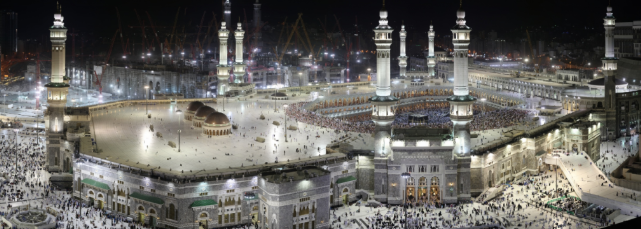
Presented by ChatGPT for Zia H Shah MD
Abstract
The claim that Allah created the heavens, the earth, humanity, every living creature, and everything that exists is foundational to the Quran’s understanding of reality. It is the ground of its teaching about worship, gratitude, moral responsibility, divine providence, and resurrection. The Quran presents this claim through several complementary expressions: Allah creates, originates, brings into being, fashions, proportions, gives life, and sustains. It also invites human beings to examine creation, reflect on their own existence, and consider whether the universe can adequately explain itself.
This essay gathers the principal explicit declarations of divine creation, together with closely related passages about cosmic order, biological life, human origins, and continuing divine preservation. It then examines the scientific and philosophical responsibility these declarations place upon Muslims. If belief in the Creator cannot be explained and defended thoughtfully, an indispensable foundation of the Islamic worldview becomes intellectually vulnerable. A sound defense, however, requires accurate science, careful philosophy, and faithful interpretation. Scientific explanations of natural processes must be distinguished from the metaphysical claim that those processes eliminate the need for God. The Quran’s challenge calls Muslims toward intellectual courage and humility: to study creation honestly and articulate why its existence, order, intelligibility, and life point toward its Creator.
1. Creation is the foundation of the Quranic worldview
The Quran does not present Allah as a local deity governing one people, one territory, or one department of nature. Allah is the Creator of the whole order of existence.
The familiar expression “the heavens and the earth” encompasses the cosmic totality in Quranic discourse. References to “whatever is between them” reinforce its comprehensiveness. Statements that Allah created “everything” make the scope still more explicit.
These affirmations establish a fundamental distinction: God is the Creator; everything dependent upon Him belongs to creation. God is not another object within the universe whose existence must be explained by the same physical processes that explain stars, organisms, and human bodies.
The Quran also speaks of creation in the third person—“Allah created”—and through the divine first person—“We created.” Both belong to its proclamation of the one Creator.
Allah is the Creator of everything
Quran 39:62
اللَّهُ خَالِقُ كُلِّ شَيْءٍ وَهُوَ عَلَىٰ كُلِّ شَيْءٍ وَكِيلٌ
“Allah is the Creator of everything, and He is the Guardian over everything.”
This is among the Quran’s most concise and comprehensive declarations. Creation and guardianship appear together: the universe depends upon Allah both for its existence and for its continuing governance. Quran.com
Quran 6:102
ذَٰلِكُمُ اللَّهُ رَبُّكُمْ ۖ لَا إِلَٰهَ إِلَّا هُوَ ۖ خَالِقُ كُلِّ شَيْءٍ فَاعْبُدُوهُ ۚ وَهُوَ عَلَىٰ كُلِّ شَيْءٍ وَكِيلٌ
“That is Allah, your Lord. There is no deity except Him, the Creator of everything. Therefore worship Him. He is the Guardian over everything.”
Here the movement of the argument is unmistakable: because Allah is the universal Creator, He alone deserves worship. Creation is not an incidental attribute added to an otherwise complete theology. It helps establish the meaning of divine lordship itself. Translation
Quran 40:62
ذَٰلِكُمُ اللَّهُ رَبُّكُمْ خَالِقُ كُلِّ شَيْءٍ لَا إِلَٰهَ إِلَّا هُوَ ۖ فَأَنَّىٰ تُؤْفَكُونَ
“That is Allah, your Lord, the Creator of everything. There is no deity except Him. How, then, are you turned away?”
Quran 13:16 — concluding excerpt
قُلِ اللَّهُ خَالِقُ كُلِّ شَيْءٍ وَهُوَ الْوَاحِدُ الْقَهَّارُ
“Say: Allah is the Creator of everything, and He is the One, the All-Subduing.”
Quran 6:101 — excerpt
بَدِيعُ السَّمَاوَاتِ وَالْأَرْضِ … وَخَلَقَ كُلَّ شَيْءٍ ۖ وَهُوَ بِكُلِّ شَيْءٍ عَلِيمٌ
“The Originator of the heavens and the earth … He created everything, and He knows everything.”
Quran 25:2 — concluding excerpt
وَخَلَقَ كُلَّ شَيْءٍ فَقَدَّرَهُ تَقْدِيرًا
“He created everything and determined it with precise determination.”
Quran 54:49
إِنَّا كُلَّ شَيْءٍ خَلَقْنَاهُ بِقَدَرٍ
“Indeed, We created everything according to a measure.”
These passages combine universality with order. Creation is not described as the production of an unintelligible chaos. It possesses measure, arrangement, and determinate characteristics.
This does not mean that every physical event is predictable by human beings, or that these verses settle debates about quantum indeterminacy and human freedom. Their central affirmation is that reality lies within divine knowledge and creative sovereignty.
2. Allah as Originator, Maker, and Fashioner
The Quran’s vocabulary of creation is richer than a single verb.
Khalaqa concerns creating and determining; faṭara emphasizes originating or bringing forth; badīʿ conveys origination without a preceding model; and ṣawwara concerns giving form. These meanings overlap, but their variety broadens the picture.
Quran 2:117
بَدِيعُ السَّمَاوَاتِ وَالْأَرْضِ ۖ وَإِذَا قَضَىٰ أَمْرًا فَإِنَّمَا يَقُولُ لَهُ كُنْ فَيَكُونُ
“The Originator of the heavens and the earth. When He decrees a matter, He only says to it, ‘Be,’ and it is.”
Quran 35:1 — opening excerpt
الْحَمْدُ لِلَّهِ فَاطِرِ السَّمَاوَاتِ وَالْأَرْضِ جَاعِلِ الْمَلَائِكَةِ رُسُلًا
“All praise belongs to Allah, Originator of the heavens and the earth, who makes the angels messengers.”
Quran 6:14 — excerpt
قُلْ أَغَيْرَ اللَّهِ أَتَّخِذُ وَلِيًّا فَاطِرِ السَّمَاوَاتِ وَالْأَرْضِ
“Say: Shall I take as protector anyone other than Allah, Originator of the heavens and the earth?”
Quran 12:101 — excerpt
فَاطِرَ السَّمَاوَاتِ وَالْأَرْضِ أَنْتَ وَلِيِّي فِي الدُّنْيَا وَالْآخِرَةِ
“Originator of the heavens and the earth, You are my Protector in this world and the Hereafter.”
Quran 14:10 — excerpt
أَفِي اللَّهِ شَكٌّ فَاطِرِ السَّمَاوَاتِ وَالْأَرْضِ
“Can there be doubt concerning Allah, Originator of the heavens and the earth?”
Quran 59:24 — opening excerpt
هُوَ اللَّهُ الْخَالِقُ الْبَارِئُ الْمُصَوِّرُ ۖ لَهُ الْأَسْمَاءُ الْحُسْنَىٰ
“He is Allah: the Creator, the Maker, the Fashioner. To Him belong the most beautiful names.”
The command “Be” should not be reduced to a claim that every created entity appeared without any temporal development. The Quran also describes stages, growth, gestation, and cosmic formation. Divine sovereignty over a process is compatible with that process unfolding through successive conditions.
3. Allah created the heavens and the earth
The repeated cosmic declarations are essential to the cumulative force of Quranic theology.
Quran 6:1 — opening excerpt
الْحَمْدُ لِلَّهِ الَّذِي خَلَقَ السَّمَاوَاتِ وَالْأَرْضَ وَجَعَلَ الظُّلُمَاتِ وَالنُّورَ
“All praise belongs to Allah, who created the heavens and the earth and established darkness and light.”
Quran 6:73 — opening excerpt
وَهُوَ الَّذِي خَلَقَ السَّمَاوَاتِ وَالْأَرْضَ بِالْحَقِّ
“He is the One who created the heavens and the earth in truth.”
Quran 7:54 — excerpts
إِنَّ رَبَّكُمُ اللَّهُ الَّذِي خَلَقَ السَّمَاوَاتِ وَالْأَرْضَ فِي سِتَّةِ أَيَّامٍ … أَلَا لَهُ الْخَلْقُ وَالْأَمْرُ ۗ تَبَارَكَ اللَّهُ رَبُّ الْعَالَمِينَ
“Your Lord is Allah, who created the heavens and the earth in six days … Surely creation and command belong to Him. Blessed is Allah, Lord of all worlds.”
Quran 10:3 — opening excerpt
إِنَّ رَبَّكُمُ اللَّهُ الَّذِي خَلَقَ السَّمَاوَاتِ وَالْأَرْضَ فِي سِتَّةِ أَيَّامٍ ثُمَّ اسْتَوَىٰ عَلَى الْعَرْشِ يُدَبِّرُ الْأَمْرَ
“Your Lord is Allah, who created the heavens and the earth in six days, then established Himself upon the Throne, governing all affairs.”
Quran 11:7 — opening excerpt
وَهُوَ الَّذِي خَلَقَ السَّمَاوَاتِ وَالْأَرْضَ فِي سِتَّةِ أَيَّامٍ وَكَانَ عَرْشُهُ عَلَى الْمَاءِ
“He is the One who created the heavens and the earth in six days, and His Throne was upon the water.”
Quran 14:19 — opening excerpt
أَلَمْ تَرَ أَنَّ اللَّهَ خَلَقَ السَّمَاوَاتِ وَالْأَرْضَ بِالْحَقِّ
“Have you not considered that Allah created the heavens and the earth in truth?”
Quran 14:32 — opening excerpt
اللَّهُ الَّذِي خَلَقَ السَّمَاوَاتِ وَالْأَرْضَ وَأَنْزَلَ مِنَ السَّمَاءِ مَاءً
“Allah is the One who created the heavens and the earth and sent down water from the sky.”
Quran 15:85 — opening excerpt
وَمَا خَلَقْنَا السَّمَاوَاتِ وَالْأَرْضَ وَمَا بَيْنَهُمَا إِلَّا بِالْحَقِّ
“We created the heavens, the earth, and whatever is between them only in truth.”
Quran 16:3
خَلَقَ السَّمَاوَاتِ وَالْأَرْضَ بِالْحَقِّ ۚ تَعَالَىٰ عَمَّا يُشْرِكُونَ
“He created the heavens and the earth in truth. Exalted is He above whatever they associate with Him.”
Quran 20:4
تَنْزِيلًا مِمَّنْ خَلَقَ الْأَرْضَ وَالسَّمَاوَاتِ الْعُلَىٰ
“A revelation from Him who created the earth and the highest heavens.”
Quran 25:59 — opening excerpt
الَّذِي خَلَقَ السَّمَاوَاتِ وَالْأَرْضَ وَمَا بَيْنَهُمَا فِي سِتَّةِ أَيَّامٍ
“The One who created the heavens, the earth, and whatever is between them in six days.”
Quran 29:44
خَلَقَ اللَّهُ السَّمَاوَاتِ وَالْأَرْضَ بِالْحَقِّ ۚ إِنَّ فِي ذَٰلِكَ لَآيَةً لِلْمُؤْمِنِينَ
“Allah created the heavens and the earth in truth. In that there is certainly a sign for believers.”
Quran 30:8 — excerpt
مَا خَلَقَ اللَّهُ السَّمَاوَاتِ وَالْأَرْضَ وَمَا بَيْنَهُمَا إِلَّا بِالْحَقِّ وَأَجَلٍ مُسَمًّى
“Allah created the heavens, the earth, and whatever is between them only in truth and for an appointed term.”
Quran 32:4 — opening excerpt
اللَّهُ الَّذِي خَلَقَ السَّمَاوَاتِ وَالْأَرْضَ وَمَا بَيْنَهُمَا فِي سِتَّةِ أَيَّامٍ
“Allah is the One who created the heavens, the earth, and whatever is between them in six days.”
Quran 39:5 — opening excerpt
خَلَقَ السَّمَاوَاتِ وَالْأَرْضَ بِالْحَقِّ
“He created the heavens and the earth in truth.”
Quran 44:38–39
وَمَا خَلَقْنَا السَّمَاوَاتِ وَالْأَرْضَ وَمَا بَيْنَهُمَا لَاعِبِينَ
مَا خَلَقْنَاهُمَا إِلَّا بِالْحَقِّ وَلَٰكِنَّ أَكْثَرَهُمْ لَا يَعْلَمُونَ
“We did not create the heavens, the earth, and whatever is between them in play. We created them only in truth, but most of them do not know.”
Quran 45:22 — opening excerpt
وَخَلَقَ اللَّهُ السَّمَاوَاتِ وَالْأَرْضَ بِالْحَقِّ
“Allah created the heavens and the earth in truth.”
Quran 46:3 — opening excerpt
مَا خَلَقْنَا السَّمَاوَاتِ وَالْأَرْضَ وَمَا بَيْنَهُمَا إِلَّا بِالْحَقِّ وَأَجَلٍ مُسَمًّى
“We created the heavens, the earth, and whatever is between them only in truth and for an appointed term.”
Quran 50:38
وَلَقَدْ خَلَقْنَا السَّمَاوَاتِ وَالْأَرْضَ وَمَا بَيْنَهُمَا فِي سِتَّةِ أَيَّامٍ وَمَا مَسَّنَا مِنْ لُغُوبٍ
“We certainly created the heavens, the earth, and whatever is between them in six days, and no weariness touched Us.”
Quran 57:4 — opening excerpt
هُوَ الَّذِي خَلَقَ السَّمَاوَاتِ وَالْأَرْضَ فِي سِتَّةِ أَيَّامٍ
“He is the One who created the heavens and the earth in six days.”
Quran 64:3
خَلَقَ السَّمَاوَاتِ وَالْأَرْضَ بِالْحَقِّ وَصَوَّرَكُمْ فَأَحْسَنَ صُوَرَكُمْ ۖ وَإِلَيْهِ الْمَصِيرُ
“He created the heavens and the earth in truth, and He fashioned you and made your forms beautiful. To Him is the final return.”
The refrain bil-ḥaqq—“in truth,” “rightfully,” or “with purpose”—adds a moral and teleological dimension. The cosmos is neither divine entertainment nor an ethically empty backdrop.
The references to six ayyām also require interpretive care. “Days” is the direct lexical rendering, while interpreters debate the nature and duration of these cosmic days. Defending the Creator does not require pretending that the Quran supplies a modern chronological table of astrophysics.
4. Cosmic structure, the heavens, and the celestial bodies
The Quran attributes both cosmic existence and cosmic arrangement to Allah.
Quran 21:30
أَوَلَمْ يَرَ الَّذِينَ كَفَرُوا أَنَّ السَّمَاوَاتِ وَالْأَرْضَ كَانَتَا رَتْقًا فَفَتَقْنَاهُمَا ۖ وَجَعَلْنَا مِنَ الْمَاءِ كُلَّ شَيْءٍ حَيٍّ ۖ أَفَلَا يُؤْمِنُونَ
“Have those who disbelieve not considered that the heavens and the earth were joined together, and We separated them, and We made every living thing from water? Will they not then believe?”
Quran 21:33
وَهُوَ الَّذِي خَلَقَ اللَّيْلَ وَالنَّهَارَ وَالشَّمْسَ وَالْقَمَرَ ۖ كُلٌّ فِي فَلَكٍ يَسْبَحُونَ
“He is the One who created the night and the day, the sun and the moon; each swims in an orbit.”
Quran 41:9 — excerpt
أَئِنَّكُمْ لَتَكْفُرُونَ بِالَّذِي خَلَقَ الْأَرْضَ فِي يَوْمَيْنِ وَتَجْعَلُونَ لَهُ أَنْدَادًا ۚ ذَٰلِكَ رَبُّ الْعَالَمِينَ
“Do you indeed disbelieve in the One who created the earth in two days, and set up equals to Him? That is the Lord of all worlds.”
Quran 41:11 — opening excerpt
ثُمَّ اسْتَوَىٰ إِلَى السَّمَاءِ وَهِيَ دُخَانٌ
“Then He turned toward the heaven while it was smoke.”
Quran 41:12 — opening excerpt
فَقَضَاهُنَّ سَبْعَ سَمَاوَاتٍ فِي يَوْمَيْنِ وَأَوْحَىٰ فِي كُلِّ سَمَاءٍ أَمْرَهَا
“He then completed them as seven heavens in two days and communicated to each heaven its command.”
Quran 51:47
وَالسَّمَاءَ بَنَيْنَاهَا بِأَيْدٍ وَإِنَّا لَمُوسِعُونَ
“And the heaven: We built it with power, and indeed We are vast in capacity.”
The final expression has also been rendered as referring to expansion. Its interpretation should acknowledge the linguistic discussion rather than make one modern rendering the sole basis of faith.
Quran 65:12 — opening excerpt
اللَّهُ الَّذِي خَلَقَ سَبْعَ سَمَاوَاتٍ وَمِنَ الْأَرْضِ مِثْلَهُنَّ
“Allah is the One who created seven heavens, and of the earth their like.”
Quran 67:3 — opening excerpt
الَّذِي خَلَقَ سَبْعَ سَمَاوَاتٍ طِبَاقًا ۖ مَا تَرَىٰ فِي خَلْقِ الرَّحْمَٰنِ مِنْ تَفَاوُتٍ
“The One who created seven heavens in layers. You see no inconsistency in the creation of the Most Merciful.”
Quran 71:15–16
أَلَمْ تَرَوْا كَيْفَ خَلَقَ اللَّهُ سَبْعَ سَمَاوَاتٍ طِبَاقًا
وَجَعَلَ الْقَمَرَ فِيهِنَّ نُورًا وَجَعَلَ الشَّمْسَ سِرَاجًا
“Have you not considered how Allah created seven heavens in layers, and placed the moon within them as a light and made the sun a lamp?”
Quran 78:12–13
وَبَنَيْنَا فَوْقَكُمْ سَبْعًا شِدَادًا
وَجَعَلْنَا سِرَاجًا وَهَّاجًا
“We built above you seven strong heavens, and made a blazing lamp.”
Quran 79:27–28
أَأَنْتُمْ أَشَدُّ خَلْقًا أَمِ السَّمَاءُ ۚ بَنَاهَا
رَفَعَ سَمْكَهَا فَسَوَّاهَا
“Are you more difficult to create, or the heaven? He built it, raised its height, and proportioned it.”
These passages invite cosmic contemplation. They should not be pressed into unsupported identifications: seven heavens cannot simply be equated with seven atmospheric layers, seven dimensions, or seven galaxies.
The theological affirmation is clear even where the precise physical referent remains uncertain: the cosmos possesses a created structure, and its grandeur should enlarge human understanding of divine power.
5. Allah created the earth and its life-supporting abundance
The Quran moves repeatedly from the vast heavens to the ground beneath human feet.
Quran 2:29 — opening excerpt
هُوَ الَّذِي خَلَقَ لَكُمْ مَا فِي الْأَرْضِ جَمِيعًا
“He is the One who created for you everything that is on the earth.”
Quran 13:3 — opening excerpt
وَهُوَ الَّذِي مَدَّ الْأَرْضَ وَجَعَلَ فِيهَا رَوَاسِيَ وَأَنْهَارًا ۖ وَمِنْ كُلِّ الثَّمَرَاتِ جَعَلَ فِيهَا زَوْجَيْنِ اثْنَيْنِ
“He is the One who spread out the earth and placed upon it firmly anchored mountains and rivers; and of every kind of fruit He placed within it two paired kinds.”
Quran 20:53 — excerpts
الَّذِي جَعَلَ لَكُمُ الْأَرْضَ مَهْدًا … وَأَنْزَلَ مِنَ السَّمَاءِ مَاءً فَأَخْرَجْنَا بِهِ أَزْوَاجًا مِنْ نَبَاتٍ شَتَّىٰ
“The One who made the earth a resting place for you … and sent down water from the sky, through which We brought forth diverse kinds of plants.”
Quran 31:10 — excerpts
خَلَقَ السَّمَاوَاتِ بِغَيْرِ عَمَدٍ تَرَوْنَهَا … وَبَثَّ فِيهَا مِنْ كُلِّ دَابَّةٍ … فَأَنْبَتْنَا فِيهَا مِنْ كُلِّ زَوْجٍ كَرِيمٍ
“He created the heavens without pillars that you can see … and dispersed upon the earth every kind of creature … and We caused every noble kind to grow upon it.”
Quran 36:33
وَآيَةٌ لَهُمُ الْأَرْضُ الْمَيْتَةُ أَحْيَيْنَاهَا وَأَخْرَجْنَا مِنْهَا حَبًّا فَمِنْهُ يَأْكُلُونَ
“A sign for them is the lifeless earth: We give it life and bring forth grain from it, from which they eat.”
Quran 55:10–12
وَالْأَرْضَ وَضَعَهَا لِلْأَنَامِ
فِيهَا فَاكِهَةٌ وَالنَّخْلُ ذَاتُ الْأَكْمَامِ
وَالْحَبُّ ذُو الْعَصْفِ وَالرَّيْحَانُ
“And the earth He laid down for living beings. In it are fruit and palm trees with sheathed clusters, and grain with husks, and fragrant plants.”
Creation here becomes provision. The earth is a habitat inhabited by dependent beings.
The ethical implication follows naturally. A world received as a divine gift demands responsible use. Gratitude cannot be reduced to words while water is poisoned, habitats are needlessly destroyed, and vulnerable creatures are treated with cruelty.
6. Allah created living creatures and biological diversity
Quran 24:45
وَاللَّهُ خَلَقَ كُلَّ دَابَّةٍ مِنْ مَاءٍ ۖ فَمِنْهُمْ مَنْ يَمْشِي عَلَىٰ بَطْنِهِ وَمِنْهُمْ مَنْ يَمْشِي عَلَىٰ رِجْلَيْنِ وَمِنْهُمْ مَنْ يَمْشِي عَلَىٰ أَرْبَعٍ ۚ يَخْلُقُ اللَّهُ مَا يَشَاءُ ۚ إِنَّ اللَّهَ عَلَىٰ كُلِّ شَيْءٍ قَدِيرٌ
“Allah created every moving creature from water. Among them are those that move upon their bellies, those that walk upon two legs, and those that walk upon four. Allah creates whatever He wills. Allah has power over everything.”
The verse unites the shared material dependence of animals with their diversity of bodily form. Its concluding affirmation encompasses more than the particular examples it names. Quran.com
Quran 16:5 — opening excerpt
وَالْأَنْعَامَ خَلَقَهَا ۗ لَكُمْ فِيهَا دِفْءٌ وَمَنَافِعُ
“And the livestock: He created them. In them you have warmth and benefits.”
Quran 16:8
وَالْخَيْلَ وَالْبِغَالَ وَالْحَمِيرَ لِتَرْكَبُوهَا وَزِينَةً ۚ وَيَخْلُقُ مَا لَا تَعْلَمُونَ
“And horses, mules, and donkeys, for you to ride and as adornment. And He creates what you do not know.”
Quran 36:36
سُبْحَانَ الَّذِي خَلَقَ الْأَزْوَاجَ كُلَّهَا مِمَّا تُنْبِتُ الْأَرْضُ وَمِنْ أَنْفُسِهِمْ وَمِمَّا لَا يَعْلَمُونَ
“Glory belongs to the One who created all the pairs: from what the earth produces, from themselves, and from things they do not know.”
Quran 42:29 — opening excerpt
وَمِنْ آيَاتِهِ خَلْقُ السَّمَاوَاتِ وَالْأَرْضِ وَمَا بَثَّ فِيهِمَا مِنْ دَابَّةٍ
“Among His signs are the creation of the heavens and the earth and the living creatures He has dispersed in them.”
Quran 51:49
وَمِنْ كُلِّ شَيْءٍ خَلَقْنَا زَوْجَيْنِ لَعَلَّكُمْ تَذَكَّرُونَ
“And of everything We created pairs, so that you might take heed.”
These verses should inspire biological investigation rather than replace it. Nor should the language of pairing be made into the scientifically false claim that every organism reproduces through separate male and female individuals.
The central declaration is that the diversity of life belongs to Allah’s creative work. Whether organisms arise through gestation, reproduction, mutation, natural selection, or other biological processes, describing those processes does not by itself settle the ultimate question of their metaphysical foundation.
7. Allah created humanity
The Quran speaks of human creation through several perspectives: earthly material, reproductive beginnings, development in the womb, bodily proportion, and the capacities of personal life.
Humanity’s earthly and reproductive origins
Quran 6:2 — opening excerpt
هُوَ الَّذِي خَلَقَكُمْ مِنْ طِينٍ
“He is the One who created you from clay.”
Quran 15:26
وَلَقَدْ خَلَقْنَا الْإِنْسَانَ مِنْ صَلْصَالٍ مِنْ حَمَإٍ مَسْنُونٍ
“We certainly created the human being from sounding clay, from altered dark mud.”
Quran 16:4
خَلَقَ الْإِنْسَانَ مِنْ نُطْفَةٍ فَإِذَا هُوَ خَصِيمٌ مُبِينٌ
“He created the human being from a drop; then, suddenly, he becomes an outspoken disputant.”
Quran 23:12–14
وَلَقَدْ خَلَقْنَا الْإِنْسَانَ مِنْ سُلَالَةٍ مِنْ طِينٍ
ثُمَّ جَعَلْنَاهُ نُطْفَةً فِي قَرَارٍ مَكِينٍ
ثُمَّ خَلَقْنَا النُّطْفَةَ عَلَقَةً فَخَلَقْنَا الْعَلَقَةَ مُضْغَةً فَخَلَقْنَا الْمُضْغَةَ عِظَامًا فَكَسَوْنَا الْعِظَامَ لَحْمًا ثُمَّ أَنْشَأْنَاهُ خَلْقًا آخَرَ ۚ فَتَبَارَكَ اللَّهُ أَحْسَنُ الْخَالِقِينَ
“We certainly created the human being from an extract of clay. Then We placed him as a drop in a secure resting place. Then We developed the drop into a clinging form, the clinging form into a small mass, and the small mass into bones, and clothed the bones with flesh. Then We brought him forth as another creation. Blessed is Allah, the best of creators.”
This passage describes development in broad, evocative language. Responsible commentary should distinguish its theological and observational force from claims that it supplies a complete modern account of embryology.
Quran 30:20
وَمِنْ آيَاتِهِ أَنْ خَلَقَكُمْ مِنْ تُرَابٍ ثُمَّ إِذَا أَنْتُمْ بَشَرٌ تَنْتَشِرُونَ
“Among His signs is that He created you from dust; then, behold, you are human beings spreading abroad.”
Quran 32:7–9 — excerpts
الَّذِي أَحْسَنَ كُلَّ شَيْءٍ خَلَقَهُ ۖ وَبَدَأَ خَلْقَ الْإِنْسَانِ مِنْ طِينٍ
ثُمَّ جَعَلَ نَسْلَهُ مِنْ سُلَالَةٍ مِنْ مَاءٍ مَهِينٍ
ثُمَّ سَوَّاهُ وَنَفَخَ فِيهِ مِنْ رُوحِهِ ۖ وَجَعَلَ لَكُمُ السَّمْعَ وَالْأَبْصَارَ وَالْأَفْئِدَةَ
“The One who made good everything He created, and began human creation from clay; then made his descendants from an extract of a humble fluid; then proportioned him and breathed into him of His spirit, and gave you hearing, sight, and hearts.”
“Of His spirit” should not be understood as saying that a divisible portion of God becomes part of a human body. It is language requiring theological interpretation, not a description of divine material being distributed among creatures.
Quran 35:11 — opening excerpt
وَاللَّهُ خَلَقَكُمْ مِنْ تُرَابٍ ثُمَّ مِنْ نُطْفَةٍ ثُمَّ جَعَلَكُمْ أَزْوَاجًا
“Allah created you from dust, then from a drop, then made you into pairs.”
Quran 39:6 — excerpt
يَخْلُقُكُمْ فِي بُطُونِ أُمَّهَاتِكُمْ خَلْقًا مِنْ بَعْدِ خَلْقٍ فِي ظُلُمَاتٍ ثَلَاثٍ
“He creates you in your mothers’ wombs, creation after creation, within three darknesses.”
Quran 40:67 — opening excerpt
هُوَ الَّذِي خَلَقَكُمْ مِنْ تُرَابٍ ثُمَّ مِنْ نُطْفَةٍ ثُمَّ مِنْ عَلَقَةٍ ثُمَّ يُخْرِجُكُمْ طِفْلًا
“He is the One who created you from dust, then from a drop, then from a clinging form, then brings you forth as infants.”
Human diversity and dependence
Quran 4:1 — excerpt
خَلَقَكُمْ مِنْ نَفْسٍ وَاحِدَةٍ وَخَلَقَ مِنْهَا زَوْجَهَا وَبَثَّ مِنْهُمَا رِجَالًا كَثِيرًا وَنِسَاءً
“He created you from a single soul, created from it its mate, and spread from the two many men and women.”
Quran 30:21 — opening excerpt
وَمِنْ آيَاتِهِ أَنْ خَلَقَ لَكُمْ مِنْ أَنْفُسِكُمْ أَزْوَاجًا لِتَسْكُنُوا إِلَيْهَا
“Among His signs is that He created for you spouses from among yourselves, so that you might find tranquility in them.”
Quran 49:13 — opening excerpt
يَا أَيُّهَا النَّاسُ إِنَّا خَلَقْنَاكُمْ مِنْ ذَكَرٍ وَأُنْثَىٰ وَجَعَلْنَاكُمْ شُعُوبًا وَقَبَائِلَ لِتَعَارَفُوا
“Humanity, We created you from a male and a female and made you peoples and tribes so that you might know one another.”
Quran 53:45–46
وَأَنَّهُ خَلَقَ الزَّوْجَيْنِ الذَّكَرَ وَالْأُنْثَىٰ
مِنْ نُطْفَةٍ إِذَا تُمْنَىٰ
“And that He created the two sexes, male and female, from a drop when it is emitted.”
Quran 55:3–4
خَلَقَ الْإِنْسَانَ
عَلَّمَهُ الْبَيَانَ
“He created the human being; He taught him articulate expression.”
Quran 56:57–59
نَحْنُ خَلَقْنَاكُمْ فَلَوْلَا تُصَدِّقُونَ
أَفَرَأَيْتُمْ مَا تُمْنُونَ
أَأَنْتُمْ تَخْلُقُونَهُ أَمْ نَحْنُ الْخَالِقُونَ
“We created you; why, then, do you not affirm the truth? Have you considered what you emit? Is it you who create it, or are We the Creator?”
Quran 71:14
وَقَدْ خَلَقَكُمْ أَطْوَارًا
“Although He created you through stages.”
Quran 76:2 — opening excerpt
إِنَّا خَلَقْنَا الْإِنْسَانَ مِنْ نُطْفَةٍ أَمْشَاجٍ نَبْتَلِيهِ
“We created the human being from a mingled drop, to test him.”
Quran 82:6–8
يَا أَيُّهَا الْإِنْسَانُ مَا غَرَّكَ بِرَبِّكَ الْكَرِيمِ
الَّذِي خَلَقَكَ فَسَوَّاكَ فَعَدَلَكَ
فِي أَيِّ صُورَةٍ مَا شَاءَ رَكَّبَكَ
“Human being, what has deceived you concerning your generous Lord, who created you, proportioned you, and balanced you, assembling you in whatever form He willed?”
Quran 95:4
لَقَدْ خَلَقْنَا الْإِنْسَانَ فِي أَحْسَنِ تَقْوِيمٍ
“We certainly created the human being in the finest constitution.”
Quran 96:1–2
اقْرَأْ بِاسْمِ رَبِّكَ الَّذِي خَلَقَ
خَلَقَ الْإِنْسَانَ مِنْ عَلَقٍ
“Read in the name of your Lord who created—created the human being from a clinging form.”
The opening revelation places creation beside learning. The human being who studies is already a creature, studying a reality that precedes him and sustains him.
8. Creation includes realities beyond familiar human life
The Quran’s Creator is not confined to the visible biological world.
Quran 15:27
وَالْجَانَّ خَلَقْنَاهُ مِنْ قَبْلُ مِنْ نَارِ السَّمُومِ
“And the jinn We created earlier from scorching fire.”
Quran 55:14–15
خَلَقَ الْإِنْسَانَ مِنْ صَلْصَالٍ كَالْفَخَّارِ
وَخَلَقَ الْجَانَّ مِنْ مَارِجٍ مِنْ نَارٍ
“He created the human being from sounding clay like pottery, and created the jinn from a flame of fire.”
Quran 51:56
وَمَا خَلَقْتُ الْجِنَّ وَالْإِنْسَ إِلَّا لِيَعْبُدُونِ
“I created jinn and human beings only that they might worship Me.”
Interpretations of the precise nature of jinn differ. The point relevant here is that the Quran places them within creation and under divine authority.
Quran 67:2 — opening excerpt
الَّذِي خَلَقَ الْمَوْتَ وَالْحَيَاةَ لِيَبْلُوَكُمْ أَيُّكُمْ أَحْسَنُ عَمَلًا
“The One who created death and life to test which of you is best in conduct.”
Life, mortality, and moral trial belong within the same theological account. Creation is inseparable from responsibility.
9. The Quran challenges rival claims to creative power
The Quran does more than announce creation. It asks whether alternatives can withstand scrutiny.
Quran 16:17
أَفَمَنْ يَخْلُقُ كَمَنْ لَا يَخْلُقُ ۗ أَفَلَا تَذَكَّرُونَ
“Is the One who creates like one who does not create? Will you not take heed?”
Quran 16:20
وَالَّذِينَ يَدْعُونَ مِنْ دُونِ اللَّهِ لَا يَخْلُقُونَ شَيْئًا وَهُمْ يُخْلَقُونَ
“Those they invoke besides Allah create nothing, while they themselves are created.”
Quran 25:3 — excerpt
لَا يَخْلُقُونَ شَيْئًا وَهُمْ يُخْلَقُونَ
“They create nothing, while they themselves are created.”
Quran 31:11
هَٰذَا خَلْقُ اللَّهِ فَأَرُونِي مَاذَا خَلَقَ الَّذِينَ مِنْ دُونِهِ ۚ بَلِ الظَّالِمُونَ فِي ضَلَالٍ مُبِينٍ
“This is Allah’s creation. Show Me, then, what those besides Him have created. Rather, the wrongdoers are in manifest error.”
Quran 35:3 — excerpt
هَلْ مِنْ خَالِقٍ غَيْرُ اللَّهِ يَرْزُقُكُمْ مِنَ السَّمَاءِ وَالْأَرْضِ
“Is there any creator other than Allah who provides for you from heaven and earth?”
Quran 52:35–36
أَمْ خُلِقُوا مِنْ غَيْرِ شَيْءٍ أَمْ هُمُ الْخَالِقُونَ
أَمْ خَلَقُوا السَّمَاوَاتِ وَالْأَرْضَ ۚ بَلْ لَا يُوقِنُونَ
“Were they created without anything, or are they themselves the creators? Or did they create the heavens and the earth? Rather, they lack certainty.”
The expression min ghayri shayʾ has been understood as “from nothing,” “without anything,” or, in interpretive renderings, “without a creator.” The central challenge concerns the adequacy of an account of existence that leaves its dependence unexplained. Translation
Quran 46:4 — excerpt
أَرُونِي مَاذَا خَلَقُوا مِنَ الْأَرْضِ أَمْ لَهُمْ شِرْكٌ فِي السَّمَاوَاتِ
“Show me what they created of the earth, or whether they have any share in the heavens.”
Several passages also remind their original audiences that they already acknowledged Allah as Creator:
Quran 29:61 — excerpt
وَلَئِنْ سَأَلْتَهُمْ مَنْ خَلَقَ السَّمَاوَاتِ وَالْأَرْضَ وَسَخَّرَ الشَّمْسَ وَالْقَمَرَ لَيَقُولُنَّ اللَّهُ
“If you ask them who created the heavens and the earth and subjected the sun and moon, they will certainly say, ‘Allah.’”
Quran 31:25 — excerpt
وَلَئِنْ سَأَلْتَهُمْ مَنْ خَلَقَ السَّمَاوَاتِ وَالْأَرْضَ لَيَقُولُنَّ اللَّهُ
“If you ask them who created the heavens and the earth, they will certainly say, ‘Allah.’”
Quran 39:38 — opening excerpt
وَلَئِنْ سَأَلْتَهُمْ مَنْ خَلَقَ السَّمَاوَاتِ وَالْأَرْضَ لَيَقُولُنَّ اللَّهُ
“If you ask them who created the heavens and the earth, they will certainly say, ‘Allah.’”
Quran 43:9 — excerpt
وَلَئِنْ سَأَلْتَهُمْ مَنْ خَلَقَ السَّمَاوَاتِ وَالْأَرْضَ لَيَقُولُنَّ خَلَقَهُنَّ الْعَزِيزُ الْعَلِيمُ
“If you ask them who created the heavens and the earth, they will certainly say, ‘The Mighty, the Knowing created them.’”
Quran 43:87 — excerpt
وَلَئِنْ سَأَلْتَهُمْ مَنْ خَلَقَهُمْ لَيَقُولُنَّ اللَّهُ
“If you ask them who created them, they will certainly say, ‘Allah.’”
These last passages expose inconsistency within the beliefs of their immediate audiences. Against someone who does not already accept divine creation, Muslims must supply further reasoning rather than assume the conclusion.
10. The Creator continually sustains creation
Creation is not merely a remote event.
Quran 35:41 — opening excerpt
إِنَّ اللَّهَ يُمْسِكُ السَّمَاوَاتِ وَالْأَرْضَ أَنْ تَزُولَا ۚ وَلَئِنْ زَالَتَا إِنْ أَمْسَكَهُمَا مِنْ أَحَدٍ مِنْ بَعْدِهِ
“Allah holds the heavens and the earth lest they cease; and if they were to cease, no one after Him could hold them.”
Quran 2:255 — excerpt
وَلَا يَئُودُهُ حِفْظُهُمَا ۚ وَهُوَ الْعَلِيُّ الْعَظِيمُ
“The preservation of the two does not weary Him. He is the Most High, the Magnificent.”
Quran 30:25 — opening excerpt
وَمِنْ آيَاتِهِ أَنْ تَقُومَ السَّمَاءُ وَالْأَرْضُ بِأَمْرِهِ
“Among His signs is that heaven and earth stand by His command.”
Quran 35:15
يَا أَيُّهَا النَّاسُ أَنْتُمُ الْفُقَرَاءُ إِلَى اللَّهِ ۖ وَاللَّهُ هُوَ الْغَنِيُّ الْحَمِيدُ
“Humanity, you are those in need of Allah, while Allah is the Self-Sufficient, the Praiseworthy.”
These verses support a theology of continuing dependence. Muslim philosophers and theologians have explained that dependence through different accounts of causation, including occasionalism and theories allowing genuine created secondary causes.
Their disagreements should not obscure the shared principle: nothing created becomes independent of Allah.
11. First creation grounds the promise of resurrection
The Quran repeatedly argues from the reality of creation to the possibility of re-creation.
Quran 21:104 — excerpt
كَمَا بَدَأْنَا أَوَّلَ خَلْقٍ نُعِيدُهُ
“As We began the first creation, We shall repeat it.”
Quran 30:27 — opening excerpt
وَهُوَ الَّذِي يَبْدَأُ الْخَلْقَ ثُمَّ يُعِيدُهُ وَهُوَ أَهْوَنُ عَلَيْهِ
“He is the One who originates creation and then repeats it, and that is easier for Him.”
Quran 36:78–79
وَضَرَبَ لَنَا مَثَلًا وَنَسِيَ خَلْقَهُ ۖ قَالَ مَنْ يُحْيِي الْعِظَامَ وَهِيَ رَمِيمٌ
قُلْ يُحْيِيهَا الَّذِي أَنْشَأَهَا أَوَّلَ مَرَّةٍ ۖ وَهُوَ بِكُلِّ خَلْقٍ عَلِيمٌ
“He offers Us an argument and forgets his own creation. He says, ‘Who will give life to bones when they have crumbled?’ Say: ‘The One who brought them into being the first time will give them life, and He knows every creation.’”
Quran 36:81
أَوَلَيْسَ الَّذِي خَلَقَ السَّمَاوَاتِ وَالْأَرْضَ بِقَادِرٍ عَلَىٰ أَنْ يَخْلُقَ مِثْلَهُمْ ۚ بَلَىٰ وَهُوَ الْخَلَّاقُ الْعَلِيمُ
“Is the One who created the heavens and the earth not able to create their like? Certainly; He is the Knowing Creator.”
Quran 40:57
لَخَلْقُ السَّمَاوَاتِ وَالْأَرْضِ أَكْبَرُ مِنْ خَلْقِ النَّاسِ وَلَٰكِنَّ أَكْثَرَ النَّاسِ لَا يَعْلَمُونَ
“The creation of the heavens and the earth is greater than the creation of humanity, but most people do not know.”
Quran 46:33 — excerpt
أَنَّ اللَّهَ الَّذِي خَلَقَ السَّمَاوَاتِ وَالْأَرْضَ وَلَمْ يَعْيَ بِخَلْقِهِنَّ بِقَادِرٍ عَلَىٰ أَنْ يُحْيِيَ الْمَوْتَىٰ
“Allah, who created the heavens and the earth and was not wearied by creating them, has power to give life to the dead.”
Quran 50:15 — opening excerpt
أَفَعَيِينَا بِالْخَلْقِ الْأَوَّلِ
“Were We wearied by the first creation?”
Resurrection therefore belongs within a larger account of divine creative power. The One who originated life is not rendered powerless by its dissolution.
This is a theological argument about possibility and divine ability. Establishing the particular promise of resurrection additionally involves the credibility of revelation.
12. Further explicit creation passages
The following passages broaden the collection and show how deeply the theme permeates the Quran.
| Reference | Arabic quotation or excerpt | English rendering |
|---|---|---|
| 3:47 | كَذَٰلِكِ اللَّهُ يَخْلُقُ مَا يَشَاءُ | “Thus Allah creates whatever He wills.” |
| 3:59 | خَلَقَهُ مِنْ تُرَابٍ ثُمَّ قَالَ لَهُ كُنْ فَيَكُونُ | “He created him from dust, then said to him, ‘Be,’ and he is.” |
| 7:11 | وَلَقَدْ خَلَقْنَاكُمْ ثُمَّ صَوَّرْنَاكُمْ | “We certainly created you, then fashioned you.” |
| 7:189 | هُوَ الَّذِي خَلَقَكُمْ مِنْ نَفْسٍ وَاحِدَةٍ | “He is the One who created you from a single soul.” |
| 10:4 | إِنَّهُ يَبْدَأُ الْخَلْقَ ثُمَّ يُعِيدُهُ | “He originates creation, then repeats it.” |
| 10:34 | قُلِ اللَّهُ يَبْدَأُ الْخَلْقَ ثُمَّ يُعِيدُهُ | “Say: Allah originates creation, then repeats it.” |
| 11:61 | هُوَ أَنْشَأَكُمْ مِنَ الْأَرْضِ وَاسْتَعْمَرَكُمْ فِيهَا | “He brought you forth from the earth and settled you in it.” |
| 15:86 | إِنَّ رَبَّكَ هُوَ الْخَلَّاقُ الْعَلِيمُ | “Your Lord is indeed the Knowing Creator.” |
| 16:70 | وَاللَّهُ خَلَقَكُمْ ثُمَّ يَتَوَفَّاكُمْ | “Allah created you, then causes you to die.” |
| 17:99 | أَنَّ اللَّهَ الَّذِي خَلَقَ السَّمَاوَاتِ وَالْأَرْضَ قَادِرٌ عَلَىٰ أَنْ يَخْلُقَ مِثْلَهُمْ | “Allah, who created the heavens and the earth, is able to create their like.” |
| 18:37 | خَلَقَكَ مِنْ تُرَابٍ ثُمَّ مِنْ نُطْفَةٍ ثُمَّ سَوَّاكَ رَجُلًا | “He created you from dust, then from a drop, then proportioned you as a man.” |
| 19:9 | وَقَدْ خَلَقْتُكَ مِنْ قَبْلُ وَلَمْ تَكُ شَيْئًا | “I created you before, when you were nothing.” |
| 19:67 | أَنَّا خَلَقْنَاهُ مِنْ قَبْلُ وَلَمْ يَكُ شَيْئًا | “We created him before, when he was nothing.” |
| 20:50 | رَبُّنَا الَّذِي أَعْطَىٰ كُلَّ شَيْءٍ خَلْقَهُ ثُمَّ هَدَىٰ | “Our Lord is the One who gave everything its form, then guided it.” |
| 22:5 | فَإِنَّا خَلَقْنَاكُمْ مِنْ تُرَابٍ ثُمَّ مِنْ نُطْفَةٍ | “We created you from dust, then from a drop.” |
| 23:17 | وَلَقَدْ خَلَقْنَا فَوْقَكُمْ سَبْعَ طَرَائِقَ | “We certainly created above you seven pathways.” |
| 23:78 | وَهُوَ الَّذِي أَنْشَأَ لَكُمُ السَّمْعَ وَالْأَبْصَارَ وَالْأَفْئِدَةَ | “He is the One who brought forth for you hearing, sight, and hearts.” |
| 25:54 | وَهُوَ الَّذِي خَلَقَ مِنَ الْمَاءِ بَشَرًا | “He is the One who created a human being from water.” |
| 27:60 | أَمَّنْ خَلَقَ السَّمَاوَاتِ وَالْأَرْضَ | “Who is it who created the heavens and the earth?” |
| 27:64 | أَمَّنْ يَبْدَأُ الْخَلْقَ ثُمَّ يُعِيدُهُ | “Who is it who originates creation, then repeats it?” |
| 28:68 | وَرَبُّكَ يَخْلُقُ مَا يَشَاءُ وَيَخْتَارُ | “Your Lord creates whatever He wills and chooses.” |
| 29:19 | كَيْفَ يُبْدِئُ اللَّهُ الْخَلْقَ ثُمَّ يُعِيدُهُ | “How Allah originates creation, then repeats it.” |
| 29:20 | قُلْ سِيرُوا فِي الْأَرْضِ فَانْظُرُوا كَيْفَ بَدَأَ الْخَلْقَ | “Say: Travel through the earth and observe how He began creation.” |
| 30:11 | اللَّهُ يَبْدَأُ الْخَلْقَ ثُمَّ يُعِيدُهُ | “Allah originates creation, then repeats it.” |
| 30:40 | اللَّهُ الَّذِي خَلَقَكُمْ ثُمَّ رَزَقَكُمْ | “Allah is the One who created you, then provided for you.” |
| 30:54 | اللَّهُ الَّذِي خَلَقَكُمْ مِنْ ضَعْفٍ | “Allah is the One who created you from weakness.” |
| 36:71 | أَنَّا خَلَقْنَا لَهُمْ مِمَّا عَمِلَتْ أَيْدِينَا أَنْعَامًا | “We created livestock for them from what Our hands have made.” |
| 36:77 | أَنَّا خَلَقْنَاهُ مِنْ نُطْفَةٍ | “We created him from a drop.” |
| 37:96 | وَاللَّهُ خَلَقَكُمْ وَمَا تَعْمَلُونَ | “Allah created you and what you make/do.” |
| 38:27 | وَمَا خَلَقْنَا السَّمَاءَ وَالْأَرْضَ وَمَا بَيْنَهُمَا بَاطِلًا | “We did not create heaven, earth, and whatever is between them in vain.” |
| 38:71 | إِنِّي خَالِقٌ بَشَرًا مِنْ طِينٍ | “I am creating a human being from clay.” |
| 42:11 | فَاطِرُ السَّمَاوَاتِ وَالْأَرْضِ | “Originator of the heavens and the earth.” |
| 42:49 | يَخْلُقُ مَا يَشَاءُ | “He creates whatever He wills.” |
| 43:12 | وَالَّذِي خَلَقَ الْأَزْوَاجَ كُلَّهَا | “The One who created all the pairs.” |
| 53:32 | إِذْ أَنْشَأَكُمْ مِنَ الْأَرْضِ | “When He brought you forth from the earth.” |
| 56:61 | وَنُنْشِئَكُمْ فِي مَا لَا تَعْلَمُونَ | “And bring you forth in a condition you do not know.” |
| 56:72 | أَأَنْتُمْ أَنْشَأْتُمْ شَجَرَتَهَا أَمْ نَحْنُ الْمُنْشِئُونَ | “Did you bring forth its tree, or are We the One who brings it forth?” |
| 64:2 | هُوَ الَّذِي خَلَقَكُمْ | “He is the One who created you.” |
| 67:23 | هُوَ الَّذِي أَنْشَأَكُمْ | “He is the One who brought you into being.” |
| 70:39 | إِنَّا خَلَقْنَاهُمْ مِمَّا يَعْلَمُونَ | “We created them from what they know.” |
| 75:38–39 | ثُمَّ كَانَ عَلَقَةً فَخَلَقَ فَسَوَّىٰ فَجَعَلَ مِنْهُ الزَّوْجَيْنِ الذَّكَرَ وَالْأُنْثَىٰ | “Then he became a clinging form, and He created and proportioned, making from it the two sexes, male and female.” |
| 77:20 | أَلَمْ نَخْلُقْكُمْ مِنْ مَاءٍ مَهِينٍ | “Did We not create you from a humble fluid?” |
| 78:8 | وَخَلَقْنَاكُمْ أَزْوَاجًا | “We created you in pairs.” |
| 86:5–6 | فَلْيَنْظُرِ الْإِنْسَانُ مِمَّ خُلِقَ خُلِقَ مِنْ مَاءٍ دَافِقٍ | “Let the human being consider from what he was created: he was created from a gushing fluid.” |
| 87:2–3 | الَّذِي خَلَقَ فَسَوَّىٰ وَالَّذِي قَدَّرَ فَهَدَىٰ | “The One who created and proportioned, and who determined and guided.” |
| 90:4 | لَقَدْ خَلَقْنَا الْإِنْسَانَ فِي كَبَدٍ | “We certainly created the human being into toil.” |
| 92:3 | وَمَا خَلَقَ الذَّكَرَ وَالْأُنْثَىٰ | “And by the One who created male and female.” |
13. Why Muslims must defend belief in the Creator
The importance of this subject can hardly be overstated.
If Allah is not Creator, the Quran’s account of divine lordship is undermined. If human beings are not creatures of Allah, the Quranic foundation for gratitude to Him is undermined. If the universe is wholly independent of God, the teaching of continuing divine preservation loses its meaning. If no Creator exists, the Quran’s argument from first creation to resurrection loses its foundation.
The Creator is therefore not a peripheral subject that Muslims can afford to abandon while concentrating exclusively on communal identity, inherited customs, or legal detail.
A community may preserve elaborate institutions and still fail to equip its young people to address the questions that determine whether they can believe those institutions rest upon truth.
In that qualified but profound sense, your warning is justified: if Muslims collectively surrender the intellectual defense of the Creator, they surrender a foundation upon which the rest of their religious worldview depends.
Nevertheless, “they have lost it all” should express the gravity of abandoning the foundation, rather than function as a judgment against every Muslim who lacks philosophical training. An ordinary believer’s inability to answer a sophisticated objection does not disprove God, erase that person’s moral worth, or authorize contempt toward them.
The obligation is proportionate to capacity. Scholars, educators, scientists, philosophers, and religious institutions carry particular responsibility to cultivate the knowledge the community needs.
Nor should agnostics and atheists be treated as a single hostile bloc. Some are thoughtful seekers; some reject inadequate portrayals of God; some remain unconvinced by arguments they have encountered. A serious defense must address their strongest reasoning accurately.
A. Scientific understanding must inform the defense
Scientific inquiry investigates the structures and processes of the natural world. Cosmology studies cosmic development; biology studies organisms and their history; neuroscience studies relationships between brains, behavior, and experience.
These investigations matter enormously. A Muslim defense of creation that depends upon denying well-supported observations is unnecessarily fragile.
For example, the hot Big Bang framework describes the universe’s development from an early hot, dense condition. Its empirical success does not by itself establish that science has demonstrated an absolute beginning from metaphysical nothingness. NASA’s accounts explain the observational reconstruction of the early universe through expansion and the cosmic microwave background. NASA Science
The philosophical question remains: why does this physical reality, with its properties and lawful possibilities, exist at all?
Similarly, a biological account of how species diversify does not logically entail that life is outside divine creativity. The theological claim that God creates through processes must be assessed on its own merits; it cannot be dismissed merely because those processes can be investigated.
Muslims should therefore learn to distinguish:
- An observed process: what happens in nature.
- A scientific explanation: the model explaining that process.
- A metaphysical interpretation: what the process ultimately implies about reality.
Confusing these levels damages both science and theology.
B. The argument from dependence and contingency
A central philosophical question is whether dependent reality can supply its own ultimate explanation.
Stars depend upon prior physical conditions. Organisms depend upon environments, chemical structures, and preceding life. Human beings depend upon innumerable conditions they neither originated nor control.
The contingency argument asks whether the complete order of such dependent realities requires an ultimate ground that does not depend in the same way.
A careful version does not say “everything has a cause,” because that immediately invites the question, “What caused God?” It asks instead whether contingent or dependent existence requires explanation, and whether that explanation can terminate in something necessary and self-sufficient.
The Quranic contrast between human need and divine self-sufficiency in 35:15 expresses a closely related theological insight.
Critics can challenge the principle of sufficient explanation, the move from contingent members to the whole, or the identification of a necessary ground with God. Muslims should answer these objections explicitly rather than assume that naming the argument completes it.
C. Cosmic order and fine-tuning
The universe is not merely existent; it exhibits stable structures that permit complex organization and life.
A design argument asks whether this order is more intelligible within a worldview grounded in intelligence and purpose.
However, a responsible presentation must distinguish the observation of life-permitting conditions from a supposedly exact probability that has not been justified. Claims about the odds of a universe require assumptions about possible parameters, their ranges, and their probability distributions.
Natural necessity, selection effects, and multiverse proposals also deserve discussion. None should be caricatured.
The theistic claim is strongest when presented as a reasoned explanatory judgment: the life-permitting order of reality can contribute to a cumulative case for a Creator, while leaving room for philosophical disagreement.
D. Consciousness, reason, and intelligibility
A universe capable of producing conscious beings who understand mathematical relations raises further questions.
Why is reality intelligible? Why do minds possess access to truth? How should subjective experience fit within an account of the physical world?
These questions do not cease to matter when neural mechanisms are discovered. Yet a current explanatory difficulty does not automatically establish a particular theology.
A careful Muslim argument should show why consciousness and rational understanding fit meaningfully within theism, assess alternative explanations, and avoid turning present scientific uncertainty into an instant proof.
The Quranic account of the Creator who gives hearing, sight, hearts, and articulate expression encourages reflection on the knower as well as the known.
E. The problem of suffering must be faced
Any comprehensive defense of a wise and merciful Creator must address suffering, including disease, predation, extinction, disability, and apparently pointless pain.
A mere declaration that “everything is designed” leaves this challenge unanswered.
Muslim theology can appeal to a stable and consequential natural order, the conditions of embodied life, moral freedom, the limits of human perspective, and ultimate justice beyond death. These considerations can form parts of a response. None should become an excuse to minimize anguish.
The Quran’s Creator is also the One who judges injustice and promises a final reckoning. Creation and afterlife belong to the same moral vision.
F. The case for God and the case for Islam are connected but distinct
Establishing an ultimate Creator does not, by itself, establish every Islamic doctrine.
A complete defense must also consider whether the proposed ultimate ground possesses knowledge, agency, and goodness; whether revelation is possible; and why the Quran should be received as revelation.
Recognizing these stages strengthens the argument. It allows each conclusion to rest upon the evidence appropriate to it.
Muslims should seek a cumulative case whose parts reinforce one another without pretending that one cosmological argument proves the entire religious tradition at once.
14. The Quran calls for inquiry, reflection, and intellectual integrity
The Quran itself directs attention toward creation.
Quran 3:190–191 — excerpts
إِنَّ فِي خَلْقِ السَّمَاوَاتِ وَالْأَرْضِ وَاخْتِلَافِ اللَّيْلِ وَالنَّهَارِ لَآيَاتٍ لِأُولِي الْأَلْبَابِ
… وَيَتَفَكَّرُونَ فِي خَلْقِ السَّمَاوَاتِ وَالْأَرْضِ رَبَّنَا مَا خَلَقْتَ هَٰذَا بَاطِلًا
“In the creation of the heavens and the earth and the alternation of night and day are signs for people of understanding … They reflect upon the creation of the heavens and the earth: ‘Our Lord, You did not create this in vain.’”
Reflection is presented as a religious virtue.
Quran 29:20 — opening excerpt
قُلْ سِيرُوا فِي الْأَرْضِ فَانْظُرُوا كَيْفَ بَدَأَ الْخَلْقَ
“Say: Travel through the earth and observe how He began creation.”
The verse makes observation part of the response to creation. Its invitation supports an intellectual posture open to evidence.
That posture also requires restraint.
Quran 17:36 — opening excerpt
وَلَا تَقْفُ مَا لَيْسَ لَكَ بِهِ عِلْمٌ
“Do not pursue that of which you have no knowledge.”
A fabricated scientific miracle does not honor the Creator. An inaccurate quotation does not strengthen revelation. An argument that depends upon misunderstanding evolution, quantum theory, or cosmology is a burden placed upon faith by its defenders.
Respectful engagement is equally explicit.
Quran 16:125 — excerpt
ادْعُ إِلَىٰ سَبِيلِ رَبِّكَ بِالْحِكْمَةِ وَالْمَوْعِظَةِ الْحَسَنَةِ ۖ وَجَادِلْهُمْ بِالَّتِي هِيَ أَحْسَنُ
“Invite to the way of your Lord with wisdom and good counsel, and debate with them in the best manner.”
Muslim confidence should therefore produce better scholarship, stronger institutions, more thoughtful education, and more humane discussion.
The defense of the Creator deserves the best minds of the community. It requires people who understand both the religious tradition and the questions of their age, who can recognize a valid objection, revise a weak argument, and speak without fear of honest investigation.
Thematic Epilogue: From Existence to Gratitude
Across these passages, the Quran’s proclamation is remarkably consistent.
The heavens are created. The earth is created. Life is created. Humanity is created. The conditions that nourish human existence are created. The universe is upheld, and the One who first brought life into being possesses the power to restore it.
These affirmations converge upon a single relationship: we are dependent beings living within a reality we did not originate, sustained by conditions we did not establish, and summoned to acknowledge the One from whom existence comes.
The Quran asks us to look outward toward the heavens and inward toward our own beginnings. It places the grain in the field, the child in the womb, the movement of celestial bodies, and the mystery of existence within one field of reflection.
For Muslims, defending the Creator is consequently a foundational intellectual responsibility. It must be undertaken with the seriousness appropriate to its subject: accurate science, careful reasoning, honest interpretation, and respect for those who remain unconvinced.
The aim is larger than winning a debate. It is to make belief intelligible, inquiry fruitful, and gratitude conscious.
اللَّهُ خَالِقُ كُلِّ شَيْءٍ وَهُوَ عَلَىٰ كُلِّ شَيْءٍ وَكِيلٌ
“Allah is the Creator of everything, and He is the Guardian over everything.” — Quran 39:62


Leave a Reply