
Epigraph:
Why don’t they ponder over the Quran, had it been from anyone other than All-Knowing God, they would have found ample contradiction in it. (Al Quran 4:82)
Allah it is Who has sent down to you (Muhammad) the Book; in it, there are verses that are fundamental or decisive in meaning — these are the cornerstone of the Book — and there are others that are susceptible to different interpretations. But those in whose hearts is perversity pursue those that are susceptible to different interpretations, seeking discord and wrong interpretation of such ambiguous verses. And none knows their right interpretation except Allah and those who are firmly grounded in knowledge; they say, ‘We believe in it; the whole is from our Lord.’ — And none heed except those gifted with understanding. (Al Quran 3:7)
Written and collected by Zia H Shah MD, Chief Editor of the Muslim Times
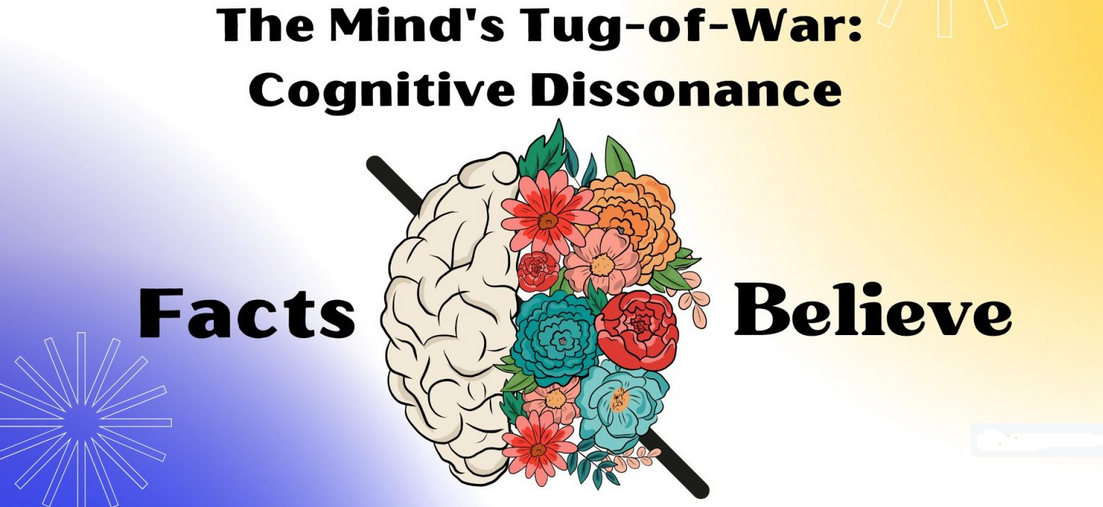
Cognitive dissonance is a psychological phenomenon that occurs when an individual experiences mental discomfort due to holding conflicting beliefs, values, or attitudes simultaneously. This discomfort often leads individuals to seek ways to reduce the inconsistency and achieve a state of consonance. Positive Psychology
Understanding Cognitive Dissonance
Leon Festinger introduced the theory of cognitive dissonance in 1957, suggesting that people have an inherent drive to maintain internal consistency among their cognitions. When inconsistencies arise, individuals are motivated to reduce the resulting dissonance, as it is psychologically uncomfortable. Positive Psychology
Common Causes of Cognitive Dissonance
- Decision-Making: Choosing between two similar options can lead to dissonance, as rejecting one choice in favor of another may cause internal conflict. BetterUp
- Forced Compliance: Engaging in behavior that contradicts personal beliefs, especially under pressure, can result in dissonance. Inner Mastery Hub
- New Information: Encountering information that challenges existing beliefs can create dissonance, prompting a reassessment of those beliefs. Cleveland Clinic Health
Strategies to Overcome Cognitive Dissonance
- Change Behavior: Align actions with beliefs to reduce dissonance. For instance, if someone values health but smokes, quitting smoking can resolve the inconsistency. Positive Psychology
- Modify Conflicting Beliefs: Adjust existing beliefs to align with behavior. For example, justifying occasional indulgence in unhealthy food by believing it’s acceptable in moderation. Positive Psychology
- Acquire New Information: Seek evidence that outweighs conflicting beliefs. For example, learning about the benefits of a balanced lifestyle can help reconcile the enjoyment of certain foods with health goals. Positive Psychology
- Trivialize the Inconsistency: Downplay the significance of the conflicting belief or behavior. For instance, considering a minor indulgence as insignificant in the broader context of one’s health regimen. Positive Psychology
- Practice Mindfulness: Being aware of one’s thoughts and feelings can help identify instances of dissonance and address them proactively. Tracking Happiness
- Seek Support: Discussing conflicting beliefs with others can provide new perspectives and reduce feelings of dissonance. MagnifyMind
Conclusion
Cognitive dissonance is a natural part of human psychology, reflecting the complex nature of our beliefs and behaviors. By recognizing and addressing inconsistencies through various strategies, individuals can achieve greater internal harmony and make decisions that are more aligned with their true values.




 The Glorious Quran and Science
Leave a reply to Consistent Truth and Inner Harmony: A Psychological, Philosophical, and Theological Commentary on Qur’an 39:27–29 – The Glorious Quran and Science Cancel reply