
Written and collected by Zia H Shah MD
Abstract
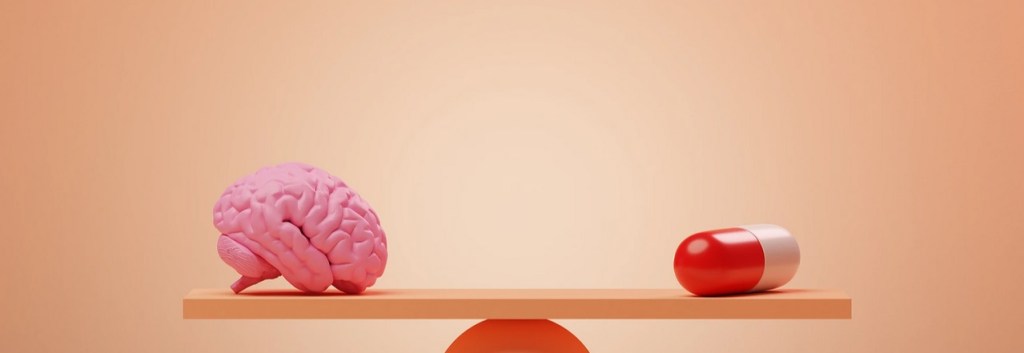
The placebo effect is a powerful illustration of the mind’s influence on the body, with roots in historical anecdotes and modern science. This article traces the evolution of understanding the placebo effect, beginning with 19th-century accounts of miraculous healings and early neurological studies. Historical cases like the healings at the Shrine of Our Lady of Lourdes – once attributed to divine intervention – were reinterpreted by physicians such as Jean-Martin Charcot as examples of suggestion and autosuggestion (self-induced belief in healing) thequran.love thequran.love. Early clinicians even knowingly dispensed inert “remedies” like bread pills and colored water to satisfy patient expectations, coining the term placebo (Latin for “I shall please”) for treatments given to please rather than to cure mdpi.com. These historical insights set the stage for a scientific exploration of how expectation, belief, and context can produce real changes in health.
Modern psychological and neuroscientific research has since unpacked the mechanisms of the placebo effect. Patient expectations and conditioning are now recognized as key drivers: simply believing in a treatment’s efficacy can trigger the brain’s “inner pharmacy” of neurotransmitters and hormones mpower.maryland.edu. Neuroimaging and clinical studies show that placebos can provoke measurable physiological responses – from endorphin release that alleviates pain to dopamine surges that improve motor function in Parkinson’s diseasempower.maryland.edu mpower.maryland.edu. In clinical trials, rigorous controls have demonstrated that placebo responses are strongest for subjective symptoms like pain and anxiety en.wikipedia.org, though they generally do not cure underlying diseases. The ethical use of placebos in medicine remains nuanced: while harnessing positive expectations can improve outcomes, deception undermines trust, prompting exploration of open-label placebos that work without secrecy en.wikipedia.org.
A critical lens is applied to homeopathy as a case study in placebo-driven practice. Homeopathy’s ultra-diluted remedies lack active ingredients and rely on scientifically implausible notions (e.g. “water memory”), with multiple high-quality reviews finding no efficacy beyond placebo committees.parliament.uk. The perceived benefits of homeopathic treatment are largely attributed to placebo effects – the ritual of an empathetic, lengthy consultation and the patient’s belief in the remedy often lead to subjective improvement journals.lww.com bmccomplementmedtherapies.biomedcentral.com. This article interweaves historical narrative with current scientific evidence, providing medical and psychology professionals a comprehensive overview of how the placebo effect functions, its role in patient care, and its relevance in evaluating therapies like homeopathy. In closing, a reflective epilogue ties together these threads, underscoring how an informed understanding of the placebo effect can enrich clinical practice and critical thinking in medicine.
Read further in Microsoft Word file:




 The Glorious Quran and Science
Leave a reply to Video: Yasir Qadhi and the World of Islamic Exorcism: Cultural, Religious, Ethical, Psychological, and Public Perspectives – The Glorious Quran and Science Cancel reply