

Presented by Zia H Shah MD
Early Islamic Origins and Significance
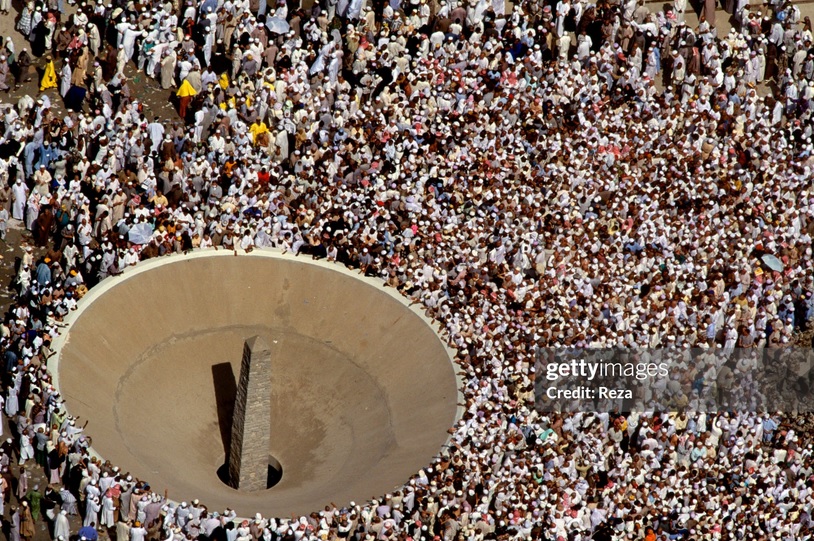
The ritual of ramī al-jamarāt (“stoning of the pillars”) dates back to the dawn of Islam and is rooted in the story of Prophet Ibrahim (Abraham) and his steadfastness against Satan islamicfinder.org islamicfinder.org. According to Islamic tradition, when Ibrahim was commanded by Allah to sacrifice his son (Ismail), the devil attempted to dissuade him at three separate locations in Mina. Each time, the Angel Jibril (Gabriel) instructed Ibrahim to pelt the devil with seven pebbles, causing Satan to flee islamicfinder.org. This act of defiance was later incorporated by the Prophet Muhammad into the Hajj rites, to commemorate Ibrahim’s obedience and the rejection of evil islamicfinder.org islamicfinder.org. In his Farewell Hajj (632 CE), Prophet Muhammad personally performed the stoning at the Jamarat, throwing seven pebbles at each pillar while pronouncing “Allāhu Akbar” (God is greatest)islamqa.infoislamqa.info. These actions of the Prophet – documented in authentic hadith collections – established the Jamarat stoning as an obligatory ritual of Hajj islamqa.info. There is no direct verse in the Qur’an about stoning Jamarat; its authority comes from the Sunnah (Prophetic practice) and consensus of scholars islamqa.info islamqa.info. The ritual symbolizes the pilgrim’s rejection of temptation and steadfast obedience to Allah, emulating Ibrahim’s rejection of Satan islamqa.info islamicfinder.org. Islamic scholars like al-Ghazali emphasize that the underlying purpose is submission to God’s command, reenacting Ibrahim’s act without question, and “throwing” one’s own temptations and sins away islamqa.info.
Jamarat: Hajj vs. ‘Umrah – When Is It Performed? It is important to note that the stoning of the Jamarat is only performed during the Hajj pilgrimage, not during the lesser ‘Umrah. The three Jamarat (small, medium, and large) are located in Mina and are visited on specific days of Hajj (10th through 13th of Dhu al-Hijjah). In contrast, an ‘Umrah consists of ihram, Tawaf, and Sa’i and does not include traveling to Mina or stoning any pillars zamzamtravelsbd.com. In fact, “stoning the Jamarat is one of the obligatory rituals of Hajj”islamqa.info and without it a Hajj is incomplete arabnews.com arabnews.com, whereas ‘Umrah pilgrims do not perform this ritual at all.
Read further in Microsoft Word file:



 The Glorious Quran and Science
Leave a reply to azfar Cancel reply