

Written and collected by Zia H Shah MD
Abstract
Quran 39:27–29 presents a profound lesson in achieving inner harmony through the unity and consistency of divine guidance. These verses declare that the Quran provides “every kind of parable” for people and is “without any crookedness” – utterly free of inconsistency – so that we may be mindful of Godthequran.love. In a striking parable, Allah compares a slave serving many quarrelsome masters to one serving a single master, asking if they can ever be equalislamawakened.com. This commentary explores how, by devoting ourselves to one Master (God) and embracing a coherent, contradiction-free message, we can resolve the emotional turmoil of conflicting desires, the cognitive dissonance of inconsistent beliefs, and the theological confusion of polytheism or doubt. Drawing on the psychological, philosophical, and theological insights of Dr. Zia H. Shah MD and classical scholars, we find that Quran 39:27–29 offers a roadmap to mental peace, rational coherence, and spiritual clarity. In essence, living “unified through one Master” means aligning our minds and hearts with the single, consistent truth of the Divine, thereby overcoming inner conflicts and living a life of coherent purpose.
Introduction: Parables of Clarity and Consistency
Quran 39:27–29 reads: “We have certainly presented to humanity every kind of parable in this Quran, so that they may take heed – a Quran in Arabic, without any crookedness therein, in order that they may be conscious of God” thequran.love. It then continues with a vivid example: “Allah sets forth the parable of a slave owned by several quarrelsome masters, and a slave owned by only one master. Are they equal in condition? Praise be to Allah! But most of them do not know.” islamawakened.com. In these verses, the Quran highlights two key ideas: first, that it uses diverse parables to make guidance clear and relatable, and second, that its message has “no crookedness” – no deviation or inconsistency – as a hallmark of divine truth thequran.love. Classical commentators note that parables “bring the meaning closer to people’s minds”, making abstract lessons concrete quran.com. By stating the Quran has no crookedness, the text signifies “utter clarity, consistency, and truth with no deviation” thequran.love, echoing the Quran’s own claim elsewhere that if it were from anyone other than God, it would contain many contradictions (cf. Qur’an 4:82)thequran.love. In short, God’s Word is presented as a perfectly coherent guidance for humanity.

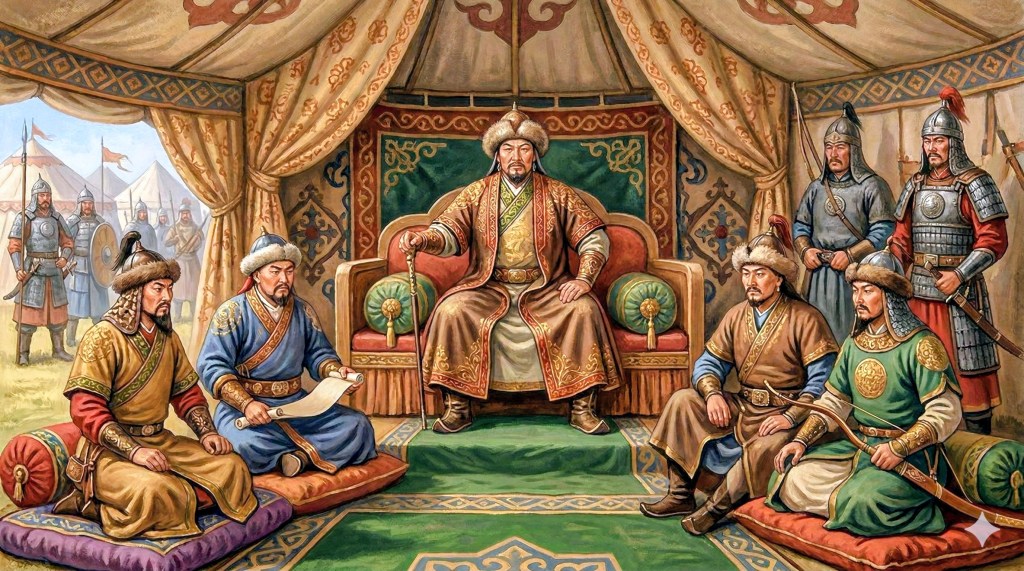
Verse 39:29 then delivers a powerful parable to illustrate the benefit of divine consistency. It asks us to imagine two individuals: one slave is trying to serve multiple masters who constantly disagree and quarrel with one another, while another slave serves only one master. As the verse prompts: “Are those two equal in comparison?” Clearly, they are not. The slave with many bosses pulling him in different directions is in a state of turmoil and confusion, whereas the one with a single boss enjoys focus and peace. The Quran likens this scenario to faith: numerous scholars, including the Prophet’s companion Ibn ‘Abbas, explained that the polytheist who tries to appease many false gods is like the first slave, while the sincere monotheist devoted wholly to the One God is like the second. “This ayah is the parable of the idolator and the sincere believer,” as one classical commentary states – the former is beset by internal conflict, and the latter by contrast enjoys inner consistency and tranquility quran.com islamawakened.com. In simple terms, worshiping one God leads to a coherent life, whereas serving many masters – whether literal gods or figurative obsessions – leads to chaos within.
Building on Dr. Zia H. Shah’s philosophical, psychological, and theological writings, we will explore how these verses provide a framework for resolving inner conflicts through the unifying consistency of faith in one God and one truth. The passage not only advocates theological monotheism, but also offers insight into the human psyche and our search for logical consistency. Below, we examine each dimension in turn – psychological, philosophical, and theological – to see how being “unified through one Master” liberates us from contradictory impulses and ideas, guiding us toward coherent living.
Read further in Microsoft Word file:



 The Glorious Quran and Science
Leave a reply to The Quran as Spiritual Software: Personal Reflection, Consistency, and Inner Harmony – The Glorious Quran and Science Cancel reply