
Epigraph
أَفَلَا يَتَدَبَّرُونَ الْقُرْآنَ ۚ وَلَوْ كَانَ مِنْ عِندِ غَيْرِ اللَّهِ لَوَجَدُوا فِيهِ اخْتِلَافًا كَثِيرًا
Will they not, then meditate upon the Quran? Had it been from anyone other than Allah they would surely have found therein much contradiction. (Al Quran 4:82)
Written and collected by Zia H Shah MD
Double-Binding Communication in Parenting: Definition and Mechanisms
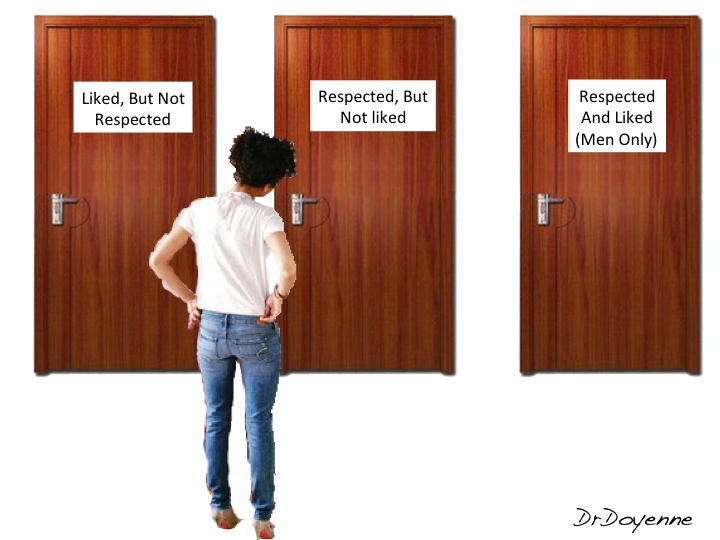
“Double bind” communication in parenting refers to a chronic pattern of contradictory messages from a caregiver that put a child in a no-win situation. Gregory Bateson and colleagues (1956) first described the double bind as a communication dilemma in which a child receives two or more conflicting commands or signals such that any response they make is “wrong,” and they are not permitted to resolve or even acknowledge the contradiction brittwolfe.com gettherapybirmingham.com. In practice, the parent’s messages negate each other – for example, a parent might encourage a child to speak freely about their feelings but then punish or shame the child for doing so, effectively requiring openness and silencing at the same time psychologytoday.com. Several key features define a double-bind scenario in parenting:
- Conflicting Messages: The parent sends incongruent signals on different levels (verbal vs. nonverbal, or stated vs. implied expectations). One classic example is a parent saying “I love you” while physically pulling away or sneering – the words invite closeness, but the body language conveys disgust en.wikipedia.org. The child is confronted with paradoxical instructions (e.g. “Be close to me” and “Stay away”) that cannot be satisfied simultaneously psychologytoday.com.
- No Escape or Resolution: The child cannot escape the bind or resolve it. Double binds typically occur in the context of a relationship the child is dependent on – the parent holds power, and the child is not allowed to point out the contradiction or withdraw brittwolfe.com. Any attempt to address the inconsistency may be met with denial or further punishment. The result is a “damned if you do, damned if you don’t” bind in which whatever the child does is met with disapproval gettherapybirmingham.com brittwolfe.com.
- Chronic Pattern: Double-binding isn’t a one-time mix-up; it’s repeated enough to become an ingrained pattern in the family communication psychologytoday.com. Over time, the child learns that contradictory and confusing feedback is the norm. This chronic exposure conditions the child to constant uncertainty and anxiety, as they are perpetually bracing for the next no-win scenario.
In essence, double-binding parents create an environment of constant confusion and self-doubt. The child receives mixed messages like “Do well, but not that well” or “Comfort me, but stop being so needy.” They are often forbidden from acknowledging the inconsistency, which teaches them to distrust their own perceptions. Bateson originally hypothesized that growing up amid relentless double binds could contribute to serious psychological disturbances (notably, he linked it to schizophrenia in early theory) psychologytoday.com. Today, we recognize double-binding communication as an insidious form of emotional abuse that can derail healthy development by trapping a child in pervasive conflict and helplessness brittwolfe.com.
Read further in Microsoft Word file:




 The Glorious Quran and Science
Leave a comment