
Presented by Zia H Shah MD
ABSTRACT
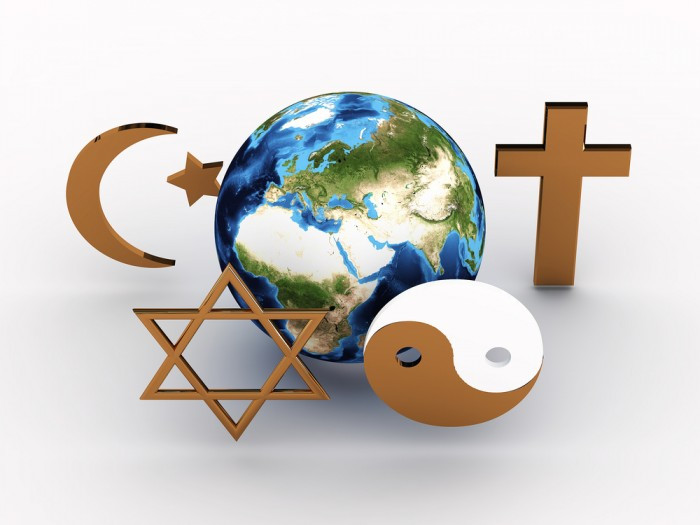
The concept of universal salvation — the question of who is ultimately saved and by what criteria — stands as one of the most profound and contested questions in the history of religion. Across Islam, Christianity, and Judaism, this question has never been answered in a vacuum. Rather, it has been shaped, stretched, and reoriented by the political, military, and social contexts in which believers found themselves. In times of peace and coexistence, theologians have emphasized inclusive verses, divine mercy, and the salvific potential of sincere seekers regardless of formal affiliation. In times of war, siege, and persecution, the pendulum has swung toward exclusivism, particularism, and the conviction that only one’s own community possesses the keys to divine approval. This article examines that dialectic across the three Abrahamic faiths — drawing on their scriptures, their history, and the psychological forces that make universal salvation a luxury of peaceful times.
Read further in Microsoft Word file:


 The Glorious Quran and Science
Leave a comment