
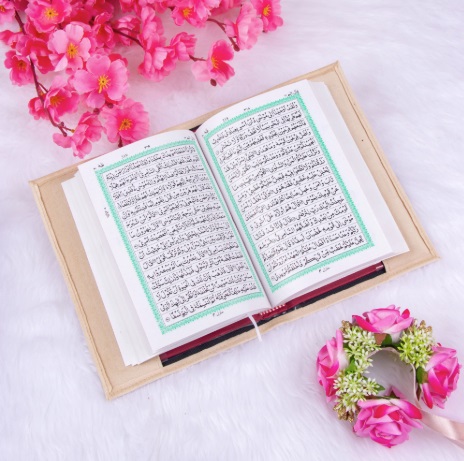
Epigraph
وَنُنَزِّلُ مِنَ الْقُرْآنِ مَا هُوَ شِفَاءٌ وَرَحْمَةٌ لِّلْمُؤْمِنِينَ ۙ وَلَا يَزِيدُ الظَّالِمِينَ إِلَّا خَسَارًا
And We send down of the Qur’an that which is healing and mercy for the believers, but it does not increase the wrongdoers except in loss. (Al Quran 17:82)
Presented by Zia H Shah MD
Abstract
For a devout Muslim, reciting the Qur’an is a sacred encounter linking the soul to God’s mercy. Qur’an 17:78–82 exemplifies this: it prescribes disciplined prayer (ṭalāwah) at dawn and night and affirms the scripture’s healing truth thequran.love. Psychologically, these verses function like a daily “spiritual software update” – each prayer (especially pre-dawn) anchors the believer’s attention and renews purpose thequran.love. The Qur’an itself is repeatedly described as a clear Arabic Book of guidance and mercy quran.com quran.com. In this commentary, we explore how following 17:78–82 cultivates mental tranquility, moral clarity, and continuous personal growth, drawing on Islamic sources and psychological insights.
Dawn and Night Prayers as Spiritual Anchors
Surah 17:78–79 enjoins believers to maintain prayers “from the decline of the sun until the darkness of night” and to rise in the late-night for additional worship quran.com previous.quran.com. In practice, these ritual timings bookend each day with periods of mindfulness. Dawn (fajr) prayer, in particular, is noted as “witnessed” by angels quran.com – a poetic way to emphasize its importance. Psychologically, pausing daily at dawn and dusk functions like scheduled breaks for reflection. Like guided meditation, each prayer refocuses the mind: it interrupts worldly stressors and provides emotional regulation. Contemporary studies support this effect: researchers observe that Qur’anic recitation can stimulate alpha brain waves, raise the threshold for stress, and induce relaxation pmc.ncbi.nlm.nih.gov. In other words, disciplined prayer reduces anxiety and promotes calmness.
Believers often describe a tangible calm arising from this practice. As one commentator puts it, regular recitation acts as a “spiritual software” that patches moral vulnerabilities and enhances wellbeing thequran.love. Each prayer becomes a mindful reset: before sleep and upon awakening, one quietly connects to something greater than daily worries. Over time, this rhythm anchors the psyche – much as morning and evening meditation can stabilize mood. In sum, 17:78–79 establish a daily cycle of devotion that bolsters the believer’s resilience and sense of purpose thequran.love thequran.love.
The Qur’an as Sacred Guidance and Clarity
Several related verses emphasize the Qur’an’s clarity and role as guidance. Surah Yusuf opens with “Ta, Seen. These are the verses of the Qur’an and a clear Book.” quran.com It immediately adds, “Indeed, We have sent it down as an Arabic Qur’an so that you may understand.” quran.com Likewise, Surah Fussilat (41:3) calls it “a Book whose verses have been detailed, an Arabic Qur’an for a people who know.” myislam.org And Az-Zukhruf (43:3) declares: “We have made it a Qur’an in Arabic; haply you will understand.” corpus.quran.com. In each case, the Qur’an asserts that its message is lucid and linguistically accessible (in classical Arabic).
From a psychological angle, this insistence on clarity is significant. Knowing the text is meant to be comprehensible gives the reciter confidence in its meaning. Listening to or reciting the Qur’an in Arabic is thus intended not as mere ritual but as an active mental process of understanding. The Qur’an’s melodies and phrasing engage the mind and heart simultaneously. As one modern author notes, the very cadence of the Qur’an can “enter one’s soul, calming it, and elevating it towards God’s presence,” even for listeners who do not understand every word thequran.love. In effect, the rhythm and choice of words work together to illuminate the mind – dispelling confusion. This corresponds to the Qur’an’s own claim to be “a clear light” (nūr mubīn) guiding humanity thequran.love. Thus, verses 17:78–82, in context with these other passages, present the Qur’an as a source of insight: through disciplined recitation in its original language, believers sharpen their understanding and find mental clarity.
Healing Truth and Moral Empowerment
Verse 17:81 proclaims: “Truth has come and falsehood has vanished. Indeed falsehood is bound to vanish.”quran.com This confident affirmation provides psychological assurance. By reciting it, believers assert that reality and morality (truth) will ultimately prevail. It can alleviate anxiety about injustice: the promise that falsehood is “bound to vanish” gives hope in difficult times. Immediately following, verse 17:82 adds: “We send down from the Qur’an that which is healing and mercy for the believers…”quran.com. Here the scripture portrays itself explicitly as “shifā’” (healing). For Muslims, recitation of these verses (and others like them) is therefore emotionally restorative.
This idea of the Qur’an’s healing power is borne out in believers’ experiences. Studies report that listening to Qur’anic recitation often brings a deep sense of peace and reduces negative emotionspmc.ncbi.nlm.nih.gov. The rhythmic tone and meaning together comfort the listener. For example, just as one might find solace in soothing music, the faithful hear the divine words as a balm for the heart. As one scholar observes, recitation can literally move people to tears or shivers of awethequran.love – a spiritual release of tension. Over time, internalizing verses that emphasize mercy and truth can reframe one’s outlook, replacing fear with trust.
These themes are echoed elsewhere in the Qur’an. Surah An-Naml (27:1–2) similarly begins: “Ta, Seen. These are the verses of the Qur’an – a Book clear in itself, a guidance and good tidings for the believers.”myislam.orgmyislam.org. In context, 17:81–82 reinforce that message: the believer finds in the scripture not only legal or theological guidance but tangible hope and cure. Reciting “true has come” is like reaffirming an internal value; reflecting on “healing and mercy” is like consciously self-soothing. In short, these verses psychologically reassure the believer that divine guidance is both just and benevolent.
Divine Reminder and Moral Call
Beyond personal solace, the Qur’an’s revelations serve to awaken moral consciousness. Surah An-Nahl (16:2) characterizes revelation as God sending angels “with the inspiration of His command” to prophets, with the message: “Warn [mankind] that there is no deity except Me, so fear Me.”myislam.org. Psychologically, this frames the Qur’anic message as a solemn reminder of accountability. Hearing or reciting such verses repeatedly keeps the idea of God’s oneness and judgement at the forefront of one’s mind. Similarly, Surah Taha (20:113) notes that God sent down the Qur’an in Arabic with warnings “that perhaps they will avoid [sin] or it will produce in them the remembrance.” myislam.org. In other words, the text is intended as a cue to dhikr (remembrance) – to make believers mindful of their purpose and choices.
Practically, this means that the act of recitation is coupled with ethical reflection. Each time one proclaims verses about God’s majesty or the Day of Reckoning, the heart is nudged towards humility and conscientiousness. For example, one might chant the praise in 17:80 (“My Lord! Grant me an honourable entrance and exit…”quran.com) as a prayer for integrity and divine support. This instills confidence while also acknowledging personal limits. In every phrase the believer hears, there is an implicit command: live righteously. Thus, 17:78–82, read alongside verses like 16:2 and 20:113, form a psychological system of priming—they prime the subconscious toward gratitude, fear of God (taqwā), and moral vigilance. In effect, the recitation becomes a practice of self-reprogramming: regularly articulating divine truths strengthens virtues and deters wrongdoing.
Epilogue: A Journey of Continuous Growth
Taken together, Qur’an 17:78–82 outline a spiritual regimen that supports ongoing inner transformation. The believer starts each day at Fajr with the Word of Truth, rests at night in prayer, and maintains a constant dialogue with God’s messages. Over time, this regimen leads to cumulative change. As one commentator metaphorically notes, frequent Qur’anic recitation “enhances the Muslim’s spiritual and mental well-being,” serving as a “routine reset” that nurtures inner peace and purposethequran.love. Each day’s practice is a step in a larger journey — a continuous “software update” of the soul that patches errors, adds capacity for compassion, and refines moral ‘code’thequran.love.
This concept of ongoing refinement is itself a key theme of the Qur’an. In Islamic tradition, the scripture is called guidance (hudā) and criterion (furqān) thequran.love, inherently meant to be applied moment by moment. The last verses of 17:78–82 encapsulate this mission: by affirming truth’s victory and the scripture’s healing role, they re-energize the believer at each cycle. The experience of reciting and listening to these verses is therefore more than ritual; it is a personal conversation with the Divine that continually recasts life as sacred. In this sense, the psychological commentary on 17:78–82 reveals not only how these verses comfort and inspire individuals, but also how they weave a transformative routine of faith. The journey of a Muslim is thus one of perpetual growth — each recitation guiding the heart “from darkness into light,” fine-tuning one’s character and deepening the relationship with the Most Gracious, Most Merciful.
Sources: This analysis draws on the Qur’anic text itself and scholarly interpretations quran.com previous.quran.com quran.com quran.com. It also uses academic studies on recitation’s benefits pmc.ncbi.nlm.nih.gov and reflections on the Qur’an’s spiritual impactthequran.love thequran.love to connect scripture with psychological insight. All verses and commentary are cited from established translations and tafsīr.



 The Glorious Quran and Science
Leave a comment