
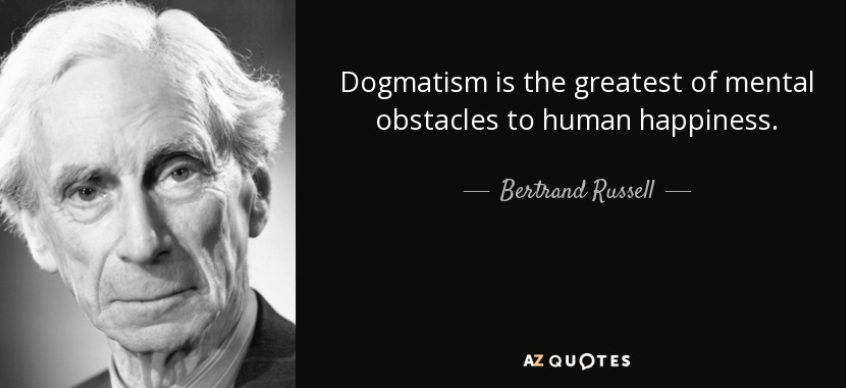
Presented by Zia H Shah MD
Kripkean dogmatism describes a cognitive pattern where one’s prior belief acts like a filter on all new evidence: when presented with mixed evidence, each person bolsters the portion that confirms their initial view and dismisses the rest as “misleading”. In religious debates this means sectarians often start with accepted doctrines (e.g. who was the Prophet’s rightful successor, what counts as an authentic hadith, etc.) and then treat any counter-claims as spurious. Psychologically, exposure to the same arguments tends not to reconcile opponents, but rather to make each side more certain of its own viewthemuslimtimes.info. As one study puts it: “Our attitudes become increasingly polarized” as shared evidence is interpreted through opposing priors. In intra- and inter-sectarian Muslim discourse this pattern shows up repeatedly: Sunnis, Shias (Twelvers), Ismailis, Sufis and Ahmadis each cling to their traditional narratives and dismiss alternative evidence, hardening the divisions between them.
Sunni Islam
Core beliefs: Mainstream Sunnis hold that the first four Caliphs (Abu Bakr, ‘Umar, ‘Uthman, and then ‘Ali) were the Prophet’s rightful successors by consensus. They rely on the six “canonical” sahih hadith collections (Bukhari, Muslim, etc.) and a long tradition of juristic and theological interpretation. Interpretation of evidence: A Sunni typically treats any report within these sources as prima facie authentic and views contrary reports (for example, hadith emphasizing ʿAlī’s primacy) as weak or context-bound. For instance, the Shia point to the Prophet’s words at Ghadir Khumm (“Whoever I am mawla to, ʿAlī is mawla to”) as establishing ʿAlī’s leadership. Sunnis counter that this was a moment of praising ʿAlī, not appointing a successor. Each side cites their preferred chains of narration and scholarly commentaries, often disregarding the other’s authorities. A Sunni debater might immediately reject a Shia hadith by saying it is “fabricated by partisan scholars,” while accepting a similar statement in Sunni sources as factual. This fits the Kripkean pattern: the initial commitment (e.g. “the first Caliph was rightly chosen”) licenses dismissing any evidence to the contrary.
Intra-Sunni variation: Even within Sunnism there are divisions that show dogmatic traits. Salafi/Wahhabi Sunnis often denounce Sufi practices (shrines, dhikr chants, saint veneration) as innovations (bidʿa), while many other Sunnis (e.g. Hanafi or Shafi‘i) view Sufism as a legitimate pious tradition. Each camp treats the other’s evidence as flawed. For example, when a Salafi cites a hadith forbidding grave visitation, a Sufi replies with Quranic verses on remembrance of saints, and each labels the other’s use of scripture as selective. Similarly, among the four Sunni legal schools there are disputes on ritual details (hands raised in prayer, combining prayers without travel, etc.) in which each school regards its own jurisprudence as faithful to the Prophet and regards the others’ rulings as incorrect or unfounded. Participants typically refuse to revise their own view in light of the others’ legal arguments, often pointing to established authorities to justify ignoring contrary evidence.
Contemporary polemics: Online forums and lectures reveal the dogmatism. A common pattern is “talking past each other”: one Sunni scholar cites classical texts on Sunni creed, then a Shia interlocutor cites Shia scripture; neither persuades the other. Social media clips often show sectarians asserting their prior beliefs (e.g. a Sunni cursing the killers of ʿUthmān, a Shia emphasizing Karbala) without engaging the other’s proof. Each side’s supporters chime in to repeat slogans or selective quotes. This exemplifies the Kripkean effect: as each person (or group) encounters more of the same mixed evidence (tweets, posts, sermons), they become more entrenched rather than convergentthemuslimtimes.info. In extreme cases, major Sunni clerics have issued fatwas declaring certain Shia groups kafir (apostate); Shia authorities in turn condemn such blanket takfir. These acts solidify group boundaries: dissenting evidence is recast as malicious propaganda or British conspiracy (for example, some Sunnis claim Western plots behind Shia narratives, and some Shias allege an “Umayyad conspiracy” behind Sunni texts).
Twelver Shiʿism
Core beliefs: Twelver Shias believe that ʿAlī, the Prophet’s cousin and son-in-law, was divinely appointed as first Imam, followed by eleven of his descendants, and that their guidance is essential for true Islam. The Twelver tradition has its own Hadith books (the Four Books) which include narrations about the Ahl al-Bayt (the Prophet’s family). Interpretation of evidence: A devout Twelver will interpret key Quranic verses and hadith in light of the Imamate doctrine. For example, verse 5:55 (“Only Allah’s wali is one who believes… who establishes prayer”) is read by many Shias as referring to ʿAlī. Sunni scholars interpret it more generally (believing interpretations do not name an individual). Shias accept reports (even with weak chains) that glorify ʿAlī or the Imams, and they often dismiss critical reports about the Imams as fabricated. For instance, when Sunnis cite Sahih Muslim to say “May Allah disfigure the thieves of ʿAlī,” Shia critics will challenge the chain’s reliability. Conversely, a Sunni might cite a famous hadith “All of my community will be right as long as they keep to my Sunnah,” implying the Sunni way is correct. Shias often respond that this hadith does not imply the first Caliphs’ rightness, again rejecting the common ground.
Internal Shia debates: Among Shias there are also dogmatic splits. The Usuli–Akhbari debate (a 18th-19th C. debate among Twelvers) hinged on whether one should use independent reasoning (ijtihad) or rely strictly on textual reports. Akhbaris (who advocated rejecting ijtihad) often dismissed any new rationalist argument (by Akhbari standards it is “un-Shia” to use consensus alone). Meanwhile the Usuli (majority today) use their own clerical chain of reasoning. Each camp viewed the other as neglecting part of the truth, and were slow to acknowledge counter-interpretations. More broadly, Shias in Iran vs Shias in Lebanon or Iraq sometimes clash over political theology (e.g. velayat-e faqih vs quietism), and these debates also show polarization: each side claims doctrinal primacy and often labels dissenters as misguided or influenced by foreign powers.
Inter-sectarian contention: Shias often feel persecuted by many Sunni regimes, which reinforces their in-group cohesion and wariness of Sunni evidence. For example, in Sunni-majority countries historical accounts of Karbala (Imam Husayn’s martyrdom) are often downplayed, so Shias cite their own historical sources. Sunnis accuse Shia accounts of exaggeration; Shias say Sunni histories were sanitized by ruling dynasties. On jurisprudence, Shias pray sitting on a small clay tablet (turbah) and combine prayers differently than Sunnis; they justify this by hadith and the practice of Imam ʿAlī. Sunni critics denounce these as innovations with no basis. Such exchanges breed dogmatism: each side treats its own practice as authentic and the other’s as error. Even shared symbols (like certain Quranic verses) get polarized readings; like Kripke’s example of two believers with mixed evidence, Shias and Sunnis see the same texts and yet grow “more confident of [their] view” as they filter out the rival interpretation.
Ismaili Islam
Core beliefs: Ismailis are a branch of Shia Islam who diverged after the sixth Imam. Today, most Nizari Ismailis follow the Aga Khan as a living Imam, while Mustaʿlī Ismailis (e.g. Dawoodi Bohras) recognize a different line of Imams. Ismailism places strong emphasis on the esoteric (batin) meaning of scripture and an active, present leadership. Interpretation of evidence: An Ismaili often approaches texts allegorically. For example, verses about lineage or leadership may be read symbolically. When challenged, an Ismaili interpreter (especially among Nizaris) might argue that Sunni- or even Twelver-derived texts lack the deeper meaning revealed by the Imam. Conversely, Twelver Shias and Sunnis often view Ismaili taʾwīl as unwarranted innovation. They may dismiss Ismaili claims as secrecy or deviation, insisting on literal or standard interpretations. For instance, classical Hadith that Shia accept about Imams might be downplayed by Ismailis as referring only to early figures, not to later Imams like Aga Khan. Sunnis will call Ismaili esoteric readings “theorizing,” while Ismailis see Sunni plain meanings as incomplete.
Intra-Ismaili splits: Ismailis themselves experienced dogmatic splits (e.g. the Nizari–Mustaʿlī schism, and within Mustaʿlis the Sulaymani vs Dawoodi split). Each branch developed its own authoritative narratives. In debates, they often cite their own chains through different Imams. Each branch’s members are typically convinced their Imam’s lineage is the true one and may view the others as misguided. These internal disputes follow the same pattern: each side absorbs its own evidence (lineage charts, sermons) and dismisses the rival’s as politically or religiously unsound. Because Ismailis historically lived in tight-knit communities, open debate is rarer; but when it does occur (for example on interfaith panels or internet forums), it quickly reflects prior commitments.
External relations: Ismailis today are a small minority (less than 1% of Muslims), so they are seldom targeted in mainstream polemics. When they are, other Muslims often caricature them as “esoteric,” “secretive,” or even accuse them of hidden agendas (an echo of conspiratorial thinking). Ismailis, for their part, often cultivate a cosmopolitan image and may avoid polemics, but they too hold firm to their tradition’s claims when challenged. Because Ismaili theology accepts a living imam, they tend to treat any evidence contradictory to that belief as irrelevant – any hadith implying no living guide would be marginalized. Meanwhile non-Ismailis treat the idea of an Aga Khan or Hazar Imam as incompatible with orthodox Sunni-Shia doctrine, and thus reject any supporting texts (e.g. sermons or letters) as modern interpolations.
In summary, Ismailis exhibit Kripkean-like dogmatism by privileging the Imam’s guidance above textual claims: an Ismaili will view evidence through the lens of wilāyat (the Imam’s authority) and dismiss anything suggesting the line is broken. Outsiders, trusting only earlier reports, dismiss Ismaili texts as non-binding or influenced by sectarianism. As a result, dialogues rarely shift anyone’s view – each side treats its own “insider” evidence as conclusive and the other’s as spurious.
Sufism
Core beliefs: Sufism is the mystical dimension of Islam, not a separate sect but a network of spiritual orders (ṭuruq) found mostly within Sunnism and Shiʿism. Sufis emphasize personal spiritual experience, saints (awliyā’), and inner meanings of scripture (similar to Ismailis but within broader Sunni or Shia context). Interpretation of evidence: Sufis often cite the lives of saints and Quranic verses on divine love and remembrance. For example, a Sufi might point to Qur’an 87:14 (“his wealth has not prevented him from [the remembrance of] Allah”) to support meditative practices. Many mainstream Sunnis (especially Salafis) counter that such verses have a general meaning and that no saint is inherently special. When Sufis mention sayings of saints (e.g. Rumi, Ibn ʿArabī), strict literalists dismiss them as uncanonical. Conversely, many Sufis disregard the literalistic strictures by saying God’s message can be experienced beyond the words. For instance, the controversial Sufi concept of waḥdat al-wujūd (“oneness of being”) is taken by critics as pantheism; Sufis reply that critics lack the inner understanding.
Conflict and dogmatism: In some regions (notably Saudi Arabia or parts of Pakistan), ultra-conservative Sunnis have violently opposed Sufism: tombs of saints were demolished as shirk, and Sufi gatherings called un-Islamic. Online, debates over practices like Mawlid (celebrating the Prophet’s birth) follow a dogmatic script. A hardline Sunni will cite hadith that allegedly forbid innovations in worship; a Sufi will cite other hadith and historical practice to justify celebrating. Each side trusts only its proofs: the Sufi gives no quarter to those hadith because (for example) they were classified as weak or seen as contextual by their own scholars. The Salafi dismisses the Sufi’s chains of reasoning. As with Kripke’s model, whichever perspective one learned first (strict literalism or mystical exegesis) determines which evidence is “misleading”.
Interactions: Sufism also crosses sectarian lines: there are Sunni Sufi orders (Chishtī, Qādirī, Naqshbandī, etc.) and Shia Sufi orders (Nimatullāhī, Ni‘matullāhī, etc.). Interestingly, clashes can even occur between Sufis of different backgrounds: e.g. a Salafi-Inclined Sunni condemns any shrine-veneration, whether claimed by a Sunni or a Shia saint. Meanwhile, some moderate Sufi groups try to bridge divides (for instance, communal prayers at shared shrines), but these attempts often get shut down by dogmatic critics on both sides. The net effect is familiar: each camp’s prior belief in either mystical authority or strict textualism filters all quotes, so dialogues repeatedly reach an impassethemuslimtimes.info.
Ahmadiyya Muslim Community
Core beliefs: Ahmadis (founded 19th-century by Mirza Ghulam Ahmad) believe Muhammad was the last law-bearing prophet, but that Ahmad was the Promised Messiah and a subordinate prophet. This contravenes the Sunni-Shia doctrine that Muhammad is Khatam al-Anbiyā’ (“Seal of the Prophets”) in an absolute sense. Interpretation of evidence: Ahmadis argue that the Quranic phrase “last prophet” should be understood as “last law-giving prophet,” citing classical lexicons. They produce hadith and Quranic exegesis to support this nuance. Sunnis reject this, insisting that even subordinate prophetic claims are forbidden by clear texts. For example, Ahmadis cite a hadith “There shall be at most 30 prophets and there has been 25 so far, and I am Allah’s seal.” Most Sunnis answer that this hadith is weak or allegorical and lean on the Quranic usage of Khatam. Each side treats the other’s evidence as inherently flawed: Ahmadis say Sunni scholars have misread language, while Sunnis say Ahmadi interpretations violate the consensus (ijmāʿ).
Contemporary disputes: In countries like Pakistan, Ahmadis have been officially declared non-Muslim. The dogmatic rigidity is institutionalized: Ahmadis are legally banned from calling themselves Muslims or using Islamic symbols (e.g. the shahada on their flag) based on the entrenched Sunni view of finality. Attempts by Ahmadis to present counterevidence (e.g. historical instances of spiritual figures) are usually met with outright refusal to consider it. In online debates, an Ahmadi claiming scripture (like Quran 33:40’s wording) is often shut down by mainstream Sunnis labeling him a heretic, and he counters by accusing them of copying colonial-era mistranslations. Each side’s community strongly polices “deviation.” This is quintessential Kripkean dogmatism: if an Ahmadi encounters a Sunni scholar’s refutation first, he will treat it as misleading and hold to Ahmadi views (and vice versa). Indeed, many Ahmadis report that no amount of scripture or logic from non-Ahmadis can change their belief, because their belief in Ahmad’s messiahship is taken as foundational.
Internal Ahmadi differences: (Less central but worth noting) The Ahmadiyya split into Qadiani and Lahori factions in the early 20th century over the nature of prophethood of Ghulam Ahmad. Qadianis (the larger group, whose descendants are the worldwide Ahmadiyya) eventually saw Ahmad as a kind of prophet. Lahoris emphasized reformist Islam without a new prophet. The Qadiani-Ahmadis treat Lahoris as misguided for denying what they see as Ghulam Ahmad’s clear claim; Lahoris treat Qadianis’ claims as innovations beyond Islam. Neither side gives weight to the other’s arguments – each is locked into its own interpretation of Ahmad’s writings (echoing the pattern of treating contrary evidence as “misleading”).
Common Patterns Across Sects
Across these traditions, several recurring themes illustrate Kripkean dogmatism in Muslim debates:
- Succession and Authority. Every group has its baseline view of legitimate leadership. Sunnis rely on historical caliphate; Twelver Shias on the Imamate of ʿAlī and his lineage; Ismailis on the line of Imams culminating in the Aga Khan; Ahmadis on Mirza Ghulam Ahmad; Sufis on the spiritual chain of saintly patrons. When they look at the same early Islamic events (Abu Bakr’s election, the Saqifa, Husayn at Karbala), their prior allegiance directs them to different conclusions. Each sect treats the opposite narrative as inherently suspect. In Kripkean terms, one’s first-accepted tradition acts as “evidence E1” that any contradictory narrative (“evidence E2”) is misleading.
- Hadith and Textual Sources. Most debates hinge on which hadith are true. For example, Sunnis might quote Sahih Bukhari to show the Prophet praised Abu Bakr; Shias counter with hadith from Shia collections where the Prophet explicitly appoints ʿAlī. Each side dismisses the other’s reports. As one analyst notes, “what I end up believing will depend on which of the two authorities I consult first” (paraphrasing Kripke). This is seen when two equally authoritative hadith collections (Sunni vs. Shia) lead to opposite beliefs depending on the reader’s starting point.
- Scriptural Interpretation. Shared Quranic verses are contested. For instance, verse 61:6 (Jesus foretelling a messenger after him, interpreted by Ahmadis as prophecy of Ghulam Ahmad) is read by others in non-Ahmadi ways. Verses about “ahl al-bayt” or “uwla” are viewed through sectarian lenses. Because each group has an a priori theological lens, the same text yields different “takeaways.” This is another hallmark of dogmatism: two groups can look at identical evidence and see entirely different meanings, then dismiss the “wrong” meaning as obviously biased.
- Jurisprudence and Ritual. Divergent legal opinions (Sunni schools vs. Shia fiqh, or Sufi customs vs. Salafi views) also show resistant attitudes. If one side cites a scriptural proof for a practice, the other often rejects that proof or claims a higher principle overrides it. For example, on combining prayers: Sunnis generally require a reason (travel, rain) to combine, citing hadith, while Shias combine regularly; Shias cite early Imams’ practice or general mercy-based interpretations, while Sunnis call this an excuse. Neither side is willing to give up its evidence.
- Online Polemics. On forums and social media, Muslim sectarian arguments follow predictable dogmatic scripts. A user will post a Quranic verse or hadith to support their sect’s view, others will answer by quoting a counter-hadith, and this exchange escalates. Each respondent labels the other’s quotes as weak or fabricated. Rarely does anyone concede or find common ground. Such exchanges often devolve into name-calling (e.g. “Wahhabi”, “rafidhi”, “bid’ah”), which itself is evidence of polarization: each group’s identity becomes defined against the “misguided other,” making them more resistant to counterevidence.
In all these debates, dogmatic resistance is palpable. Each sect’s believers tend to “hardly even consider” opposing interpretations (the psychological alternative model to Kripkean dogmatism) and instead interpret new arguments through their existing lensthemuslimtimes.info. For example, many Shias say “Even if that report were authentically traceable to the Prophet, I would still not accept it if it conflicts with my doctrine,” and many Sunnis feel similarly about their own key beliefs. This resembles the classical Peirce anecdote cited in the Kripkean analysis: a free-trade believer refuses to read an opposing newspaper for fear of changing his mind.
Ultimately, Kripkean dogmatism in these intra-Muslim debates means that prior belief determines interpretation of shared data. Whether discussing the Prophet’s succession, legal rulings, or the nature of religious leadership, each community treats its prior commitments as axiomatic and views any counterevidence as suspect. The result is entrenched sectarian discourse: disagreements seldom diminish with debate, and often intensify, as each side selectively assimilates evidence that reinforces its worldview and dismisses the rest.
Sources: This analysis draws on the concept of belief polarization and “Kripkean dogmatism” outlined by scholars (as summarized in Z. H. Shah, 2020) themuslimtimes.info, applying it to known Sunni, Shi‘i (Twelver and Ismāʿīlī), Sufi, and Aḥmadī perspectives. (Citations are given for key general claims about dogmatism; specifics of Islamic belief are based on widely documented doctrinal positions.)


 The Glorious Quran and Science
Leave a comment