
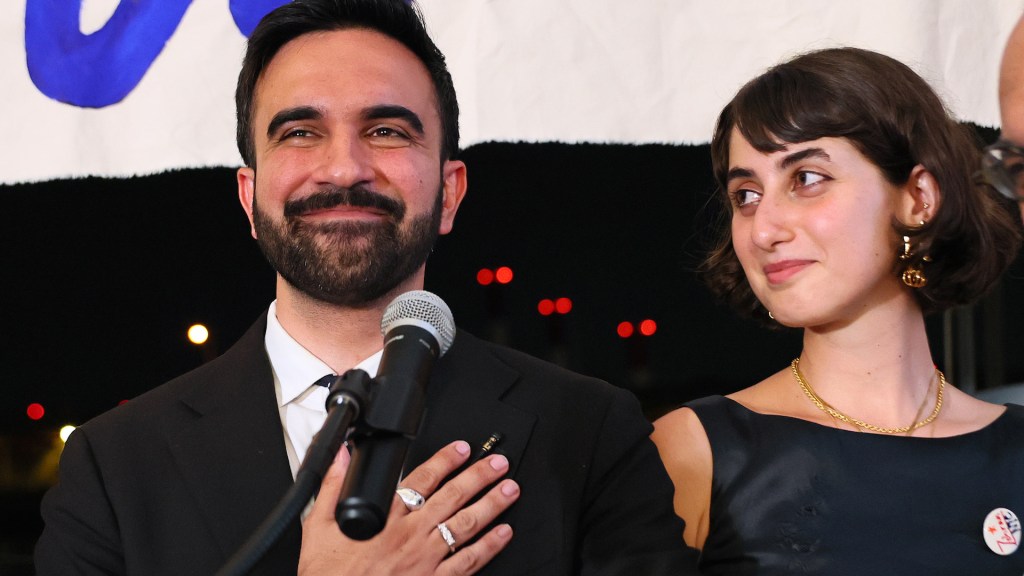

Presented by Zia H Shah MD
Zohran Mamdani’s election as New York City’s mayor made history as he became the city’s first Muslim mayortheguardian.com – a milestone that resonated deeply with Muslims in America and around the world. His message of solidarity and justice galvanized an unprecedented grassroots movement. Guardian reporting notes Mamdani “catalysed the largest voter turnout in the city in more than half a century”, driven by an “unstoppable force” of volunteerstheguardian.com. On victory night he honored that army of supporters, calling them “an unstoppable force” whose door-to-door canvassing had “eroded the cynicism” of politicstheguardian.com. In symbol and in strategy, this win became a powerful emblem of Muslim unity – as African-American, Latino, Asian and white supporters came together under a banner of inclusive change.
Grassroots Surge: Youth and Volunteer Mobilization
Mamdani’s campaign broke the mold with a bottom-up mobilization. He built a volunteer juggernaut – more than 100,000 New Yorkers (far larger than any previous NYC campaign) knocked on doors and powered phone bankstheguardian.comtheguardian.com. Crucially, the movement was fueled by young people: the Guardian highlights an “army of young supporters” energizing the racetheguardian.com. In fact, exit polls showed 78% of voters aged 18–29 backed Mamdanitheguardian.com. First-time canvassers of all ages embraced his message of economic fairness, from promises to “freeze the rents” in one million city apartmentstheguardian.com to calls for universal transit and healthcare. Volunteers shared their own stories on doorsteps, breaking with old campaign normstheguardian.com. This broad base of grassroots organizing – small donors, neighborhood canvassers and spirited youth – flipped districts long ignored by top-down politics. The result: working-class boroughs like the Bronx swung decisively toward Mamdani, and turnout surged in neighborhoods with large Muslim populationstheguardian.comtheguardian.com. In short, Mamdani’s victory was won on the ground, illustrating the power of a united, multigenerational mobilization.
A Coalition of Faith and Communities
A key to Mamdani’s win was building bridges across faiths and ethnic communities. His background and outreach signaled inclusion: his campaign released materials in Urdu and Bengali (as well as Spanish) to reach Muslim South Asian and immigrant voterstheguardian.com. During Diwali festivities, over 60 interfaith leaders — Hindus, Sikhs, Christians, Jews, Jains and Muslims – joined together to endorse Mamdaninewindiaabroad.com. Groups like “Hindus for Zohran” highlighted him as a candidate of hope and justice for all New Yorkersnewindiaabroad.com. Muslim organizations (e.g. the Muslim Democratic Club and Emgage) organized phone banks and rallies; turnout among New York’s roughly 380,000 Muslim voters roughly doubled on election daytheguardian.com. Imam Shamsi Ali captured the sentiment when he declared “Zohran will be the mayor for all New Yorkers” and said Mamdani would make the city “better, prosperous and more compassionate”newindiaabroad.com. Mamdani even partnered with Jewish leaders: his campaign collaborated with Comptroller Brad Lander to fight antisemitism despite policy differences, exemplifying an interfaith unity of purposeinterfaithalliance.org. In sum, faith-based and cross-ethnic coalitions turned out en masse, affirming that this campaign was shared by many communities as a collective project of solidarity.
Policy Platform: Local Justice and Global Conscience
Mamdani’s platform linked domestic equity to global justice, speaking to concerns of American Muslims and the wider ummah. Locally, he championed economic and social reforms: rent freeze, expanded public transit, universal health care, and criminal justice reform – issues affecting immigrant and working-class families. For example, one of his core pledges was to freeze rents in New York’s one million rent-stabilized apartmentstheguardian.com, directly addressing the housing crisis felt in Muslim neighborhoods.
At the same time, Mamdani spoke boldly on international issues important to many Muslims. He denounced the use of American aid in ways that harmed civilians abroad. After a ceasefire in Gaza, he called it “a glimmer of hope” for rebuilding and reiterated that US taxpayers should not fund “genocide” and “occupation”ndtv.comndtv.com. He openly demanded an end to “occupation of and apartheid” against the Palestiniansndtv.com. In his view, fighting Islamophobia at home and demanding human rights abroad were part of the same commitment to justice. This fusion of local and global policy appealed broadly: many Muslims saw in Mamdani a leader who would take seriously both the daily challenges of immigrant New Yorkers and the ethical issues facing the global Muslim community.
Global Reactions: Diaspora Pride and International Solidarity
Mamdani’s victory reverberated far beyond New York’s borders. In his native Uganda, the news was met with celebration: one mentor exclaimed “The Ugandans are having their Mamdani moment!” and cheered, “if he did it, yes we can”cbsnews.com. Across Africa, media heralded that a “hometown son” of Uganda had triumphed in the U.S.cbsnews.com. In London, Mayor Sadiq Khan – who himself made history as London’s first Muslim leader – voiced solidarity, noting that in both New York and London “hope won” over fearcbsnews.com. Khan wrote that having two of the world’s most diverse, influential cities led by proud Muslim mayors was “extraordinary” yet stresses it was their agenda – not faith – that brought victorycbsnews.com.
The reaction was especially vibrant in the Arab and Muslim world. Regional media in Syria, Iran, Qatar and Egypt splashed headlines on his winynetnews.comynetnews.com. In Syria, where Mamdani’s wife is Syrian, news outlets affectionately dubbed him their “brother-in-law”ynetnews.com. Syrian commentators cheered that “he is a Muslim” winning in New York, carrying “the voice of the marginalized”ynetnews.com. Arab outlets saw his Gaza-stance as pivotal: one noted his victory was hailed as a turning point and “a crushing blow to Zionism and Trump”ynetnews.com. Even major publications like Time highlighted how two global capitals were led by Muslim mayors, reflecting a spirit of Muslim empowerment worldwidecbsnews.com.
Looking Ahead: Sustaining Unity and Hope
Mamdani has already vowed to keep this movement alive. Campaign insiders say he’s “determined not to make the same mistake” as past leaders by letting the volunteer energy dissipatetheguardian.com. He speaks of channeling this “army” into broader social action. For New York’s Muslims and others who celebrated his win, the future is bright: a symbolic breakthrough that there is political power in unity and strategic mobilization. Mamdani’s victory stands as proof that diverse Muslim communities – when united by shared values – can overcome cynicism and reshape politics. As one observer noted, after decades of feeling invisible, “so many Muslims have been inspired by Zohran’s campaign” and are “proud of America being their home”theguardian.com. With this momentum, activists on both sides of the globe look toward a hopeful horizon of continued solidarity, inclusion, and change.
Sources: Reporting from The Guardian, CBS News, Ynet, NDTV, and others was used to compile this analysistheguardian.comtheguardian.comnewindiaabroad.comynetnews.comcbsnews.comndtv.com, drawing on interviews and data about Mamdani’s campaign, endorsements, and global reactions. These sources illustrate how his win became a unifying moment celebrated by Muslims at home and abroad.

 The Glorious Quran and Science
Leave a comment