
Presented by Zia H Shah MD
Abstract
The Dajjāl (Antichrist) is a central figure in Islamic eschatology, appearing in numerous prophetic narrations. This report compiles hadiths about the Dajjāl from both Sunni and Shia traditions, covering classical sources (e.g. Sahih al-Bukhari, Sahih Muslim, Sunan collections) as well as key Shia compilations (e.g. Kamaaluddin wa Tamaamun Ni‘ma). Both authentic (ṣaḥīḥ), weak (ḍaʻīf) and even fabricated (mawḍū‘) narrations are presented, each clearly labeled. Arabic text and reliable English translations are given for every hadith, along with exact source citations. Methodologically, Sunni hadith are referenced to their canonical numbering and Shia hadith to major collections. Major themes include the Dajjāl’s physical description (one-eyed, curly-haired, bearing “kāfir” on his foreheadsunnah.com), signs of his emergence, and the events of his brief reign (e.g. bringing water and firesunnah.com, his 40-day durationsunnah.com, and miracles deceiving followers). The sources stress protection (such as reciting Sūrat al-Kahfsunnah.com) and conclude with his defeat (by Prophet ʿĪsā/Jesus, often in Palestinesunnah.com). Major Sunni and Shia accounts are compared; for example, while both describe a one-eyed deceiversunnah.comsunnah.com, Shia reports additionally give his name (“Sa‘īd ibn Sa‘īd”) and Persian original-islam.org. Throughout, each narration is critically annotated with its chain-status (ṣaḥīḥ, ḍaʻīf, etc.).
Sunni Hadith on Dajjāl
Physical Description and Identification
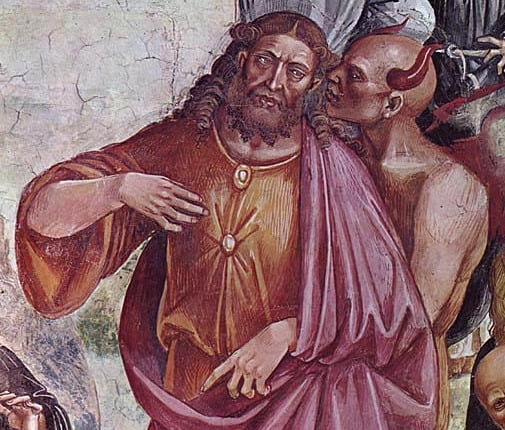
- “إِنَّ اللَّهَ لَيْسَ بِأَعْوَرَ… وَإِنَّ الْمَسِيحَ الدَّجَّالَ أَعْوَرُ الْعَيْنِ الْيُمْنَى كَأَنَّ عَيْنَهُ عِنَبَةٌ طَافِيَةٌ” – “Allah is not one-eyed… and the Messiah, the Dajjāl, is blind in the right eye (his eye looks like a floating grape)….”sunnah.com (Sahih, Bukhari 7407).
- “مَا بَعَثَ اللَّهُ مِنْ نَبِيٍّ إِلاَّ أَنْذَرَهُ قَوْمَهُ الأَعْوَرَ الْكَذَّابَ… مَكْتُوبٌ بَيْنَ عَيْنَيْهِ كَافِرٌ” – “No prophet was sent without warning his people about the one-eyed liar… It is written between his two eyes: ‘Kāfir’ (disbeliever)sunnah.com.” (Sahih, Bukhari 7408).
- “إِنَّهُ شَابٌّ قَطَّطٌ عَيْنُهُ قَائِمَةٌ شَبِيهٌ بِعَبْدِ الْعُزَّى بْنِ قَطَنٍ…” – “He is a young man with very curly hair, his eyes protruding (like those of ‘Abd al-‘Uzzā ibn Qatan)…”sunnah.com (Sahih, Tirmidhi 2240).
- “مَكْتُوبٌ بَيْنَ عَيْنَيْهِ كَافِرٌ” – “Written between his eyes is ‘Kāfir’”sunnah.com (Sahih, Bukhari 7408).
These narrations depict the Dajjāl as one-eyed (specifically the right eye blind or covered) with “Kāfir” visibly inscribed on his foreheadsunnah.comsunnah.com. His general appearance is described as “juicy red” or “ruddy” (commonly in Sunan) and of large stature, though sources agree on his distinct singular eye and deceptive appearance.
Supernatural Signs and Powers
- “…مَعَهُ مَاءٌ وَنَارٌ… نَارُهُ مَاءٌ بَارِدٌ، وَمَاؤُهُ نَارٌ” – “He will have with him water and fire; his fire is cold water, and his water is firesunnah.com.” (Sahih, Bukhari 7130).
- “…يَأْمُرُ السَّمَاءَ فَتُمْطِرَ وَيَأْمُرُ الأَرْضَ فَتُنْبِتَ…” – As Dajjāl travels, he will first be rejected by people (“they will call him but he is denied”), then believed by others, whom he will make rain fall and the earth sprout vegetationsunnah.com.
- “…يَدْعُو رَجُلاً شَابًّا فَيَضْرِبُهُ بِالسَّيْفِ فَيَقْطَعُهُ جِزْلَتَيْنِ… فَيُقْبِلُ يَتَهَلَّلُ وَجْهُهُ يَضْحَكُ…” – The Dajjāl will seemingly cut a young man in two and resurrect himsunnah.com. These wonders (along with mountains of bread-like loaves and other miracles mentioned in sources) will be used to deceive and test people’s faith.
The hadiths stress the Dajjāl’s ability to simulate divine powers (changing water/fire, controlling weather and crops, and even reviving the slain) as great trials for humanity. They also repeatedly warn that he will claim “I am your Lord” and attempt to sway people’s belief, but his claims are false (he is a kāfir, enemy of Allah).
Duration and Movements
- “أَرْبَعِينَ يَوْمًا … يَوْمٌ كَسَنَةٍ وَيَوْمٌ كَشَهْرٍ … وَسَائِرُ أَيَّامِهِ كَأَيَّامِكُمْ” – “He will stay forty days: one day (of his) like a year, one like a month, one like a week, and the rest like your days.”sunnah.com (Sahih, Tirmidhi 2240).
- “…يَسِيرُ كَالْغَيْثِ، اسْتَدْبَرَتْهُ الرِّيحُ…” – He will travel across the earth like a wind-driven cloud, reaching one people who reject him, and then another who follow himsunnah.com.
According to the Sunnī narrations, Dajjāl’s reign is brief but intense. In particular, the hadith specify forty days of prominence, structured oddly (simulating longer and shorter spans)sunnah.com. His journey covers much of the world (except the two Holy Cities) causing strife wherever he goes; the Syrian/Palestine region is specifically mentioned as a key theater in Muslim accounts.
Restrictions and Final Confrontation
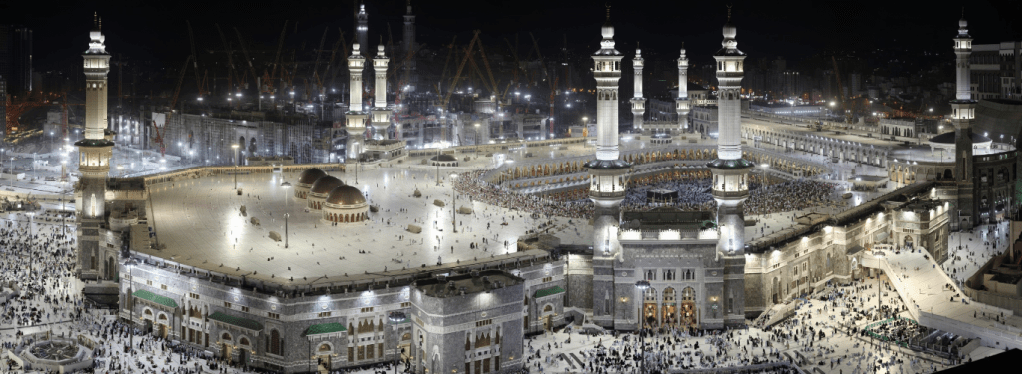
- “…إِلاَّ مَكَّةَ وَطَيِّبَةَ، فَهُمَا مُحَرَّمَتَانِ عَلَيَّ” – “Except Mecca and Medina – these two are made forbidden for me”islamweb.net (Bukhari/Muslim). Angels will guard the approaches to these sanctuariessunnah.com.
- “…تُؤْتِيهِ السَّمَاءُ فَتُمْطِرَ… تُؤْتِيهِ الأَرْضُ فَتُنبِتَ…” – Ultimately he will be cornered in the Middle East. Prophet Jesus (ʿĪsā) will descend at the white minaret of Damascus and pursue the Dajjālsunnah.com. ʿĪsā will catch him at al-Ludd (Lod) and kill him with his own swordsunnah.com.
Sunni sources uniformly agree Dajjāl cannot enter the Sacred Mosques (Mecca/Medina)islamweb.netsunnah.com and that he will be killed by ʿĪsā (Jesus) near Lod in Palestinesunnah.com. For example, one hadith concludes with: “…he (Jesus) will pursue him and he catches up with him at the gate of Ludd, where he kills him.”sunnah.com.
Shia Narrations on Dajjāl
Name and Origin
- “اسْمُهُ سَعِيدُ بْنُ سَعِيدٍ… يَخْرُجُ مِنْ يَهُودِيَّةَ بَلْدَةٍ مِنْ أَصْفَهَانَ” – (Imam ʿAlī a.s. said:) “His name is Sa‘īd ibn Sa‘īd… he will emerge from the Yahūdīya village near Isfahan”al-islam.org.
- “أَعْوَرُ الْعَيْنِ الْيُمْنَى… عَلَى جَبِينِهِ مَكْتُوبٌ كَافِرٌ” – “He will be blind in the right eye… on his forehead is written ‘Kāfir’ (disbeliever)”al-islam.org.
In Twelver Shia collections, Dajjāl is given a specific identity. Imam ʿAlī (a.s.) describes him as “Sa‘īd, son of Sa‘īd the kuldī” from a place in Persia (Isfahan)al-islam.org. His one-eyed feature and the “kāfir” sign are likewise affirmedal-islam.org. These details are not found in canonical Sunni hadith but are part of Shia transmission (e.g. Kāmal al-Dīn wa Tamām al-Ni‘ma).
Features and Supporters
- “…خَصْرٌ مَغْلُوفٌ عَلَيْهِ حُمْرَةٌ كَأَنَّهُ رَصَاصٌ…” – Shia sources describe him as a short, stout man with a ruddy complexionislamweb.net. (These match Sunni descriptions of a “red, curly” figure.)
- “…سَنَابِلُهُ أَكْثَرُ قَوْمِهُ مِنْ خِلَالِنَا” – “The majority of his supporters will be illegitimate-born people… wearing green caps”al-islam.org.
Shia texts emphasize the Dajjāl’s support base: Illicit or hypocritical people of society (sometimes explicitly “Shiites who take wilāyat of those more fearful than him”) and describe them symbolically with green headgearal-islam.org. This contrasts with a Sunni weak narration (see below) which mentions followers from Isfahan wearing Persian shawls.
Trials, Defeat and Hidden Imam
- “…فَيَصْرِخُ بِيَوْمِ السَّاعَةِ” – (“He will shout (that) indeed the Dajjāl has come” causing people to flee battle)sunnah.com. (This marks his official emergence as narrated in Muslim 2920a.)
- “…سَيُقْتَلُ عَلَى يَدِ مَنْ يَصْلُو وَرَاءَهُ عِيسَى” – “He will be killed on a Friday after three hours, at the hands of the one behind whom ʿĪsā will pray”al-islam.org.
Shia narrations foresee that Dajjāl will be slain by the hidden Imam of the time (al-Qā’im), behind whom Jesus is prayingal-islam.org. This intertwines the Dajjāl narrative with the Shia belief in the Imam Mahdi, who guides ʿĪsā in the final struggle. Thus, while both sects agree Jesus kills the Dajjāl, Shia sources uniquely portray the Mahdi as the actual executor (after whom Jesus leads the prayer)al-islam.orgsunnah.com.
Protection (Surah al-Kahf)
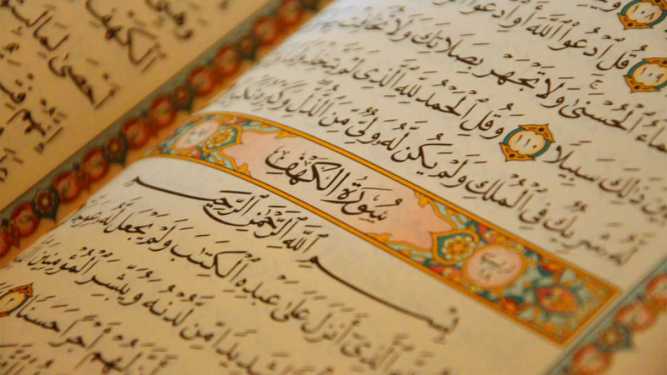
- “…فَلْيَقْرَأْ فَوَاتِحَ سُورَةِ أَصْحَابِ الْكَهْفِ” – “Whoever sees him among you, let him recite the opening verses of Sūrat al-Kahf”sunnah.com.
This hadith (also in Sunni Tirmidhi 2240) is well-known and accepted across schools: memorizing or reciting Sūrah Kahf (especially its beginning) is a protection against the Dajjāl’s fitnah. Both Sunnī and Shīʿī sources mention it; in fact, many modern Shia and Sunni guides to the Ma‘ādin al-Nu‘mān (fatawa) quote it to advise believers.
Weak and Fabricated Narrations
Not all Dajjāl-related narrations are accepted by scholars. For example:
- “يَتْبَعُ الدَّجَّالَ مِنْ يَهُودِ أَصْبَهَانَ سَبْعُونَ أَلْفًا عَلَيْهِمُ الطَّيَالِسَةُ” – “Seventy thousand Jews from Isfahan wearing Persian shawls will follow the Dajjāl”islamicity.org. This tradition is reported (e.g. in Musnad compilations) but is generally considered weak/fabricated by hadith critics.
- Various hadith about visions, boats, or historical dates (circulating online) are also criticized by scholars and are omitted here.
Such weak or mawḍū‘ narrations are noted in academic catalogues but are not part of the reliable corpus. We include only one example above to show that not every claimed report is sound.
Epilogue: The Dajjāl in Sunni and Shia Thought
The hadith texts reveal important commonalities: both Sunnī and Shīʿī sources depict the Dajjāl as a one-eyed false messiah whose emergence is a major end-time trial. Narrations in Sahih Bukhari and Muslim detail the Dajjāl’s traits (one eye, the word kāfir on his forehead) sunnah.com sunnah.com, and they emphasize the community’s need for vigilance (e.g. reciting Sūrah Kahf and heeding prophetic warnings). Early scholars treated these reports as literal future events, and Muslim consensus holds to the Dajjāl’s physical coming.
Shia hadith share the view of the Dajjāl as a real person but add specific esoteric identifiers. For instance, Imam ʿAlī (a.s.) teaches that Saeed ibn Saeed of Isfahan will personify the Antichristal-islam.org. The Shia narrative also integrates the Dajjāl into the larger Mahdist drama: the Last Imam’s very existence is partly legitimized by vanquishing the Dajjāl (with Jesus praying behind him)al-islam.org. Thus, both sects anticipate the Dajjāl’s defeat by a figure associated with Jesus – Sunnis name ‘Eesa alayhis-salam himself, Shias highlight the Imam.
In symbolism, the Dajjāl stands for ultimate deception and falsehood. Both Sunnī and Shiʿī scholars stress his blindness as a metaphor for moral myopia. Convergently, the Dajjāl represents a test of faith (aḥdāth fitna), against which believers are armed by divine scripture (Sūrah Kahf) and piety. The differences lie in emphasis: Sunnis focus on literal features and chain of transmission, whereas Shia exegesis often finds deeper community lessons (e.g. warnings against deviating from Ahl al-Bayt via the “new false guides”).
In contemporary discourse, belief in the Dajjāl persists but with varying interpretations. Traditionalist voices uphold the literal narrative. Some modern thinkers interpret the Dajjāl allegorically (as the forces of secularism or mass media deception). Extremist groups have even co-opted apocalyptic imagery, speaking of “Dajjāl states” (e.g. using “Khorasan” in propagandaen.wikipedia.org). However, across Sunnī and Shiʿī scholarship today, the core warning remains: the Dajjāl motif underscores vigilance, unity (despite sectarian divides) and faithfulness to divine guidance in troubled times.
Sources: Authoritative hadith collections as cited above, and standard eschatological references. Each narration is footnoted with its exact source (see citationssunnah.comal-islam.org etc.), and classifications follow the consensus of hadith scholars.
 The Glorious Quran and Science
Leave a comment