
Presented by Zia H Shah MD
My personal view is to read the Glorious Quran as a spiritual guidance and not a magical wand. But, I cannot deny anecdotes if it led to any healing, be it placebo effect or hearing of an earnest prayer by Almighty.
Muslims across traditions believe the Qur’an contains cures for spiritual and even physical ills. In the Quran itself God says He sent it down “as a cure and a mercy for the believers”uwt.org, and describes it as “a guidance and a healing for those who believe”tayibah.co.za. In practice, specific passages are regularly recited in ruqyah (spiritual healing):
- Surah Al-Fatiha (1:1–7): Called the “Opening,” it is the Prophet’s recommended cure for maladiessafeena.org.uk. (A Bedouin healed his son by a man reciting Fatihasafeena.org.uk.)
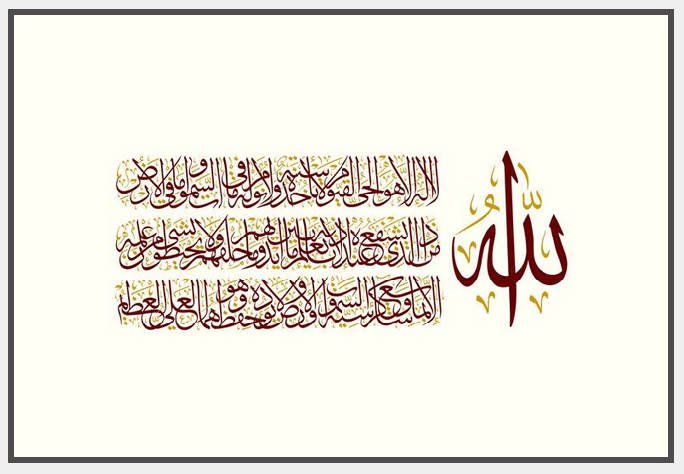
- Ayat al-Kursi (2:255): The Throne Verse is viewed as protection against jinn and harm (often recited at the end of every prayer).
- Surahs Al-Ikhlâs, Al-Falaq, An-Nâs (112–114): Known as the Muʿawwidhatayn, these three are “the strongest protection” against envy, magic, and evil eyearchive.orguwt.org. Aḥādīth note the Prophet ﷺ recited these and blew on himself and others when illuwt.org.
- Last two verses of Sûrah al-Baqarah (2:285–286): Reported in Ṣaḥîḥ al-Bukhârî as a form of cure, these verses are often recited over the sicktayibah.co.za.
- Other Qur’anic passages: Surah al-Kâfirûn (109) is sometimes added, and verses alluding to divine healing (e.g. “We send down in the Qur’an that which is a healing…”uwt.org) support the practice.
In summary: the standard ruqyah set includes Al-Fâtihah and the Muʿawwidhatayn, Ayat al-Kursî (2:255), the last two of al-Baqarah, and often al-Kâfirûntayibah.co.zauwt.org. Both Sunni and Shīʿī healers use these verses (with Shīʿīs also invoking prayers related to the Imams in many practices).
Ritual Application: Ruqyah, Water, Amulets
Recitation (Ruqyah): In all traditions, the verses above are chanted over the patient or over water. A healer (raqî or shaykh) typically recites them aloud, then blows (dā‘) the Qur’anic breath onto or near the afflicted person. This may be done privately or in a public session. For example, in South Asia this practice is called jhaar-phaunk (“sweep and blow”)thequran.love.
Water and Baths: Commonly, verses are recited into a bowl of water; the patient then drinks the ruqyah water or bathes with it. In North Africa and the Middle East, healers often recite Sûrah al-Fâtiḥah and the last two surahs over water for the patient to drinkthequran.love. In South Asia, one frequently writes Qur’anic verses on paper, dissolves them in water (called āb-e-shifâ or “healing water”), and drinks or bathes in itthequran.love. Zamzam water (holy well water) is also considered curative and may be used in ruqyah bathingarchive.org.
Amulets and Taʿwîdh: Talismanic amulets are widely used in many cultures. These may contain Qur’anic verses, divine names, or prophetic supplications. For example, in Shīʿī practice it is common to inscribe a taʿwîdh with passages from the Qur’ân or with ḍirāʿs (protective prayers) related to the Twelve Imams. In South Asia, many patients wear amulet pouches (often under the pillow or around the neck) containing paper with Quranic verses or blessed oilsthequran.love. (Sunni scholars generally permit amulets only if they contain Islamic text or invocations and the wearer believes the power comes from Allah alonesafeena.org.uk.)
Sufi Practices: In Sufi and folk healing contexts, ruqyah recitation is often part of larger ceremonies. Traditional Sufi shrines (e.g. in Pakistan, India, North Africa) are centers of exorcistic healingthequran.love. There healers may tie afflicted individuals to saintly tombs, lead collective dhikr (remembrance chants of God and saints), burn incense, and use ritual symbols alongside Qur’anic invocationsthequran.lovethequran.love. These extra steps (using barakah of saints) are embraced by devotees but criticized by purist scholars as innovations (see Scholarly Views below).
Historical and Regional Variations
- Middle East & North Africa: The practice of ruqyah dates back to the Prophet ﷺ and early Muslims. In modern MENA, licensed imams or raqqî perform Quranic healings, often reciting Fâtiha, the Muʿawwidhatayn, etc. over water or olive oil, which the patient ingests or anoints withthequran.lovethequran.love. It coexists with older folk rites (e.g. zar spirit ceremonies), though governments now largely tolerate only sanctioned Quranic methodsthequran.love. For instance, Egypt’s Al-Azhar and Saudi authorities explicitly allow only ruqyah via Qur’anic verses and Prophet’s supplications, condemning any polytheistic chants or magicthequran.love.
- South Asia (India, Pakistan, Bangladesh): Healing centers (dargahs, shrines of saints) and rural pirs offer ruqyah as part of Sufi-influenced tradition. Terms like jhaar phoonk or doam/damma describe blowing verses over patients. Quranic verses may be recited into water or oil (Islamic ijâz) which is then administered to the sickthequran.love. Amulets with Quran or folk formulas are commonplacethequran.love. These rituals are blended with local medicine: many healers also prescribe herbs or cupping (hijâmah) alongside the recitationsthequran.love.
- Sub-Saharan Africa: Here Quranic healing is syncretic. In West Africa, for example, Muslim marabouts use Ruqyah or shafâʾa alongside indigenous practicesthequran.love. A Yoruba healer might recite Qur’ân to a patient while also using blessed roots and ritual bathingthequran.love. Islamic scholars (Mallams) exist who emphasize pure Quranic methods (reciting into a demon’s ear, no magic)thequran.love, but many rural healers mix recitation with amulets or spirit negotiations. In East Africa, Somali sheikhs frequently recite Qur’ânic verses to expel jinn, sometimes in parallel with trance ceremonies (Saar) led by womenthequran.love.
- Southeast Asia: Similar practices occur in Indonesia/Malaysia. Some bomoh or Islamic shamans chant Ayat al-Kursî over a bowl of water, sometimes lightly striking the patient with a bunch of leaves, then the patient drinks or bathes in the waterthequran.love. Group recitations, incense, and talismans (often Arabic script) are mixed with local folk belief.
- Diaspora: Among Muslim diasporas worldwide, ruqyah survives in community networks. Urban clerics may treat spirit possession by reciting the prescribed verses into the patient’s ear or over water. Shrines abroad (e.g. South Asian saint’s tombs in London or New York) continue old rituals. Surveys show many educated Muslims still visit peers or faith healers if conventional medicine “fails” (e.g. for infertility or mental illness)thequran.love.
Scholarly and Medical Perspectives
Sunni Scholarship: The dominant view permits Ruquyah Shar‘iyyah but imposes strict conditions. Renowned scholars like Ibn Ḥajar al-‘Asqalānī summarize: ruqyah is valid only if it uses “the words of Allāh, His Names or Attributes” (i.e. Qur’ān or Prophetic du‘â), is done in Arabic or an understandable tongue, and is accompanied by belief that only Allāh can truly healsafeena.org.uk. In other words, one must not ascribe power to the reciter or object – the cure is from Allah alone. Under these rules, reciting Qur’an verses over a sick person (and blowing/dampening oneself) is Sunnahsafeena.org.uk. Indeed, one hadith even calls Sûrah al-Fâtiḥah “Sûrah al-Shifâ (the Healing)”safeena.org.uk.
Sunni jurists unanimously forbid any ruqyah involving shirk or “polytheistic chants.” For example, Amr ibn Ma‘dīkarib narrated that “enchanted incantations, talismans, and love spells” were considered acts of unbelief, implying only Quranic words are allowedislamqa.info. In practice, major Islamic authorities (Al-Azhar, etc.) emphasize that only Qur’anic/Prophetic recitations be used, rejecting folk magic or idolatory invoked in exorcismsthequran.love. Wearing taʿwîdh is controversial: many Sunni scholars say an amulet may be worn only if it contains genuine Qur’an or ḍirāʿ phrases, and only Allah brings healingsafeena.org.uk.
Shī‘ī Scholarship: Classical Shīʿī sources contain hadiths endorsing ruqyah (e.g. al-Wasā’il al-Shī‘a), but the topic is less prominent in contemporary literature. As Amina Inloes notes, both Sunni and Shī‘ī hadiths speak of ruqyah, yet “Sunnis speak about it a lot more” today – formal Shī‘ī discourse is relatively silent on ital-islam.org. In practice, Shī‘ī believers do recite the same Quranic verses for healing, and often add ziyarāt (supplications asking Imams’ intercession). Taʿwîdh are widely used among Shī‘ī communities; clerics have been known to prescribe written amulets bearing verses or names of the Imams. (Some Twelver scholars permit these if properly made, since they invoke sacred words and the wearer’s faith is in Allah.) Official Shī‘ī institutions generally caution that no charm replaces tawḥîd (pure monotheism), but folk piety maintains such amulets.
Sufi/Traditional Views: Sufi sheikhs and folk healers routinely incorporate ruqyah. They believe saints’ barakah (blessing) can amplify its effect. For example, at Pakistani and Algerian Sufi shrines, pilgrims bring sick relatives for Quranic exorcism ceremoniesthequran.love. However, Salafi and revivalist critics label many Sufi elements as bid‘ah (innovation). As one anthropologist notes, governments and scholars in MENA “approve Quranic healing but condemn any use of polytheistic chants or magic,” and view trance rituals or relic veneration as backwardsthequran.love. So there is internal debate: while Sufi orders advocate shrine-based cures, purist Muslims insist on scripture alone.
Medical Community: Modern medicine is generally skeptical. Public health authorities in Muslim countries explicitly advise against relying solely on spiritual healers for serious illnessthequran.love. For example, Moroccan health officials warn that exorcists are not substitutes for doctorsthequran.love. A medical review describes much of “Islamic medicine” (ruqyah, cupping, etc.) as lacking a rational basis, noting that popular ruqyah has drifted toward unscientific magic and attracted negative media attentionpubmed.ncbi.nlm.nih.gov. Investigative reports document abuses: charlatans demanding fees or even abusing patients under the guise of ruqyahthequran.love. In Iran, the rise of “Islamic cures” during COVID-19 (camel urine, violet oil) has been publicly condemned by scientists as pseudoscience.
On the other hand, some healthcare proponents in Muslim contexts suggest a complementary role for ruqyah. A 2024 article in the International Journal of Islamic & Complementary Medicine recommends training doctors in Muslim communities to use Qur’anic recitation therapeutically alongside conventional care, arguing it “aligns with the Prophet’s recommendations” and may improve patient well-being without side effectsislamicmedicine.or.id. Small clinical studies (e.g. listening to Quranic recitation) have reported reductions in anxiety for some patients. However, mainstream medicine emphasizes evidence-based treatment first. Thus, while many sufferers find psychological comfort in ruqyah, physicians urge that spiritual remedies should supplement but not replace medical treatmentthequran.lovepubmed.ncbi.nlm.nih.gov.
Sectarian Variations and Debates
| Aspect | Sunni Practice | Shiʿa Practice | Sufi/Traditional Practice |
|---|---|---|---|
| Verses Used | Al-Fâtihah, Ayat al-Kursî (2:255), Sûrat 112–114, 2:285–286, etc.tayibah.co.zauwt.org | Generally the same Qur’anic recitations; often supplemented by prayers invoking the Imams. | Standard healing verses plus emphasis on dhikr and saints; often include local litanies or prophetic supplications. |
| Application | Recite/blow on patient or water, use ‘ruqyah water’ (drink/bathe), optional amulets (only with Quranic text)thequran.lovethequran.love | Similar recitation and water rituals; frequent use of taʿwîdh, e.g. Quran verses or Imam names written in amulets or on oil. | Quranic recitation at shrines, group litanies, and healing ceremonies (ties to tombs, incense)thequran.love; local herbs and rituals often mixed in. |
| Regional Focus | Universal (Middle East, North Africa, South Asia)thequran.lovethequran.love | Strongest in Iran/Iraq and South Asia (e.g. Shia communities of India/Pakistan)al-islam.org | Prominent in Sufi centers of South Asia, North Africa; syncretic in African and SE Asian locales. |
| Scholarly View | Permissible if conditions met (Qur’an/duʿâ only)safeena.org.uk; warns against shirk, “sorcery.” Amulets only if purely Islamic. | Ruqyah is known but less emphasized in formal law; clerics permit recitation and Imam invocations. (Shia jurists like Allameh Sobhani stress not to shirk by over-relying on charms.) | Endorsed by Sufi clergy via baraka; mainstream ulema condemn non-scriptural practices. (Salafi critics call shrine rites bidʿathequran.love.) |
| Critiques/Concerns | Pros: Readily available, cheap, faith-based comfort. Cons: Risk of quackery (fake healers, extortion)thequran.love; delaying medical carethequran.love. | Pros: Cultural acceptability, community support. Cons: Same risks; possible superstitious excess (e.g. believing charms themselves heal). | Pros: Reinforces social solidarity (communal healing). Cons: Opposed by reformists as un-Islamic; some practices (excessive trance, relic veneration) are controversial. |
Key disagreements among sects: Sunnis and Shias largely agree on which verses to use, but differ in emphasis. Many Sunnis insist ruqyah include no personal names (other than “Lord of mankind” as in the Prophet’s du‘âtayibah.co.za) and view saints’ tombs skeptically. Shia believers often invoke the Ahl al-Bayt in their supplications and do not object to amulets bearing Imam names. Sufi-influenced Muslims prioritize barakah from saints and may allow trance-like rituals – a point of contention with strict Salafis, who decry these as bid‘ahthequran.love.
Pros and Cons (documented): Proponents in all camps cite numerous anecdotes of relief from ailments and note that ruqyah causes no pharmacological side effects. Critics (and even some patients) note that any improvement may be psychosomatic. Systematic studies are scant, but one clinical review of Islamic medicine warns of “no rational basis” for many alleged curespubmed.ncbi.nlm.nih.gov. Public health reports urge education: one Moroccan health ministry campaign reported that 73% of Senegalese and similar majorities in Chad and other countries routinely consult traditional healers for illnessthequran.love, highlighting potential conflict with modern medicine. The balance is still debated: while spiritual care is important to patients, experts insist it complement, not replace, biomedical treatmentthequran.lovepubmed.ncbi.nlm.nih.gov.
Sources: Historic hadith and classical fiqh on ruqyahuwt.orgsafeena.org.uktayibah.co.za; recent field studies and news reports of healing rituals in MENA, South Asia, and Africathequran.lovethequran.lovethequran.lovethequran.love; and scholarly critiques by Islamic jurists and medical reviewersthequran.lovepubmed.ncbi.nlm.nih.gov. All citations are from credible Islamic and research publications as indicated.

 The Glorious Quran and Science
Leave a comment