
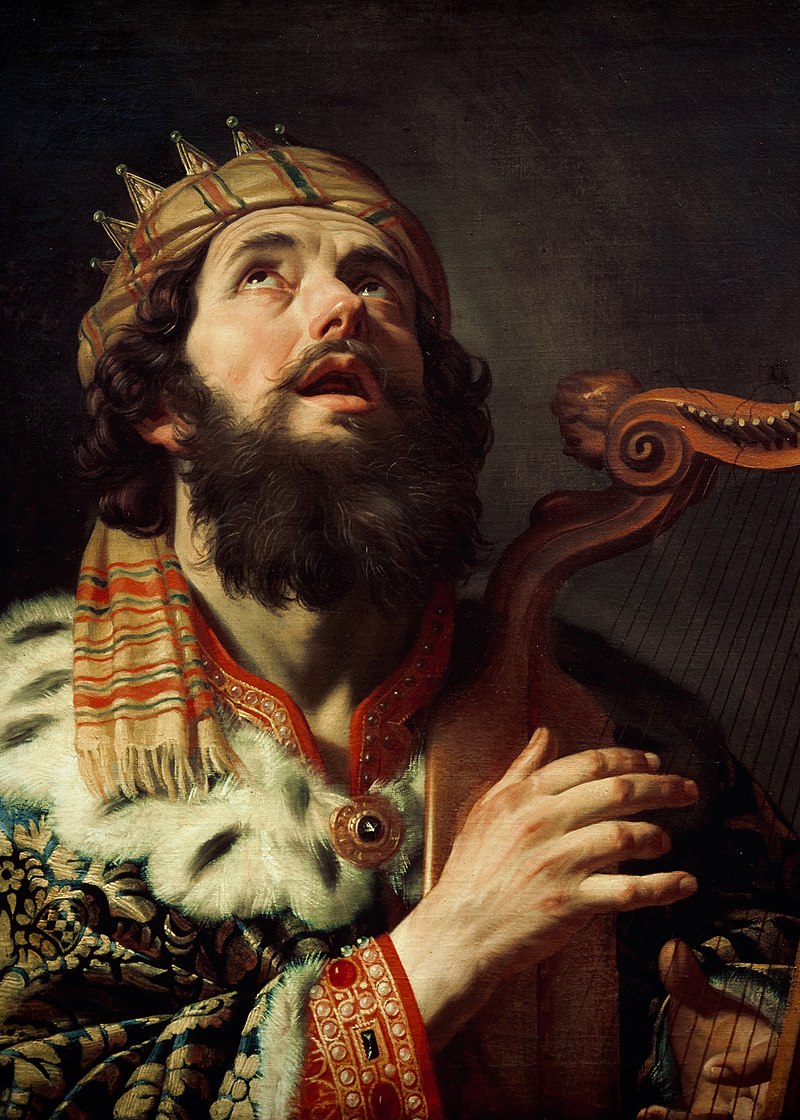

Introduction: The Qur’ān uses the term khalīfah (خليفة) – often translated as “vicegerent,” “successor,” or “deputy” – to describe the role of humans as representatives entrusted by God with authority and responsibility on earth. This concept of vicegerency (or khilāfah) carries profound implications for humanity’s purpose: we are to steward the earth morally and justly on God’s behalf. Classical scholars generally understood khalīfah to mean “one who succeeds another” quran.com, indicating that humans succeed previous generations (or prior beings) as earth’s caretakers. At the same time, many Islamic thinkers – classical and modern – see in this the role of humans as God’s delegates on earth, tasked with upholding His guidance. Modern analyses note that the Qur’ānic notion of khalīfah “encompasses both political authority and moral stewardship,” underpinning the historical caliphate while also stressing each person’s ethical duty as God’s steward qurangallery.app. In the verses below, we explore each relevant passage – providing the Arabic text and an English translation, the verse’s context, classical tafsīr commentary (e.g. from al-Ṭabarī, Ibn Kathīr, al-Qurṭubī), and thematic reflections. We also integrate insights from contemporary scholarship (including “The Concept of Khalīfa (Vicegerent) in the Qur’an: A Comprehensive Analysis”) and reflect on how vicegerency relates to moral responsibility, the divine trust (amānah), human free will, and stewardship of the earth. The style combines academic rigor with a devotional tone, aiming to illuminate the meaning of these verses and inspire a sense of awe and responsibility in the reader.
Surah Al-Baqarah (2:30–31) – The Creation of Adam and Human Vicegerency
Arabic (2:30–31):
وَإِذۡ قَالَ رَبُّكَ لِلۡمَلَـٰٓئِكَةِ إِنِّي جَاعِلٌۢ فِي ٱلۡأَرۡضِ خَلِيفَةًۭ ۖ قَالُوٓاْ أَتَجۡعَلُ فِيهَا مَن يُفۡسِدُ فِيهَا وَيَسۡفِكُ ٱلدِّمَآءَ وَنَحۡنُ نُسَبِّحُ بِحَمۡدِكَ وَنُقَدِّسُ لَكَ ۖ قَالَ إِنِّيٓ أَعۡلَمُ مَا لَا تَعۡلَمُونَ وَعَلَّمَ ءَادَمَ ٱلۡأَسۡمَآءَ كُلَّهَا ثُمَّ عَرَضَهُمۡ عَلَى ٱلۡمَلَـٰٓئِكَةِ فَقَالَ أَنۢبِئُونِي بِأَسۡمَآءِ هَٰٓؤُلَآءِ إِن كُنتُمۡ صَـٰدِقِينَ
Translation: “And [mention, O Muhammad], when your Lord said to the angels, ‘Indeed, I will place a vicegerent (khalīfah) on the earth.’ They said, ‘Will You place in it someone who will spread corruption there and shed blood, while we glorify Your praises and sanctify You?’ He (Allah) said, ‘Indeed, I know that which you do not know.’ And He taught Adam the names of all things; then He presented them to the angels and said, ‘Inform Me of the names of these, if you are truthful.’”*
Context and Background: These verses open the Qur’an’s first account of human creation. After mentioning various blessings bestowed upon humanity, the narrative turns to the story of Prophet Adam (‘alayhi al-salām), the father of humankind quran.com. In verse 2:30, Allah announces to the angels His decision to create a new being on earth who will act as a khalīfah. This conversation occurs before Adam’s creation, indicating the momentous purpose behind humanity’s very origin. The angels’ response – “Will You place in it one who corrupts and sheds blood?” – reflects their concern or curious inquiry about the nature of this new creature, given what they already knew of earthly creatures. Some mufassirūn (exegesists) explain that the jinn had inhabited the earth before Adam and caused great corruption, so the angels presumed humans might do the sameislam.stackexchange.comislam.stackexchange.com. Another view is that the angels discerned the capacity for mischief from the very term khalīfah itself or from Allah’s description of creating a being “from clay,” indicating an earthy, fallible naturequran.com. The angels, who themselves are utterly obedient and free of lust or anger, wondered why a being with free will – potentially capable of evil – should be given dominion on earth quran.com quran.com. This scene sets up a contrast between angelic obedience and human free will, highlighting that humanity’s appointment as earthly vicegerent is a deliberate divine plan despite the risks. In verse 2:31, Allah demonstrates the special capacity given to Adam by teaching him “the names of all things” – understood by many to mean knowledge of the nature and purpose of creation or the ability to categorize and use language. This display of knowledge, which the angels lacked until informed, is part of the wisdom behind choosing humans as vicegerents: mankind has been endowed with intellect, knowledge, and the potential for moral understanding that even the angels did not initially grasp.
Tafsir and Classical Insights: Classical commentators offer rich interpretations of khalīfah in this verse. Ibn Jarīr al-Ṭabarī notes that khalīfah here signifies a being who will succeed others or be succeeded by others in ruling the earthquran.com. In other words, Adam was not just an individual but the progenitor of successive generations of humans who would inherit the earth after each other. Ibn Kathīr, following this reasoning, writes: “Verily, I am going to place a Khalīfah on earth – meaning people reproducing generation after generation, century after century,” and he cites Quran 6:165 as a parallel: “He is the One who made you khala’if (successive generations) on the earth”quran.com. This implies that vicegerency is a collective role of humanity, not just Adam alone. In fact, Ibn Kathīr remarks that if Allah had meant only Adam personally as khalīfah (to represent God), the angels’ question about corruption would not be fitting, since one individual (Adam) was not going to shed blood – rather it was some among his descendants who would do soquran.com. Thus, the angels understood khalīfah as a reference to a species with free will, capable of both good and evil.
Al-Qurṭubī adds an insightful point: the word khalīfah itself indicated to the angels that this creature would have authority and discretion. He cites that khalīfah can mean “one who arbitrates or judges between others”, preventing injusticequran.com. Such a role – to judge and enforce justice – implies that conflicts and wrongdoing will occur among humans, hence the angels’ concern. In Qurṭubī’s view, Allah had informed the angels (explicitly or implicitly through the term khalīfah) that some of this vicegerent’s offspring would be corrupt, which is why they ask, “Will You place therein one who will do harm and shed blood?” islam.stackexchange.com islam.stackexchange.com. The angels’ question, however, is not a challenge born of disobedience or envy. The Qur’an elsewhere describes angels as never acting arrogantly towards Allah (see 21:19–20). Rather, as many mufassirūn note, the angels asked seeking wisdom: they were essentially saying, “O Lord, if the purpose of creating this khalīfah is to worship and glorify You, we already do that perfectly without ever sinning; so what is the wisdom in creating a being prone to corruption?”quran.comquran.com. This perspective, mentioned by commentators like Qatādah and al-Rāzī, portrays the angels as sincere inquisitors, not objectors – their question itself was a form of devotion, wanting to understand Allah’s planquran.com.
Allah’s response, “I know that which you do not know,” asserts that there is a divine wisdom beyond the angels’ ken. Many expositors explain that Allah knew that this human creation, despite causing some evil, would also produce tremendous good that justified its existencequran.com. Ibn Kathīr eloquently summarizes this, saying Allah knew that among humanity would be “Prophets, truthful saints, martyrs, righteous believers, devoted worshippers, the pious and learned”, whose righteousness would far outweigh the sins of othersquran.com. Thus, the potential for virtue, love, and growth through free will was a “hidden good” the angels had not considered. Allah’s teaching of the names to Adam (2:31) then demonstrated one facet of this wisdom: humans were given a capacity for language, learning, and conceptual knowledge that even angels did not have until Allah taught them. When Adam successfully names the things which the angels could not, it symbolizes the unique human endowment of intellect and knowledge, qualifying him for the role of earthly steward. Classical scholars like Mujāhid and Ibn ‘Abbās said Adam was taught “the names of all things” – meaning the very ability to assign names and know the properties of creationquran.ksu.edu.saquran7m.com. This knowledge is part of the equipment given to the human khalīfah to fulfill his mandate on earth.
Notably, al-Qurṭubī and other scholars draw an additional lesson from this story: they see in it an implicit proof for the necessity of justice and governance among humans. If Allah is appointing a vicegerent to maintain order, then establishing just leadership is crucial. Qurṭubī writes that 2:30 is an early allusion to the duty of appointing a khalīfah (caliph/imam) for the community to arbitrate disputes, defend the oppressed, and uphold God’s lawquran.com. In other words, humans imitating the divine attribute of justice through governance is part of their vicegerency. This view later informed Islamic political theory – the idea that there must be a just ruler or governing body that represents God’s authority on earth by implementing His commands.
Thematic Reflections: The creation of Adam as khalīfah highlights human dignity and responsibility. Unlike angels, who have no choice but to obey, humans carry the amānah (trust) of freedom and moral agency. The Qur’an elsewhere indicates that this “Trust” was offered to the heavens and earth and mountains, but they declined it; yet man undertook it – for he is ever ignorant and unjust (to himself) (Qur’an 33:72). According to many scholars, this Trust refers to the heavy responsibility of free will and moral accountability that humans acceptedqurangallery.appqurangallery.app. Surah Al-Baqarah 2:30 shows that Allah, in His wisdom, willed to create a being who could choose to obey or disobey – making human worship and goodness meaningful. As one commentary notes, Allah created humanity fully aware of our capacity for sin, but also prepared the remedies of guidance, repentance, and forgiveness; our purpose is not to be sinless like angels, but to strive, fail, and turn back to God – an endeavor that can elevate us even above angelsqurangallery.appqurangallery.app. The angels’ phrase “we glorify Your praise” implies that pure praise alone was not the full purpose of creation – God desired a creature who would struggle between good and evil and freely choose the good, thus manifesting divine attributes (like mercy, patience, justice) in the realm of test and trialqurangallery.appqurangallery.app.
In a beautiful interpretation, some scholars say the angels’ mention of human potential for bloodshed was actually underscoring God’s glory: it was as if they indirectly affirmed, “O Lord, You are so holy and wise – why would You create a being that might rebel against You? We only seek to understand Your perfection.” This makes Allah’s answer – “I know what you do not” – a reassurance that His plan has hidden goodness the angels will come to appreciate. Indeed, when Adam displayed his knowledge, the angels immediately recognized the wisdom and exclaimed, “Glory be to You! We have no knowledge except what You have taught us” (2:32). Their question thus led to a greater appreciation of God’s wisdom.
For us today, Adam’s story as the first khalīfah carries several practical implications:
- Human Free Will as a Divine Trust: We learn that having the freedom to choose is at the core of our vicegerency. We are entrusted to use our intellect and will in accordance with God’s guidance. Unlike deterministic beings, we can err – but that also means our obedience and moral progress have real value. As one modern scholar writes, “The weight of this role lies in the trust (amānah) placed upon a creature with free will, making righteous action a conscious choice rather than a programmed response, thereby giving it profound meaning.”qurangallery.appqurangallery.app Every human decision is an opportunity to fulfill or betray the trust God has given us.
- Humility and the Pursuit of Knowledge: Adam’s being taught the names illustrates that knowledge is a gift from God and a key to human potential. The angels, despite their loftiness, did not have that knowledge until taught – and they humbly admitted their limitation. Likewise, as vicegerents we must cultivate knowledge (religious and worldly) to govern earth wisely, while maintaining humility that all knowledge and authority ultimately belong to Allah. The phrase “I know what you do not know” also invites us to trust Allah when we don’t understand certain things in life. The angels couldn’t initially see the positive potential in humanity; often we, too, might not grasp the wisdom behind Allah’s decisions or commandments, but faith entails trusting His greater knowledge and goodness.
- Potential for Good vs. Evil: The angels highlight the darkest potential of man (corruption and bloodshed), while Allah highlights the brightest (prophets and saints, symbolized by Adam’s knowledge). This dual potential is the defining tension of human life. Each of us carries the capacity for great evil or great good. Vicegerency does not mean humans are infallible – rather, we are called to strive against our lower impulses to realize the noble purpose Allah envisions for us. As one hadith says, “All of you are shepherds and each of you is responsible for his flock” – we each have a realm of responsibility (be it our soul, family, community, or environment) for which we will answer to God (Bukhāri, Muslim). The notion of khalīfah thus begins with self-governance: ruling one’s own desires and habits by the standard of truth, just as a just king rules a land.
This understanding of human purpose is further reinforced by the Prophet Muḥammad ﷺ. In a famous hadith, he said: “The world is sweet and green, and verily Allah is appointing you as vicegerents (making you succeed one another) in it in order to see how you act. So beware of the world…”sunnah.comsunnah.com. This profound statement links directly to 2:30 – it reminds us that the dunya (worldly life) is attractive and tempting, but our role as khulafā’ (vicegerents) is a test of conduct. Allah observes how we manage this trust: will we maintain justice, truth, and devotion amidst the lures of material life, or will we succumb to corruption? The hadith’s admonition to “beware of worldly allurements” resonates with the angels’ concern about corruption and bloodshed. It implies that failing the test of vicegerency – by moral corruption – is a real danger, one we must vigilantly guard against.
In summary, Surah Al-Baqarah 2:30–31 establishes the foundational concept of human vicegerency. God created Adam and his progeny to be stewards of the earth, armed with intellect and moral capacity, free will and divine guidance. It is a role both honored (as humans were raised above angels in knowledge and had angels bow to Adam by God’s command in 2:34) and deeply challenging, because it involves choice and accountability. This verse lays the groundwork for understanding every human endeavor: our successes and failures in history are tied to how well we fulfill the khalīfah role. As vicegerents, we are meant to reflect God’s attributes on earth in a limited way – establishing justice, showing mercy, seeking knowledge, cultivating goodness – all the while recognizing that we are accountable to Him. It is a call both to spiritual humility (“O Allah, You know what we know not”) and to active responsibility (using our God-given knowledge and authority to promote good and prevent evil).
Surah Al-An‘ām (6:165) – Humanity as Successors and the Divine Test
Arabic (6:165):
وَهُوَ ٱلَّذِى جَعَلَكُمۡ خَلَـٰٓئِفَ ٱلۡأَرۡضِ وَرَفَعَ بَعۡضَكُمۡ فَوۡقَ بَعۡضٍ دَرَجَـٰتٍۢ لِّيَبۡلُوَكُمۡ فِى مَآ ءَاتَىٰكُمۡۚ إِنَّ رَبَّكَ سَرِيعُ ٱلۡعِقَابِ وَإِنَّهُۥ لَغَفُورٌ رَّحِيمٌۭ
Translation: “And He is the One who has made you successors on the earth, and raised some of you above others in degrees [of ability or rank] so as to test you through what He has given you. Indeed, your Lord is swift in punishment; but indeed, He is All-Forgiving, Most Merciful.”
Context: This verse appears at the very end of Surah Al-An‘ām (“The Cattle”), a Meccan chapter that among other themes emphasizes recognizing Allah’s sovereignty over creation. Verse 6:165 serves as a culminating reminder of humanity’s role and trial in the worldly life. After discussing various signs of God in the natural world and critiquing those who deny the truth, the surah concludes by addressing all of mankind: He (Allah) made you khulafā’ on earth. The term khulafā’ (plural of khalīfah) here echoes the role first assigned to Adam. But now it is addressed broadly – “made you (plural) successors” – underscoring that every generation of humans, and indeed every individual within their sphere, is a successor entrusted with earth’s carequran.comalim.org. At the time of revelation, the early Muslims were few and persecuted in Mecca; this verse would remind them (and all people) that worldly power or advantage among humans is not for vanity or injustice, but is a test from Allah. The mention that some are given higher “rank” or “degrees” than others refers to the diversity of talents, wealth, influence, and conditions in life. These differences are deliberately allowed by God “to test you in what He has given you.” Thus, the context highlights universal human accountability: whether one is a leader or a follower, wealthy or poor, strong or weak – whatever one’s gifts or status, it is a trial of character and faith.
Commentary: In this verse Allah explicitly calls humanity khulafā’ (vicegerents/successors) and ties this status to the notion of ibtilā’ – a test. Classical tafsir works describe two complementary meanings of “made you successors in the earth”: (1) humans succeed each other generation after generation, replacing previous nations, and (2) humans are entrusted with authority on earth in the place of others (or in place of Allah’s direct command, i.e. we rule under His watch)alim.orgalim.org. Ibn Kathīr, for example, comments that “He it is Who has made you successors generations after generations in the earth” means all people take turns in dominion over the earth, one generation following anotheralim.orgalim.org. He cross-references the similar wording in Qur’an 27:62: “…and makes you inheritors of the earth, generations after generations.” The verse then immediately provides the purpose: “so that He may test you in what He has given you.” Every bounty or advantage one has – whether material (wealth, position, strength) or intangible (knowledge, intelligence, opportunity) – is part of this divine examination. Al-Qurṭubī writes that Allah varies people in provision and rank “to see whether the one who is higher thanks his Lord and whether the one lower is patient”, and whether the powerful exercises justice or tyranny (this is implied from the concept of test)qurangallery.appqurangallery.app. In other words, with great power comes great responsibility in the Quranic worldview: any degree of superiority (in wealth, power, etc.) is not a license for arrogance but a trial of one’s moral fiber.
The last part of the verse – “Surely your Lord is swift in punishment, yet surely He is Forgiving, Merciful” – strikes a balance that is echoed throughout the Qur’an. It reminds the reader that Allah’s reckoning can come swiftly (whether in this world or the next) if one fails the test of vicegerency. Tyrants and wrongdoers should not feel secure, for Allah’s justice is prompt and decisive. At the same time, Allah is abundantly forgiving and merciful – meaning if one stumbles or sins, repentance is accepted, and if one strives sincerely, Allah’s mercy will encompass them. For the vicegerent of earth, this is both a warning and a reassurance: abuse your God-given trust and you face consequences, but repent and reform and you will find Allah forgiving. Notably, these twin attributes also hint that Allah’s testing of us is fair and compassionate – His swift punishment only comes when warranted, and His mercy is always available for those who turn back.
Implications and Reflections: Surah 6:165 paints a picture of life as an arena of stewardship and accountability. We can derive several important lessons:
- Every Human is a Khalīfah: The use of the plural “khala’if” (successors) indicates that vicegerency is a collective human honor and duty. It is not reserved for prophets or rulers alone; in our own capacity, each of us is a little khalīfah over what we control – be it our family, our work, or simply our own body and time. A caliph in the political sense rules a territory, but on a personal level, we “rule” our choices and immediate environment. As one contemporary reflection states, “This āyah establishes humanity’s designated role as ‘Khalīfa’ (stewards or vicegerents) on Earth, framing life’s inherent inequalities not as arbitrary outcomes, but as the very fabric of our divine test.”qurangallery.app All the differences in our situations – wealth and poverty, health and sickness, influence and anonymity – set the stage for us to show who we are by how we respond to our circumstances. Do we remain grateful and just when given advantage? Do we remain patient and faithful when tried with disadvantage? In this way life is an examination room, and each person’s paper has different questions.
- Stewardship of the Earth: Being khulafā’ fī’l-arḍ (successors in the earth) also implies caretaking of the earth itself. We inherit the earth’s resources and ecosystems generation after generation. Thus, an important dimension of khilāfah is environmental stewardship – caring for animals, land, air, and water as a trust. Classical scholars did not use the modern term “environmentalism,” but the concept of not causing fasād (corruption/disorder) in the land is repeatedly stressed in the Qur’an. As vicegerents, humans have dominion over nature, but also the moral responsibility to preserve balance. Modern Islamic scholars often cite this verse (and 2:30) as a basis for an Islamic environmental ethic: we must not squander or pollute the blessings of the earth, for we will be asked about how we used or abused them. The verse even hints at this by mentioning that some are raised above others in the context of a test – for example, mankind is raised above animals in intelligence and power, and this is a test of how we treat the other creatures. Our “dominion” is not absolute ownership, but guardianship on Allah’s behalf. The Prophet ﷺ said: “The world is green and sweet and Allah has placed you in charge of it (made you generations inheriting it) to see how you behave”sunnah.com – clearly linking worldly stewardship with moral testing. Therefore, caring for the environment, practicing sustainability, and being just towards other life forms are all part of honoring our khalīfah role.
- Social Justice and Leadership: The phrase “raised some of you above others in ranks” also has a social dimension. Humans have created various social, political, and economic hierarchies. Islam teaches that any privilege or leadership is a test. A ruler is tested whether he is just with his subjects; the wealthy are tested in how they spend their money (do they give charity and assist the needy?); the learned are tested whether they speak the truth and guide others; even physical beauty or strength is a test of whether one will be humble or arrogant. Vicegerency in the social sense means establishing justice and protecting rights in whatever capacity one can. If I have authority in an office or family, I must reflect the divine qualities of justice and kindness in my treatment of those under my care. The verse’s ending, invoking Allah’s punishment and forgiveness, suggests that how we treat others is a major cause of either Allah’s anger or His mercy upon us. Our success as khulafā’ will be measured by our ethical conduct – especially towards those over whom we have some “degree” of advantage. This brings to mind the Qur’anic injunction: “Allah commands you to render trusts to whom they are due, and when you judge between people, judge with justice…” (4:58). In an Islamic ethos, authority is a trust (amānah), not an entitlement – a trust for which the one in power must answer to The Ultimate Authority, Allah.
- Humbled by Divine Mercy and Justice: The balance of Allah’s swift justice and abundant mercy at the end of 6:165 should keep the believer in a state between fear and hope. We fear the prospect of failing the test of vicegerency – seeing how past generations who spread corruption were often destroyed or removed (a point made repeatedly in Surah Al-An‘ām and other Meccan surahs, citing the fate of ‘Ād, Thamūd, etc.). At the same time, we hope in Allah’s forgiveness if we strive to correct ourselves. Vicegerency is a heavy responsibility, but Allah does not expect perfection – He expects effort, humility, and repentance. He is Ghāfūr Raḥīm (All-Forgiving, Merciful), meaning no failure is final if one turns back to God. This divine mercy is what makes it possible for flawed humans to carry on the vicegerency despite mistakes. As one commentary puts it, Allah’s foreknowledge of human fallibility means He built into our earthly story the paths of redemption – repentance (tawbah) and forgiveness are “integral, not incidental, to the human experience”qurangallery.app. We should neither become complacent (because “swift in punishment” reminds us consequences can be sudden) nor despair (because His mercy awaits the penitent).
In sum, Surah 6:165 reminds us that the variety of situations among people is intentional and serves a moral purpose. It strips away the notions of pride and envy: if I have more, I shouldn’t boast – it’s a test; if I have less, I shouldn’t despair – that too is a test and Allah is Merciful if I am patient. All human beings are khulafā’ living on borrowed time and borrowed blessings. We should therefore live conscientiously, fulfilling our duties to God, to fellow humans, and to the earth. This verse can inspire a sense of global fraternity as well: all humans share the same status as God’s trustees on earth, so we should cooperate, not arrogantly vie for domination. Life on earth is a temporary assignment for each “generation” of vicegerents; how we perform will determine our outcome when we return to our Lord.
Surah Al-A‘rāf (7:69) – Successors of Past Nations and Gratitude
Arabic (7:69):
أَوَعَجِبۡتُمۡ أَن جَآءَكُمۡ ذِكۡرٌ مِّن رَّبِّكُمۡ عَلَىٰ رَجُلٍ۬ مِّنكُمۡ لِيُنذِرَكُمۡۖ وَٱذۡكُرُوٓاْ إِذۡ جَعَلَكُمۡ خُلَفَآءَ مِنۢ بَعۡدِ قَوۡمِ نُوحٍ۬ وَزَادَكُمۡ فِى ٱلۡخَلۡقِ بَصۜۡطَةً۬ۖ فَٱذۡكُرُوٓاْ ءَالَآءَ ٱللَّهِ لَعَلَّكُمۡ تُفۡلِحُونَ
Translation: “Do you wonder that a reminder has come to you from your Lord through a man from among yourselves, to warn you? And remember that He made you successors (khulafā’) after the people of Noah and increased you abundantly in stature. So remember the favors of Allah so that you may prosper.”
Context: This verse is part of the story of Prophet Hūd (صلى الله عليه وسلم) and his people, the nation of ‘Ād, as related in Surah Al-A‘rāf. After the Great Flood of Noah, ‘Ād was among the first powerful civilizations to arise. They were known for their might, large physique, and the grand buildings they constructed in the desert (Qur’an 89:6–8 mentions their tall pillars). Surah 7:69 captures Hūd’s address to his people when they rejected his message. Hūd admonishes them for being astonished that Allah sent a human messenger (“a man from among yourselves”), and he reminds them of two key blessings: (1) Allah made them khulafā’ after Noah’s people, meaning they inherited the earth and power after the earlier nation was destroyed, and (2) Allah endowed them with extraordinary physical strength (“increased you in stature”). The context is a warning against arrogance and disbelief: the people of ‘Ād, despite their God-given gifts, were denying Hūd’s prophetic call to worship one God alone. By calling them “successors of Noah’s people,” Hūd evokes the memory of a people who were wiped out for their arrogance and sins – implicitly cautioning ‘Ād not to follow the same path. Thus, vicegerency here is mentioned in a historical sense: one nation succeeding another. It underscores the cycle of rise and fall of nations according to their faith and conduct.
Commentary: In 7:69, the term khulafā’ (successors) is used in a more specific historical context compared to 2:30 or 6:165. Here it refers to ‘Ād being the successors “after the people of Noah.” According to tafsir accounts, the people of Noah were wiped out except the believers on the Ark, and later the descendants of those believers formed new nations; ‘Ād became a powerful tribe in southern Arabia (the region of Ahqāf). Al-Qurṭubī and others explain that calling ‘Ād khulafā’ after Noah’s people implies they inherited the land, power, and opportunity that the previous people hadquran.comcorpus.quran.com. It is as if to say: Allah granted you a fresh start and dominion after a whole generation was destroyed – you are effectively the caliphs on earth after them – so learn a lesson and do not repeat their mistakes. The verse also notes “increased you amply in stature/creation.” Many commentators, like Ibn Kathīr, mention that ‘Ād were given great size and strength – they were said to be a people of gigantic stature and robust physiquesquranx.com. Some reports from early Islamic traditions suggest they were giants compared to ordinary humans. Whether literally larger or metaphorically “greater in power,” this phrase highlights a further blessing that should have made them grateful and obedient to Allah.
Prophet Hūd’s exhortation “So remember the favors of Allah, that you may prosper” drives home the moral: Vicegerency requires gratitude. Dhikr ni‘am Allāh (remembering Allah’s bounties) is a recurring Quranic command, because forgetfulness of blessings often leads to pride and disobedience. Here, Hūd is telling his people: Allah made you successors and gave you strength – these gifts should have humbled you and made you thankful, not boastful. But unfortunately, as the Qur’an elsewhere describes (e.g. Fussilat 41:15), the people of ‘Ād became proud of their power, saying “Who is mightier than us?” They forgot that the One who gave them might could take it away. In fact, Hūd’s people responded to him with arrogance, and ultimately they were destroyed by a furious wind (Qur’an 69:6-8).
Classical tafsir on this verse also sometimes draws a general principle: whenever Allah destroys a wicked nation, He causes another people to rise in their place – hence the wheel of khilāfah turns, generation after generationquran.com. The new generation’s task is to take heed from the fate of the previous. The mention of Noah’s people is poignant: Noah’s people were notorious rejecters of their messenger, and ‘Ād was falling into the same pattern of disbelief. Hūd tries to awaken their conscience by essentially saying, “You are living on the ashes of a civilization that denied Allah – do not be like them.” This resonates with the Quranic motif: “We made them successors in the land after [such-and-such people] to see how they would do”quran.com. For example, Qur’an 10:14 quotes Allah: “Then We made you successors (khulafā’) in the land after them so that We may observe how you will do.” This shows that whenever one nation is given power after another, it’s a renewed test of collective vicegerency.
Reflections: The story of ‘Ād and the reminder in 7:69 teach us several lessons about vicegerency from a historical and moral perspective:
- Learn from History: Being khalīfah in the earth is not just a static honor – it’s dynamic, and history is full of examples of those who fulfilled it well or failed it miserably. The ‘Ād were effectively a “superpower” of their time, but they grew arrogant and were removed. The verse prompts us to reflect on how civilizations rise and fall. As heirs to past peoples, we should carry forward what is right and correct what was wrong. Each of us, likewise, inherits situations from our predecessors – whether the previous generation or even our own parents and family. We are successors; will we repeat the errors of those before or will we chart a more righteous path? Vicegerency is thus linked with historical consciousness. The faithful vicegerent remembers the “fate of Noah’s people” – or by extension, the fate of any who flouted God’s laws – and strives not to incur the same destiny.
- The Duty of Gratitude: This verse twice uses the word “remember” (udhkurū): “remember when He made you successors…remember Allah’s favors….” Remembrance here implies active gratitude. Gratefulness is a core quality of a true vicegerent. Gratitude to Allah manifests in obedience and humility. If we “remember Allah’s favors” as Hūd urges, we are more likely to succeed (la‘allakum tufliḥūn – “so that you may prosper”). Indeed, ingratitude is often the first step toward corruption: one forgets that one’s blessings are from Allah and begins to attribute them to oneself, leading to pride. The people of ‘Ād apparently fell into this trap by boasting of their might instead of thanking the Almighty. For us, remembering that whatever we have is a trust from Allah keeps us grounded. It could be something as simple as reflecting daily: “Allah has made me a successor to some degree – I have inherited the efforts of those before me (my parents, my teachers, etc.), I enjoy technology, knowledge, or wealth that others developed – am I using these gifts in line with Allah’s pleasure or not?” Cultivating this mindset of gratitude guards the heart from the delusion of self-sufficiency.
- Physical and Material Strength vs. Spiritual Strength: ‘Ād’s abundance in physical stature and worldly power did not translate into spiritual success. This is a caution that material strength is not equal to moral strength. One might be “bigger” in worldly terms but that doesn’t guarantee divine favor. Allah “increased them in khalq (creation)” – a word that can mean bodily creation – but their inner souls failed to grow in faith. A true vicegerent values spiritual stature over physical. In our times, we might say: a nation can be very advanced technologically or economically (today’s form of being “great in stature”), but if it is arrogant, unjust, and ungrateful to God, those achievements will not save it from decline or divine wrath. Conversely, a people small in number and resources (like the early Muslims in Makkah) can become true successors on earth when they uphold tawḥīd (belief in One God) and shukr (gratitude). In fact, after ‘Ād, it was the people of Thamūd, then others, and eventually the Muslims themselves who were made successors. The Quran subtly points to this in 7:69 by tying successorship to receiving God’s reminder through a messenger. Hūd says, “Do you wonder that a reminder comes through one of you… while you are the successors of Noah’s people?” The implication: your real honor is not just that you hold power after Noah’s folk, but that God cared to send you guidance (reminder). If you reject that guidance, you forfeit your legitimacy as successors. The Quran elsewhere says to the Muslim ummah: “Then We made you successors in the land after them, to see how you would do” (10:14), putting the Muslims on notice that they too must live up to the trust or risk losing it.
- Prosperity through Obedience: The ayah ends with “la‘allakum tufliḥūn” – “so that you may prosper/succeed.” True prosperity (falāḥ) in the Qur’an is often tied to faith and righteousness rather than mere material wealth. Hūd is telling his people that remembering Allah’s blessings and heeding His message is the way to real success. Even as vicegerents enjoying worldly prosperity, their ultimate success depended on spiritual obedience. This is a timeless lesson: We often equate our “success” with how much we’ve built, conquered, or accumulated. But from the Quranic perspective, prosperity is in being a grateful servant of Allah. If our role as vicegerent is fulfilled in that we recognize Allah’s favor and follow His guidance (brought to us by messengers and ultimately by the Prophet Muhammad ﷺ), then we achieve falāḥ (success in this life and the next). If not, worldly status can vanish as quickly as it came.
In a devotional sense, reading 7:69 should stir a believer to say: Alḥamdulillāh (All praise and thanks to Allah) – for whatever status or strength I have is by His grace; let me use it to obey Him. It should also remind one of the fragility of human achievement – the mighty ‘Ād are now only a tale of ruins mentioned in the Qur’an – so that one does not become complacent or proud. As vicegerents, our legacy will depend on our faith and deeds, not on our physique or monuments. It is noteworthy that after reminding them of their vicegerency and physical endowments, Hūd immediately points them to dhikr-Allāh (remembering Allah). This indicates that the core of vicegerency is God-consciousness. Ruling or inhabiting the earth means nothing if the Vicegerent forgets the One who appointed him. Thus, the successorship of ‘Ād – and by extension any people – is meaningful only if it is coupled with remembrance of Allah and upholding His message.
Surah Al-Nūr (24:55) – The Promise of Righteous Vicegerency to the Believers
Arabic (24:55):
وَعَدَ ٱللَّهُ ٱلَّذِينَ ءَامَنُواْ مِنكُمۡ وَعَمِلُواْ ٱلصَّـٰلِحَاتِ لَيَسۡتَخۡلِفَنَّهُمۡ فِى ٱلۡأَرۡضِ كَمَا ٱسۡتَخۡلَفَ ٱلَّذِينَ مِن قَبۡلِهِمۡ وَلَيُمَكِّنَنَّ لَهُمۡ دِينَهُمُ ٱلَّذِى ٱرۡتَضَىٰ لَهُمۡ وَلَيُبَدِّلَنَّهُم مِّنۢ بَعۡدِ خَوۡفِهِمۡ أَمۡنً۬اۚ يَعۡبُدُونَنِى لَا يُشۡرِكُونَ بِى شَيۡـًٔ۬اۗ وَمَن كَفَرَ بَعۡدَ ذَٲلِكَ فَأُوْلَـٰٓٮِٕكَ هُمُ ٱلۡفَـٰسِقُونَ
Translation: “Allah has promised those among you who believe and do righteous deeds that He will surely grant them succession (make them vicegerents) in the earth as He granted it to those before them; and that He will surely establish for them [with] authority their religion which He has chosen for them; and that He will surely give them, in place of their fear, security – [for] they worship Me, not associating anything with Me. But whoever disbelieves after this, then those are the rebellious.”
Context: This verse, revealed in Madinah, is often seen as a pivotal prophecy and promise to the early Muslim community. At the time, the Muslims – including the Prophet Muhammad ﷺ and his companions – had endured years of persecution in Mecca, then migrated to Medina, where they still faced threats from hostile tribes and the Quraysh of Mecca. They were in a state of “fear,” frequently on guard against attacks. Verse 24:55 comes as a divine promise of future victory and stability. It assures the believers that if they remain steadfast in faith and good deeds, Allah will grant them khilāfah (succession, vicegerency) in the land, just as He did for previous righteous communities (such as the Israelites under David and Solomon, or other past believers). It further promises the establishment of their chosen religion (Islam) in a position of firm authority, and a transition from a period of fear and danger to one of peace and security. Historically, Muslims see this promise as having been fulfilled in stages: the consolidation of the Islamic state in Medina, the conquest of Mecca, and the spread of Islam under the Prophet and the Rightly-Guided Caliphs (al-khulafā’ al-rāshidūn) after himquran.comquran.com. Indeed, within a few years of the Prophet’s passing, Islam had expanded throughout Arabia and into neighboring lands, realizing the “succession on earth” in a very tangible way.
Commentary: Unlike the other verses discussed, 24:55 is directed specifically to the Muslim ummah (community) of Prophet Muhammad, and it uses the concept of khilāfah in the sense of political and religious leadership. The Arabic construction “layastakhlifannahum…” (He will surely make them successors) is emphatic, with the double emphasis of the lām and nun thaqīlah in the verb, meaning this is a firm divine decree. Allah’s “promise” in the Qur’an is always true; it’s contingent only upon the believers fulfilling the conditions (“believe and do righteous deeds”).
Classical scholars like Ibn Kathīr highlight how precisely this promise was fulfilled in the era of the Prophet and his immediate successors. Ibn Kathīr writes: “Allah promised His Messenger that He would cause his Ummah to become successors on earth… Allah did indeed do this…”quran.comquran.com. He then details historical examples: by the end of the Prophet’s life, Islam had spread across Arabia; soon after, under Caliph Abū Bakr, the Muslims defeated false claimants and consolidated Arabia, then under ‘Umar ibn al-Khaṭṭāb they conquered the Persian Empire and much of the Byzantine territories, etc.quran.comquran.com. Ibn Kathīr essentially narrates how within a generation, the believers went from being weak and fearful to becoming dominant and secure, as the verse promisedquran.comquran.com. This expansion is seen not merely as military success, but as the establishment of the religion (“their religion which He has approved for them”) – meaning the freedom and ability to fully practice Islam and implement its laws. The early caliphate (Abu Bakr, Umar, Uthman, Ali) is viewed as a direct embodiment of this Quranic guaranteequran.comquran.com. In those times, the Muslims experienced the removal of fear (especially after threats like the Persians and Romans were neutralized) and lived in relative security, worshiping Allah without fear of persecution, which is exactly what the verse describes.
It’s noteworthy that Allah says “as He granted it to those before them.” Tafsīr scholars mention previous communities such as the Children of Israel, who under Prophet Moses and later Joshua were given the Holy Land as an inheritance, or under David and Solomon had a flourishing kingdomislamawakened.com. The comparison implies a continuity of Allah’s sunnah (way) in history: when believers are steadfast, Allah elevates them. But it also subtly hints that, just as those earlier communities lost their dominance when they later deviated, the Muslim community’s khilāfah is conditional on continued faithfulness (hence the warning at the end of the verse about whoever “disbelieves” or falls into ingratitude afterwards).
Al-Qurṭubī and others note that “succession in the land” here can mean general leadership of the world – in other words, a time when Muslims would succeed the previous powers as the primary stewards of worldly affairs. Some classical commentators broadened the promise to mean not just the first generation, but any Muslims who truly have īmān and ‘amal ṣāliḥ (faith and good deeds) could expect Allah’s help in attaining power and security to practice Islamquran.comquran.com. However, Qurṭubī also reminds that this verse was first and foremost about the Prophet’s companions and the early caliphate, which is often held up as the golden era of just Islamic rulequran.comquran.com. Indeed, the phrase “their religion which He chose for them” – which is Islam – being firmly established (tamkīn) was exemplified in how, during that era, the full Sharī‘ah was implemented, the call to prayer rang out openly, and no one could prevent the believers from worship.
The condition set in the verse is critical: “they worship Me and do not associate anything with Me.” This indicates that pure monotheism and devotion are the reasons for which Allah grants power. The early Muslims were granted leadership because of their unwavering tawḥīd and commitment to prayer, charity, justice, etc. If they were to compromise that (fall into shirk or major disobedience), they would lose the mandate. This aligns with the understanding that true khilāfah on earth is a byproduct of true servitude (‘ubūdiyyah) to God. Unlike worldly paradigms where power is sought for its own sake, the Islamic paradigm here is that power is given by God to enable righteous living on a larger scale.
Reflections: Surah 24:55 has both an immediate historical significance and an enduring inspirational message:
- Faith as the Foundation of Earthly Authority: The verse underscores that spiritual quality is the prerequisite for rightful vicegerency. It was not by numbers or wealth that the early Muslims prevailed (they were often outnumbered in battles and had limited resources) – it was by faith and righteous action aided by divine favor. This teaches us that if the Muslim community (or any community of believers) wishes for Allah’s help and the ability to create a just, secure society, the starting point is to correct our beliefs and deeds. In a broader sense, moral and spiritual excellence pave the way for beneficial power, whereas moral corruption will eventually undermine any power structure. This is a promise and a warning combined: Allah promises victory for fidelity, and implies the threat of loss for infidelity (“whoever turns ungrateful/disbelieves after that, it is they who are the sinners”). Historically, when later Muslims fell into disunity, injustice, and neglect of true Islam, their political dominance waned – an outcome the Quran foreshadows by analogy to past nations. So, the verse invites constant self-reform in the community: Are we upholding worship of Allah alone? Are we practicing the religion righteously? If we do, Allah’s help will come in due course.
- Khilāfah as a Trust, Not Just a Political Agenda: The concept of khilāfah in this verse is sometimes cited in discussions about establishing an “Islamic state” or Caliphate. But it’s crucial to note the holistic context: It’s not a blanket approval of any power grab labeled ‘Islamic’. It is a divine gift contingent on piety and justice. The verse mentions amān (security) as a blessing from Allah to people who once lived in khawf (fear). We can reflect that the purpose of Islamic governance (or any authority Muslims hold) should be to allow people to worship Allah securely and freely, not to tyrannize or create new forms of fear. The Rightly-Guided Caliphs understood their leadership in exactly these terms – as a continuation of the Prophet’s mission to establish justice and servitude to God on earth. Abu Bakr, upon being chosen as the first Caliph, said in his inaugural address: “O people, I have been appointed over you, though I am not the best of you. If I do right, help me; if I do wrong, correct me… Obey me so long as I obey Allah and His Messenger; if I disobey Allah and His Messenger, I have no right to your obedience.” Such humility and commitment to divine law exemplify the mindset due for a khalīfah. Thus, vicegerency is a sacred trust (amānah) to implement God’s will, not a throne for self-serving ends.
- Divine Fidelity to the Believers: The dramatic fulfillment of this promise in the age of the Companions serves to strengthen a believer’s conviction that Allah’s word is true. Imagine the situation when this verse was revealed: Muslims were under threat, not knowing if they’d survive, yet they are told they will be made leaders and their religion will prevail. It required faith to believe that promise. And indeed it happened – a testimony for all time that one should never despair in Allah’s promises. For us, this indicates that when we see weakness or suffering in the community, instead of losing hope, we should double down on iman and good deeds, trusting Allah’s help. The verse implicitly teaches optimism: the faithful are never truly “downtrodden”; their current hardships may be preludes to a greater ease or victory by Allah’s plan, as long as they hold firm to Him. It reminds of another verse: “So do not lose heart… you will be superior if you are true believers” (3:139).
- Worship and Tawḥīd as End Goals: It’s profound that after mentioning succession, power, and security, Allah describes the believers in their state of success as “They worship Me without associating anything with Me.” This shows the ultimate purpose of being established on earth is not glory or luxury, but unimpeded worship of Allah. In the Prophet’s lifetime, after the conquest of Makkah and the securing of Arabia, what did he do? He and the Muslims increased in worship, thousands came to faith, the religion flourished in practice – the goal was always the service of God, not worldly pomp. For a devotional reader, this also means: if I seek Allah’s assistance in my affairs, I must ask myself – is my goal to better worship Allah, or is it mere worldly gain? Allah’s promise of help (even at an individual level) often follows the same pattern. For example, if someone says: “O Allah, help me out of poverty,” and in his heart his aim is “…so that I can comfortably obey You and not worry about haram income or negligence of duties,” that is more spiritually meaningful than someone just wanting riches for enjoyment. The companions wanted security so they could establish prayer, zakat, hajj, etc., freely across the land – and Allah granted it. Thus ikhlāṣ (sincerity in worship) is both the means and the end of khilāfah’s blessings.
One might also reflect on the phrase “as He granted it to those before them”. It hints that the story of vicegerency has repeated patterns. When Moses led the Israelites out of Egypt, they were promised to inherit the land of their enemies and live in security if they kept faith (see Qur’an 7:137). When they faltered, that generation wandered 40 years. When they finally obeyed under Joshua, they attained the promise. Similarly, the early Muslims obeyed and saw it realized quickly. In later centuries, other Muslim dynasties rose and fell. The verse thus almost encodes a cyclical view: Allah’s promise holds for any group of true believers, but when they deviate, they may be replaced. In fact, some scholars see in “as He granted those before them” also a reminder of those peoples’ later failings – meaning do not fall into complacency after victory. The concluding warning “whoever turns ungrateful/disbelieves after that, they are the defiantly disobedient” is extremely stern. It implies that to see Allah’s promise fulfilled and then to slacken or turn away is a great crime. One is reminded of how, after the golden age of the first generations, Muslims gradually fell into civil wars, luxury, and neglect – a kind of collective “kufr ni‘mah” (ingratitude for blessings). The eventual loss of a unified caliphate and the colonization of Muslim lands in later centuries can be seen as consequences of that, analogous to how the Israelites lost their kingdom when they deviated. The Quranic worldview is consistent: “Allah will not change the condition of a people until they change what is in themselves” (13:11). Surah 24:55 exemplifies the positive side of that formula – change to good and Allah will uplift you – and by implication, the reverse holds if one changes to bad.
In summary, Surah Al-Nūr 24:55 highlights vicegerency as a promise tied to piety and paints an ideal picture of a God-fearing community entrusted with power. It blends spiritual and temporal success: establishing true worship is the pinnacle of worldly success in Allah’s eyes. This verse should inspire believers to seek strength and influence not for ego or domination, but to spread righteousness and the worship of God alone, in peace and security. It also consoles that periods of vulnerability for the faithful are temporary and will turn to triumph by Allah’s leave, so long as they remain steadfast.
Surah Fāṭir (35:39) – Successive Generations and the Burden of Disbelief
Arabic (35:39):
هُوَ ٱلَّذِى جَعَلَكُمۡ خَلَـٰٓئِفَ فِى ٱلۡأَرۡضِۚ فَمَن كَفَرَ فَعَلَيۡهِ كُفۡرُهُۥۖ وَلَا يَزِيدُ ٱلۡكَـٰفِرِينَ كُفۡرُهُمۡ عِندَ رَبِّهِمۡ إِلَّا مَقۡتً۬ا وَلَا يَزِيدُ ٱلۡكَـٰفِرِينَ كُفۡرُهُمۡ إِلَّا خَسَارً۬ا
Translation: “He is the One who has made you successors on the earth. So whoever disbelieves, his disbelief is only against himself. And the disbelief of the disbelievers does not increase them with their Lord in anything except despise (contempt), and it does not increase them except in loss.”
Context: This verse is in Surah Fāṭir (“The Originator” or “The Angels”), a late Meccan surah that emphasizes Allah’s power in creation and the ingratitude of those who reject Him. The verses preceding 35:39 speak of Allah’s knowledge of the unseen and His awareness of everything in people’s heartsalim.org. Then 35:39 reminds people that Allah made them khulafā’ in the earth, and immediately follows with the consequence for those who reject this truth. This context suggests a contrast between Allah’s favor and man’s response: Allah honored humans with vicegerency, yet some respond with kufr (which can mean disbelief and/or ingratitude). The verse addresses all humanity, particularly the disbelievers of Mecca who were denying the Prophet ﷺ. It serves as a warning that their denial harms only themselves; it takes nothing away from Allah’s dominion nor from the believers’ status as vicegerents. Historically, Meccan pagans were arrogantly rejecting the message despite enjoying many blessings, including being caretakers of the Ka‘bah. They are indirectly reminded that previous peoples were destroyed and replaced (became “former successors”) due to disbelief, and the same can happen again.
Commentary: The phrase “made you khulafā’ in the earth” here closely mirrors 6:165 and carries the combined meanings of “made you generations succeeding one another” and “granted you stewardship over the earth.” Ibn Kathīr explains it as: “all people succeed one another, generation after generation, in the earth”alim.orgalim.org. This is the universal aspect of khilāfah – not tied to righteousness (as in 24:55), but as a general human condition. However, the immediate shift to “so whoever disbelieves, upon him is his disbelief” shows the moral dimension: What do you do with this role? If one meets the honor of being Allah’s khalīfah with disbelief, that person only harms himself. Allah does not need human worship or stewardship – if humans fail, they bear the consequence, not Allah. The construction “whoever is ungrateful/disbelieves, fa-‘alayhi kufruhu (his disbelief is against him)” is like saying: the liability and burden of disbelief rests on the disbeliever’s own headalim.org.
The verse then makes a striking statement about the nature of continued disbelief: “the disbelief of disbelievers does not increase them in anything with their Lord except hatred (maqt), and it does not increase them except in loss.” This repetition of “does not increase except…” is a powerful rhetorical device. It means: by persisting in rejection of truth, they are only piling up Allah’s wrath against them and deepening their own ruin. Maqt in Arabic is a strong word for abhorrence or disgust – often used for Allah’s anger at egregious sins. So the verse tells disbelievers: if you think you are achieving something by rejecting Allah’s signs (perhaps more freedom or power in worldly terms), in reality you are only increasing the degree to which Allah is displeased with you, which is extremely dangerous. And ultimately you are only increasing your khusran (loss, literally the state of a loser).
Scholars like Al-Qurṭubī note that “with their Lord” indicates that in Allah’s sight, their disbelief garners them nothing but hatred – though they may not see it immediately, it accumulates toward the Day of Judgmentalim.org. In contrast, earlier in the surah (35:7), it is said “for those who believe and do good is forgiveness and a great reward”. So a symmetric message is: belief increases one in Allah’s love and reward, disbelief increases one in Allah’s hate and punishment. The dual increase (in contempt and in loss) can imply loss both in this world and the next. Many exegetes interpret “loss” as the ultimate loss of the Hereafter – losing one’s soul to Hellfire. But even in this life, an argument can be made that those who deny God often end up misusing their vicegerency and causing self-harm (spiritual emptiness, moral decay, or even worldly ruin).
Importantly, by sandwiching the warning in between reminders of human vicegerency (this verse) and Allah’s power/knowledge (verses around it), the Qur’an is emphasizing accountability in the context of privilege. Allah made you khulafā’ – a position of privilege – but if you respond with kufr, you are accountable and will face dire results. It subtly upholds that man’s khilāfah does not exempt him from God’s judgment; rather, it’s part of the test. Unlike an unaccountable king, the human khalīfah must answer to the King of Kings.
Reflections: The themes of this verse encourage a few key meditations:
- Personal Accountability: “Whoever disbelieves, his disbelief is against himself.” One might generalize this: Whoever sins, the sin is against himself. As vicegerents, humans have freedom to believe or not, to obey or not. But the Quran reminds us that our choices boomerang back onto us. We cannot harm God; we usually even cannot harm His religion (truth remains truth). When people violate the purpose of their existence, they darken their own souls. This should instill a sense of responsibility and maybe fear – that rejecting truth doesn’t liberate us, it actually enslaves or destroys us. In a world where some think denying God means “no accountability,” the Qur’an flips the script: Denying God is itself something you will be held accountable for – it doesn’t erase accountability, it’s an account that will come due with a severe deficit (khusran). As another verse says, “Let not the disbelievers think that Our granting them respite is good for them; We only give them time so that they may increase in sin, and for them is a humiliating punishment” (3:178). So Allah’s patience should not be mistaken for approval; rather, persistent ingratitude only enlarges the eventual penalty (unless one repents).
- Allah’s Lack of Need and Human Honor: By stating the negative outcome of disbelief immediately after mentioning khilāfah, the verse implies: “Allah made you successors, but He doesn’t need you to acknowledge that for it to be true – if you reject Him, you only hurt yourself.” This again highlights that Allah’s conferring of honor on humans is a grace, not because He needs partners or actual agents to run things. We should not get deluded that being khalīfah means we’re invincible or independent of God. It’s actually a test – our success in it is meaningful to us, but Allah is beyond needing it. This humbles us: Yes, we are honored as stewards, but remember, the King doesn’t need the steward. If the steward betrays his duty, the King can dismiss him at any moment. Surah Fāṭir earlier says, “O mankind, you are the ones in need of Allah, while Allah is Free of need, Worthy of all praise. If He wills, He can do away with you and bring a new creation.” (35:15-16). Those verses and 35:39 together drive home a sobering fact: Humanity can be replaced; our vicegerency is by Allah’s favor, and should we grossly violate it, Allah can remove us and bring others who will do better. History, as we saw, has many instances of one nation replacing another.
- Disbelief as Ingratitude: The word kafara in Arabic carries both meanings: to reject faith and to be ungrateful. In context, both apply – the pagans disbelieved in Allah’s revelation and were ungrateful for His bounties. For a believer reading this, we can also take heed: any act of ingratitude towards Allah’s blessings is a form of “minor kufr” that harms us spiritually. If Allah made us inheritors on earth, then every instance we misuse our time, resources, or abilities against Allah’s will is in a sense “kufr” of that blessing – and it will only bring us harm sooner or later. Conversely, gratitude and proper use of blessings benefits us (Qur’an 14:7: “If you are grateful, I will surely increase you [in favor]”). So 35:39 implicitly contrasts with verses like 14:7; if kufr (ingratitude) increases one only in loss, then shukr (gratitude) increases one in gain and blessing. This resonates with the theme of vicegerency: as long as humanity (or an individual) exercises the role with gratitude and obedience, they flourish; when they respond with denial and ingratitude, they wither.
- Ever-Increasing Loss – a Devastating Trajectory: The double “does not increase except…” draws a picture of someone on a path of ruin that keeps getting worse unless halted. Each act of rejection deepens the person’s hole. We might think of it like someone adding debt upon debt, thinking they’re getting more cash, but actually sinking further into insolvency. Spiritually, every day a person persists in willful disbelief or sin without repentance, the harder their heart gets (another verse says, “Allah increases in guidance those who are guided” (19:76) and conversely increases in misguidance those who persist in perversity (61:5)). So from a devotional perspective, we learn that the trajectory of defiance is dangerous – one should seek to turn back sooner rather than later. Allah’s mention of maqt (hatred) is particularly alarming: to be hated by one’s Lord is the ultimate misfortune. The Prophet ﷺ taught, “When Allah hates a servant, He calls Gabriel and says: I hate so-and-so, so hate him… then hatred for him is placed on earth” (Muslim). One surely does not want to reach that stage. Thus the verse urges an immediate re-think for disbelievers: “Don’t keep increasing your Lord’s anger; you’re only hurting yourself more and more!”
- Vicegerency Is Not a Shield for Disbelievers: Sometimes those who have power or prosperity feel as if that is proof that they are favored or will not be held accountable. A disbeliever might think: “If God didn’t approve of me, why do I have all this success?” The Qur’an consistently refutes this logic. Here too, by reminding disbelievers “Allah made you (even you) successors on earth,” it hints: having the position of khilāfah or worldly dominance doesn’t mean you’re right. It’s a test that you are currently failing, and your apparent ease is actually a rope by which you’re hanging yourself (increasing in loss). The real measure of success is not simply that you are khulafā’, but what you do as khulafā’. So a tyrant or corrupt nation cannot say “We are caliphs on earth, thus God must be pleased with us.” No – Fir‘aun (Pharaoh) was a sovereign in his time, but he responded with arrogance and disbelief, so his power availed him nothing when Allah seized him. The true value of being a vicegerent is unlocked only by faith and gratitude. Otherwise, it’s like holding a valuable tool by the wrong end – it might injure you instead of building anything.
In essence, Surah 35:39 brings the discourse full circle: all humans have the status of vicegerency (initial honor), but what matters is how we respond to the Benefactor who gave us that status. Those who respond with kufr (a denial of Allah’s right or a refusal to use His gifts properly) are only writing their own doom. Those who respond with īmān and ṣalāḥ (faith and righteousness) fulfill the potential of that status and earn Allah’s pleasure. This verse humbles the arrogant and consoles the believers that unbelievers “win” nothing by their unbelief. It is a stark reminder that the scales of Allah’s judgment operate on a completely different metric than worldly success. As vicegerents, we should strive to ensure that our tenure on earth – whether short or long, rich or poor – is one that increases us in Allah’s acceptance, not in His wrath. That means living in awareness that we succeed others and will be succeeded by others on this earth, but what truly endures is the outcome of our test: “Whoever does an atom’s weight of good will see it, and whoever does an atom’s weight of evil will see it” (99:7-8).
Surah Ṣād (38:26) – The Vicegerency of David: Just Leadership under God
Arabic (38:26):
يَـٰدَاوُۥدُ إِنَّا جَعَلۡنَـٰكَ خَلِيفَةً فِى ٱلۡأَرۡضِ فَٱحۡكُم بَيۡنَ ٱلنَّاسِ بِٱلۡحَقِّ وَلَا تَتَّبِعِ ٱلۡهَوَىٰ فَيُضِلَّكَ عَن سَبِيلِ ٱللَّهِۚ إِنَّ ٱلَّذِينَ يَضِلُّونَ عَن سَبِيلِ ٱللَّهِ لَهُمۡ عَذَابٌ۬ شَدِيدُۢ بِمَا نَسُواْ يَوۡمَ ٱلۡحِسَابِ
Translation: “O David! Indeed We have made you a vicegerent on earth. So judge between the people in truth (justice) and do not follow desire, lest it lead you astray from the way of Allah. Indeed, those who go astray from the way of Allah will have a severe punishment for having forgotten the Day of Reckoning.”
Context: This verse is addressed directly to Prophet Dawūd (David), upon him be peace. It comes after the Qur’an relates a specific incident (38:21–25) in which David was tested in his role as judge: two disputants came to him (in reality, a trial sent by God) and he hastily passed judgment between them, then realized he might have erred or been too quick. David repented and Allah forgave himtheoceanofthequran.org. Verse 38:26 is then a divine admonition and instruction to David, summing up the principles of just leadership he must follow. David was not only a prophet but also a king governing the Israelites. So the context here is the exercise of worldly authority in line with divine guidance. By calling David a khalīfah, Allah highlights that David’s kingship is actually a deputation from God – he is to rule as God’s representative, implementing God’s law (not his personal whims). It’s a clear scriptural basis for the idea that an ideal ruler in Islam is one who considers himself accountable to Allah. Historically, David’s reign (and that of his son Solomon) is remembered as a golden age of Israelite history, marked by justice and prosperity. This verse encapsulates why: because David was instructed (and by implication, he strove) to judge with truth and avoid ego or bias.
Commentary: Several points in 38:26 are packed with meaning:
- “We have made you khalīfah in the land” – Here, khalīfah in the singular, addressed to a specific person, clearly means “vicegerent” or representative leader.” According to Tafsīr Ma‘ālim al-Tanzīl and others, it signifies “caliph over the people, i.e. a ruler succeeding previous rulers”islamicstudies.infoalhakam.org. In David’s case, he succeeded Saul (Ṭālūt) and possibly other kings, and he united the kingdom. Allah’s phrasing reminds David that his kingship is not by his own sheer might but a bestowal (ja‘alnāka: We have made you) from Allah. This mirrors the understanding that any leader is raised by God’s leave and is His deputy in the sphere he governs. The next commands spell out the duties of that deputy: establish justice and avoid personal caprice.
- “Judge between people in truth (bil-ḥaqq)” – Truth here implies justice according to Allah’s revelation and the objective facts, not influenced by falsehood, favoritism, or error. It calls to mind the Quranic principle: “If you judge, judge between them with justice” (4:58). David, as a prophet-king, had to adjudicate disputes fairly. The prior story hints that initially David might have given an ear to one side without hearing the other (38:22-23), but when he realized and repented, Allah reminded him to be thorough and impartial. Classical commentators like al-Ṭabarī mention that judging with truth means applying Allah’s law and being equitable to all partiesquran.comquran.com.
- “Do not follow al-hawā (vain desire)” – Hawā refers to one’s whims, biases, or impulsive inclinations. In the context of a judge or ruler, this is critical: personal feelings – whether favoritism, anger, lust, greed or any subjective preference – must not sway justice. Al-Qurṭubī notes that all corruption in leadership comes from following one’s hawā – whether it be bribes, nepotism, prejudice, or desire for powerquran.comquran.com. Thus Allah warns David (and by extension every leader) that succumbing to these internal temptations will lead one astray from His path. Historically, David is actually praised for his just rule in both Islamic and even Biblical accounts; this Qur’anic verse reinforces that ideal standard.
- “Lest it lead you astray from the path of Allah” – This phrase makes it explicit that unjust judgment is not a mere administrative lapse; it is a sin that deviates one from the religious path. It connects governance with spirituality: ruling unjustly = straying from Allah’s way. The “path of Allah” can be understood as the way of His commandments and also the way to His pleasure. Following desires in judgments not only wrongs people, but it also is a disobedience to God. So the implication is that there is a straight path for political and legal conduct, just as there is for personal worship.
- “Those who stray from Allah’s path will have a severe punishment for forgetting the Day of Account.” Here Allah generalizes the warning: anyone who deviates from His guidance in such matters is threatened with shadīd al-‘adhāb (severe torment), because by doing so they effectively “forgot the Day of Reckoning.” Injustices often happen when the person in power loses sight of the fact that they will be judged by a higher power. “Forgetting the Day of Judgment” means acting heedless of accountability. So Allah is saying: if you betray justice, you’re acting like someone who doesn’t expect to answer for it – and that itself is a great crime. The severe punishment could be in this world (the fall of a tyrant, personal turmoil, etc.) and certainly in the Hereafter. It’s interesting that even a prophet-king like David is warned in this heavy tone – which emphasizes no one is above divine law. If David must remember the Day of Judgment while judging, how much more should ordinary rulers and judges be conscious!
Classical scholars often cite this verse when discussing the duties of a Caliph or judge in Islam. For instance, Imam Māwardī in Al-Āḥkām al-Sulṭāniyyah (The Ordinances of Government) references that the ruler is the khalīfah of Allah’s Messenger in protecting the faith and governing the world by it. Verse 38:26 succinctly covers the mandate of an Islamic ruler: he must uphold justice (al-ḥaqq) and avoid personal or sectional interests (hawā). It also underpins why early Muslims titled their leaders “Caliphs” – to remind them they are successors to the Prophet (and ultimately, in a sense, to God’s trust), not absolute monarchs by divine right in the sense of being above divine law.
Reflections: The direct address to Prophet David in this verse allows us to draw lessons on multiple levels:
- Leadership as Service to God: By calling David a khalīfah, Allah defines his kingship as a form of servant leadership under God. Any position of leadership a believer holds – whether as a head of state, a judge, a manager, or even a parent in a household – can be seen through this lens. We are “vicegerents” in whatever realm we have authority, charged to implement what is right, not what we selfishly want. This transforms leadership from a privilege to a heavy responsibility. The next time one is in a position to make decisions affecting others, one should hear this divine voice: “You are My vicegerent here; judge between them with truth and don’t follow desire.” This could help curb the ego and remind us of fairness and our higher purpose.
- Justice as a Divine Command: Islam heavily emphasizes justice (‘adl). Here it is practically synonymous with following the truth vs. following desire. It tells us that Truth (Haqq) is an objective reality tied to God’s guidance, while desires are subjective whims that often conflict with that truth. For a Muslim, being just is an act of worship. When a judge or leader delivers a fair verdict, he/she is doing ‘ibadah by obeying Allah’s command in 38:26. In fact, in a hadith the Prophet ﷺ said: “The just will be on platforms of light beside God… those who are just in their rulings and with their families and those under them” (Muslim). So the verse also inspires hope: if you resist your ego and uphold justice, you are on God’s path and He will reward you immensely. Vicegerency is fulfilled precisely in exercising justice, since the Khalīfah of God mirrors (in a finite human way) God’s own attribute of Justice (Al-‘Adl) by ensuring rights and preventing wrong.
- The Danger of Hawa (Caprice): Much could be said spiritually about hawā. The Qur’an elsewhere says, “Do you see the one who takes as his god his own desire?” (25:43). Following one’s ego is practically idolatry of the self. In a leadership context, this is especially ruinous because it affects many others. David is told not to let hawā mislead him. That implies hawā is inherently misleading – it dresses up wrong as right, selfish interest as public good, etc. For all believers, not just rulers, this is a reminder that whenever we have a strong personal inclination, we should double-check it against Allah’s guidance (Is this just my ego, or is it actually right?). The greater one’s power, the greater the temptation to rationalize one’s hawā as acceptable. Hence the Quranic reminder is stern and urgent: do not follow it! This builds the ethical concept of self-restraint (taqwā) in power – an essential virtue for anyone, from a judge to a business owner to a parent disciplining kids. You hold back personal anger or favoritism to be fair.
- Mindfulness of the Akhirah (Hereafter) in Governance: The verse directly links deviation in leadership to “forgetting the Day of Account.” This suggests that remembering the Hereafter is a key to staying on the just path. A story from Islamic history exemplifies this: Caliph Umar ibn al-Khaṭṭāb was known to often say to himself, “O Umar, fear Allah or He will punish you,” and he would weep at verses about accountability. That consciousness made him an exemplary ruler known for justice. The Qur’an is teaching that Akhirah-mindedness acts as a control on behavior. If a judge imagines standing before Allah with those he judged in front of him, he will be far more careful to be just. Similarly, each of us when given authority should think: “How will I answer to Allah for how I used this?” If we “forget” that – meaning we act with short-sighted worldly perspective – it’s very easy to slip into abuse of power or negligence.
- Individual Application – Hawā in Daily Life: While this verse is addressed to a prophet-king, on an individual level we can all take a personal lesson: In the “kingdom” of one’s own self and daily dealings, each person must also “judge with truth and not follow hawā.” For example, between two friends or children when you mediate a quarrel, do you side unfairly due to personal bias? Or when weighing a personal decision, do you lean toward what’s ethically right or what’s merely tempting? If even a great prophet like David needed this guidance, how much more do we? The good news is, Allah also promised David forgiveness when he repented for any lapses (38:25). This shows that if we slip by following desire but then realize and seek forgiveness, Allah forgives, and we should resume our duty of justice with lessons learned, just as David did. In Islamic tradition, David continued as a just ruler for 40 years. So one misjudgment did not define him; his sincere repentance and commitment to truth did.
To sum up, Surah 38:26 highlights the epitome of vicegerency in practice: ruling or leading by God’s law and justice, eschewing one’s ego. It ties together all the threads we’ve discussed: knowledge (knowing the truth to judge by it), moral responsibility (accountability on Judgment Day), free will (the choice not to follow desire), stewardship (David is steward over a kingdom), and divine trust (kingship as a trust from Allah). David is a model because he combined political authority with prophetic guidance. In Islamic thought, this verse is one of the bases for the concept of the “Righteous Caliphate” – the idea that the best governance is that which mirrors prophetic values (justice, truth, accountability to God). Even if one is not a head of state, each person can reflect on being a “caliph” of sorts in any charge they have, and apply these three golden rules: fulfill your role as an amanah from Allah, always be just and truthful, and restrain your ego. If one does so, one walks the “path of Allah” in matters of leadership and life, and earns His pleasure; if not, one risks severe consequences, as warned. Thus, vicegerency reaches its highest form when it is exercised as an act of worship and devotion to the Ultimate Sovereign, Allah, and that is the legacy of Prophet David as taught in the Qur’an.
Conclusion: The Trust of Vicegerency – Responsibility, Morality, and Stewardship
Through the above verses, the Qur’an weaves a comprehensive narrative of what it means for humans to be Allah’s khalīfah (vicegerent or trustee) on earth. From Adam to David, from entire nations to each faithful individual, vicegerency emerges as a central theme of mankind’s story – a story of honor and trial. We learn that being vicegerent is an honor infused with moral responsibility: Allah has elevated humans above many of His creatures (with intellect, knowledge, dominion) and entrusted us with freedom and authority, yet with that comes the duty to adhere to His guidance and the inevitability of being answerable for how we use this trust.
Several key implications stand out:
- Divine Trust (Amānah): Vicegerency is ultimately a trust from Allah. The heavens and earth shied away from bearing the amānah, but man accepted itqurangallery.app. This amānah includes the moral law, the capacity to choose, and the stewardship of creation. It is weighty – which is why humanity’s successful bearing of it can raise them above angels, and failure can lower them below beasts. Each verse we examined reinforces that we are not owners, but trustees. Allah is the true Sovereign; we operate under His sovereignty. This perspective instills humility. The earth and its resources, our own faculties, even social influence – all these belong to Allah and are temporarily given to us to see how we will actsunnah.com. Will we be faithful stewards, using them as Allah intended, or betray the trust? The Qur’an’s answer is a call to Īmān (faith) and ‘Amal Ṣāliḥ (righteous action) as the only way to fulfill this trust and avoid betraying it. It is telling that the Qur’an often juxtaposes humans being made vicegerents with the concept of a test (6:165, 10:14). The implication: Khilāfah is itself the grand exam of humanity.
- Moral Responsibility and Justice: The vicegerent must epitomize ‘adl (justice) and ḥaqq (truth) in whatever domain he or she influences. The example of Prophet David (38:26) and the injunctions in 2:30 and 24:55 illustrate that moral governance – whether of a nation or of one’s own conduct – is at the heart of vicegerency. Our discussion referenced classical exegesis that khalīfah can mean one who judges and prevents injusticequran.com. Every human is called to uphold justice: “O you who believe, be persistently standing firm for Allah, witnesses in justice….” (Qur’an 5:8). Whether it’s distributing resources fairly, speaking truth in testimony, or ruling a state with equity – these are all acts by which we justify our status as Allah’s vicegerents. The Qur’anic portrayal of past peoples (like ‘Ād in 7:69 or the wrongdoers implied in 35:39) warns that injustice and corruption are betrayals of the vicegerent’s office, leading to removal and loss. Conversely, the Qur’an’s promise in 24:55 to establish the righteous in power shows that justice and faith are the cause of divinely-granted thriving. In Islamic history, the “Rightly Guided Caliphs” (al-Khulafā’ al-Rāshidūn) were idealized precisely because they sought to implement the Prophetic model of humble, just leadership – thus coming closest to the Qur’anic vision of vicegerency on a societal level.
- Human Free Will and Accountability: A constant theme is that vicegerency implies freedom to choose – and thus the potential to err – which is why the angels questioned it. But that same freedom grants humans the opportunity to rise to heights of virtue by choosing rightly. The Qur’an does not shy away from human fallibility (Adam slipped, many nations faltered), yet it also shows the path of redemption (Adam repented and was forgiven, David repented and was affirmed). Free will is not given for caprice; it’s given so that our obedience is meaningful. The Qur’an repeatedly reminds vicegerents of the Day of Reckoning (as in 38:26 and implied in 35:39) – a vicegerent is never free of accountability to the One who appointed him. In a beautiful hadith, the Prophet ﷺ said, “Each of you is a shepherd and each of you will be asked about his flock” (Bukhārī, Muslim) – a striking image equating every person’s responsibility to that of a guardian accountable to the owner of the herd (Allah). Thus, human freedom is always tethered to taklīf (responsibility) and hisāb (account). Importantly, the Qur’an frames even suffering and inequality under the rubric of test: differences in rank (6:165) or periods of fear and safety (24:55) are all part of how God tries different vicegerents in different ways. The just vicegerent responds to blessings with gratitude and to trials with patience, always within the bounds of God’s law. The unjust either abuses blessings or despairs in trials – both of which amount to failing the test. Ultimately, “every soul will be recompensed for what it earned” (2:281). This looming accountability pushes the believer to strive for moral excellence in their “vicegerent decisions,” big or small, and to frequently seek forgiveness for shortcomings. It fosters an attitude of constant self-audit: How am I managing the trust Allah gave me?
- Stewardship of the Earth (Environment and Resources): Being Allah’s khalīfah explicitly involves caring for the earth and all its inhabitants. Allah “settled us on earth” (Q. 11:61) and commanded us not to wreak havoc. The vicegerency verses hint at an ecological ethic: we are to “cultivate” ( عمران ) and not “corrupt” ( فساد ). When Allah told the angels about placing humans on earth, the angels’ concern was the spilling of blood and corruption – essentially destructive behaviors. The righteous vicegerent is thus one who avoids and prevents these. Modern scholars have seized on the term khalīfah to articulate an Islamic environmentalism: since the earth belongs to Allah (Q. 7:128) and He entrusted it to us, we must conserve it for future generations (successors) and maintain its balance (see Q. 55:8-11)qurangallery.app. Wasting resources, pollution, extinction of species, etc., can all be viewed as violations of our stewardship. In contrast, protecting the environment, treating animals kindly (as numerous hadiths exhort), and using resources sustainably are forms of worship – they are part of honoring the trust of being vicegerent. In a hadith, the Prophet ﷺ said: “The world is sweet and verdant and Allah is making you vicegerents in it, to see how you behave”sunnah.com. This encourages us to see every aspect of worldly life, including our interaction with nature, as an arena to demonstrate obedience and gratitude to Allah.
- Balance of Power and Piety: The story of vicegerency in the Qur’an dispels the notion that material power or dominance in itself is the ultimate goal. Instead, the synergy of power with piety is the ideal. Surah Al-Nūr’s promise (24:55) makes piety the cause of secure power; Surah Ṣād’s directive to David makes piety the regulator of power. Meanwhile, Surah Al-An‘ām (6:165) and Fāṭir (35:39) remind that lack of piety will invert power into a curse for the arrogant. Thus the Qur’anic worldview neither idolizes power (as some might in a Machiavellian sense) nor shuns it (as a renunciate might), but rather channels it: have power, but use it righteously – then it’s a blessing; otherwise, it becomes a nightmare (as it did for the likes of Pharaoh). The early Muslims, when they finally attained power (after 24:55’s fulfillment), saw it as an opportunity to establish justice and spread the worship of Allah, not as personal aggrandizement. Abu Bakr, upon becoming Caliph, famously expressed that he had taken on a burden and implored the community to help him fulfill it – a mindset of a true vicegerent, viewing leadership as taklīf (responsibility) more than tashrīf (honor). This balance remains key: in our personal lives too, any influence we wield (wealth, authority, skills) should be seen through the lens of taklīf. One practical example: if I have wealth (a form of power), I’m vicegerent over that wealth – I should spend it in truth and not in hawā, give charity, avoid extravagance (Qur’an 17:26-27). That is “judging with justice” in how I use money.
- Devotion and Worship: Ultimately, the thread uniting all these aspects is ‘Ubūdiyyah – servanthood to Allah. Vicegerency is not a status outside servanthood; it is a form of servanthood. We were created to worship Allah (Q. 51:56), and being His khalīfah is a means to manifest that worship in the canvas of worldly life. When we exercise mercy, justice, creativity, and care, all for Allah’s sake, we are reflecting some of His beautiful names within our human capacity – we become instruments of His will. Conversely, if one neglects the remembrance of Allah, one forgets one’s purpose and inevitably abuses the role. The Quranic narratives show that mindfulness of Allah (taqwā) is the internal compass for the vicegerent. Prophet Adam was taught words of repentance and he turned back to Allah; Prophet David fell in prostration seeking forgiveness. The Prophet Muhammad ﷺ, the Final Messenger and the most exemplary vicegerent, would stand at night in prayer until his feet swelled, even as he led a nation by day. This indicates that spiritual integrity is the fuel for successful vicegerency. As Allah said to the early Muslims, “Allah will help you and make your foothold firm [in the land]” – but the verse before that conditionally said, “O you who believe, if you support (the cause of) Allah, He will support you” (47:7). Supporting Allah’s cause means worshiping Him and upholding His moral order. Thus devotion (private and public) underlies the efficacy of our stewardship.
In conclusion, the Qur’anic concept of khalīfah is deeply empowering yet profoundly cautionary. It tells us that each human being is meant to be a locus of God’s will on earth, endowed with dignity and the capacity to do tremendous good. But it equally warns that straying from God’s guidance can make this honorable position a path to one’s own destruction. The verses we explored collectively urge a balance of confidence and fear: confidence in the noble potential Allah has placed in us (to name things, to govern, to improve the world), and reverent fear of the grave responsibility it entails (to not sow corruption, to not forget the Reckoning). They inspire in the believer a feeling of being chosen – chosen to bear the trust that even mountains wouldn’t – but only by seeking Allah’s aid and following His messengers can we bear it successfully.
Finally, it is apt to recall a Hadith Qudsi (a “Sacred Hadith” where the Prophet relays Allah’s words): “O My servants, I have forbidden oppression for Myself and have made it forbidden amongst you, so do not oppress one another… O My servants, you are all astray except whom I guide, so seek My guidance… O My servants, you will not attain harming Me so as to harm Me, and will not attain benefitting Me so as to benefit Me… O My servants, it is but your deeds that I reckon up for you and then recompense you for. So whoever finds good, let him praise Allah, and whoever finds other than that, let him blame no one but himself.” (Sahih Muslim). This beautiful narration encapsulates the spirit of vicegerency: Allah sets the rules (no oppression), offers guidance, needs nothing from us, yet holds us accountable for what we freely do. If good, it is by His grace; if bad, we have only our misused free will to blame.
May Allah enable us to be true vicegerents – those who cultivate the earth with justice and faith, who mirror the light of divine guidance in the world, and who when returning to Him on the Day of Account can say, “We tried to fulfill the trust, and we seek Your mercy for our shortcomings.” Then, by His mercy, it will be said to such people: “Well done, O good and faithful servant (and vicegerent) – enter Paradise in peace for what you used to do.”
Sources:
- The Qur’ān, translations and classical commentaries (Ibn Kathīr, al-Qurṭubī, al-Ṭabarī) on the verses 2:30–31quran.comquran.comquran.com, 6:165qurangallery.app, 7:69quran.comquranx.com, 24:55quran.comquran.com, 35:39alim.orgalim.org, 38:26quran.com.
- “The Concept of Khalīfa (Vicegerent) in the Qur’an: A Comprehensive Analysis” – discussing the dual dimensions of political authority and moral stewardship in khalīfahqurangallery.app.
- Hadith references: Sahih Muslim 2742sunnah.com (on the world as a sweet green trust), Riyāḍ al-Ṣāliḥīn 458sunnah.com, and others concerning stewardship and justice in Islam.
- Modern reflections on khilāfah and stewardshipqurangallery.appqurangallery.app, highlighting environmental ethics and societal duties derived from these verses.
If you would rather read in Microsoft Word file:


 The Glorious Quran and Science
Leave a comment