
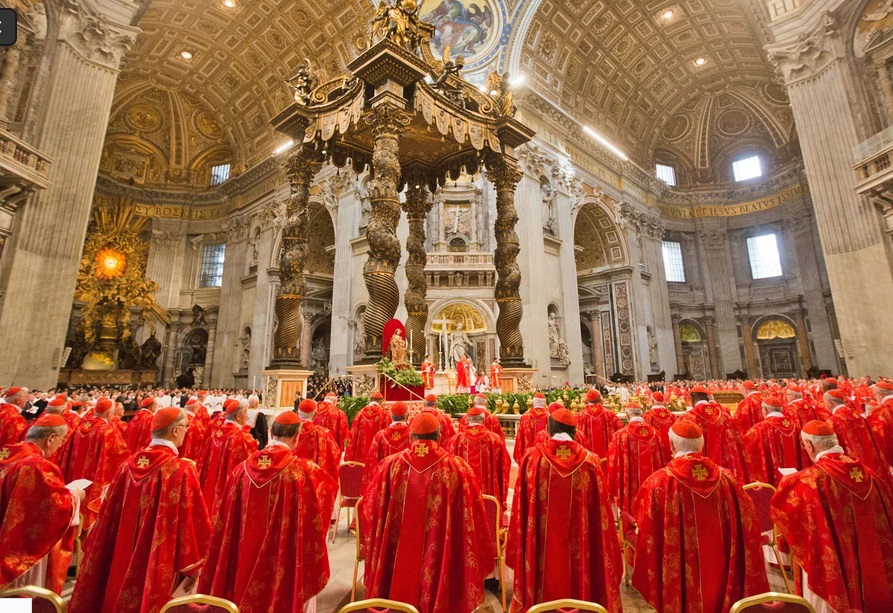
Written and collected by Zia H Shah MD
Abstract
Abstract: Islam is often characterized as a religion without an ordained priesthood, emphasizing direct access to the divine for every believer. This article examines the meaning and implications of the statement “there is no priesthood in Islam,” exploring how various Islamic traditions – Sunni, Twelver Shi‘a, Ismaili Shi‘a, Sufi, and Ahmadiyya – understand religious authority in the absence of a priestly caste. We survey scriptural foundations in the Qur’an and Hadith that reject a formal clergy, and trace the historical development of alternative structures of religious leadership such as scholars (ulama), imams, Sufi shaykhs, and other figures. Each tradition’s perspective is discussed, highlighting both classical formulations and modern interpretations. A comparative analysis contrasts Islam’s non-sacerdotal framework with the concept of priesthood in Christianity and Judaism, examining theological roles, institutional structures, and sociological impacts. The findings reveal a complex picture: while Islam has no priests mediating ritual or salvation, it developed its own forms of religious authority. The thematic epilogue reflects on how the absence of priesthood has shaped Islamic egalitarianism and community life, and how this principle continues to function in contemporary contexts across different Muslim communities.
Read further in Microsoft Word file:



 The Glorious Quran and Science
Leave a comment