
Written and collected by Zia H Shah MD
Catholicism: The Primacy of Papal Authority
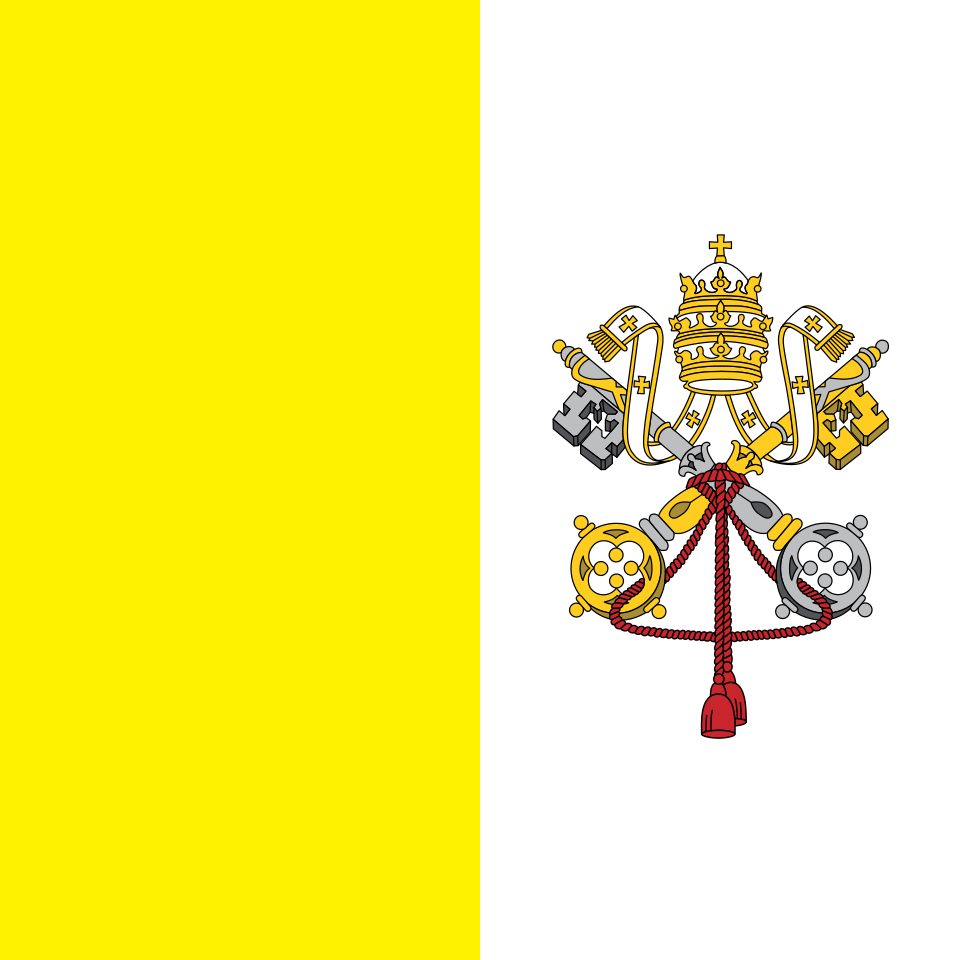
Catholicism centers its ecclesial authority on the papacy – the office of the Bishop of Rome, believed to be the successor of the Apostle Peter. This principle, called papal primacy, has deep historical roots. From early on, the Church of Rome was held in special esteem: around 110 AD, Ignatius of Antioch referred to the Roman church as “presiding” in love and faith among other churches catholicculture.org. By the late 2nd century, St. Irenaeus of Lyon famously wrote that “every Church should agree with this Church [of Rome], on account of its pre-eminent authority” ccel.org. Early Christian communities saw Rome’s bishop as a focal point of unity, given Rome’s association with Peter and Paul and its status in the Empire en.wikipedia.org en.wikipedia.org.
Over the centuries, the Pope gradually gained a singular leadership role. After Christianity’s legalization (4th century), the Bishop of Rome often acted as an arbiter in doctrinal disputes. For example, the Council of Chalcedon (451) acclaimed Pope Leo I’s doctrinal letter by exclaiming, “Peter has spoken through Leo!” – reflecting the belief that Rome guarded apostolic truth. Medieval developments further solidified papal authority. Popes like Gregory VII asserted the power to depose secular rulers, and the papal tiara came to symbolize not just spiritual leadership but temporal influence. By 1054, divergent views on Rome’s claims contributed to the East–West Schism, with the Eastern Church rejecting the Pope’s supreme jurisdiction. In response to the Protestant Reformation a few centuries later, the Catholic Church doubled down on papal authority and tradition as coequal with Scripture at the Council of Trent (1545–1563).
Catholic doctrine formally defined the Pope’s authority in the First Vatican Council (1870). Vatican I’s dogmatic decree Pastor Aeternus declared that the Pope holds “full and supreme power of jurisdiction over the whole Church, not only in matters of faith and morals, but also in discipline and government of the Church” papalencyclicals.net papalencyclicals.net. It taught that this power is “ordinary and immediate” in every church and that appeals to any authority above the Pope (such as an ecumenical council apart from papal approval) are invalid papalencyclicals.net papalencyclicals.net. Vatican I also defined papal infallibility: when the Pope speaks ex cathedra (with full authority, intending to define a doctrine for all Catholics on faith or morals), he is preserved from error by the Holy Spirit. This extraordinary claim was justified by Catholic theologians through Jesus’ words to Peter (“You are Peter, and on this rock I will build my Church… I will give you the keys of the kingdom” in Matthew 16:18–19) and Luke 22:32 (“I have prayed for you [Peter] that your faith may not fail”). Indeed, Vatican I cited earlier councils and popes to show continuity, including the medieval Council of Florence (1439) which stated: “The Roman Pontiff is the true Vicar of Christ, the head of the whole Church and the father and teacher of all Christians; to him was committed…full power of tending, ruling and governing the whole Church” papalencyclicals.net.
In practice, Catholic authority operates as a teaching hierarchy (Magisterium). The Pope in communion with the bishops defines doctrine and guards the deposit of faith. Ecumenical councils are considered authoritative only if confirmed by the Pope. For example, Pope Pius IX unilaterally defined the Immaculate Conception of Mary in 1854, and Vatican I itself was convened and ratified by Pius IX. The Pope’s pronouncements (e.g. papal encyclicals) guide Catholic belief, though only infrequently are they infallible definitions. More often, the Pope and bishops together exercise ordinary magisterium to interpret Scripture and Tradition. In the modern age, Vatican II (1962–65) reaffirmed papal primacy but also emphasized the collegial unity of the bishops with the Pope (teaching that the college of bishops, never apart from its head, also bears the Church’s infallibility in teaching readeralexey.narod.ru readeralexey.narod.ru). Still, the Pope remains the supreme pastor. A Catholic today sees the Pope as visible sign of unity and final human authority in the Church – a role Catholics believe was instituted by Christ for the sake of doctrinal certainty and unity of governance papalencyclicals.net papalencyclicals.net. As one medieval motto put it: “Ubi Petrus, ibi ecclesia” – where Peter (the Pope) is, there is the Church.
Read further in the Microsoft Word file:



 The Glorious Quran and Science
Leave a comment