
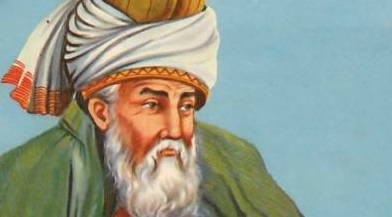
Written and collected by Zia H Shah MD
Abstract
Jalāl ad-Dīn Muḥammad Rūmī (1207–1273), commonly known as Rumi, was a 13th-century Persian poet, Islamic scholar, and Sufi mystic whose life and works have inspired people across faiths and cultures. This article provides a comprehensive overview of Rumi’s life, spiritual journey, and literary legacy, highlighting how his profound poetry of love and inclusive philosophy have made him one of the most beloved poets in the world. We explore Rumi’s early life in the Islamic scholarly tradition, his transformative friendship with Shams of Tabriz, and the creation of his masterworks – the Masnavi and the Divan-e Shams-e Tabrizi. Rumi’s verses are quoted throughout to illustrate his most influential ideas: an all-embracing love that transcends religious boundaries, a deep reverence for the Qur’an (which he likened to a “shy bride”), and a perspective on suffering that finds meaning in life’s trials. We also discuss Rumi’s enduring impact, from the formation of the Mevlevi (Whirling Dervish) order after his death to his status as a best-selling poet in the West, and address modern interpretations and misinterpretations of his work. Rumi’s message of divine love and unity, firmly rooted in his Muslim faith yet universally resonant, continues to spread worldwide through educational foundations and interfaith initiatives. In conclusion, a thematic epilogue reflects on how Rumi’s life and poetry offer timeless guidance on love, tolerance, and spiritual growth in today’s globalized world.
Read further in Microsoft Word file:



 The Glorious Quran and Science
Leave a comment