

Written and collected by Zia H Shah MD
Abstract:
Qur’an 21:107 – “We have not sent you (O Muhammad) but as a mercy to all the worlds” – encapsulates the Islamic emphasis on compassion as a guiding principle. This verse portrays Prophet Muhammad ﷺ as Rahmatan lil-‘Alamin, a universal mercy, setting a theological foundation for compassionate living. This commentary explores the verse from theological, philosophical, and psychological perspectives, highlighting how it nurtures empathy, altruism, and tolerance. Theologically, mercy emerges as a core divine attribute and prophetic mission, reinforced by numerous Qur’anic verses and Prophetic sayings. Philosophically, the call to mercy aligns with the Golden Rule and universal ethics of reciprocity, fostering pluralism and respect for all humanity. Psychologically, practicing compassion – as exemplified by the Prophet – yields individual and social benefits, creating cohesive communities bound by empathy. Taken together, these dimensions of 21:107 inspire Muslims to embody mercy in all dealings, promoting interpersonal kindness, interfaith harmony, and pluralistic coexistence. This paper concludes that understanding and living by the merciful ethos of 21:107 can bridge divides and cultivate a more tolerant, compassionate world.
Introduction
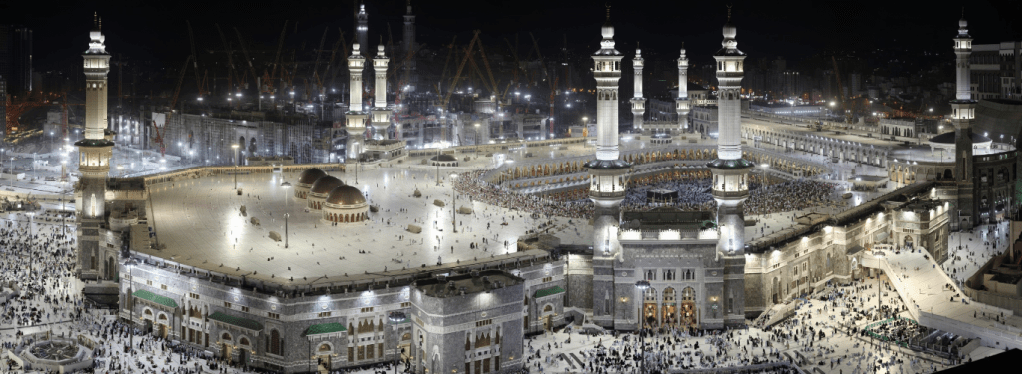
The Prophet’s Mosque in Medina (Al-Masjid an-Nabawī), originally built by Prophet Muhammad, became the nucleus of a compassionate community. From this sacred space, the message of mercy and unity was disseminated to diverse peoples. The Qur’anic verse 21:107 declares that God sent Prophet Muhammad “only as a mercy for all the worlds.” In Arabic, the phrase is rahmatan lil-‘ālamīn, indicating a divinely ordained mercy embracing all peoples and realms of existence. This powerful verse is a cornerstone of Islamic thought, understood by Muslims to mean that the Prophet’s life and teachings were meant to exemplify benevolence, compassion, and care for everyone – Muslim and non-Muslim, human and even animal. It sets a tone of universal goodwill that permeates Islamic ethics. The Prophet’s character of mercy is repeatedly emphasized in scripture: “It is out of Allah’s mercy that you (O Prophet) have been lenient with them. Had you been harsh or hard-hearted, they would have certainly dispersed” quran.com. In other words, gentleness and empathy were the glue of the early Muslim community.
This commentary will examine Qur’an 21:107 through three lenses – theological, philosophical, and psychological – to understand how this verse leads Muslims toward compassionate living, as well as pluralism and interfaith tolerance. We will integrate relevant Qur’anic verses and Hadith (Prophet Muhammad’s sayings) that echo the same themes of mercy. In doing so, we will see that compassion in Islam is not merely an optional virtue but a fundamental paradigm that shapes Muslims’ interactions within their own community and with others. Ultimately, the message “mercy to all the worlds” serves as a guiding light for Muslims to be kind, just, and tolerant, embodying the very mercy they hope to receive from God.
Theological Reflections: Mercy as the Core of the Prophet’s Mission
In Islamic theology, mercy (raḥmah) is at the heart of God’s attributes and the mission of His Prophet. Qur’an 21:107 addresses the Prophet Muhammad ﷺ directly, affirming that his very purpose is to be a manifestation of God’s mercy to humanity. Classical and modern Quranic commentators note that this emphasis on mercy is not isolated – the root R-Ḥ-M (mercy, compassion) appears over 300 times in the Qur’an, underscoring that mercy is “the dominant theme of God’s message” thequran.love. In fact, nearly every chapter of the Qur’an begins with the phrase “In the name of Allah, the Entirely Merciful, the Especially Merciful,” indicating that divine revelation is immersed in mercy from the outset. The Qur’an even says of God, “My mercy encompasses all things” (7:156) and “He has decreed upon Himself mercy” (6:12), highlighting mercy as a guiding rule of God’s dealing with creation.
Within this theological context, Prophet Muhammad is described as “a mercy to all the worlds” thequran.love, meaning his role is a divine gift of compassion to everyone and everything. Notably, the verse does not limit this mercy to Muslims alone; “all the worlds” (al-‘ālamīn) implies all peoples, nations, and even creatures. This universal scope has profound implications. It means that from a theological perspective, Muslims believe their Prophet’s teachings were meant to benefit all of humanity, bringing justice, ethics, and compassion that anyone can appreciate. Islamic tradition relates that the Prophet himself said, “I am but a bestowed mercy” (reported in Hadith), underlining that his identity is intertwined with rahmah. Furthermore, he taught that God’s mercy to His servants is conditional on their showing mercy to others: “He who does not show mercy will not be shown mercy (by God)” thequran.love. This famous hadith (also narrated in Bukhari and Muslim) urges human beings to mirror the divine attribute of mercy in their own lives. In another narration, the Prophet stated succinctly: “Allah has no mercy on him who has no mercy for others” thequran.love. Theologically, therefore, extending compassion and kindness is not just an ethical choice but a spiritual imperative in Islam – it is a way to earn God’s pleasure and mercy.
The Qur’an and Hadith also illustrate God’s compassion through vivid examples that believers are asked to emulate. The Prophet’s merciful conduct was so encompassing that it even extended to those who opposed him. The Qur’an reminds Muhammad of a specific instance of divine mercy shaping his behavior: “It is by God’s mercy that you were gentle with them. If you had been harsh and hard-hearted, they would have fled from around you” quran.com. This verse (3:159) revealed after a battle underscores that the Prophet’s success in guiding people lay in his gentleness and forgiveness, even under trying circumstances. God instructs him immediately after to “pardon them and seek forgiveness for them” quran.com – a directive to respond with compassion rather than anger. Such verses cement the theological understanding that leniency, forgiveness, and empathy are divinely mandated qualities of leadership. It also affirms that the Prophet’s compassion was not due to weakness, but a mercy emanating from God’s own mercy.
In sum, from a theological viewpoint, Qur’an 21:107 establishes mercy as the ethos of the Islamic message. Allah’sMessenger is sent as a mercy, the Qur’an is suffused with mercy, and Allah loves those who are merciful. This foundation compels Muslims to see acts of compassion – feeding the hungry, comforting the sick, forgiving faults – as sacred acts of worship. Worship is not limited to ritual; it is deeply connected with how one treats creation. A hadith qudsī (a saying of God reported by the Prophet) dramatically illustrates this on the Day of Judgment: God will say, “O son of Adam, I was hungry and you did not feed Me… Did you not know that My servant was hungry and you did not feed him? Had you fed him, you would have found (the reward) with Me…” thequran.love, equating serving those in need with serving God. Theologically, therefore, compassionate living is a reflection of divine mercy and a requirement of faith – a concept that naturally extends to how Muslims should regard all human beings in a pluralistic world.
Read further in PDF file:
Mercy to All the Worlds (Qur’an 21_107)_ A Psychological, Philosophical, and Theological Commentary
Download


 The Glorious Quran and Science
Leave a comment