
Written and collected by Zia H Shah MD
Introduction
Close examination of the Christian sacraments and dogma can bring the rational closer to Islam.
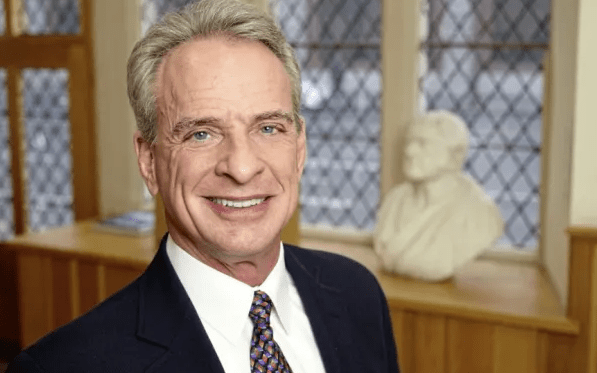
William Lane Craig is an American analytic philosopher and Christian theologian, widely known for his work in the philosophy of religion and as a leading Christian apologist closertotruth.com. He has defended core Christian doctrines in numerous debates and writings, and serves as a Research Professor of Philosophy at Biola University’s Talbot School of Theology. While Craig’s scholarship often focuses on topics like the existence of God (e.g. the Kalām cosmological argument) and the resurrection of Jesus, he has also engaged with Christian doctrinal issues such as the nature of sacraments. In the video in question, Craig examines the theology of the Eucharist (also called Holy Communion or the Lord’s Supper) – the ritual commemoration of Jesus Christ’s Last Supper – and offers his perspective on what it means for Christians. Below, we first summarize Craig’s views from the video, and then present a critical analysis of the Eucharist from scientific, philosophical, and Islamic theological perspectives. The tone throughout remains academic and formal, aiming to treat each viewpoint with respect while engaging in rigorous critique.
William Lane Craig’s Perspective on the Eucharist
In the video, William Lane Craig provides an overview of how different Christian denominations understand the Eucharist, and then explains why he favors a symbolic or “ordinance” view in line with his Baptist roots. Craig outlines the major traditional positions:
- Roman Catholicism: the doctrine of transubstantiation, wherein upon consecration the bread and wine literally become the body and blood of Christ (their substance changes, even though their appearances remain bread and wine) thequran.love thequran.love. Christ is thought to be truly and substantially present in the elements.
- Lutheranism: the view of sacramental union (sometimes informally misnamed “consubstantiation”), meaning Christ’s body and blood are truly present “in, with, and under” the bread and wine. The bread remains, but Christ’s body is also really present; this takes Jesus’ words “This is my body” as straightforward but avoids the Aristotelian framework of substance change thequran.love thequran.love.
- Calvin/Reformed: a spiritual presence view where the Eucharist is a means for believers to commune with Christ spiritually (by the Holy Spirit or by faith) rather than any change in the elements. The bread and wine are seen as symbols used by God to convey grace, not a literal transformation thequran.love thequran.love.
- Baptists/Zwinglians: a memorialist view that the Lord’s Supper is essentially a symbolic remembrance of Christ’s death, an ordinance that Christ commanded but which does not involve any special presence of Christ in the elements beyond the ordinary presence of God everywhere thequran.love. In this view, the bread and wine remain just bread and wine, serving as symbols of Jesus’ body and blood and a communal reminder of his sacrifice.
Craig notes that historically, these views caused significant debate. After presenting the range of perspectives, he “settles for the Baptist view” – i.e. the memorialist or symbolic interpretation saunadebates.wordpress.com. In Craig’s understanding, the Eucharist is not a magical change in the elements but rather a sacred symbolic meal. He argues that Christ is present at the Lord’s Supper only in a spiritual sense (in his divine nature, which being omnipresent is everywhere), but not present in his human, bodily nature saunadebates.wordpress.com. Jesus’ human body, Craig emphasizes, is located in heaven (as per traditional Christian belief in the Ascension), and thus not physically on every altar during communion.
Read further in PDF file:
William Lane Craig on the Eucharist – Summary and Multidisciplinary Critique
Download

 The Glorious Quran and Science
Leave a comment