
Presented by Zia H Shah MD with the help of ChatGPT
Introduction
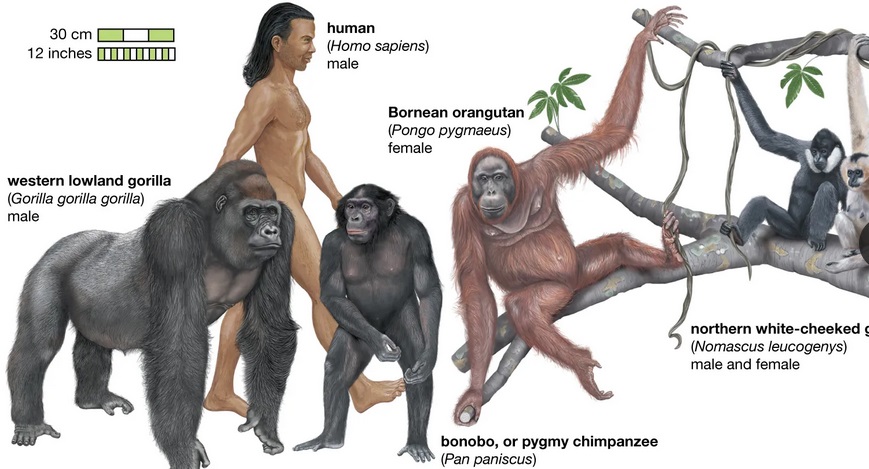
The doctrine of occasionalism – famously championed by the medieval theologian Abu Hamid al-Ghazali (1058–1111) in Ash‘arite Islam – holds that God is the sole true cause of every event in the universe. In this view, created things have no intrinsic causal power; what we call “causes” in nature are merely the occasions on which God directly creates their effects thequran.love. Al-Ghazali argued that affirming real secondary causes compromises God’s omnipotence and unity (tawḥīd), as it would “set up partners with God in power” thequran.love. Instead, all events occur by God’s will and continual intervention, with natural regularities being simply the habits (sunnat Allāh) by which God normally operates thequran.love. This raises a profound question when brought into dialogue with modern science: How does Al-Ghazali’s occasionalism interact with the theory of evolution by natural selection? Would an occasionalist conclude that every step of evolution is a direct act of God, and if so, does that eliminate any need to posit special divine “interventions” or guided moments in evolutionary history?
This analysis will explore these questions from philosophical and theological perspectives. We will draw on classical Islamic thought (especially Ash‘arite theology), modern Islamic philosophy engaging with evolution, and insights from contemporary philosophy of religion. The goal is to see how occasionalism might frame the compatibility (or incompatibility) between Islamic theology and evolutionary theory. We will proceed by outlining the Ash‘arite occasionalist view of causation, then apply it to the evolutionary process, and finally consider whether, under this view, one should dispense with the search for exceptional divine interventions in evolution. Throughout, references to primary sources and scholarly analyses will be provided.
Read further in PDF file:


 The Glorious Quran and Science
Leave a comment