
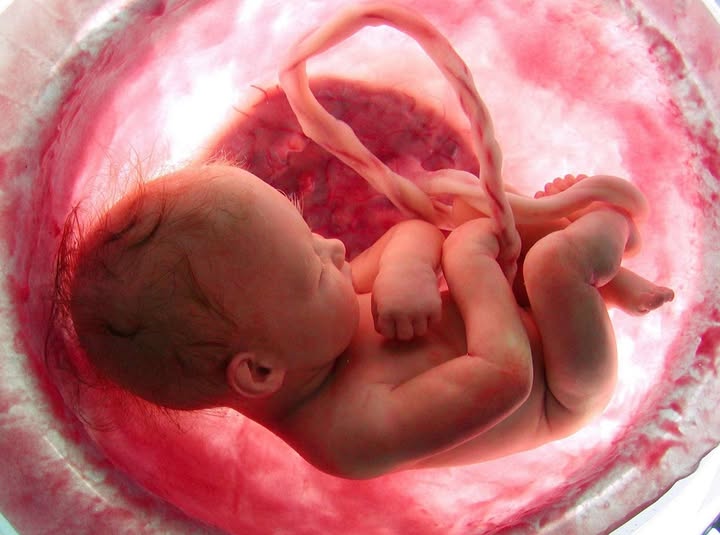
Epigraph
يَٰٓأَيُّهَا ٱلنَّاسُ إِن كُنتُمْ فِى رَيْبٍ مِّنَ ٱلْبَعْثِ فَإِنَّا خَلَقْنَٰكُم مِّن تُرَابٍ ثُمَّ مِن نُّطْفَةٍ ثُمَّ مِنْ عَلَقَةٍ ثُمَّ مِن مُّضْغَةٍ مُّخَلَّقَةٍ وَغَيْرِ مُخَلَّقَةٍ لِّنُبَيِّنَ لَكُمْ ۚ وَنُقِرُّ فِى ٱلْأَرْحَامِ مَا نَشَآءُ إِلَىٰٓ أَجَلٍ مُّسَمًّى ثُمَّ نُخْرِجُكُمْ طِفْلًا…
“O mankind! If you are in doubt about the Resurrection, then [consider that] indeed, We created you from dust, then from a sperm-drop, then from a clinging clot (ʿalaqah), then from a lump of flesh, formed and unformed, that We may show you. And We settle in the wombs whom We will for a specified term, then We bring you out as infants…” (Al Quran 22:5)
Written and collected by Zia H Shah MD
The Lucky Meteor Strike
The asteroid responsible for the mass extinction event that led to the demise of the dinosaurs is estimated to have been approximately 10 to 15 kilometers (6.2 to 9.3 miles) in diameter. This colossal impactor struck the area now known as the Yucatán Peninsula in Mexico, creating the Chicxulub crater, which spans about 180 kilometers (112 miles) in diameter.
This event, occurring approximately 66 million years ago, is widely accepted as the primary cause of the Cretaceous-Paleogene extinction event, which eradicated about 75% of Earth’s species, including all non-avian dinosaurs.
Was it a coincidence or providence of the All-Knowing?
Most mammals before dinosaur extinction were shrew to rodent-sized (a few exceptions, like Repenomamus, reached cat-sized proportions) and occupied nocturnal, insectivorous, or omnivorous niches.
The extinction reset Earth’s ecosystems, enabling mammals to evolve into giants like Paraceratherium (the largest land mammal) and keystone predators like Smilodon, such as the saber-toothed tiger. This diversification laid the groundwork for the eventual emergence of primates—and humans.
Paraceratherium is an extinct genus of hornless rhinocerotoids belonging to the family Paraceratheriidae. It is one of the largest terrestrial mammals that has ever existed and lived from the early to late Oligocene epoch (34–23 million years ago). The first fossils were discovered in what is now Pakistan, and remains have been found across Eurasia between China and the Balkans.
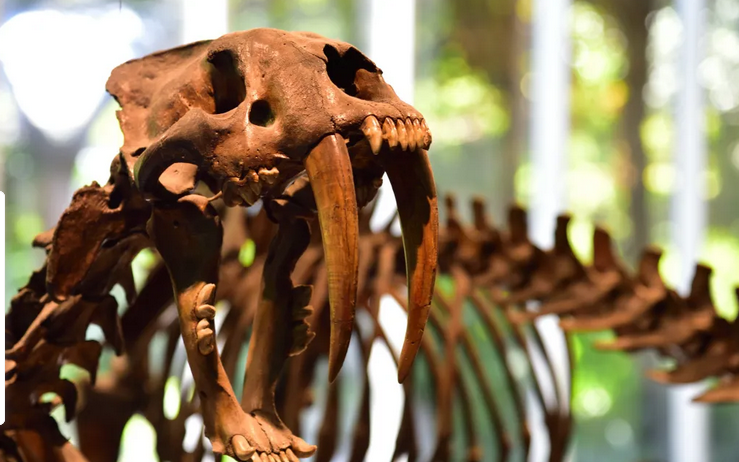
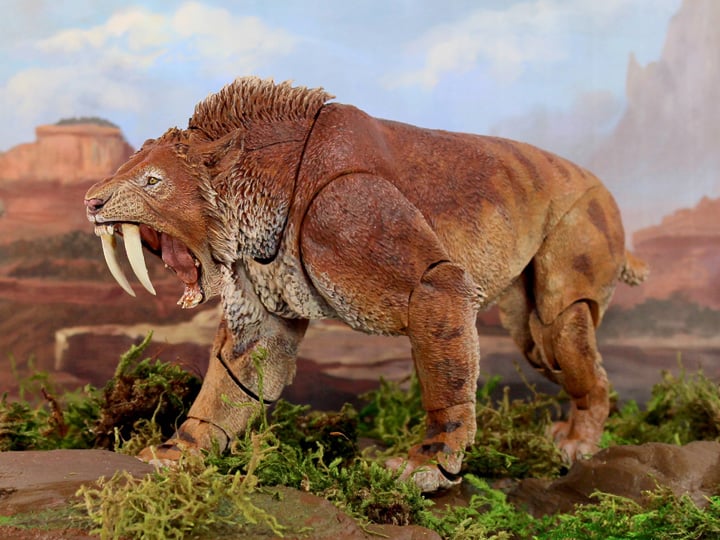
The stage was set for hundreds of mammalian species. As of 2018, the Mammal Diversity Database recognized approximately 6,495 valid mammal species, comprising 6,399 extant species and 96 recently extinct ones. This marked an increase of 1,079 species since the 2005 edition of Mammal Species of the World, which listed 5,416 species (5,341 extant and 75 extinct).
People with agnostic and atheist tendencies will think of the meteor strike as a chance event. This is their ideology. In the same vein, the Muslims, with our belief in the Quran being the literal word of God, have no reason to feel shy in understanding that this was part of God’s plan to create Homo sapiens.
Most mammals are placental mammals. There is another fascinating coincidence that contributed to the development of the placenta.
The Placenta
The placenta—a transient organ unique to placental mammals (eutherians)—is a marvel of evolutionary innovation. Its development hinges on an unexpected source: ancient retroviruses. This story of symbiotic evolution, spanning millions of years, reveals how mammals repurposed viral invaders into essential tools for reproduction. Here’s how it unfolded:
1. The Retroviral Contribution: Syncytins
Key Players: Endogenous Retroviruses (ERVs)
Retroviruses are RNA viruses that insert their genetic material into host DNA. Over time, some of these viral sequences became permanent fixtures in mammalian genomes as endogenous retroviruses (ERVs). Remarkably, mammals co-opted ERV genes to build the placenta:
- Syncytins:
- Retroviral envelope (env) genes, which code for proteins that fuse viral and host cell membranes, were repurposed into syncytins. These proteins enable placental cells (trophoblasts) to fuse into a single layer called the syncytiotrophoblast, critical for nutrient exchange and protecting the fetus from the mother’s immune system.
- Examples:
- In humans, syncytin-1 (captured ~25–40 million years ago) and syncytin-2 (from a different retrovirus) are essential for placental development.
- Mice, sheep, and rabbits have their own syncytins, acquired independently from distinct retroviral infections.
- Convergent Evolution:
Different mammal lineages “domesticated” retroviral genes at different times, showcasing how evolution repeatedly harnessed viral tools for the same purpose.
2. Evolutionary Steps in Placental Development
Stage 1: From Egg-Laying to Live Birth
Early mammals were egg-layers (oviparous), like modern monotremes (e.g., platypus). The shift to viviparity (live birth) required:
- Retaining embryos internally.
- Developing structures to nourish embryos (early precursors to the placenta).
Stage 2: The Retroviral “Breakthrough”
- Retroviral env genes provided a ready-made mechanism for cell fusion. By fusing trophoblast cells into a syncytium, mammals created a barrier that:
- Facilitated efficient nutrient/waste exchange.
- Prevented maternal immune cells from attacking the fetus (the fetus is genetically distinct from the mother).
Stage 3: Refinement and Diversification
- Syncytins became integrated into complex regulatory networks, working alongside other genes (e.g., growth factors, hormone receptors) to refine placental function.
- Placental structures diversified: Some mammals (e.g., humans) have highly invasive placentas, while others (e.g., horses) have less invasive forms.
3. Deep-Time History of the Placenta
- Early Mammals (Jurassic Period, ~160 mya):
The earliest eutherians, like Juramaia, likely had simple placental structures. Fossil evidence is scarce, but genetic studies suggest syncytins emerged around this time. - Cretaceous-Paleogene (K-Pg) Extinction (~66 mya):
Placental mammals survived the mass extinction that wiped out dinosaurs. Their reproductive strategy—supported by the placenta—gave them a survival edge in the post-apocalyptic world. - Cenozoic Radiation:
After the K-Pg event, placental mammals diversified explosively. The placenta’s efficiency allowed for longer gestation, larger brains, and complex behaviors, enabling mammals to dominate land, sea, and air.
4. Why Retroviruses? Evolutionary Advantages
- Membrane Fusion Expertise: Retroviral envelope proteins evolved to fuse cells—a pre-adapted tool for forming the syncytiotrophoblast.
- Immune Suppression: Some syncytins may suppress maternal immune responses, preventing rejection of the fetus (a semi-foreign organism).
- Evolutionary “Recycling”: Retroviral sequences, often seen as junk DNA, provided raw material for innovation—a process called exaptation.
5. Broader Implications
- Viruses as Evolutionary Partners:
The placenta underscores how viruses, typically viewed as pathogens, can drive macroevolutionary change. Similar retroviral contributions are found in the immune system (e.g., antiviral defenses) and even the human brain. - Medical Relevance:
Dysfunctional syncytins are linked to pregnancy complications like preeclampsia and miscarriage. Understanding their retroviral origins could inform treatments. - A Universal Phenomenon:
Retroviral domestication isn’t unique to mammals. Plants and insects have also co-opted viral genes, suggesting this is a widespread evolutionary strategy.
6. Controversies and Mysteries
- Timing: When exactly did syncytins emerge? Fossil evidence is lacking, but molecular clocks suggest multiple waves of retroviral capture.
- Non-Placental Mammals: Marsupials (e.g., kangaroos) lack syncytins and instead use other mechanisms for pregnancy, highlighting the placenta’s uniqueness to eutherians.
Coincidence or Providence: A Viral Legacy in Our DNA?
The placenta’s origin story is a testament to life’s creativity. By co-opting retroviral invaders, early mammals turned a threat into a cornerstone of their reproductive success. This symbiosis between virus and host reshaped the course of evolution, enabling the rise of everything from bats to whales—and ultimately, humans. Far from being mere “junk,” our genomes carry the remnants of ancient viral alliances that made complex life possible.
The placenta’s origin from retroviral genes is a striking example of life’s ingenuity. By coopting viral machinery, early mammals turned a potential threat into a cornerstone of their reproductive success. This story underscores the deep interplay between viruses and host evolution—a dynamic that continues to shape biology today.
For anyone with theistic ideology such amazing creativity speaks of guided evolution rather than a blind process.
Five verses in the Quran discuss the concept of a clinging form عَلَقَ or عَلَقَةٍ.
Commentary on Quranic Verses Containing the Word عَلَقَةٍ (ʿAlaqah)
The term ʿalaqah (عَلَقَةٍ) appears in the Quran in the context of human embryonic development, symbolizing one of the stages of creation. Linguistically, ʿalaqah derives from the root ʿa-la-qa (عَلَقَ), which means “to cling,” “to adhere,” or “a leech-like substance.” This term is used metaphorically and scientifically to describe a stage of human gestation. Below is a commentary on all Quranic verses that mention ʿalaqah:
1. Quranic Verses 96:1-2 (Surah Al-‘Alaq: The Clinging Form)
ٱقْرَأْ بِٱسْمِ رَبِّكَ ٱلَّذِى خَلَقَ خَلَقَ ٱلْإِنسَٰنَ مِنْ عَلَقٍ
“Read in the name of your Lord who created—Created humankind from a clinging clot (ʿalaq).”
These two verses mark the first revelation of the Quran to Prophet Muhammad ﷺ in the Cave of Hira (610 CE). They inaugurate the prophetic mission and set the foundation for Islam’s intellectual and spiritual framework. The command “Read!” (Iqraʾ) is transformative, signaling a shift from pre-Islamic ignorance (Jahiliyyah) to divine guidance.
Linguistic and Conceptual Analysis
- ٱقْرَأْ (Iqraʾ – Read/Recite):
- The imperative verb iqraʾ derives from qaraʾa (to read, recite, or proclaim). Though the Prophet ﷺ was unlettered (ummi), this command underscores the Quran’s miraculous nature and the centrality of knowledge in Islam.
- The act of “reading” here transcends literacy; it is an invitation to engage with divine revelation, reflect on creation, and internalize spiritual truths.
- بِٱسْمِ رَبِّكَ (In the Name of Your Lord):
- The phrase ties all action and knowledge to Allah, the Rabb (Lord, Sustainer). It establishes that learning, creation, and existence itself are rooted in His sovereignty and mercy.
- Unlike the Basmalah (Bismillah), which opens most surahs, this verse uniquely emphasizes Rabb—highlighting Allah’s role as Educator and Nurturer of humanity.
- خَلَقَ (Who Created):
- The repetition of khalaqa (“created”) emphasizes Allah as the sole Creator. The first khalaqa refers broadly to all creation, while the second specifies the creation of insān (humankind).
- مِنْ عَلَقٍ (From a Clinging Clot):
- ʿAlaq (عَلَق) carries multiple meanings: “clinging substance,” “leech-like clot,” or “embryo.” Classical exegetes like Ibn Kathir interpreted it as a clot of blood, symbolizing humanity’s humble origins.
- Modern scholars note its alignment with embryology: the ʿalaqah stage (days 7–24 of gestation) involves the embryo implanting and clinging (taʿallaq) to the uterine wall, resembling a leech in shape and function.
2. Surah Al-Mu’minun (23:14)
ثُمَّ خَلَقْنَا ٱلنُّطْفَةَ عَلَقَةً فَخَلَقْنَا ٱلْعَلَقَةَ مُضْغَةً فَخَلَقْنَا ٱلْمُضْغَةَ عِظَٰمًا فَكَسَوْنَا ٱلْعِظَٰمَ لَحْمًا ثُمَّ أَنشَأْنَٰهُ خَلْقًا ءَاخَرَ ۚ فَتَبَارَكَ ٱللَّهُ أَحْسَنُ ٱلْخَٰلِقِينَ
“Then We made the sperm-drop into a clinging clot (ʿalaqah), and We made the clot into a lump [of flesh], and We made [from] the lump bones, and We covered the bones with flesh; then We developed him into another creation. So blessed is Allah, the best of creators.”
Commentary:
- Context: This verse is part of a sequence detailing the stages of human creation, emphasizing Allah’s power and intentionality.
- Linguistic Meaning: ʿAlaqah here refers to a “clinging” entity, resembling a leech in appearance and function. Classical exegetes like Ibn Kathir describe it as a clot of blood, while modern scholars often note its alignment with the embryonic stage where the zygote implants into the uterine wall.
- Scientific Resonance: Modern embryology identifies the ʿalaqah stage (days 7–24) as the embryo’s transition from a zygote to a blastocyst, which clings to the uterus. The leech-like shape and dependence on maternal blood supply further reinforce the metaphor.
- Theological Significance: The verse underscores Allah’s mastery over life’s intricate processes, inviting reflection on human humility and the miracle of existence.
3. Surah Al-Hajj (22:5)
يَٰٓأَيُّهَا ٱلنَّاسُ إِن كُنتُمْ فِى رَيْبٍ مِّنَ ٱلْبَعْثِ فَإِنَّا خَلَقْنَٰكُم مِّن تُرَابٍ ثُمَّ مِن نُّطْفَةٍ ثُمَّ مِنْ عَلَقَةٍ ثُمَّ مِن مُّضْغَةٍ مُّخَلَّقَةٍ وَغَيْرِ مُخَلَّقَةٍ لِّنُبَيِّنَ لَكُمْ ۚ وَنُقِرُّ فِى ٱلْأَرْحَامِ مَا نَشَآءُ إِلَىٰٓ أَجَلٍ مُّسَمًّى ثُمَّ نُخْرِجُكُمْ طِفْلًا…
“O mankind! If you are in doubt about the Resurrection, then [consider that] indeed, We created you from dust, then from a sperm-drop, then from a clinging clot (ʿalaqah), then from a lump of flesh, formed and unformed, that We may show you. And We settle in the wombs whom We will for a specified term, then We bring you out as infants…”
Commentary:
- Context: This verse addresses skeptics of resurrection, using embryology as proof of Allah’s ability to recreate life.
- Developmental Stages: The progression from nutfah (sperm-drop) to ʿalaqah (clinging clot) to muḍghah (fleshy lump) mirrors Surah Al-Mu’minun 23:14. The phrase “formed and unformed” may refer to differentiated vs. undifferentiated tissues.
- Purpose: The verse connects physical creation to spiritual resurrection, arguing that the One who initiates life can certainly restore it.
- Classical Exegesis: Scholars like Al-Tabari highlight the fragility of the ʿalaqah stage to emphasize human dependence on divine will.
4. Surah Al-Mumin (40:67)
هُوَ ٱلَّذِى خَلَقَكُم مِّن تُرَابٍ ثُمَّ مِن نُّطْفَةٍ ثُمَّ مِنْ عَلَقَةٍ ثُمَّ يُخْرِجُكُمْ طِفْلًا ثُمَّ لِتَبْلُغُوٓا۟ أَشُدَّكُمْ ثُمَّ لِتَكُونُوا۟ شُيُوخًا ۚ وَمِنكُم مَّن يُتَوَفَّىٰ مِن قَبْلُ ۖ وَلِتَبْلُغُوٓا۟ أَجَلًا مُّسَمًّى وَلَعَلَّكُمْ تَعْقِلُونَ
“It is He who created you from dust, then from a sperm-drop, then from a clinging clot (ʿalaqah); then He brings you out as infants; then [He develops you] that you may reach your [time of] maturity, then [further] that you may become elders. And among you is he who is taken in death before [that], so that you reach a specified term; and perhaps you may use reason.”
Commentary:
- Lifecycle Narrative: This verse traces the entire human lifecycle—from embryonic stages (ʿalaqah) to old age—to instill gratitude and recognition of Allah’s sovereignty.
- Continuity of Creation: The repetition of ʿalaqah across multiple surahs reinforces the Quran’s consistency in describing human origins.
- Moral Reflection: By linking physical development to intellectual maturity (“perhaps you may use reason”), the verse urges humans to reflect on their purpose and mortality.
5. Surah Al-Qiyamah (75:38)
ثُمَّ كَانَ عَلَقَةً فَخَلَقَ فَسَوَّىٰ
“Then [the sperm-drop] became a clinging clot (ʿalaqah), and [Allah] created [it] and proportioned [it].”
Commentary:
- Sublime Brevity: This concise verse encapsulates the entirety of embryonic development, affirming Allah’s role as the meticulous Designer (“proportioned [it]”).
- Connection to Resurrection: In the broader context of Surah Al-Qiyamah (which focuses on the Day of Judgment), the verse serves as a reminder that the One who shapes the ʿalaqah into a perfect human can also resurrect bodies after death.
Repetition of descriptions of embryonic stages with different emphasis and context appears in five different Surahs, emphasizing consistency in the Quran’s message. These parallels reinforce the theme of deliberate, purposeful creation.
Overarching Themes
- Divine Precision: The ʿalaqah stage highlights Allah’s deliberate, phased creation, countering randomness in existence.
- Human Humility: The clinging, dependent nature of the ʿalaqah underscores human vulnerability and reliance on the Creator.
- Resurrection as a Parallel: Embryology is repeatedly used as evidence for life after death, bridging the seen (biological processes) and unseen (spiritual realities).
- Scientific Engagement: While the Quran is not a scientific textbook, its alignment with modern embryology (e.g., implantation, tissue differentiation) has sparked dialogue between faith and science.
Contemporary Reflections
- Embryology and the Quran: Some scholars, like Keith L. Moore, have noted the accuracy of Quranic descriptions of embryonic stages.
- Ethical Implications: The Quran’s emphasis on the sanctity of life from its earliest stages resonates in debates on abortion and biomedical ethics.
Epilogue
The Quran’s use of ʿalaqah is both a scientific metaphor and a theological lesson. It invites believers to marvel at the intricacy of their creation, acknowledge their Creator, and prepare for the accountability of the Hereafter. The repeated mention of this stage across surahs serves as a unifying thread, weaving together themes of origin, purpose, and destiny.
Verse 22:5 is a microcosm of Quranic theology, intertwining creation, mortality, and resurrection. It invites reflection on existence, urging humility and faith. By grounding abstract concepts in tangible examples—birth, growth, and nature’s cycles—it makes the unseen (resurrection) comprehensible, affirming God’s omnipotence and the certainty of the Hereafter. This verse remains a cornerstone for discussions on faith, science, and the afterlife in Islamic thought.
The root ʿalaqa in the Quran weaves together the physical and metaphysical, from the clinging embryo to the soul’s attachment to its Creator. Each usage reinforces core Islamic themes: Allah’s creative power, human humility, and the inevitability of accountability. By contemplating these verses, believers are urged to “cling” to faith and righteousness, just as life itself clings to divine will.

 The Glorious Quran and Science
Leave a comment