
Epigraph
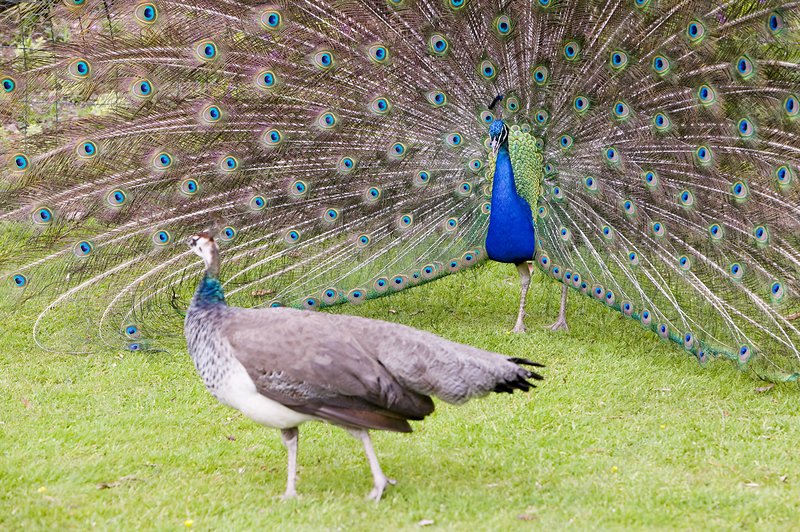
He made beautiful all that he created, He first created man from clay. (Al Quran 32:7)
He is the Mighty, the Forgiving; Who created the seven heavens, one above the other. You will not see any flaw in what the Lord of Mercy creates. Look again! Can you see any flaw? Look again! And again! Your sight will turn back to you, weak and defeated. (Al Quran 67:2-4)
He is Allah, the Creator, the Maker, the Fashioner. His are the most beautiful names. All that is in the heavens and the earth glorifies Him, and He is the Mighty, the Wise. (Al Quran 59:24)
…
Written and collected by Zia H Shah MD, Chief Editor of the Muslim Times
In Islamic tradition, beauty is intrinsically linked to the recognition of God’s existence and attributes. The Quran and Hadith emphasize that all manifestations of beauty in the world are reflections of the Divine, guiding believers toward an understanding of God’s presence.
God’s Attribute of Beauty
The Prophet Muhammad (peace be upon him) articulated the inherent beauty of God, stating:
“God is beautiful, and He loves beauty.”
This Hadith underscores that beauty is a divine quality, and the appreciation of beauty leads one to acknowledge the Creator.
Creation as a Reflection of Divine Beauty
The Quran describes the universe as a manifestation of God’s perfect creation:
“(God) Who has beautified everything that He created.” (Surah Sajdah)
This verse suggests that the beauty observed in the world is a deliberate act of God, serving as a sign for those who reflect.
Human Creation in the Best Form
The Quran emphasizes the excellence in human creation:
“We have indeed created humankind in the best of molds.” (Surah Teen)
This indicates that the human form itself is a testament to God’s artistry, encouraging recognition of the Creator through self-reflection.
Divine Light as a Metaphor for Guidance
The “Verse of Light” in the Quran uses the metaphor of light to describe God’s guidance:
“Allah is the Light of the heavens and the earth…” (Surah Noor)
This profound imagery associates divine light with beauty and guidance, symbolizing how God’s presence illuminates the universe and the hearts of believers.
Conclusion
In Islamic thought, the pervasive beauty in creation serves as a continuous reminder of God’s existence and attributes. By contemplating the aesthetic and harmonious aspects of the world, believers are drawn to a deeper appreciation and acknowledgment of the Divine.

 The Glorious Quran and Science
Leave a comment