

Written and collected by Zia H Shah MD, Chief Editor of the Muslim Times
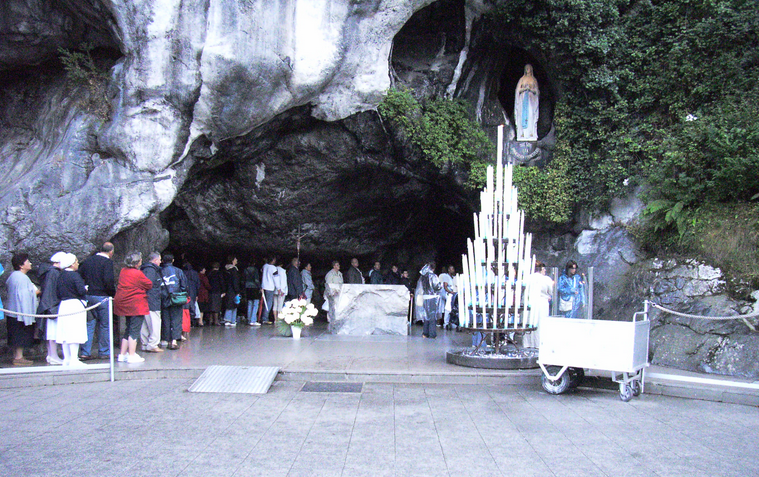
The Shrine of Our Lady of Lourdes, located in Lourdes, France, stands as a significant pilgrimage destination, drawing millions of visitors annually. Its origins trace back to a series of Marian apparitions reported by a young peasant girl, Bernadette Soubirous, in 1858.
The Sanctuary of Our Lady of Lourdes in France is one of the most frequented pilgrimage sites globally. Annually, it attracts approximately 5 to 6 million pilgrims and visitors from around the world. Since 1860, over 200 million individuals have journeyed to Lourdes, seeking spiritual solace and healing.
Historical Background
On February 11, 1858, 14-year-old Bernadette Soubirous experienced the first of 18 apparitions of a “lady” while gathering firewood near the Grotto of Massabielle. Over the subsequent months, Bernadette reported these visions, during which the lady, later identifying herself as the “Immaculate Conception,” conveyed messages emphasizing prayer and penance. Skepticism and curiosity surrounded these events, but the discovery of a spring within the grotto, believed to possess healing properties, bolstered belief in the apparitions’ authenticity. In 1862, after thorough investigation, the Catholic Church officially recognized the apparitions, leading to the development of the site as a place of worship and pilgrimage. Wikipedia
Development of the Shrine
Following the Church’s recognition, efforts commenced to accommodate the influx of pilgrims. The initial structure, known as the Crypt, was completed, and in 1864, a statue of the Virgin Mary, sculpted by Joseph-Hugues Fabisch, was placed in the grotto. Over time, the sanctuary expanded to include several basilicas and facilities to serve the spiritual and physical needs of visitors. The spring, uncovered by Bernadette, continues to be a focal point, with many attributing miraculous healings to its waters. Wikipedia
Cultural and Religious Significance
The Shrine of Our Lady of Lourdes has become emblematic of faith and hope, particularly for those seeking healing. The site hosts numerous processions, masses, and the sacrament of reconciliation daily. Its influence extends beyond France, inspiring the establishment of numerous churches and shrines worldwide dedicated to Our Lady of Lourdes. The annual Feast of Our Lady of Lourdes on February 11th commemorates the first apparition and is observed by Catholics globally.
In summary, the Shrine of Our Lady of Lourdes stands as a testament to enduring faith, rooted in the experiences of Saint Bernadette Soubirous. Its rich history and the legends surrounding it continue to inspire and draw pilgrims from around the world, seeking spiritual solace and healing.
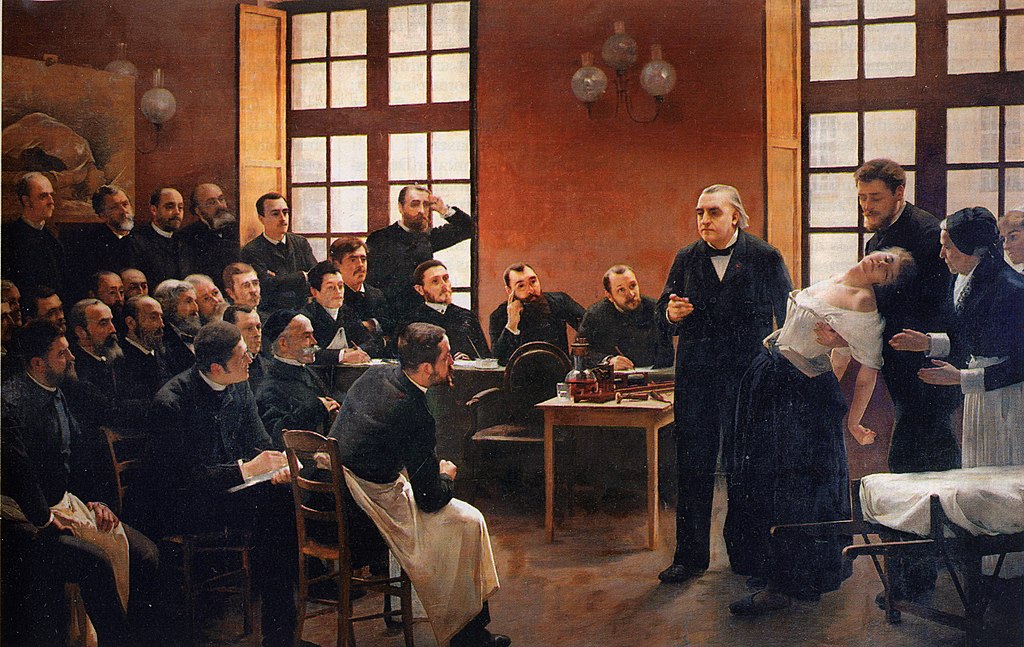
Jean-Martin Charcot, a pioneering French neurologist of the 19th century, critically examined the reported miracles at the Shrine of Our Lady of Lourdes in France. While acknowledging the occurrence of sudden cures among pilgrims, Charcot attributed these phenomena to natural laws, particularly the power of suggestion and psychological factors, rather than divine intervention.
Charcot’s Perspective on Faith Healing
In his final publication, an essay titled “La foi qui guérit” (“The Faith that Heals”) in 1893, Charcot explored the concept of faith healing. He posited that so-called miraculous cures adhered to natural laws and could be explained through physiological processes. Charcot observed that certain patients, unresponsive to conventional treatments at his clinic in La Salpêtrière, experienced recovery after visiting Lourdes. He attributed these recoveries to “autosuggestion,” a process wherein a person’s belief and expectation initiate physical healing responses. PubMed
The Role of Autosuggestion
Charcot’s analysis suggested that the environment of Lourdes, imbued with religious fervor and collective belief, could potentiate autosuggestion among pilgrims. He believed that individuals with functional nervous disorders, particularly those exhibiting high suggestibility, were more susceptible to such cures. This perspective implied that the mental state and expectations of patients played a crucial role in their healing experiences at Lourdes. Psychology Today
Distinguishing Between Organic and Functional Disorders
Charcot maintained a clear distinction between organic diseases and functional disorders. He argued that while faith healing might effect changes in conditions rooted in psychological factors, it did not alter organic pathologies. For instance, he noted the absence of documented cases where faith healing resulted in the regeneration of amputated limbs, underscoring the limitations of such cures to psychosomatic ailments. Psychology Today
Legacy and Influence
Charcot’s investigations into the phenomena at Lourdes contributed to a broader understanding of the interplay between mind and body in medical science. His work laid the groundwork for future studies in psychosomatic medicine and the placebo effect, highlighting the significant impact of psychological factors on physical health.
In summary, Jean-Martin Charcot approached the reported miracles at Lourdes with a scientific lens, attributing sudden cures to the power of suggestion and psychological influences rather than supernatural causes. His analyses emphasized the importance of mental states in health and healing, offering a naturalistic explanation for phenomena often deemed miraculous.
Additional Reading
Yasir Qadhi’s Views On Jinns, Many of the Muslim Masses Know Better



 The Glorious Quran and Science
Leave a reply to Dr. Omar Suleiman’s Video About Jinns, But They Do Not Exist? – The Glorious Quran and Science Cancel reply