
Epigraph:
وَهُوَ الَّذِي أَنشَأَكُم مِّن نَّفْسٍ وَاحِدَةٍ فَمُسْتَقَرٌّ وَمُسْتَوْدَعٌ ۗ قَدْ فَصَّلْنَا الْآيَاتِ لِقَوْمٍ يَفْقَهُونَ
It is He who first produced you from a single soul, then gave you a place to stay [in life] and a resting place [after death]. We have made Our revelations clear to those who understand. (Al Quran 6:98)
Written and collected by Zia H Shah MD, Chief Editor of the Muslim Times
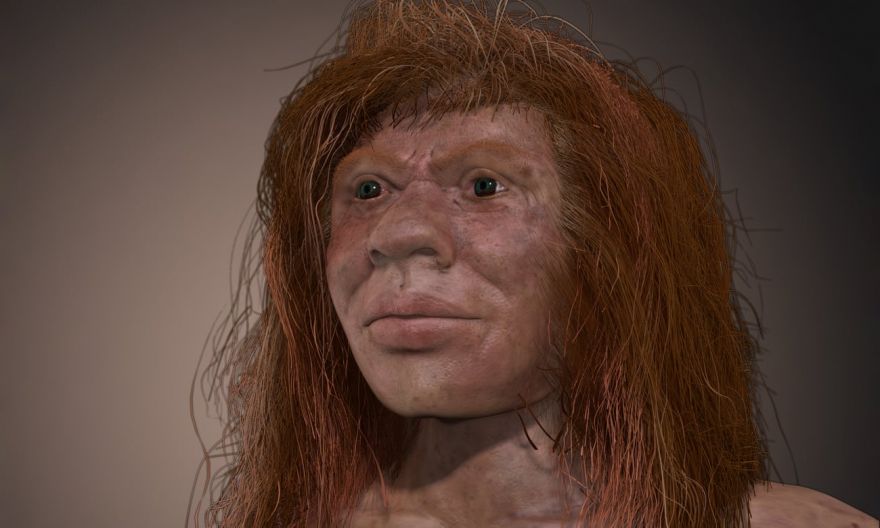
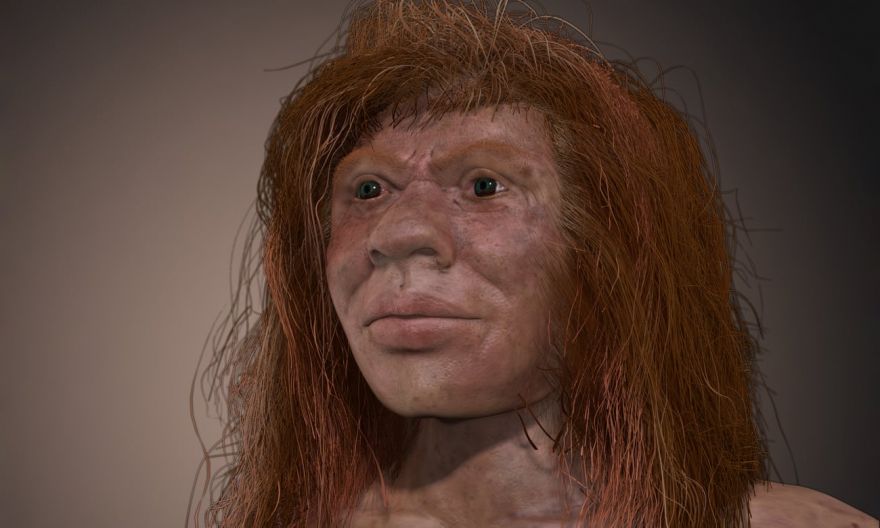
The evolutionary history of Homo sapiens is intricately linked with that of other hominin species, notably Neanderthals (Homo neanderthalensis) and Denisovans. Extensive research has unveiled that these species not only coexisted with early modern humans but also interbred, leaving a lasting genetic legacy in contemporary populations.
Interbreeding Events and Genetic Legacy
Genomic analyses have revealed that interbreeding between Homo sapiens and Neanderthals occurred approximately 47,000 to 65,000 years ago. This genetic exchange has resulted in 1–4% of the genome in non-African modern human populations being of Neanderthal origin. The proportion of Neanderthal-derived DNA varies among populations, with East Asians exhibiting higher levels than Europeans. In contrast, sub-Saharan African populations possess minimal to no Neanderthal DNA, likely due to their ancestors not migrating through regions inhabited by Neanderthals. Wikipedia
Denisovan admixture is predominantly found in populations from Oceania and Southeast Asia. Melanesians, for instance, have approximately 4–6% of their genome derived from Denisovans. Additionally, certain Indigenous populations in the Philippines, such as the Negritos, exhibit notable Denisovan genetic ancestry. This suggests that interbreeding events between Homo sapiens and Denisovans occurred in these regions, contributing significantly to the genetic diversity observed in present-day human populations. Wikipedia
Implications of Archaic Genetic Introgression
The introgression of Neanderthal and Denisovan DNA into the Homo sapiens genome has had several adaptive and physiological implications:
- Immune System Enhancements: Genes inherited from Neanderthals have been associated with bolstered immune responses, aiding early humans in adapting to new pathogens encountered outside Africa. Wikipedia
- Physiological Traits: Certain Neanderthal-derived alleles influence skin pigmentation, hair morphology, and even aspects of metabolism, reflecting adaptations to diverse environments. Wikipedia
- Altitude Adaptation: Denisovan genetic contributions have been linked to adaptations for high-altitude living, particularly observed in Tibetan populations. Wikipedia
Ongoing Research and Discoveries
The field of paleogenomics continues to evolve, with recent studies providing deeper insights into the complex interactions among hominin species. For instance, analyses of ancient DNA have refined timelines for interbreeding events, suggesting that Homo sapiens and Neanderthals interbred around 47,000 years ago, which is more recent than previously estimated. Berkeley News
These findings underscore the dynamic and interconnected evolution of hominin species, highlighting that modern humans carry a mosaic of genetic influences from their archaic relatives.
Recent Insights into Human-Archaic Hominin Interactions
The Human-Neanderthal Love-Story Mystery
AP NewsAncient genes pinpoint when humans and Neanderthals mixed and mingled
Without our hairy ancestors, we would not be here at all
Additional Reading

 The Glorious Quran and Science
Leave a comment