
Epigraph:
It is God who created seven heavens and a similar [number] of earths. His command descends throughout them. So you should realize that He has power over all things and that His knowledge encompasses everything. (Al Quran 65:12)
Written and collected by Zia H Shah MD, Chief Editor of the Muslim Times
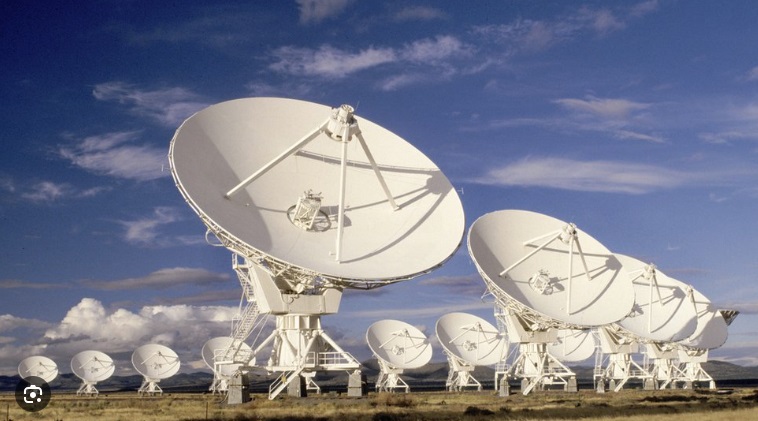
The Qur’an, Islam’s holy scripture, offers insights that have led scholars to contemplate the existence of extraterrestrial life. While it doesn’t explicitly confirm such life forms, several verses suggest the possibility of life beyond Earth.
Qur’anic References
- Lord of the Worlds: In Surah Al-Fatiha, Allah is described as the “Lord of all worlds” (Rabb al-‘Alamin), implying the existence of multiple realms or worlds under divine lordship. The term ‘Alamin can refer to various worlds or universes, suggesting that life may exist beyond our planet. The Muslim Vibe
- Creation in the Heavens and Earth: Surah Ash-Shuraa (42:29) states: “And among His signs is the creation of the heavens and the earth and the living creatures that He has dispersed throughout them. And He has the power to gather them together when He wills.” The use of da’bbah (living creatures that move along the surface) indicates physical beings, not spiritual entities, suggesting the presence of life forms in both the heavens and the earth. The Muslim Vibe
- The seven Heavens and the seven Earths: The verse mentioned as the epigraph talks of seven heavens and the seven earths. It does not mean literally seven. In Arabic often the numeral seven is used a metaphor implying innumerable.
Scholarly Interpretations
- Allamah Tabatabai: In his exegesis, he interprets the verse from Surah Ash-Shuraa to mean that there are living creatures in the heavens similar to those on earth. The Muslim Vibe
- Fakhr al-Din al-Razi: This Islamic theologian posited that it’s not impossible for there to be species in the heavens that move as humans do on earth. The Muslim Vibe
Contemporary Views
Modern Islamic scholars and thinkers continue to explore the concept of extraterrestrial life within the framework of Islamic theology. Some assert that the vastness of Allah’s creation makes the existence of other life forms plausible, while others caution against definitive claims without concrete evidence. The Qur’an’s open-ended references allow for diverse interpretations, encouraging believers to ponder the mysteries of the universe.
Conclusion
While the Qur’an doesn’t explicitly confirm the existence of extraterrestrial life, its verses inspire contemplation about the vastness of creation and the potential for life beyond Earth. Islamic scholarship reflects a spectrum of interpretations, balancing scriptural insights with scientific exploration. This ongoing discourse underscores the dynamic relationship between faith and reason in understanding the cosmos.
If you believe in the Quranic prophecy of extraterrestrial life as I do, one could also conclude that humanity and our planet will last at least until we meet such life.


 The Glorious Quran and Science
Leave a comment