
Abstract
Presented by Zia H Shah MD with the help of
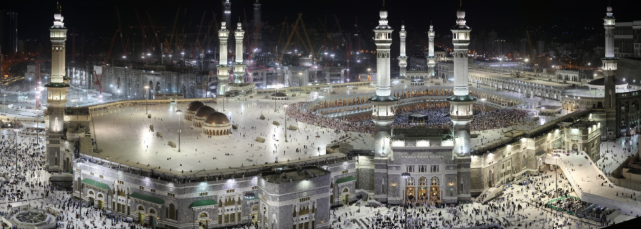
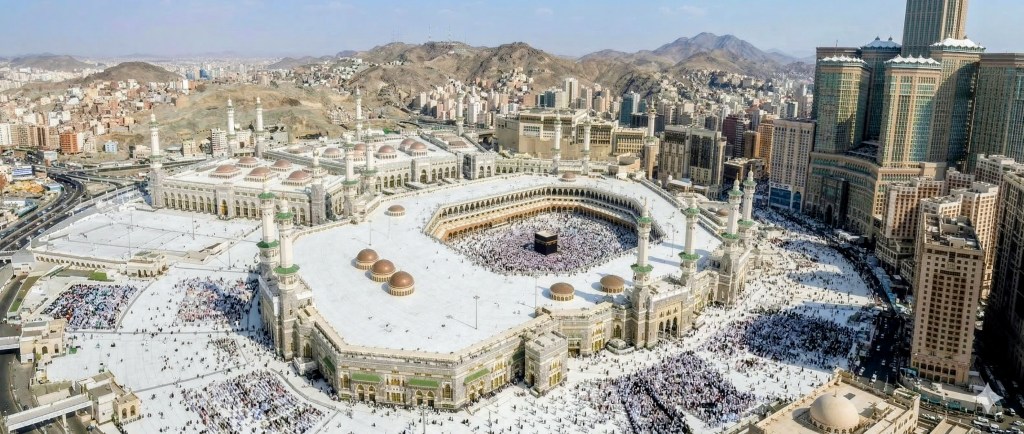
Quran 27:91 situates the Prophet’s proclamation of tawḥīd (exclusive devotion to God) within a distinctly sacred geography: “this city” whose sanctity is God-given, yet whose Lordship is not parochial—“to Him belongs everything.” Classical exegetes consistently identify “this city” as Mecca and read the verse as a final, concentrated declaration that the holiness of place is meant to generate holiness of worship, not local pride, tribal privilege, or attachment to idols.
Because M.A.S. Abdel Haleem’s English translation is copyrighted, this report quotes the Arabic of all relevant Qur’anic verses while providing close, attribution-cited paraphrases of Abdel Haleem’s renderings rather than reproducing his text verbatim. Abdel Haleem’s translation is cited via accessible reference pages.
Historically, 27:91 functions as a “capstone” statement: it links Mecca’s sacral status (as ḥaram) to God’s universal sovereignty and to the Prophet’s own commanded “submission,” and it resonates tightly with the Qur’an’s wider Kaaba–Mecca dossier—especially Abrahamic foundations (2:125–129; 3:96–97; 14:35–37; 22:26–29), sanctuary ethics (2:191; 29:67), protection narratives (105; 106), and orientation theology (2:144; 2:149–150).
Text and Literary Setting of Quran 27:91
Arabic (Quran 27:91)
إِنَّمَا أُمِرْتُ أَنْ أَعْبُدَ رَبَّ هَٰذِهِ الْبَلْدَةِ الَّذِي حَرَّمَهَا وَلَهُ كُلُّ شَيْءٍ ۖ وَأُمِرْتُ أَنْ أَكُونَ مِنَ الْمُسْلِمِينَ
Abdel Haleem (close paraphrase)
The Prophet is instructed to worship the Lord of “this city”—the One who made it inviolable—and to confess that all things belong to Him; he is also commanded to be among those who submit.
Placement in Sūrat al-Naml
Exegetically, 27:91 appears in the closing movement of a Meccan surah that has ranged across prophetic histories and signs, then turns to a distilled prophetic self-definition: the messenger is not presenting a private spirituality but a public claim about God’s Lordship, expressed in the idiom of a city the audience already reveres. In Maududi’s reading, such endings gather the surah’s argumentative force into a final summons that is simultaneously theological (worship God alone) and rhetorical (recognize that your local sacredness is itself God’s gift).
Why “this city” matters theologically
The verse does not sacralize a city as an independent sacred power; rather, it uses the already-recognized sanctity of Mecca as a premise to expose the proper conclusion: devotion belongs to the Lord of the sanctuary, not to the sanctuary as an idol, nor to those who manage it. This is precisely why the verse immediately universalizes: “to Him belongs everything.” Al-Saʿdī explicitly stresses that mentioning the city’s Lord does not limit God’s Lordship to that place; it clarifies that the Lord of Mecca is the Lord of all being.
Classical Tafsīr on Quran 27:91
Consensus identification of “this city”
Across the major classical tafsīr tradition, “this city” is Mecca, and “the One who made it sacred” refers to God’s designation of the ḥaram—its inviolability and protected status. Al-Ṭabarī treats the wording as an address calibrated to Quraysh’s lived knowledge: they acknowledge the sanctuary’s special status, so the Prophet is commanded to name its Lord and the source of its sanctity, thereby stripping any rationale for idol worship within it.
“The One who made it sacred” and the sanctuary ethic
Classical exegetes connect “He made it sacred” (ḥarramahā) to the legal–moral implications of the Meccan sanctuary: restrictions on violence, hunting, and violations of its inviolability. Ibn Kathīr regularly reinforces this by tying Qur’anic sanctity language to Prophetic reports about Mecca’s enduring sacred status.
A representative Prophetic articulation—frequently cited alongside tafsīr discussions of Mecca’s ḥaram—states that God made the city sacred from the creation of the heavens and the earth, with fighting permitted to the Prophet only for a limited window, after which the sanctuary remains inviolable.
Rhetorical purpose: from local honor to universal worship
Al-Qurṭubī and Fakhr al-Dīn al-Rāzī both press a theological question: why speak of “the Lord of this city” when God is Lord of all? Their shared answer (with differing emphases) is rhetorical and pedagogical:
- The phrasing honors the city to awaken gratitude and moral seriousness.
- It also indicts the audience: if you revere the place, why violate its true purpose by directing worship to other-than-God?
Al-Zamakhsharī (in a more overtly rhetorical-linguistic mode) similarly treats the demonstrative immediacy—“this city”—as a pointed, present argument: the sanctity is in front of you, and its Lord is the only coherent object of devotion.
“To Him belongs everything” as doctrinal guardrail
Al-Saʿdī foregrounds the clause “to Him belongs everything” as a theological safeguard against misunderstanding: the verse is not about territorial deity (“the god of Mecca”) but about universal divine ownership and sovereignty, with Mecca functioning as an honored sign and pedagogical gateway.
Submission as prophetic identity
Classical readings also highlight that “I am commanded to be among the Muslims” is not merely personal piety; it manifests the Prophet’s own alignment with the core demand he announces. Tafsīr al-Jalalayn and al-Baghawī treat “submission” here as the messenger’s declared posture—obedience and exclusive devotion—thereby framing prophecy as enacted surrender rather than tribal leadership or rhetorical victory.
Contemporary Commentary and Modern Frames
Modern exegetes on the Meccan logic of the verse
Ibn ʿĀshūr reads 27:91 with attention to how Qur’anic discourse leverages place: the address functions as localized persuasion (“the Lord of this city”) while the clause of universal ownership prevents any narrowing of doctrine. In modern terms, the verse is a model of how the Qur’an turns sacred space into an ethical-theological argument: sanctity of place demands sanctity of worship and conduct.
Sayyid Quṭb’s thematic approach emphasizes the moral force of the sanctuary motif: the Quraysh’s social security and prestige are tied to the sacred precinct, yet their religious practice contradicted the sanctuary’s monotheistic telos; thus, the verse confronts both disbelief and complacency.
A lexical-academic lens: “Lord of the House / Lord of the City”
Modern academic work on Qur’anic key-terms (e.g., Nicolai Sinai) highlights how divine epithets work in rhetorical clusters. The Qur’an’s “Rabb + demonstrative” formulas—such as “Lord of this House” (106:3) and “Lord of this city” (27:91)—operate as pointed reminders that the blessings of place and protection logically entail exclusive worship of the Lord who grants them.
Zia H Shah MD’s synthesis: continuity, shocks, and modern scale
In a contemporary devotional-historical register, Zia H Shah MD frames the Kaaba’s long history as “extraordinary continuity punctuated by acute shocks” (fires, floods, political violence) followed by restoration; he uses this pattern to argue that the pilgrimage institution persists even when the structure is vulnerable.
He also stresses that the modern pilgrimage era represents not merely “more pilgrims,” but a transformation in management, technology, and logistics—an argument he supports with post-pandemic attendance trajectories and references to high-tech crowd management under contemporary Saudi governance.
Official Saudi statistics corroborate key headline numbers he discusses: for Hajj 2024 (1445H), total pilgrims 1,833,164; for Hajj 2025 (1446H), total pilgrims 1,673,230.
He further notes rapid Umrah recovery; official Q1 2025 statistics report 15,222,497 Umrah performers in that quarter.
Qur’anic Constellation of Kaaba, Mecca, and Becca


Foundational principle for reading the verse dossier
The Qur’an’s references to the Kaaba–Mecca complex do not treat sacred geography as a competing object of devotion. Rather, sacred geography is repeatedly tethered to:
- Abrahamic monotheism and purification of the House;
- sanctuary ethics and protection;
- the universalization of worship (qibla, pilgrimage);
- warnings against blocking access or corrupting rites.
What follows is a comprehensive Arabic dossier of Qur’anic verses that explicitly name or directly signify the Kaaba, Mecca/Becca, the Sacred Mosque, the Sacred House, and the sanctuary—especially including the clusters the prompt requested (al-Baqarah, Āl ʿImrān, al-Fīl, Quraysh, al-Balad).
Abrahamic establishment and purification of the House
Quran 2:125
وَإِذْ جَعَلْنَا الْبَيْتَ مَثَابَةً لِلنَّاسِ وَأَمْنًا وَاتَّخِذُوا مِنْ مَقَامِ إِبْرَاهِيمَ مُصَلًّى ۖ وَعَهِدْنَا إِلَى إِبْرَاهِيمَ وَإِسْمَاعِيلَ أَنْ طَهِّرَا بَيْتِيَ لِلطَّائِفِينَ وَالْعَاكِفِينَ وَالرُّكَّعِ السُّجُودِ
Paraphrase of Abdel Haleem: God makes the House a place of return and security, commands prayer at the Station of Abraham, and charges Abraham and Ishmael to purify the House for worshippers.
Quran 2:126
وَإِذْ قَالَ إِبْرَاهِيمُ رَبِّ اجْعَلْ هَذَا بَلَدًا آمِنًا وَارْزُقْ أَهْلَهُ مِنَ الثَّمَرَاتِ مَنْ آمَنَ مِنْهُمْ بِاللَّهِ وَالْيَوْمِ الْآخِرِ ۖ قَالَ وَمَنْ كَفَرَ فَأُمَتِّعُهُ قَلِيلًا ثُمَّ أَضْطَرُّهُ إِلَى عَذَابِ النَّارِ ۖ وَبِئْسَ الْمَصِيرُ
Paraphrase of Abdel Haleem: Abraham prays for the city’s security and provision; God answers with a moral distinction between belief and disbelief.
Quran 2:127–129
وَإِذْ يَرْفَعُ إِبْرَاهِيمُ الْقَوَاعِدَ مِنَ الْبَيْتِ وَإِسْمَاعِيلُ رَبَّنَا تَقَبَّلْ مِنَّا ۖ إِنَّكَ أَنْتَ السَّمِيعُ الْعَلِيمُ
رَبَّنَا وَاجْعَلْنَا مُسْلِمَيْنِ لَكَ وَمِنْ ذُرِّيَّتِنَا أُمَّةً مُسْلِمَةً لَكَ وَأَرِنَا مَنَاسِكَنَا وَتُبْ عَلَيْنَا ۖ إِنَّكَ أَنْتَ التَّوَّابُ الرَّحِيمُ
رَبَّنَا وَابْعَثْ فِيهِمْ رَسُولًا مِنْهُمْ يَتْلُو عَلَيْهِمْ آيَاتِكَ وَيُعَلِّمُهُمُ الْكِتَابَ وَالْحِكْمَةَ وَيُزَكِّيهِمْ ۖ إِنَّكَ أَنْتَ الْعَزِيزُ الْحَكِيمُ
Paraphrase of Abdel Haleem: Abraham and Ishmael raise the foundations, pray for acceptance, ask for a submissive community and taught rites, and pray for a messenger to recite revelation, teach, and purify.
Quran 3:96–97
إِنَّ أَوَّلَ بَيْتٍ وُضِعَ لِلنَّاسِ لَلَّذِي بِبَكَّةَ مُبَارَكًا وَهُدًى لِلْعَالَمِينَ
فِيهِ آيَاتٌ بَيِّنَاتٌ مَقَامُ إِبْرَاهِيمَ ۖ وَمَنْ دَخَلَهُ كَانَ آمِنًا ۗ وَلِلَّهِ عَلَى النَّاسِ حِجُّ الْبَيْتِ مَنِ اسْتَطَاعَ إِلَيْهِ سَبِيلًا ۚ وَمَنْ كَفَرَ فَإِنَّ اللَّهَ غَنِيٌّ عَنِ الْعَالَمِينَ
Paraphrase of Abdel Haleem: The first House is at Becca (Mecca), blessed and guiding; within are clear signs including the Station of Abraham; whoever enters is safe; pilgrimage is owed to God by those able; God is independent of all creatures.
Quran 14:35, 14:37
وَإِذْ قَالَ إِبْرَاهِيمُ رَبِّ اجْعَلْ هَذَا الْبَلَدَ آمِنًا وَاجْنُبْنِي وَبَنِيَّ أَنْ نَعْبُدَ الْأَصْنَامَ
رَبَّنَا إِنِّي أَسْكَنْتُ مِنْ ذُرِّيَّتِي بِوَادٍ غَيْرِ ذِي زَرْعٍ عِنْدَ بَيْتِكَ الْمُحَرَّمِ رَبَّنَا لِيُقِيمُوا الصَّلَاةَ فَاجْعَلْ أَفْئِدَةً مِنَ النَّاسِ تَهْوِي إِلَيْهِمْ وَارْزُقْهُمْ مِنَ الثَّمَرَاتِ لَعَلَّهُمْ يَشْكُرُونَ
Paraphrase of Abdel Haleem: Abraham prays for the city’s safety and protection from idolatry; he describes settling his descendants near God’s inviolable House in an uncultivated valley so prayer may be established, asking for hearts to incline and for provision.
Quran 22:25–27
إِنَّ الَّذِينَ كَفَرُوا وَيَصُدُّونَ عَنْ سَبِيلِ اللَّهِ وَالْمَسْجِدِ الْحَرَامِ الَّذِي جَعَلْنَاهُ لِلنَّاسِ سَوَاءً الْعَاكِفُ فِيهِ وَالْبَادِ ۚ وَمَنْ يُرِدْ فِيهِ بِإِلْحَادٍ بِظُلْمٍ نُذِقْهُ مِنْ عَذَابٍ أَلِيمٍ
وَإِذْ بَوَّأْنَا لِإِبْرَاهِيمَ مَكَانَ الْبَيْتِ أَنْ لَا تُشْرِكْ بِي شَيْئًا وَطَهِّرْ بَيْتِيَ لِلطَّائِفِينَ وَالْقَائِمِينَ وَالرُّكَّعِ السُّجُودِ
وَأَذِّنْ فِي النَّاسِ بِالْحَجِّ يَأْتُوكَ رِجَالًا وَعَلَى كُلِّ ضَامِرٍ يَأْتِينَ مِنْ كُلِّ فَجٍّ عَمِيقٍ
Paraphrase of Abdel Haleem: The Sacred Mosque is made for all people equally; blocking access and injustice there are gravely condemned. Abraham is assigned the House’s site, commanded to reject associationism and purify the House for worship; then the call to pilgrimage is proclaimed to all humanity.
Orientation and approach: the Sacred Mosque and the qibla logic
Quran 2:144, 2:149–150
قَدْ نَرَى تَقَلُّبَ وَجْهِكَ فِي السَّمَاءِ ۖ فَلَنُوَلِّيَنَّكَ قِبْلَةً تَرْضَاهَا ۖ فَوَلِّ وَجْهَكَ شَطْرَ الْمَسْجِدِ الْحَرَامِ ۚ وَحَيْثُ مَا كُنْتُمْ فَوَلُّوا وُجُوهَكُمْ شَطْرَهُ
وَمِنْ حَيْثُ خَرَجْتَ فَوَلِّ وَجْهَكَ شَطْرَ الْمَسْجِدِ الْحَرَامِ ۖ وَإِنَّهُ لَلْحَقُّ مِنْ رَبِّكَ ۗ وَمَا اللَّهُ بِغَافِلٍ عَمَّا تَعْمَلُونَ
وَمِنْ حَيْثُ خَرَجْتَ فَوَلِّ وَجْهَكَ شَطْرَ الْمَسْجِدِ الْحَرَامِ ۚ وَحَيْثُ مَا كُنْتُمْ فَوَلُّوا وُجُوهَكُمْ شَطْرَهُ لِئَلَّا يَكُونَ لِلنَّاسِ عَلَيْكُمْ حُجَّةٌ إِلَّا الَّذِينَ ظَلَمُوا مِنْهُمْ ۖ فَلَا تَخْشَوْهُمْ وَاخْشَوْنِي وَلِأُتِمَّ نِعْمَتِي عَلَيْكُمْ وَلَعَلَّكُمْ تَهْتَدُونَ
Paraphrase of Abdel Haleem: The Prophet’s desired orientation is granted: faces turn toward the Sacred Mosque; this is presented as truth from God, a communal marker meant to remove disputation and to perfect divine favor through guidance.
Quran 17:1
سُبْحَانَ الَّذِي أَسْرَى بِعَبْدِهِ لَيْلًا مِنَ الْمَسْجِدِ الْحَرَامِ إِلَى الْمَسْجِدِ الْأَقْصَى الَّذِي بَارَكْنَا حَوْلَهُ لِنُرِيَهُ مِنْ آيَاتِنَا ۚ إِنَّهُ هُوَ السَّمِيعُ الْبَصِيرُ
Paraphrase of Abdel Haleem: God’s night journey takes His servant from the Sacred Mosque to the Farthest Mosque so that divine signs are shown—linking sacred places into a broader theology of signs.
Quran 48:24–25, 48:27
وَهُوَ الَّذِي كَفَّ أَيْدِيَهُمْ عَنْكُمْ وَأَيْدِيَكُمْ عَنْهُمْ بِبَطْنِ مَكَّةَ مِنْ بَعْدِ أَنْ أَظْفَرَكُمْ عَلَيْهِمْ ۚ وَكَانَ اللَّهُ بِمَا تَعْمَلُونَ بَصِيرًا
هُمُ الَّذِينَ كَفَرُوا وَصَدُّوكُمْ عَنِ الْمَسْجِدِ الْحَرَامِ وَالْهَدْيَ مَعْكُوفًا أَنْ يَبْلُغَ مَحِلَّهُ
لَقَدْ صَدَقَ اللَّهُ رَسُولَهُ الرُّؤْيَا بِالْحَقِّ لَتَدْخُلُنَّ الْمَسْجِدَ الْحَرَامَ إِنْ شَاءَ اللَّهُ آمِنِينَ مُحَلِّقِينَ رُءُوسَكُمْ وَمُقَصِّرِينَ لَا تَخَافُونَ
Paraphrase of Abdel Haleem: God restrains violence near Mecca; condemns obstruction from the Sacred Mosque and the blocked offerings; and confirms the vision that believers will enter the Sacred Mosque in security—shaved or shortened—without fear.
Sanctuary ethics: inviolability, conflict, and access
Quran 2:191, 2:217
وَلَا تُقَاتِلُوهُمْ عِنْدَ الْمَسْجِدِ الْحَرَامِ حَتَّى يُقَاتِلُوكُمْ فِيهِ
يَسْأَلُونَكَ عَنِ الشَّهْرِ الْحَرَامِ قِتَالٍ فِيهِ ۖ قُلْ قِتَالٌ فِيهِ كَبِيرٌ وَصَدٌّ عَنْ سَبِيلِ اللَّهِ وَكُفْرٌ بِهِ وَالْمَسْجِدِ الْحَرَامِ وَإِخْرَاجُ أَهْلِهِ مِنْهُ أَكْبَرُ عِنْدَ اللَّهِ ۗ وَالْفِتْنَةُ أَكْبَرُ مِنَ الْقَتْلِ
Paraphrase of Abdel Haleem: Fighting is restricted in relation to the Sacred Mosque; the Qur’an condemns blocking God’s path, disbelief, barring access to the Sacred Mosque, and expelling its people as especially grave, with “fitna” framed as worse than killing.
Quran 8:34–35
وَمَا لَهُمْ أَلَّا يُعَذِّبَهُمُ اللَّهُ وَهُمْ يَصُدُّونَ عَنِ الْمَسْجِدِ الْحَرَامِ وَمَا كَانُوا أَوْلِيَاءَهُ ۚ إِنْ أَوْلِيَاؤُهُ إِلَّا الْمُتَّقُونَ وَلَكِنَّ أَكْثَرَهُمْ لَا يَعْلَمُونَ
وَمَا كَانَ صَلَاتُهُمْ عِنْدَ الْبَيْتِ إِلَّا مُكَاءً وَتَصْدِيَةً
Paraphrase of Abdel Haleem: The Qur’an indicts those who block the Sacred Mosque and deny rightful guardianship; it also critiques corrupted “prayer” at the House as empty performance.
Quran 9:7, 9:19, 9:28
كَيْفَ يَكُونُ لِلْمُشْرِكِينَ عَهْدٌ عِنْدَ اللَّهِ وَعِنْدَ رَسُولِهِ إِلَّا الَّذِينَ عَاهَدْتُمْ عِنْدَ الْمَسْجِدِ الْحَرَامِ
أَجَعَلْتُمْ سِقَايَةَ الْحَاجِّ وَعِمَارَةَ الْمَسْجِدِ الْحَرَامِ كَمَنْ آمَنَ بِاللَّهِ وَالْيَوْمِ الْآخِرِ وَجَاهَدَ فِي سَبِيلِ اللَّهِ ۚ لَا يَسْتَوُونَ عِنْدَ اللَّهِ
يَا أَيُّهَا الَّذِينَ آمَنُوا إِنَّمَا الْمُشْرِكُونَ نَجَسٌ فَلَا يَقْرَبُوا الْمَسْجِدَ الْحَرَامَ بَعْدَ عَامِهِمْ هَذَا
Paraphrase of Abdel Haleem: Treaties are recognized with specific limits tied to the Sacred Mosque; service roles (water for pilgrims; maintenance of the Sacred Mosque) are not treated as equal to faith and striving; and restrictions are placed on idolaters approaching the Sacred Mosque after a decisive point.
Quran 28:57, 29:67, 42:7, 6:92
وَقَالُوا إِنْ نَتَّبِعِ الْهُدَى مَعَكَ نُتَخَطَّفْ مِنْ أَرْضِنَا ۚ أَوَلَمْ نُمَكِّنْ لَهُمْ حَرَمًا آمِنًا يُجْبَى إِلَيْهِ ثَمَرَاتُ كُلِّ شَيْءٍ
أَوَلَمْ يَرَوْا أَنَّا جَعَلْنَا حَرَمًا آمِنًا وَيُتَخَطَّفُ النَّاسُ مِنْ حَوْلِهِمْ
وَكَذَلِكَ أَوْحَيْنَا إِلَيْكَ قُرْآنًا عَرَبِيًّا لِتُنْذِرَ أُمَّ الْقُرَى وَمَنْ حَوْلَهَا
وَلِتُنْذِرَ أُمَّ الْقُرَى وَمَنْ حَوْلَهَا
Paraphrase of Abdel Haleem: The Qur’an argues that God granted a secure sanctuary with provision; it challenges ingratitude toward a divinely protected ḥaram; and it names “Mother of Cities” as the prophetic warning’s epicenter, widely read in tafsīr as Mecca.
The Kaaba explicitly named and legislated
Quran 5:2, 5:95, 5:97
يَا أَيُّهَا الَّذِينَ آمَنُوا لَا تُحِلُّوا شَعَائِرَ اللَّهِ وَلَا الشَّهْرَ الْحَرَامَ وَلَا الْهَدْيَ وَلَا الْقَلَائِدَ وَلَا آمِّينَ الْبَيْتَ الْحَرَامَ يَبْتَغُونَ فَضْلًا مِنْ رَبِّهِمْ وَرِضْوَانًا ۖ وَلَا يَجْرِمَنَّكُمْ شَنَآنُ قَوْمٍ أَنْ صَدُّوكُمْ عَنِ الْمَسْجِدِ الْحَرَامِ أَنْ تَعْتَدُوا
يَا أَيُّهَا الَّذِينَ آمَنُوا لَا تَقْتُلُوا الصَّيْدَ وَأَنْتُمْ حُرُمٌ … هَدْيًا بَالِغَ الْكَعْبَةِ
جَعَلَ اللَّهُ الْكَعْبَةَ الْبَيْتَ الْحَرَامَ قِيَامًا لِلنَّاسِ وَالشَّهْرَ الْحَرَامَ وَالْهَدْيَ وَالْقَلَائِدَ
Paraphrase of Abdel Haleem: The Qur’an protects sacred symbols and pilgrims, warns against transgression even under hostility; assigns compensatory offerings reaching the Kaaba; and declares the Kaaba–Sacred House a stabilizing institution for people alongside sacred times and offerings.
Pilgrimage rites and their spiritual telos
Quran 2:158
إِنَّ الصَّفَا وَالْمَرْوَةَ مِنْ شَعَائِرِ اللَّهِ ۖ فَمَنْ حَجَّ الْبَيْتَ أَوِ اعْتَمَرَ فَلَا جُنَاحَ عَلَيْهِ أَنْ يَطَّوَّفَ بِهِمَا
Paraphrase of Abdel Haleem: Ṣafā and Marwa are divine symbols; those performing pilgrimage or ʿumra may traverse between them without blame, as a sanctioned rite.
Quran 2:196, 2:198, 2:200, 2:203
وَأَتِمُّوا الْحَجَّ وَالْعُمْرَةَ لِلَّهِ … ذَلِكَ لِمَنْ لَمْ يَكُنْ أَهْلُهُ حَاضِرِي الْمَسْجِدِ الْحَرَامِ
فَإِذَا أَفَضْتُمْ مِنْ عَرَفَاتٍ فَاذْكُرُوا اللَّهَ عِنْدَ الْمَشْعَرِ الْحَرَامِ
فَإِذَا قَضَيْتُمْ مَنَاسِكَكُمْ فَاذْكُرُوا اللَّهَ كَذِكْرِكُمْ آبَاءَكُمْ أَوْ أَشَدَّ ذِكْرًا
وَاذْكُرُوا اللَّهَ فِي أَيَّامٍ مَعْدُودَاتٍ
Paraphrase of Abdel Haleem: Pilgrimage is completed for God; remembrance marks the movement from ʿArafāt and at the Sacred Monument; after rites, remembrance should intensify beyond pre-Islamic patterns; and God is remembered in numbered days during the pilgrimage period.
Quran 22:29, 22:33, 22:36–37
ثُمَّ لْيَقْضُوا تَفَثَهُمْ وَلْيُوفُوا نُذُورَهُمْ وَلْيَطَّوَّفُوا بِالْبَيْتِ الْعَتِيقِ
لَكُمْ فِيهَا مَنَافِعُ إِلَى أَجَلٍ مُسَمًّى ثُمَّ مَحِلُّهَا إِلَى الْبَيْتِ الْعَتِيقِ
وَالْبُدْنَ جَعَلْنَاهَا لَكُمْ مِنْ شَعَائِرِ اللَّهِ … فَكُلُوا مِنْهَا وَأَطْعِمُوا الْقَانِعَ وَالْمُعْتَرَّ
لَنْ يَنَالَ اللَّهَ لُحُومُهَا وَلَا دِمَاؤُهَا وَلَكِنْ يَنَالُهُ التَّقْوَى مِنْكُمْ
Paraphrase of Abdel Haleem: The rites culminate in grooming, vow-fulfillment, and circumambulation of the Ancient House; sacrificial animals have benefits then reach their ritual destination at the Ancient House; offerings are shared with the needy; and the spiritual axis is taqwā—piety, not the material blood-and-meat itself.
Protection and providence: al-Fīl, Quraysh, al-Balad, and the “secure city”
Quran 105:1–5 (Sūrat al-Fīl)
أَلَمْ تَرَ كَيْفَ فَعَلَ رَبُّكَ بِأَصْحَابِ الْفِيلِ
أَلَمْ يَجْعَلْ كَيْدَهُمْ فِي تَضْلِيلٍ
وَأَرْسَلَ عَلَيْهِمْ طَيْرًا أَبَابِيلَ
تَرْمِيهِمْ بِحِجَارَةٍ مِنْ سِجِّيلٍ
فَجَعَلَهُمْ كَعَصْفٍ مَأْكُولٍ
Paraphrase of Abdel Haleem: God’s decisive intervention against the “People of the Elephant” becomes an emblem of sanctuary protection.
Quran 106:1–4 (Sūrat Quraysh)
لِإِيلَافِ قُرَيْشٍ
إِيلَافِهِمْ رِحْلَةَ الشِّتَاءِ وَالصَّيْفِ
فَلْيَعْبُدُوا رَبَّ هَذَا الْبَيْتِ
الَّذِي أَطْعَمَهُمْ مِنْ جُوعٍ وَآمَنَهُمْ مِنْ خَوْفٍ
Paraphrase of Abdel Haleem: The tribe’s security and trade are framed as reasons to worship the Lord of “this House,” who fed them and secured them from fear—closely paralleling the logic of 27:91 (“Lord of this city”).
Quran 90:1–2 (Sūrat al-Balad)
لَا أُقْسِمُ بِهَذَا الْبَلَدِ
وَأَنْتَ حِلٌّ بِهَذَا الْبَلَدِ
Paraphrase of Abdel Haleem: An oath is taken by “this city,” with the Prophet’s presence within it foregrounded—reinforcing Mecca’s rhetorical centrality in Meccan discourse.
Quran 95:3 (Sūrat al-Tīn)
وَهَذَا الْبَلَدِ الْأَمِينِ
Paraphrase of Abdel Haleem: The “secure city” functions as a solemn oath-object, identified in tafsīr literature with Mecca.
Thematic Epilogue
Quran 27:91 can be read as a micro-creed embedded in sacred space: worship the Lord of the sanctuary, because sanctuary itself is His act; then refuse every implication of localization by confessing that everything belongs to Him; and embody the message through submission.
Historically, the Kaaba has been damaged and rebuilt multiple times—burned in 683 CE during the Second Fitna, altered and restored in competing reconstructions, subjected to seizures such as the Qarmatian removal of the Black Stone in 930, and rebuilt again after major floods such as the 1630 Ottoman-era reconstruction associated with Sultan Murad IV. Yet the Qur’an’s theological framing helps explain why those shocks did not dissolve the institution of pilgrimage: the “House” is not ultimately a self-standing monument but a sign and a command-center for monotheistic worship, sustained by a translocal community oriented toward the Lord of the House and the Lord of the City.
This is why the Qur’an repeatedly pairs place with ethic: it condemns blocking access (8:34; 22:25; 48:25), forbids profanation even amid conflict (2:191), and relativizes sacrificial materiality in favor of taqwā (22:37). The sanctuary becomes, in effect, a pedagogy of worship: a city made sacred so that hearts learn what “to Him belongs everything” means in practice.
Finally, contemporary scale does not negate this Qur’anic logic; it magnifies it. The post-pandemic rebound of Hajj and Umrah attendance—tracked in official statistics—illustrates that the Qur’an’s pilgrimage summons (22:27) continues to produce one of the world’s most enduring transnational assemblies, now managed through modern state capacity and technology as well as devotion.
In that light, 27:91 is not merely a Meccan closing statement—it is a standing interpretive key: sacred geography is a divine gift meant to yield a universal theology, and universal theology is meant to yield a sanctified way of life.
For references, please go to the Microsoft Word file:


 The Glorious Quran and Science
Leave a comment