
A Transdisciplinary Commentary on the Botanical and Teleological Signposts of Surah Ash-Shu’ara (26:1-9)
Presented by Zia H Shah MD with help of Gemini
Abstract
The current report provides an exhaustive scientific, philosophical, and theological analysis of the opening nine verses of Surah Ash-Shu’ara (The Poets), situated within the broader context of Quranic botanical discourse. This commentary utilizes the contemporary translation of M.A.S. Abdel Haleem as a linguistic baseline, integrating classical exegesis with modern scientific data provided by the National Science Foundation and the Royal Botanic Gardens, Kew. The theological investigation focuses on the psychological state of the Prophet Muhammad and the divine response to the Makkan demand for coercive miracles. Philosophically, the text explores the unoriginality of disbelief and the semiotic function of nature as a “Clear Book” of signs. The scientific focus specifically addresses verses 26:7-9, providing a detailed botanical commentary that aligns the Quranic term zawjin kareem (noble kinds/pairs) with the documented 390,900 vascular plant species known to science. By examining the evolutionary dominance of angiosperms—which comprise roughly 90% of the plant kingdom—and the annual discovery of 2,000 new species, this report demonstrates how the Quranic invitation to “observe the earth” serves as an enduring evidentiary proof of a Creator who is both Al-Aziz (The Almighty) and Al-Rahim (The Most Merciful). The report further weaves in related botanical verses from Surah Al-An’am, Ar-Ra’d, Taha, Ya-Sin, and Qaf to establish a unified Quranic theology of vegetation and resurrection.
The Contextual and Linguistic Architecture of Surah Ash-Shu’ara
Surah Ash-Shu’ara is the twenty-sixth chapter of the Quran, revealed during the middle Makkan period, a time characterized by intense intellectual and social conflict between the nascent Muslim community and the pagan aristocracy of the Quraysh. The title, “The Poets,” is derived from the concluding verses (224-227), which contrast the wandering, unanchored imagination of contemporary poets with the grounded, revelatory truth of the Quran. During this era, poetry was the primary media tool for shaping public opinion, acting as a “fourth estate” that could validate or vilify tribal identities. The revelation of Ash-Shu’ara, therefore, served as a divine intervention in a “war of ideas,” providing the Prophet with psychological fortitude and historical perspective in the face of mockery and rejection.
The surah opens with the detached letters (al-huruf al-muqatta’at), which classical scholars interpret as abbreviations or miraculous linguistic markers that capture the listener’s attention.
طسم (١) تِلْكَ آيَاتُ الْكِتَابِ الْمُبِينِ (٢)
Ta-Sin-Mim. These are the verses of the clear Book.
The term Al-Kitab al-Mubin (The Clear/Clarifying Book) is central to the surah’s philosophical thrust. It posits that the message is not cryptic or intentionally obscure; rather, its language, diction, and themes are presented with such transparency that the excuse of “not understanding” is rendered void. The clarity of the Book stands as a miracle in itself, challenging the linguistic excellence of the Arab poets by presenting a discourse that is simultaneously eloquent and accessible.
The Psychology of Prophetic Mission: Grief and Concern
A recurring theme in the middle Makkan surahs is the profound emotional burden carried by the Prophet Muhammad. The lack of immediate acceptance from his people was not merely a matter of professional setback but an existential weight that manifested physically.
لَعَلَّكَ بَاخِعٌ نَفْسَكَ أَلَّا يَكُونُوا مُؤْمِنِينَ (٣)
Perhaps you [O Prophet] will grieve yourself to death over their disbelief.
The Arabic verb bakhi’un is exceptionally strong, signifying a state of killing oneself with grief, anguish, or excessive worry. This verse highlights the intense anxiety the Messenger suffered due to the negative responses he encountered while conveying the divine message. Philosophically, this underscores the nature of the Prophetic character: he is not a dispassionate transmitter of data but a compassionate advocate for humanity’s salvation. The grief stems from a deep realization that the rejection of truth leads to spiritual and moral degradation, a fate the Prophet desperately wished his people to avoid. This address serves to console the Prophet, reminding him that the responsibility for guidance lies with the Creator, and he need not destroy himself over the choices of the wayward.
The Dialectic of Signs: Coercion versus Evidentiary Faith
The disbelievers of Makkah frequently demanded “spectacular” miracles as a condition for their belief—tangible, undeniable manifestations from the sky that would bypass the need for faith and force submission.
إِنْ نَشَأْ نُنَزِّلْ عَلَيْهِمْ مِنَ السَّمَاءِ آيَةً فَظَلَّتْ أَعْنَاقُهُمْ لَهَا خَاضِعِينَ (٤)
If We willed, We could send down upon them a [compelling] sign from the heavens, leaving their necks bent in [utter] submission to it.
Theologically, this verse distinguishes between ayat (signs) intended for reflection and mo’jaza (compelling miracles). If the Divine Will had decreed it, a sign could be manifested from the heaven so powerful that it would strip humans of their free will, leaving their “necks bent” in involuntary humility. However, the divine plan prioritizes the trial of the intellect and the sincerity of the heart. Faith must be a free choice reached through observation and reasoning; otherwise, the moral dimension of human existence would be nullified.
The surah notes a predictable pattern in the human response to revelation:
وَمَا يَأْتِيهِمْ مِنْ ذِكْرٍ مِنَ الرَّحْمَنِ مُحْدَثٍ إِلَّا كَانُوا عَنْهُ مُعْرِضِينَ (٥) فَقَدْ كَذَّبُوا فَسَيَأْتِيهِمْ أَنْبَاءُ مَا كَانُوا بِهِ يَسْتَهْزِئُونَ (٦)
Whatever new reminder comes to them from the Most Compassionate, they always turn away from it. They have certainly denied [the truth], so they will soon face the consequences of their ridicule.
The term muhdath (new/fresh) indicates that revelation is a continuous process of renewal, yet the “unoriginality of disbelief” remains constant across generations. The rejection is often accompanied by ridicule (yastahzi’oon), which serves as a psychological defense against the disruptive nature of truth. The text warns that the “news” or “consequences” of their mockery will eventually arrive, shifting the discourse from intellectual debate to the manifestation of reality.
Scientific Commentary on the Botanical Kingdom (26:7-9)
Having addressed the demand for celestial miracles, the Quran redirects the attention of the skeptics to the earth. This empirical turn is a hallmark of Quranic epistemology, which posits that the natural world is a sufficient “sign” for anyone willing to reflect.
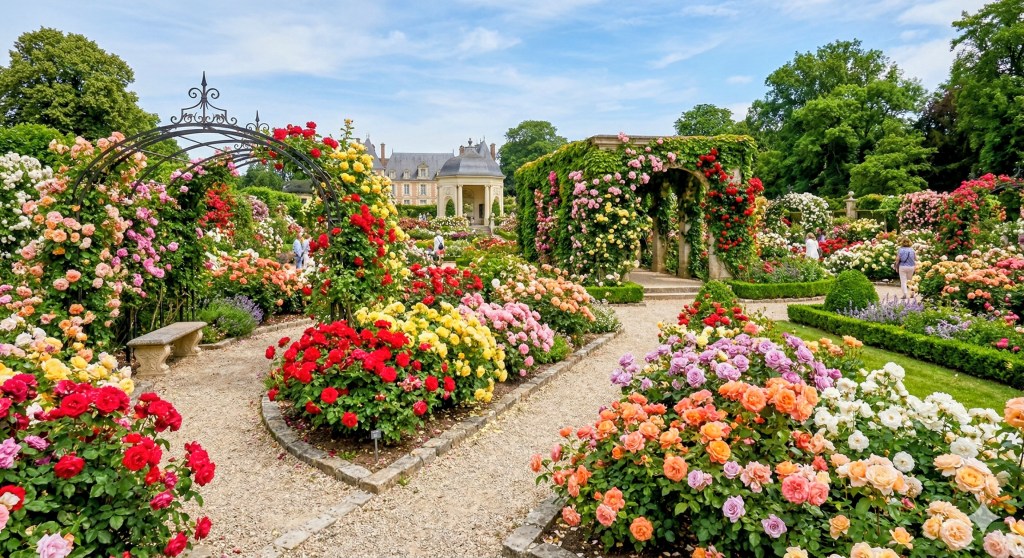
أَوَلَمْ يَرَوْا إِلَى الْأَرْضِ كَمْ أَنْبَتْنَا فِيهَا مِنْ كُلِّ زَوْجٍ كَرِيمٍ (٧) إِنَّ فِي ذَلِكَ لَآيَةً وَمَا كَانَ أَكْثَرُهُم مُؤْمِنِينَ (٨) وَإِنَّ رَبَّكَ لَهُوَ الْعَزِيزُ الرَّحِيمُ (٩)
Have they failed to look at the earth, [to see] how many types of fine plants We have caused to grow in it? Surely in this is a sign. Yet most of them would not believe. And your Lord is certainly the Almighty, Most Merciful.
The phrase zawjin kareem is translated as “noble kind” or “fine types”. In the botanical context of this verse, the Quran invites humanity to quantify and qualify the diversity of vegetation. Modern science has begun to fulfill this invitation through rigorous taxonomic documentation.
The Magnitude of Botanical Diversity
Current scientific consensus, supported by reports from the National Science Foundation (NSF) and the Royal Botanic Gardens, Kew, provides a staggering picture of the “noble kinds” produced from the earth. The following table summarizes the known species counts and their categorical distributions as understood by modern botany.
| Taxonomic Category | Estimated Number of Known Species | Key Characteristics |
|---|---|---|
| Total Vascular Plants | 390,900 to 435,000 | Plants with nutrient-transport systems (xylem/phloem). |
| Flowering Plants (Angiosperms) | ~369,400 (roughly 94%) | Plants that produce seeds within a fruit/ovary. |
| Conifers (Gymnosperms) | ~1,079 | Seed-producing plants with “naked seeds” (e.g., pine). |
| Ferns and Allies | ~10,560 | Seedless vascular plants reproducing via spores. |
| Mosses and Bryophytes | ~12,700 | Non-vascular land plants. |
| Annual New Discoveries | ~2,000 per year | Formally described new species annually. |
The interrogative “how many” (kam) used in verse 26:7 is scientifically addressed by the count of over 390,000 species. This diversity is not static; the annual discovery of approximately 2,000 new species—such as the five-foot-tall carnivorous plant recently identified in Brazil or the 105-ton West African tree—reveals a creative depth that humanity is only beginning to map. The diversity of the plant kingdom is a primary “sign” of a Creator who is not merely a designer but an infinite originator of forms.
The Reign of the Flowering Plants (Angiosperms)
The vast majority of the “noble kinds” produced from the earth are flowering plants (angiosperms), making up approximately 90% to 94% of all land plant species. The Quranic term zawj (pair/kind) finds a profound biological parallel in the sexual reproduction of these plants. Angiosperms have evolved highly specific reproductive strategies involving male and female gametes, often housed within the same flower (hermaphroditic) or on separate plants (dioecious).
The “noble” nature of these plants is evidenced by their intricate reliance on other life forms. Research indicates that 85% to 87.5% of the world’s angiosperm species are pollinated by animals, such as bees, birds, and bats. This interdependence demonstrates an ecological “balance” and a “pairing” that extends beyond the individual organism to the entire ecosystem. The evolution of diverse floral syndromes—colors, scents, and nectar rewards—to attract specific pollinators is a testament to the “noble” complexity mentioned in the verse.
Geographical Concentration and Rarity
The Quranic invitation to “look at the earth” reveals that botanical diversity is not uniformly distributed. A significant portion of known plants is concentrated in the tropics, which serve as hotspots for both biodiversity and species discovery. However, this abundance is fragile; over 36% of land plant species are considered rare, often limited to very specific micro-climates or “neighboring plots” of land. This rarity emphasizes the “precious” or “noble” status of these life forms.
Threats and the Ethics of Conservation
Verse 26:7 asks if they have seen the earth and what has been “caused to grow” in it. In the contemporary era, this observation must include a recognition of anthropogenic threats. Currently, roughly 21% of all plant species—one in every five—are threatened with extinction. The primary drivers of this loss are the destruction of habitats for farming (31%), deforestation (21%), and infrastructure construction (13%).
Theologically, if the plant kingdom is a “sign” (ayah) for humanity, then the loss of biodiversity is the erasure of divine evidence. Philosophically, the “State of the World’s Plants” report acts as a modern-day reminder (dhikr) of the consequences of ignoring the balance (mizan) established in nature. The ongoing anthropogenic dominance necessitates a shift in perspective, moving from seeing nature as a mere resource to recognizing it as a “noble” creation that testifies to its Originator.
Botanical Intertextuality: Weaving the Quranic Narrative of Vegetation
To fully appreciate the commentary on 26:7-9, one must examine the broader Quranic discourse on plants, which emphasizes life, diversity, and the mechanism of growth.
The Cleaver of Grain and the Sprouting of Life
In Surah Al-An’am (6:95), the Quran provides a microscopic view of the process mentioned in 26:7:
إِنَّ اللَّهَ فَالِقُ الْحَبِّ وَالنَّوَى يُخْرِجُ الْحَيَّ مِنَ الْمَيِّتِ وَمُخْرِجُ الْمَيِّتِ مِنَ الْحَيِّ ذَلِكُمُ اللَّهُ فَأَنَّى تُؤْفَكُونَ
Indeed, Allah is the One Who causes seeds and fruit stones to sprout. He brings forth the living from the dead and the dead from the living. That is Allah! How can you then be deluded [from the truth]?
The term faliq (cleaver/splitter) refers to the biological activation of the seed and the fruit-stone (date-pit). From a botanical perspective, this “splitting” involves the imbibition of water, the activation of enzymes, and the eventual emergence of the radicle and plumule through the seed coat. The “noble” nature of this process is that it brings “the living from the dead”—a dormant, desiccated seed is transformed into a vibrant, green organism. This transition is the primary metaphor used in the Quran for the resurrection of the dead.
Diversity and Aesthetic Joy
Surah Qaf (50:7) and Surah Taha (20:53) highlight the aesthetic and structural variety of the plant kingdom:
وَالْأَرْضَ مَدَدْنَاهَا وَأَلْقَيْنَا فِيهَا رَوَاسِيَ وَأَنْبَتْنَا فِيهَا مِنْ كُلِّ زَوْجٍ بَهِيجٍ
And the earth – We spread it out and cast therein firmly set mountains and made grow therein [something] of every beautiful kind.
الَّذِي جَعَلَ لَكُمُ الْأَرْضَ مَهْدًا وَسَلَكَ لَكُمْ فِيهَا سُبُلًا وَأَنْزَلَ مِنَ السَّمَاءِ مَاءً فَأَخْرَجْنَا بِهِ أَزْواجاً مِنْ نَبَاتٍ شَتَّى
And He has sent down water from the sky and thereby We produced diverse pairs of plants, each separate from the other.
The use of the word baheej (joyous/beautiful/delightful) in Surah Qaf emphasizes that vegetation is not merely functional; it is designed for beauty. The term shatta (diverse/separate) in Surah Taha acknowledges the taxonomic distinctness and specialized niches occupied by different plant families. This “shatta” or “diverse” nature is scientifically evidenced by the wide range of plant forms, from microscopic algae to giant redwoods, each occupying a specific ecological role.
The Signs in Maturation and Clustered Grains
In Surah Al-An’am (6:99), the focus shifts to the maturation process and the structural complexity of foliage:
وَهُوَ الَّذِي أَنْزَلَ مِنَ السَّمَاءِ مَاءً فَأَخْرَجْنَا بِهِ نَبَاتَ كُلِّ شَيْءٍ فَأَخْرَجْنَا مِنْهُ خَضِرًا نُخْرِجُ مِنْهُ حَبًّا مُتَرَاكِبًا وَمِنَ النَّخْلِ مِنْ طَلْعِهَا قِنْوَانٌ دَانِيَةٌ وَجَنَّاتٍ مِنْ أَعْنَابٍ وَالزَّيْتُونَ وَالرُّمَّانَ مُشْتَبِهًا وَغَيْرَ مُتَشَابِهٍ انْظُرُوا إِلَى ثَمَرِهِ إِذَا أَثْمَرَ وَيَنْعِهِ إِنَّ فِي ذَلِكُمْ لَآيَاتٍ لِقَوْمٍ يُؤْمِنُونَ
And He is the One Who sends down rain from the sky—causing all kinds of plants to grow—producing green stalks from which We bring forth clustered grain. And from palm trees come clusters of dates hanging within reach. also gardens of grapevines, olives, and pomegranates, similar [in shape] but dissimilar [in taste]. Look at their fruit as it yields and ripens! Indeed, in these are signs for people who believe.
This verse invites a phenological observation—the study of periodic biological phenomena, such as fruiting and ripening. The “clustered grain” (habban mutarakiban) refers to the morphology of cereal crops, while the mention of “similar but dissimilar” fruits like olives and pomegranates points to the genetic and chemical diversity that results in different flavors and properties despite similar outward appearances. This invitation to “look at their fruit” is a call to recognize the biochemical miracle of photosynthesis and the transformation of soil minerals into complex sugars and nutrients.
Philosophical Reflections on the Environment of Growth
The Quranic discourse on plants frequently utilizes the “neighboring plots” of earth to challenge materialistic assumptions about life.
The Mystery of the Same Water, Different Fruits
Surah Ar-Ra’d (13:4) provides a profound teleological argument:
وَفِي الْأَرْضِ قِطَعٌ مُتَجَاوِرَاتٌ وَجَنَّاتٌ مِنْ أَعْنَابٍ وَزَرْعٌ وَنَخِيلٌ صِنْوَانٌ وَغَيْرُ صِنْوَانٍ يُسْقَى بِمَاءٍ وَاحِدٍ وَنُفَضِّلُ بَعْضَهَا عَلَى بَعْضٍ فِي الْأُكُلِ إِنَّ فِي ذَلِكَ لَآيَاتٍ لِقَوْمٍ يَعْقِلُونَ
And within the land are neighboring plots and gardens of grapevines and crops and palm trees—some stemming from the same root, others standing alone—watered with one water; but We make some of them exceed others in [quality of] fruit. Indeed in that are signs for a people who reason.
From a scientific perspective, the “same water” and the “neighboring plots” suggest that the external environment is identical. However, the outcomes—grapes, palms, or crops—are vastly different in taste and quality. This diversity implies an internal program or “guidance” (shu’oor) within each seed that dictates how it interacts with its environment. The fact that different species can grow side-by-side, absorbing the same nutrients yet producing unique fruits, is presented as a sign for “those who reason” (ya’qilun). It points toward a Creator who has endowed each living thing with a specific identity and purpose.
The Psychological Impact of Vegetation
The presence of crops, olives, and palm trees is not only for nutrition but for “thought”:
يُنْبِتُ لَكُمْ بِهِ الزَّرْعَ وَالزَّيْتُونَ وَالنَّخِيلَ وَالْأَعْنَابَ وَمِنْ كُلِّ الثَّمَرَاتِ إِنَّ فِي ذَلِكَ لَآيَةً لِقَوْمٍ يَتَفَكَّرُونَ
He causes to grow for you thereby the crops, olives, palm trees, grapevines, and from all the fruits. Indeed, that is a sign for people who give thought.
The transition from “crops” (basic sustenance) to “fruits” (delicacies) mirrors the move from survival to flourishing. The Quranic invitation to “give thought” (yatafakkarun) suggests that the observation of nature should lead to a recognition of divine providence (rububiyat) and sustenance (raziqiyat).
The Theology of Resurrection and the Dead Earth
The most potent botanical metaphor in the Quran is the revival of the “dead earth” (al-ard al-maytah). This is elaborated in Surah Ya-Sin (36:33-36):
وَآيَةٌ لَهُمُ الْأَرْضُ الْمَيْتَةُ أَحْيَيْنَاهَا وَأَخْرَجْنَا مِنْهَا حَبًّا فَمِنْهُ يَأْكُلُونَ (٣٣) وَجَعَلْنَا فِيهَا جَنَّاتٍ مِنْ نَخِيلٍ وَأَعْنَابٍ وَفَجَّرْنَا فِيهَا مِنَ الْعُيُونِ (٣٥) لِيَأْكُلُوا مِنْ ثَمَرِهِ وَمَا عَمِلَتْهُ أَيْدِيهِمْ أَفَلَا يَشْكُرُونَ (٣٥) سُبْحَانَ الَّذِي خَلَقَ الْأَزْوَاجَ كُلَّهَا مِمَّا تُنْبِتُ الْأَرْضُ وَمِنْ أَنْفُسِهِمْ وَمِمَّا لَا يَعْلَمُونَ (٣٦)
And a sign for them is the dead earth. We have brought it to life and brought forth from it grain, and from it they eat. And We placed therein gardens of palm trees and grapevines and caused to burst forth therefrom some springs—this is to provide them with fruits, and to let them manufacture with their own hands whatever they need. Would they be thankful? Glory be to the One who created all kinds of plants from the earth, as well as themselves, and other creations that they do not even know.
Theologically, this verse establishes the “unseen sign”. For the Meccans living in a harsh desert environment, the sudden blossoming of life after a rare rainfall was a powerful and familiar event. The Quran uses this biological reality to prove the possibility of the resurrection: if God can revive a parched land, He can revive a disintegrated skeleton.
The phrase “other creations that they do not even know” (36:36) is particularly relevant to modern botany. While we have documented ~390,000 species, estimates for the total number of plant species go as high as 435,000, leaving thousands of species—and millions of fungal and microbial partners—unknown to human science. The “pairs” (al-azwaj) created by God encompass the known and the unknown, emphasizing the vastness of the creative act.
Conclusion: The Duality of Al-Aziz and Al-Rahim
The opening section of Surah Ash-Shu’ara concludes with the repeated refrain:
وَإِنَّ رَبَّكَ لَهُوَ الْعَزِيزُ الرَّحِيمُ (٩)
And your Lord is certainly the Almighty, Most Merciful.
This pairing of Divine Names is essential to the surah’s message. Al-Aziz (The Almighty/The Exalted in Might) indicates that the Creator is capable of compelling belief or sending punishment to the “wrongdoing people” like the people of Pharaoh. However, His power is tempered by Al-Rahim (The Most Merciful). His mercy is seen in the decision to provide “fresh reminders” and “noble signs” in nature rather than coercive signs from the sky.
The botanical kingdom is a manifestation of this duality. The “Mighty” power of God is seen in the “splitting” of the seed-grain and the complex nutrient-transport systems of vascular plants. His “Mercy” is found in the “joyous plants,” the “clustered grains,” and the “neighboring plots” that provide sustenance and beauty for humanity. The fact that “most of them would not believe” (26:8) is a testament to human spiritual blindness, not a lack of evidence.
Thematic Epilogue: The Garden of Signs
The journey through the first nine verses of Surah Ash-Shu’ara, enriched by the broader botanical narrative of the Quran, reveals a universe saturated with meaning. The plant kingdom, with its hundreds of thousands of species, serves as a “Clear Book” written in the language of biology.
As we reflect on the “vegetation of all kinds” and the “green stalks” mentioned in Surah Al-An’am (6:99), we recognize that every grain and fruit-stone is a “noble pair” designed for a purpose. The “diverse pairs of plants” in Surah Taha (20:53) and the “joyous plants” of Surah Qaf (50:7) are not merely environmental features; they are invitations to reasoning and gratitude.
The Prophet’s grief, described so vividly in verse 26:3, finds its ultimate solace in the observation of the earth (26:7). The “dead earth” that is “brought to life” (36:33) serves as a perpetual sign that the Creator who sustains the 390,900 vascular plant species through the “same water” (13:4) is the same Creator who will revive the souls of humanity.
The current ecological crisis, which threatens 21% of this “noble” biodiversity, is thus a spiritual challenge as much as a scientific one. It calls humanity back to the “signs for people who give thought” (16:11). The ultimate takeaway of Surah Ash-Shu’ara is that while poets may “rant in every field” (26:225), the truth is found in the “noble kinds” that grow in the earth, testifying to the “Almighty, Most Merciful”.
وَفِي الْأَرْضِ قِطَعٌ مُتَجَاوِرَاتٌ وَجَنَّاتٌ مِنْ أَعْنَابٍ وَزَرْعٌ وَنَخِيلٌ صِنْوَانٌ وَغَيْرُ صِنْوَانٍ يُسْقَى بِمَاءٍ وَاحِدٍ وَنُفَضِّلُ بَعْضَهَا عَلَى بَعْضٍ فِي الْأُكُلِ إِنَّ فِي ذَلِكَ لَآيَاتٍ لِقَوْمٍ يَعْقِلُونَ
And within the land are neighboring plots and gardens of grapevines and crops and palm trees—some stemming from the same root, others standing alone—watered with one water; but We make some of them exceed others in [quality of] fruit. Indeed in that are signs for a people who reason.
In the end, the “Clear Book” and the “Clear Earth” are one, inviting the soul to find peace in the recognition of its Originator. The botanical signs of Surah Ash-Shu’ara remain a living miracle, revealing more of their depth with every new species discovered and every grain that splits open to reveal the life within.



 The Glorious Quran and Science
Leave a comment