
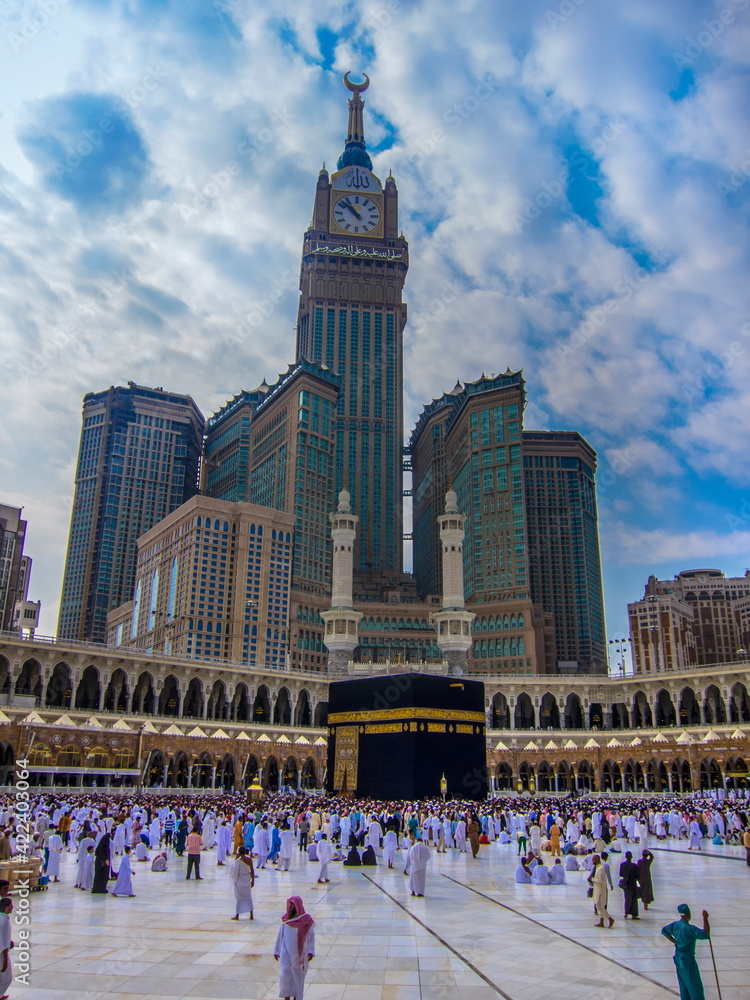
One body, one Ummah: the Islamic foundations of Muslim unity
Presented by Zia H Shah MD
The Prophet Muhammad ﷺ offered what remains the most powerful metaphor for Muslim solidarity ever articulated: the entire community of believers functions as a single living body — when one limb aches, the whole organism responds with sleeplessness and fever. This hadith, authenticated in both Ṣaḥīḥ al-Bukhārī and Ṣaḥīḥ Muslim, Abu Amine EliasAlim is not merely poetic sentiment. It is a theological mandate, a social contract, and a civilizational blueprint that has shaped how 1.8 billion Muslims Wikipedia understand their obligations to one another across every border, sect, and school of thought. From the Quranic declaration that “the believers are but brothers” Recite QuranQuran.com to the Medina Charter’s pluralistic constitution, from the 1959 Shaltut Fatwa recognizing Shia jurisprudence at Al-Azhar to the cross-sectarian solidarity erupting in 2026 as Iran faces bombardment, the architecture of Muslim unity rests on textual foundations that are unambiguous, extensively documented, and more relevant today than at any point in modern history.
The Prophet’s metaphor of one body
The hadith that most vividly captures the Islamic vision of communal solidarity was narrated by al-Nuʿmān ibn Bashīr (رضي الله عنه), transmitted through the chain of Zakariyyā → ʿĀmir al-Shaʿbī → al-Nuʿmān ibn Bashīr, and recorded in both canonical collections. Sunnah.com Its grade is Muttafaqun ʿAlayhi — agreed upon by both al-Bukhārī and Muslim as authentic. Abu Amine Elias
Arabic text (Ṣaḥīḥ Muslim wording):
مَثَلُ الْمُؤْمِنِينَ فِي تَوَادِّهِمْ وَتَرَاحُمِهِمْ وَتَعَاطُفِهِمْ مَثَلُ الْجَسَدِ إِذَا اشْتَكَى مِنْهُ عُضْوٌ تَدَاعَى لَهُ سَائِرُ الْجَسَدِ بِالسَّهَرِ وَالْحُمَّى Surah Quran
Arabic text (Ṣaḥīḥ al-Bukhārī wording):
تَرَى الْمُؤْمِنِينَ فِي تَرَاحُمِهِمْ وَتَوَادِّهِمْ وَتَعَاطُفِهِمْ كَمَثَلِ الْجَسَدِ إِذَا اشْتَكَى عُضْوًا تَدَاعَى لَهُ سَائِرُ جَسَدِهِ بِالسَّهَرِ وَالْحُمَّى Sunnah.com
English translation:
“The parable of the believers in their mutual love, mercy, and compassion is that of one body. When one limb of it aches, the whole body responds with sleeplessness and fever.” Abu Amine Elias +2
Precise references:
- Ṣaḥīḥ al-Bukhārī 6011 — Book 78 (Kitāb al-Adab), Hadith 42; Chapter: Being merciful to the people and to the animals (باب رَحْمَةِ النَّاسِ وَالْبَهَائِمِ) Sunnah.com
- Ṣaḥīḥ Muslim 2586 — Kitāb al-Birr wa al-Ṣilah wa al-Ādāb (Book of Virtue, Enjoining Good Manners, and Joining of the Ties of Kinship); Chapter: Compassion, Sympathy, and Mutual Support among the Believers (باب تراحم المؤمنين وتعاطفهم وتعاضدهم) Surah Quran
- Also recorded in Riyāḍ al-Ṣāliḥīn 224 and Musnad Aḥmad 18373 Surah Quran
A related narration in Ṣaḥīḥ Muslim 2586d further specifies the metaphor:
الْمُسْلِمُونَ كَرَجُلٍ وَاحِدٍ إِنِ اشْتَكَى عَيْنُهُ اشْتَكَى كُلُّهُ وَإِنِ اشْتَكَى رَأْسُهُ اشْتَكَى كُلُّهُ
“The Muslims are like a single man. If the eye is afflicted, the whole body is afflicted. If the head is afflicted, the whole body is afflicted.” Abu Amine Elias
Three words in the primary narration carry distinct theological weight. Tawādd (تَوَادّ) denotes proactive love — the deliberate choice to show affection. Tarāḥum (تَرَاحُم) signifies mutual mercy — the instinct to extend compassion. Taʿāṭuf (تَعَاطُف) means sympathetic solidarity — the willingness to feel another’s pain as one’s own. Khaled Alsabt Together, they describe not passive well-wishing but an active, embodied, physiological response to suffering within the community.
“The believers are but brothers”: Surah Al-Hujurat and the Quranic mandate
Arabic text (Quran 49:10, with tashkīl):
إِنَّمَا ٱلْمُؤْمِنُونَ إِخْوَةٌ فَأَصْلِحُوا۟ بَيْنَ أَخَوَيْكُمْ ۚ وَٱتَّقُوا۟ ٱللَّهَ لَعَلَّكُمْ تُرْحَمُونَ Quran.com
English translations:
“The believers are but brothers, so make settlement between your brothers. And fear Allah that you may receive mercy.” Surah Quran — Sahih International Quranic Arabic Corpus
“The believers are but one brotherhood, so make peace between your brothers. And be mindful of Allah so you may be shown mercy.” Quran.com — Dr. Mustafa Khattab, The Clear Quran Quran.com
This verse — known as the Āyat al-Ukhuwwah (Verse of Brotherhood) — uses the restrictive particle إِنَّمَا (innamā), which in Arabic grammar carries the force of exclusivity: the only relationship that properly describes the bond between believers is brotherhood. It is not metaphorical or aspirational. It is definitional.
Ibn Kathīr in his tafsīr explains that this verse means “all of them are brothers in Islam,” Alim and he supports this interpretation by citing the “one body” hadith, the “building whose parts reinforce each other” hadith, and the hadith “Allah helps the servant as long as the servant helps his brother.” Alim Maududi in Tafhīm al-Qurʾān goes further, arguing this verse “establishes a universal brotherhood of all the Muslims of the world” — a form of fraternity that “exists among the followers of no other religion and creed.” Surah QuranSurah Quran
The verse’s context within Surah Al-Hujurat is architecturally significant. Verse 9 instructs believers to make peace between warring factions of Muslims. Alim Verse 10 universalizes the principle. Verses 11–12 then enumerate the behaviors that destroy brotherhood — mockery, name-calling, suspicion, spying, and backbiting — creating a complete ethical framework for communal solidarity. Wikipedia
The Quran’s commanding architecture of unity
Several Quranic verses construct an interconnected framework that makes Muslim unity not merely desirable but obligatory. The most consequential are:
“Hold firmly to the rope of Allah” — Surah Āl ʿImrān 3:103
وَاعْتَصِمُوا بِحَبْلِ اللَّهِ جَمِيعًا وَلَا تَفَرَّقُوا ۚ وَاذْكُرُوا نِعْمَتَ اللَّهِ عَلَيْكُمْ إِذْ كُنتُمْ أَعْدَاءً فَأَلَّفَ بَيْنَ قُلُوبِكُمْ فَأَصْبَحْتُم بِنِعْمَتِهِ إِخْوَانًا وَكُنتُمْ عَلَىٰ شَفَا حُفْرَةٍ مِّنَ النَّارِ فَأَنقَذَكُم مِّنْهَا ۗ كَذَٰلِكَ يُبَيِّنُ اللَّهُ لَكُمْ آيَاتِهِ لَعَلَّكُمْ تَهْتَدُونَ Surah Quran
“And hold firmly to the rope of Allah all together and do not become divided. And remember the favor of Allah upon you — when you were enemies and He brought your hearts together and you became, by His favor, brothers. And you were on the edge of a pit of the Fire, and He saved you from it. Thus does Allah make clear to you His verses that you may be guided.” My Islam
Maududi explains that the expression ḥabl Allāh (“rope of Allah”) refers to the religion of God, functioning simultaneously as a vertical bond between humanity and God and a horizontal bond joining all believers together. Islamic Studies The verse’s historical referent — the Aws and Khazraj tribes of Medina who were longstanding enemies until Islam united them — gives concrete dimension to its universal command. Islamic Studies
“Do not be like those who became divided” — Surah Āl ʿImrān 3:105
وَلَا تَكُونُوا كَالَّذِينَ تَفَرَّقُوا وَاخْتَلَفُوا مِن بَعْدِ مَا جَاءَهُمُ الْبَيِّنَاتُ ۚ وَأُولَٰئِكَ لَهُمْ عَذَابٌ عَظِيمٌ Surah Quran
“And do not be like the ones who became divided and differed after the clear proofs had come to them. And those will have a great punishment.” Quranic Arabic CorpusMy Islam
Maududi’s commentary is pointed: this refers to communities that “received clear and straightforward teachings of the true religion but abandoned the fundamentals, forming separate sects around trivial and subsidiary questions” until they “lost sight of the mission God had entrusted to them.” Islamic Studies
“This Ummah of yours is one Ummah” — Surah al-Anbiyāʾ 21:92
إِنَّ هَٰذِهِ أُمَّتُكُمْ أُمَّةً وَاحِدَةً وَأَنَا رَبُّكُمْ فَاعْبُدُونِ Alim
“Indeed this, your religion, is one religion, and I am your Lord, so worship Me.” Surah Quran
Its near-identical repetition in Surah al-Muʾminūn 23:52 — وَإِنَّ هَٰذِهِ أُمَّتُكُمْ أُمَّةً وَاحِدَةً وَأَنَا رَبُّكُمْ فَاتَّقُونِ (“…so fear Me”) — followed immediately by 23:53’s warning that communities “broke up their affair among themselves” reinforces that division is a betrayal of divine intent. Alim
Additionally, the Quran describes the Muslim community’s unique station: “You are the best community (Ummah) raised up for the benefit of humanity; enjoining what is right and forbidding what is wrong and believing in God” (Quran 3:110), WikipediaThe Religion of Islam and positions it as a community of balanced witness: “Thus have We made of you an Ummah justly balanced, that you might be witnesses over the nations” (Quran 2:143). Quran Reading
The Prophetic hadiths that define brotherhood
Beyond the “one body” metaphor, the Prophet ﷺ articulated the obligations of Muslim brotherhood through multiple narrations that collectively define a comprehensive ethical code.
“A believer to another believer is like a building”
الْمُؤْمِنُ لِلْمُؤْمِنِ كَالْبُنْيَانِ يَشُدُّ بَعْضُهُ بَعْضًا وَشَبَّكَ بَيْنَ أَصَابِعِهِ
“A believer to another believer is like a building whose different parts reinforce each other.” The Prophet ﷺ then clasped his hands with the fingers interlaced. Sunnah.comsunnah
Reference: Ṣaḥīḥ al-Bukhārī 2446, Ṣaḥīḥ Muslim 2585. Narrated by Abū Mūsā al-Ashʿarī. Grade: Muttafaqun ʿAlayhi.
The physical gesture — interlacing fingers — transforms abstract solidarity into something visible and tactile. Where the “one body” hadith emphasizes shared pain, this narration emphasizes structural interdependence: each believer is a load-bearing element without which the entire edifice weakens.
“None of you truly believes until he loves for his brother…”
لَا يُؤْمِنُ أَحَدُكُمْ حَتَّى يُحِبَّ لِأَخِيهِ مَا يُحِبُّ لِنَفْسِهِ
“None of you truly believes until he loves for his brother what he loves for himself.”
Reference: Ṣaḥīḥ al-Bukhārī 13 (Book 2, Kitāb al-Īmān), Ṣaḥīḥ Muslim 45. Abu Amine Elias Also listed as Hadith No. 13 of Imam al-Nawawī’s Forty Hadith. Narrated by Anas ibn Mālik. Islamonweb Grade: Muttafaqun ʿAlayhi.
The narration in Musnad Aḥmad adds the clarifying phrase مِنَ الْخَيْرِ (“of goodness”), specifying that one should love for one’s brother what is good. Islamway The hadith links brotherhood directly to the validity of faith itself — making solidarity not a supererogatory virtue but a condition of genuine belief.
“A Muslim is a brother of another Muslim”
الْمُسْلِمُ أَخُو الْمُسْلِمِ لاَ يَظْلِمُهُ وَلاَ يُسْلِمُهُ، مَنْ كَانَ فِي حَاجَةِ أَخِيهِ كَانَ اللَّهُ فِي حَاجَتِهِ، وَمَنْ فَرَّجَ عَنْ مُسْلِمٍ كُرْبَةً فَرَّجَ اللَّهُ عَنْهُ بِهَا كُرْبَةً مِنْ كُرَبِ يَوْمِ الْقِيَامَةِ، وَمَنْ سَتَرَ مُسْلِمًا سَتَرَهُ اللَّهُ يَوْمَ الْقِيَامَةِ Sunnah.com
“A Muslim is a brother of another Muslim. He does not wrong him, nor does he hand him over to one who does him wrong. Whoever fulfills the needs of his brother, Allah will fulfill his needs. Whoever relieves a Muslim of a distress, Allah will relieve him of a distress on the Day of Resurrection. And whoever screens the faults of a Muslim, Allah will screen him on the Day of Resurrection.” Sounah
Reference: Ṣaḥīḥ al-Bukhārī 2442 (Book 46, Kitāb al-Maẓālim), Ṣaḥīḥ Muslim 2580. Narrated by ʿAbdullāh ibn ʿUmar. Grade: Muttafaqun ʿAlayhi.
“Be brothers, O servants of Allah”
لَا تَحَاسَدُوا، وَلَا تَنَاجَشُوا، وَلَا تَبَاغَضُوا، وَلَا تَدَابَرُوا، وَلَا يَبِعْ بَعْضُكُمْ عَلَى بَيْعِ بَعْضٍ، وَكُونُوا عِبَادَ اللهِ إِخْوَانًا الْمُسْلِمُ أَخُو الْمُسْلِمِ، لَا يَظْلِمُهُ وَلَا يَخْذُلُهُ، وَلَا يَحْقِرُهُ التَّقْوَى هَاهُنَا — وَيُشِيرُ إِلَى صَدْرِهِ ثَلَاثَ مَرَّاتٍ — بِحَسْبِ امْرِئٍ مِنَ الشَّرِّ أَنْ يَحْقِرَ أَخَاهُ الْمُسْلِمَ، كُلُّ الْمُسْلِمِ عَلَى الْمُسْلِمِ حَرَامٌ، دَمُهُ، وَمَالُهُ، وَعِرْضُهُ Encyclopedia of Translated Prophetic Hadiths
“Do not envy one another, do not inflate prices by overbidding against one another, do not hate one another, do not turn your backs on one another, and do not undercut one another in trade. Be, O servants of Allah, brothers. A Muslim is the brother of a Muslim: he does not wrong him, he does not fail him, and he does not despise him. Piety lies here” — and he pointed to his chest three times — “It is enough evil for a person to look down upon his Muslim brother. All of a Muslim is inviolable to another Muslim: his blood, his property, and his honor.” Encyclopedia of Translated Prophetic Hadithshadeethenc
Reference: Ṣaḥīḥ Muslim 2564. Narrated by Abū Hurayrah. The shorter complementary version appears in Ṣaḥīḥ al-Bukhārī 6065 and Ṣaḥīḥ Muslim 2559, narrated by Anas ibn Mālik. Abu Amine Elias +3
“The believer is a mirror to his brother”
الْمُؤْمِنُ مِرْآةُ أَخِيهِ وَالْمُؤْمِنُ أَخُو الْمُؤْمِنِ يَكُفُّ عَلَيْهِ ضَيْعَتَهُ وَيَحُوطُهُ مِنْ وَرَائِهِ Abu Amine Elias
“The believer is the mirror of his brother. The believer is the brother of the believer: he protects him against loss and defends him from behind.” Tohed
Reference: Sunan Abī Dāwūd 4918, al-Adab al-Mufrad 238–239. Narrated by Abū Hurayrah. Grade: Ḥasan (Good), graded by al-Albānī. QuranX
The mirror metaphor carries layered meaning: a mirror reflects reality without distortion. A true brother shows you your faults honestly, reflects your goodness back to you, and — critically — defends you from behind, where you cannot protect yourself. Utrujj
“You will not enter Paradise until you believe…”
لَا تَدْخُلُونَ الْجَنَّةَ حَتَّى تُؤْمِنُوا، وَلَا تُؤْمِنُوا حَتَّى تَحَابُّوا، أَوَلَا أَدُلُّكُمْ عَلَى شَيْءٍ إِذَا فَعَلْتُمُوهُ تَحَابَبْتُمْ؟ أَفْشُوا السَّلَامَ بَيْنَكُمْ Khaled Alsabt
“You will not enter Paradise until you believe, and you will not believe until you love one another. Shall I not tell you of something which, if you do it, you will love one another? Spread the greeting of peace (salām) among yourselves.”
Reference: Ṣaḥīḥ Muslim 54, Kitāb al-Īmān. Narrated by Abū Hurayrah. Grade: Ṣaḥīḥ.
This hadith creates a remarkable chain of conditionality: Paradise requires faith, faith requires mutual love, and mutual love requires the active practice of greeting one another with peace. The most transcendent outcome is made dependent on the most ordinary daily act.
What “Ummah” means and why it transcends all divides
The word Ummah (أمة) derives from the root أمّ (umm), meaning “mother” or “source.” Appearing over 62 times in the Quran, it denotes a community bound not by blood, soil, or ethnicity but by shared purpose under divine guidance. Wikipedia The concept was revolutionary in 7th-century Arabia, where tribal kinship (ʿaṣabiyyah) governed all social relations. Muhammad ﷺ replaced the tribe with the faith community as the fundamental unit of belonging. FiveableWikipedia
The Quran traces the concept’s arc: “Humankind was one single Ummah. And God sent messengers with glad tidings and warnings” (2:213), The Religion of IslamIslamiCity establishing original human unity. Then “To every Ummah was sent a messenger” (16:36), The Religion of Islam acknowledging diversification. Finally, “Indeed this, your Ummah, is one Ummah” (21:92), commanding reunification under monotheism. Surah Quran
Allama Muhammad Iqbal (d. 1938), the philosopher-poet whose thought shaped modern Muslim political consciousness, articulated the Ummah as fundamentally post-national: “A Muslim’s identity is not defined by a specific country but by the principles of Islam. The unity of the Ummah is based on hearts and beliefs rather than race.” ResearchGate His famous verse calls Muslims to “shatter the idols of color and lineage” and “dissolve into the collective unity.” ResearchGate
The theological implications are radical. Every Muslim — regardless of nationality, language, race, or sect — is a co-equal member of a single spiritual polity. The Religion of Islam The Quran makes this explicit in 49:13: “O mankind! We created you from a single pair of a male and a female and made you into nations and tribes, that you may know each other.” Quran Reading The purpose of human diversity is recognition, not hierarchy. RSIS Only taqwā (God-consciousness) creates distinction, Islamic Brains and that distinction is invisible to all eyes except God’s. Wikipedia
From Medina to Amman: historical milestones of cross-sectarian solidarity
The history of Muslim unity is not merely aspirational. It has produced concrete institutional achievements that demonstrate the Ummah’s capacity to bridge its deepest divides.
The Medina Charter (622 CE) — drafted by the Prophet ﷺ upon migration to Medina — may be the first written constitution in human history. Governing approximately 10,000 citizens (45% non-Muslim Arabs, 40% Jews, 15% Muslims), it declared all signatories “one community” (Ummah) while preserving religious distinctiveness: “The Jews have their religion and the Muslims have theirs.” Light of Islam It established unity without uniformity — a principle Light of Islam that predated the Magna Carta by nearly six centuries and that a 2016 conference in Marrakesh, led by Shaykh Abdallah Bin Bayyah and King Mohammed VI of Morocco, formally reaffirmed.
Sunni-Shia solidarity in Iraq (1914–1920) provides a striking modern precedent. When British forces invaded in November 1914, Shia religious leaders — led by Grand Ayatollah Kadhim al-Yazdi — called for support of the Ottoman Sultan-Caliph’s armies despite the Ottoman Empire being a Sunni institution. At the Battle of Shuayba (April 1915), Shia ayatollahs and Sunni colleagues mobilized southern Iraqi tribes together. By 1920, Sunnis and Shia were meeting in each other’s mosques to denounce the British mandate. Gertrude Bell, the British intelligence officer, noted with alarm that the nationalists had “adopted a difficult line in itself to combat, the union between Shi’ah and Sunni, the unity of Islam.”
Jamal al-Din al-Afghani (1839–1897), the father of modern pan-Islamism, championed Muslim unity against European colonialism from Cairo to Istanbul to Paris. Wikipedia His journal Al-Urwah al-Wuthqa (“The Firmest Bond”), co-published with Muhammad Abduh, explicitly sought common ground between divergent Islamic traditions. Daily Sabah The triad of al-Afghani, Abduh, and Rashid Rida established the intellectual architecture for pan-Islamic thought that prioritized civilizational unity over sectarian identity. WikipediaDharmapedia
The Dar al-Taqrib movement (1947) institutionalized Sunni-Shia scholarly dialogue. Founded in Cairo by Iranian Shia scholar Muhammad Taqi al-Qummi with backing from Grand Ayatollah Hossein Borujerdi of Qom, it brought together scholars from both traditions — including future Al-Azhar Grand Imams Mahmoud Shaltut and Abd al-Majid Salim — and published the journal Risālat al-Islām. Blogger Harvard’s Project on Shi’ism and Global Affairs describes it as “the most recent large-scale iteration of Shi’a-Sunni ecumenical relations,” producing “sustained scholarly dialogue, joint publications, and flourishing engagement with contemporary and classical Islamic sources.” Shi’a History and Identity
This groundwork bore fruit in the Shaltut Fatwa of July 6, 1959, when Grand Imam Mahmoud Shaltut of Al-Azhar issued his historic ruling recognizing the Ja’fari (Twelver Shia) school of jurisprudence as a legitimate Islamic school, equal to the four Sunni madhabs. “Islam does not require a Muslim to follow a particular school of thought,” the fatwa declared. Al-Islam In 2013, current Grand Imam Sheikh Ahmad al-Tayyeb reaffirmed this position, New Age Islam and in 2025, al-Tayyeb launched the “Call of Ahl al-Qibla” declaration, Blogger signed by leading scholars, affirming that “sectarian diversity is a natural and legitimate part of Islamic scholarship.” Blogger
The Amman Message (2004–2005) represents perhaps the most significant consensus document in modern Islamic history. Issued by King Abdullah II of Jordan Ammanmessage and endorsed by over 500 leading scholars from 50+ countries — including the Shaykh al-Azhar, Ayatollah Sistani, and Sheikh Qaradawi — it formally recognized the validity of all eight madhabs (Hanafi, Maliki, Shafi’i, Hanbali, Ja’fari, Zaydi, Ibadhi, and Zahiri), forbade takfir between Muslims adhering to these schools, and established preconditions for legitimate fatwa issuance. It was described as “the first time in over a thousand years that the Ummah has formally and specifically come to such a pluralistic mutual inter-recognition.” Ammanmessage
How Islamic scholarship navigates difference without division
The Islamic intellectual tradition draws a sharp distinction between ikhtilāf (legitimate scholarly disagreement) and firqah/fitnah (destructive schism). The former is not merely tolerated but celebrated. The latter is condemned as among the gravest sins.
The Quran itself distinguishes two types of disagreement. Praiseworthy ikhtilāf arises from sincere ijtihād (scholarly reasoning) in pursuit of truth where definitive evidence is absent. Blameworthy division occurs when communities fracture “after knowledge came to them” (min baʿdi mā jāʾahumu al-ʿilm) — that is, when division stems from arrogance and envy rather than genuine intellectual inquiry. Quran Gallery App
The story of Imam Mālik and Caliph Manṣūr crystallizes this principle. When the Abbasid Caliph proposed making Imam Mālik’s al-Muwaṭṭa’ the law of the entire caliphate, Imam Mālik refused: “Each community is acting upon the information they have received. Leave the people alone with their practices. Let the people in each city choose for them what they prefer.” This was not relativism. It was recognition that legitimate diversity within the boundaries of authentic Islamic scholarship serves the Ummah better than enforced uniformity.
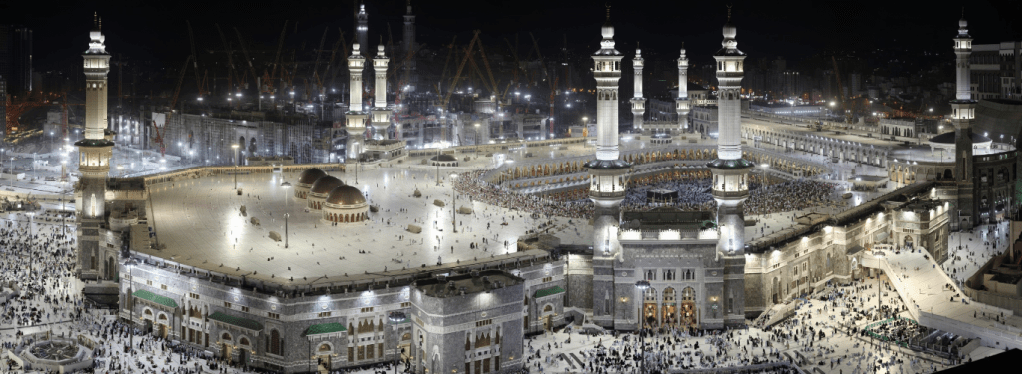
The four Sunni Imams — Abū Ḥanīfah (d. 767), Mālik (d. 795), al-Shāfiʿī (d. 820), and Aḥmad ibn Ḥanbal (d. 855) — disagreed on hundreds of jurisprudential questions while maintaining profound mutual respect. Remarkably, Abū Ḥanīfah studied with Imam Jaʿfar al-Ṣādiq, the founder of the Ja’fari (Shia) school, demonstrating that cross-school scholarly engagement was the norm, not the exception. For centuries in the Holy Mosque of Mecca, scholars from all four schools taught simultaneously, and the faithful prayed behind their respective imams — a visible architecture of unity within diversity.
The Assembly of Islamic Jurisprudence (Majmaʿ al-Fiqhī al-Islāmī), meeting in Mecca in 1987, issued a landmark declaration distinguishing theological differences (uṣūl al-dīn) — which it called “a calamity” — from juristic differences (furūʿ al-fiqh), which it affirmed as “natural, inevitable, and a sign of intellectual vitality.” Professor Mohammad Hashim Kamali summarizes the tradition’s mature position: “Islamic law is often described as a diversity within unity: unity as regards basic principles, and diversity regarding details.”
Umar ibn Abd al-Aziz (d. 720), the eighth Umayyad Caliph revered as the “fifth rightly-guided caliph,” stated that he would not have been pleased if the Companions of the Prophet had not differed, because their differences created “leeway and flexibility for the Ummah.” Contemporary scholars like Taha Jabir al-Alwani (d. 2016) have shown how early Muslim societies embraced disagreement as “a revitalizing force,” urging contemporary Muslims to revive this spirit. The ethics of disagreement (adab al-ikhtilāf) require that scholarly dispute be free of sectarianism (ʿaṣabiyyah), overzealousness (ḥamiyyah), and hostile enthusiasm (ḥamāsah) — with the Quran and Sunnah serving as the ultimate arbiters.
Palestine and Iran: the contemporary test of Ummah solidarity
The years 2023–2026 have subjected the concept of Muslim unity to its most severe test in generations — and produced both its most spectacular failures and its most extraordinary demonstrations.
The Gaza crisis that began on October 7, 2023 has become the defining cause of the contemporary Ummah. With over 70,000 Palestinians killed, 171,000 injured or missing, 90% of Gaza’s population displaced, and 59% of all structures damaged or destroyed, the scale of devastation has mobilized Muslim solidarity on an unprecedented global scale. Mass protests have filled streets from London (where over 50,000 marched on March 7, 2026) to Jakarta, Karachi, and Kuala Lumpur. The Palestine Solidarity Campaign’s UK mailing list grew fourfold — from roughly 67,000 to 270,000 — between September 2023 and April 2024 alone. Student encampments spread across American and European universities. The BDS (Boycott, Divestment, Sanctions) movement gained extraordinary momentum, contributing to Israel’s economic growth dropping from 3% to zero in 2024, startup investments falling 90%, and national debt surging to $340 billion.
The Organisation of Islamic Cooperation convened multiple extraordinary summits — in Jeddah (October 2023), Riyadh (November 2023 and November 2024), Istanbul (June 2025), Jeddah (August 2025), and Doha (September 2025). The September 2025 Doha summit proved historic: Iraq’s Prime Minister proposed a NATO-style defense pact for Arab-Islamic states, Pakistan’s Prime Minister called for an “Arab-Islamic task force,” and Malaysia’s Anwar Ibrahim declared that symbolic gestures were no longer sufficient. Muslim humanitarian organizations — particularly Islamic Relief Worldwide, which reached 17.3 million people across 35 countries in 2024 with income of £275.6 million — have served as the operational infrastructure of solidarity, running bread factories producing 10,000 loaves daily, mobile medical clinics, and orphan sponsorship programs covering 7,600+ children in Gaza.
The February 2026 US-Israeli strikes on Iran have catalyzed what multiple analysts describe as a historic narrowing of the Sunni-Shia divide. Following “Operation Epic Fury” on February 28, 2026 — which killed Supreme Leader Ali Khamenei and other senior leaders in nearly 900 strikes within 12 hours — cross-sectarian solidarity erupted across the Muslim world. In Kolkata, a poster appeared in the Sunni-majority neighborhood of Beckbagan Crossing bearing Khamenei’s photograph and the slogan “Iran Se Sadaa Ayi / Shia-Sunni Bhai Bhai” (“Echoes from Iran: Shia and Sunnis are brethren”). In Kashmir (predominantly Sunni), Mirwaiz Umar Farooq, the chief Sunni cleric, was among the earliest voices condemning the assassination. Bangladesh’s Jamaat-e-Islami, the principal Sunni Islamist party, declared the attack was “not only against Iran and the Muslim world; it is against democracy, humanity, and human rights.”
Islamic scholar Professor Akhtarul Wasey offered a paradoxical observation: “Leaders like Donald Trump and Benjamin Netanyahu may have unintentionally brought Muslims across sectarian lines closer together.” Political scientist Abdul Matin of Jadavpur University confirmed the pattern: “Muslims are not looking at the attack on Iran through the lens of internal sectarian conflict. They are seeing it as a dangerous assault on Islam by Western imperialism.” The OIC’s emergency meeting on February 26, 2026 affirmed that “any threat or use of force against a sovereign state constitutes a clear violation of international law.”
The Ummah’s response to the Uyghur crisis in China and the Rohingya genocide in Myanmar, however, reveals persistent failures. Muslim-majority governments have remained “notably cautious” on China’s detention of over one million Uyghurs, constrained by Belt and Road Initiative economic dependencies. The Council on Foreign Relations has noted “the absolute lack of solidarity with co-religionists” at the state level. Research published by MDPI found that even Indonesia and Malaysia, often described as leaders in Rohingya humanitarian response, deploy “Muslim solidarity” primarily as “symbolic rhetoric directed at domestic audiences” while remaining “highly reluctant to offer sanctuary.” These gaps between popular sentiment and state action represent the Ummah’s most persistent structural weakness.
Conclusion: the living body responds
The textual foundations of Muslim unity are not ambiguous. The Quran commands it. The Prophet ﷺ made it a condition of faith itself. Fourteen centuries of scholarship have built sophisticated frameworks for preserving solidarity despite — and through — legitimate disagreement. The body metaphor endures because it captures something the political language of “alliance” and “coalition” cannot: organic interdependence, where pain in one part is not an external event to be evaluated for strategic response but an internal sensation that triggers automatic, involuntary solidarity.
What the events of 2023–2026 reveal is that this metaphor retains extraordinary mobilizing power. Millions of Muslims who have never met a Palestinian or an Iranian have felt the “sleeplessness and fever” the Prophet described. The sectarian boundaries that seemed permanent have proven, under sufficient pressure, to be thinner than the borders of nation-states. The gap between state inaction and popular mobilization confirms that the Ummah exists most powerfully not in the halls of the OIC but in the conscience of individual believers who take seriously the hadith’s conditional: “None of you truly believes until he loves for his brother what he loves for himself.”
The challenge ahead is not theological — the texts are clear. It is institutional: building structures worthy of the solidarity the Ummah’s members already feel. As the Quran warns in Surah Āl ʿImrān 3:103, Muslims were once enemies whom God united through faith. The rope of Allah remains extended. The question is whether the body will act as one.
 The Glorious Quran and Science
Leave a comment