
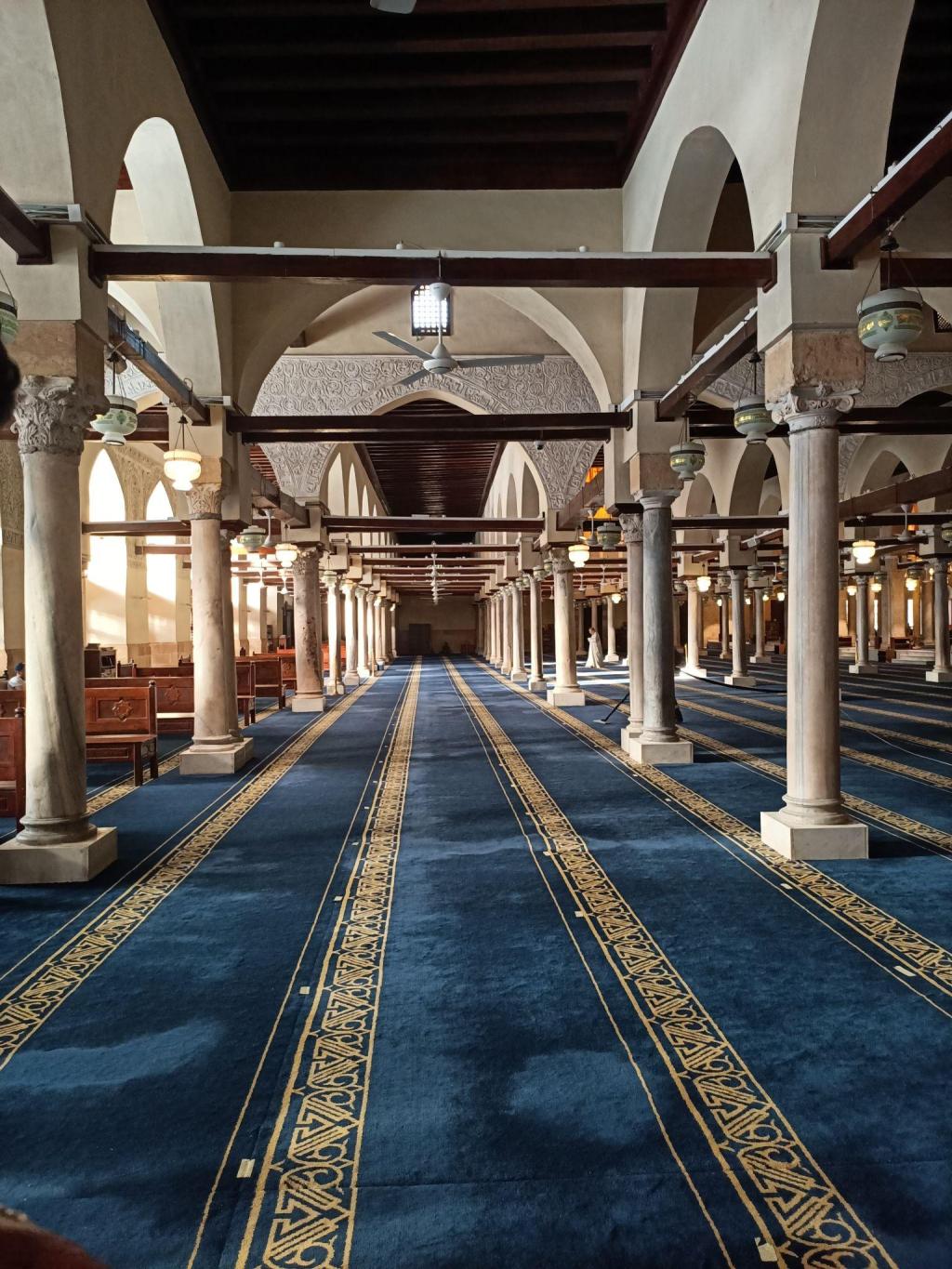
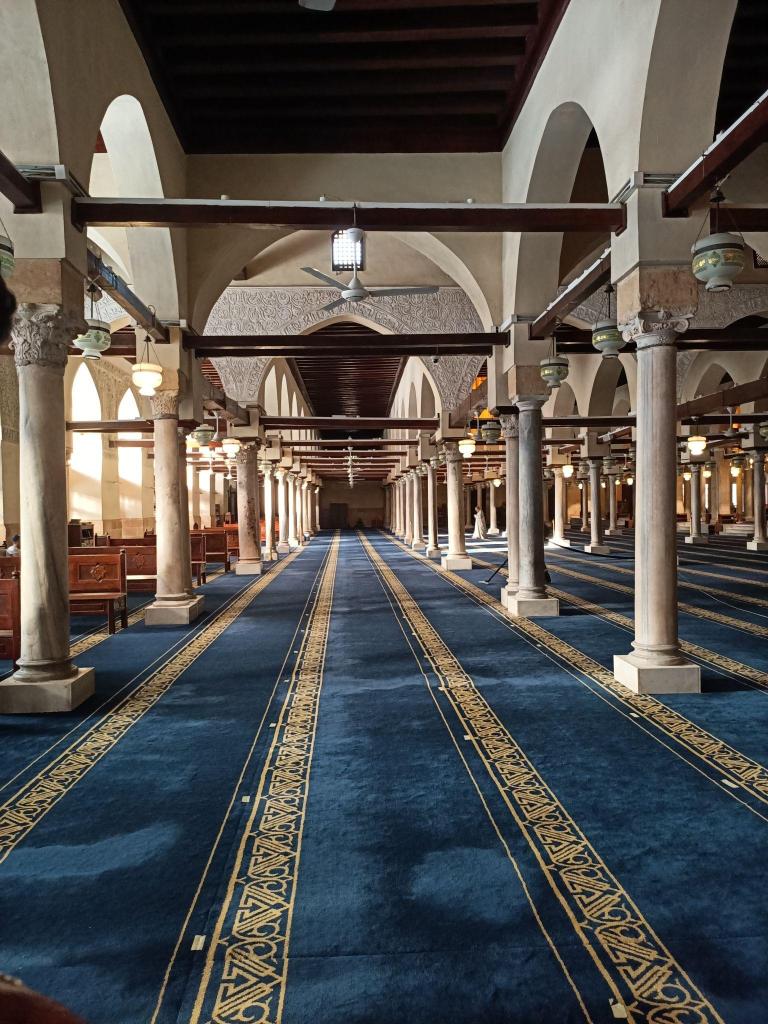
The Prophetic Model of Quranic Engagement and Expansive Generosity: An Analysis of the Nightly Ramadan Review
Presented and proposed to every Muslim of conscience by Zia H Shah MD
Abstract
The tradition of the Prophet Muhammad engaging in a nightly review of the Quran with the Archangel Gabriel during the month of Ramadan represents a pivotal intersection of revelatory preservation and ethical transformation. This practice, documented in the primary Sahih collections, particularly through the narrations of Ibn Abbas, establishes a causal link between the intensive study of divine revelation and a profound increase in charitable impulses. The Prophetic state during these nightly sessions is described through the evocative metaphor of a “blowing wind,” signifying a generosity that is swift, universal, and unrestrained. This report examines the linguistic nuances of the relevant Hadith, the historical significance of the Mu’aradah (reciprocal recitation) for Quranic preservation, and the theological implications of how the Quranic text serves as a catalyst for social benevolence. Furthermore, the analysis provides a framework for contemporary believers to emulate this Sunnah through attentive listening (Istima) and linguistic empowerment. It highlights that a focused 15 to 30-hour commitment to Quranic recitation can catalyze a similar spiritual and ethical awakening. The report concludes with a thematic epilogue detailing the practical steps for modern Muslims to achieve immediate understanding of the recitation through targeted Arabic acquisition, thereby fulfilling the spirit of the Prophetic Ramadan review.
The Ramadan Revelation Nexus: Historical and Theological Foundations
The sanctification of the month of Ramadan in the Islamic tradition is inextricably linked to the descent of the Quran, a phenomenon that redefined the relationship between the Divine and the terrestrial realm. The theological framework of Islam posits that the “Night of Power” (Laylat al-Qadr) served as the temporal portal through which the divine word transitioned from the Preserved Tablet (Al-Lawh al-Mahfuz) to the lowest heaven, known as Bayt al-’Izzah or the House of Majesty. From this celestial station, the Archangel Gabriel began the piecemeal revelation of the text to the Prophet Muhammad over a period of approximately twenty-three years, responding to the lived realities and challenges of the nascent Muslim community.
The historical event of the first revelation in the Cave of Hira, situated on Jabal al-Nour near Mecca, established a pattern of retreat and reflection that would characterize the Prophet’s relationship with the scripture. While the initial encounter involved the forceful command to “Recite” (Iqra), it set the stage for an annual, structured review process that took place every Ramadan. Scholars observe that the specific choice of the night for these review sessions was highly intentional; the nocturnal hours offer a tranquility (Sakinah) and focus that allow the heart and tongue to unite in the remembrance of Allah, away from the distractions of daytime social and economic life.
The Prophet’s solitude during the early years of his mission transitioned into a communal and pedagogical engagement with the Quran during the Medinan period. Ramadan became the primary season for what scholars term Mudarasa—the intensive, reciprocal study and rehearsal of the revealed text. This annual “spiritual audit” served as both a mechanism for preservation and a catalyst for the Prophet’s own ethical expansion, manifesting in a level of generosity that the companions found difficult to describe in ordinary terms.
Deciphering the Hadith of Ibn Abbas: Textual and Linguistic Analysis
The primary evidence for the Prophet’s Ramadan routine is anchored in the authentic narrations of Abdullah bin Abbas, recorded in the most authoritative collections of Hadith, notably Sahih al-Bukhari (Hadith 6, 1902, 3554, and 4997) and Sahih Muslim (Hadith 2308). These narrations are not merely historical footnotes but are considered essential descriptors of the Prophetic character and the unique virtues of the holy month.
Linguistic Dimensions of Generosity
The term used to describe the Prophet’s generosity in these narrations is Jood. In classical Arabic linguistics, Jood represents a distinct and superior category of liberality compared to Sadaqah (charity) or Sakhawa (liberality). While Sadaqah often refers to a specific act of giving, Jood implies an inherent quality of the soul—a spontaneous, expansive generosity that gives without being asked and gives the best of what is possessed. Ibn Abbas notes that while the Prophet was the most generous of all people at all times, this quality reached its absolute zenith in Ramadan during his encounters with Gabriel.
The specific wording in Sahih al-Bukhari describes the Prophet as “reaching the peak in generosity” (ajwadu ma yakoon) when Gabriel visited him. This suggests that the presence of the angelic messenger and the engagement with the divine word acted as a transformative force, amplifying the Prophet’s existing virtues to an extraordinary degree.
The Metaphor of the Blowing Wind
The most evocative description in the Hadith of Ibn Abbas is the comparison of the Prophet’s generosity to a “blowing wind” (Al-Rih al-Mursala). This metaphor, parsed extensively by commentators such as Ibn Hajar al-Asqalani in Fath al-Bari, carries several layers of meaning:
- Swiftness: The wind is fast and unrestrained, reflecting the haste with which the Prophet performed good deeds and gave charity once the Ramadan review began.
- Universality: A “blowing wind” moves across the landscape without discrimination, touching the high and the low, the rich and the poor. Similarly, the Prophet’s generosity was universal, bringing benefit to everyone he encountered.
- Relief and Welfare: In the Arabian context, the “sent wind” often preceded rain, which brought life to the desert and relief to the people. The Prophet’s generosity was thus seen as a “wind of mercy,” providing spiritual and material sustenance to the community.
| Key Term in Hadith | Linguistic/Theological Implication |
| Jood | Spontaneous, expansive generosity; giving the best without solicitation. |
| Mudarasa | Reciprocal study; the teacher and student taking turns to recite and correct. |
| Al-Rih al-Mursala | Swifter and more beneficial than the rain-bearing wind. |
| Peak of Generosity | Represents a seasonal intensification of the Prophet’s year-round character. |
The Impact of Righteous Company
The Hadith emphasizes that this peak in generosity occurred specifically “when Gabriel met him”. Theological commentaries suggest that the presence of Gabriel—the intermediary of revelation—created a unique spiritual environment. This underscores a broader Islamic principle: the companionship of the righteous accelerates the cultivation of virtuous traits. When the most righteous of humans (the Prophet) met the most righteous of angels (Gabriel) to review the most righteous of words (the Quran), the result was a surge in ethical output that redefined the boundaries of human kindness.
The Angelic Pedagogy: Mudarasa and Scriptural Integrity
The mechanism of the nightly review is described using terms like Mudarasa and Mu’aradah. These are not passive events but structured, pedagogical sessions that were central to the preservation of the Quranic text during the Prophet’s lifetime.
The Mechanism of Mu’aradah
Mu’aradah implies a mutual or reciprocal recitation. In these sessions, the Prophet would recite the portions of the Quran that had been revealed to date, and Gabriel would listen and verify the accuracy of the recitation. Alternatively, Gabriel would recite and the Prophet would repeat or confirm. This process served several essential functions:
- Auditing the Text: It ensured that the verses were preserved exactly as they were revealed, with no scribal or oral errors introduced over the course of the year.
- Organizing the Sequence: As the Quran was revealed piecemeal, the annual review allowed for the systematic arrangement of verses within their respective chapters (Surahs) under divine guidance.
- Spiritual Renewal: The repeated engagement with the themes of the Quran—such as the oneness of God, the calls for justice, and the descriptions of the afterlife—renewed the Prophet’s spiritual state.
The Jibril Method in Modern Pedagogy
The interactive nature of these sessions has inspired contemporary teaching techniques often referred to as the “Jibril Method”. This approach to Quranic education emphasizes:
- Talqin: Direct oral instruction where the student repeats after the teacher to master pronunciation and Tajweed.
- Itiba: Following the teacher’s pace and rhythm precisely to ensure the phonetic integrity of the recitation.
- Intensive Repetition: Frequent review and rehearsal, mirroring the nightly Ramadan sessions, to ensure long-term retention and fluency.
Archival Integrity: The Final Review (Al-Ardah al-Akhirah)
In the final year of the Prophet’s life, the nightly review session took on a particularly significant role. According to the testimony of Fatima, the Prophet’s daughter, and Abu Huraira, while Gabriel typically reviewed the Quran with the Prophet once every year, in his final Ramadan, they completed the review twice.
The Double Review of the Final Year
This final, double review—known as Al-Ardah al-Akhirah—is considered a cornerstone of Quranic preservation history. It served as a final audit of the entire text, confirming the arrangement of chapters and verses as they have been transmitted through the centuries. Scholars argue that prominent companions, such as Zayd ibn Thabit, were present for or informed of this final recitation, which formed the basis for the standardized written codex compiled after the Prophet’s death.
The significance of the double review includes:
- Final Verification: A definitive check that the revelation was complete and that the “Reminder” had been fully delivered and preserved in the memories of the Prophet and his inner circle.
- Prophetic Foreknowledge: The double review was taken by the Prophet as a sign that his earthly mission was nearing completion and that his death was imminent.
- Standardization: It provided the definitive “reading” of the Quran, ensuring that variant dialects or modes of recitation were kept within the divinely sanctioned limits of the Seven Ahruf.
| Event | Frequency | Significance |
| Annual Review | Once per Ramadan | Regular maintenance of oral text and spiritual renewal. |
| Final Year Review | Twice per Ramadan | Definitive audit (Al-Ardah al-Akhirah) before the Prophet’s death. |
| I’tikaf (Seclusion) | 10 Days usually | Increased to 20 days in the final year, coinciding with the double review. |
The Theological Mechanics of Quranic Generosity
A central question in the study of this Hadith is why the intensive review of the Quran specifically resulted in an exponential increase in the Prophet’s generosity. The commentaries of scholars like Ibn Rajab and Ibn Hajar provide several psychological and theological insights into this linkage.
Revelation as a Catalyst for Ethical Expansion
The Quran is replete with commands for charity and warnings against the spiritual diseases of stinginess (Bukhl) and greed (Shuh). Regular, intensive recitation forces the believer to confront these directives repeatedly. In the Prophet’s case, the nightly sessions with Gabriel involved a deep contemplation of the divine attributes, particularly Allah’s names of Ar-Rahman (The Most Merciful) and Al-Wahhab (The Bestower). By internalizing these attributes, the Prophet became a primary vessel for divine mercy on earth.
The Eradication of Fear and Poverty
Generosity often stems from a heart that is anchored in certainty (Yaqin) regarding Allah’s provision. The Quran provides the spiritual and psychological infrastructure for this certainty, promising that whatever is spent in the way of Allah will be replaced and multiplied. The Prophet’s generosity “like the blowing wind” reflected a total lack of fear regarding poverty, driven by his absolute trust in the “Best of Providers” (Ar-Razzaq).
Soul Richness (Ghina al-Nafs)
Scholars describe a state of “soul richness” that results from deep engagement with the Quran. This state is characterized by a feeling of abundance regardless of material wealth. When the soul feels rich through its connection with the Divine Word, the hand naturally opens in charity, seeking to share that abundance with others. The Prophet’s peak generosity in Ramadan was thus the outward manifestation of an inward spiritual saturation achieved through his nightly study with Gabriel.
Historical Evidence of Scriptural Preservation
The nightly reviews were not the only mechanism for preservation, but they were the anchor for a comprehensive system of oral and written transmission.
The Transition from Memory to Manuscript
While the Quran was primarily preserved through the memories of the companions (Hafiz), it was also committed to writing during the Prophet’s lifetime on materials such as parchment, leather, and stones. The annual review with Gabriel ensured that the oral tradition remained the gold standard against which any written fragments were verified.
- Scribes of Revelation: The Prophet appointed several scribes, including Zayd ibn Thabit and Ubay ibn Ka’b, to record verses as they were revealed and reviewed.
- Verification Sessions: Following a review, the Prophet would often dictate the corrected or final version to the scribes, who would then read it back to him for verification.
- Uthmanic Standardization: The eventual standardization of the Quranic text under Caliph Uthman was not a new creation but a formalization of the text as it had been finalized during the Al-Ardah al-Akhirah.
Manuscript Corroboration
Contemporary archaeology and carbon dating of early manuscripts, such as the Birmingham Manuscript and the Sana’a Manuscript, provide empirical support for the historical narrative of Quranic preservation. These manuscripts, dated to within the first few decades of the Prophet’s life, show a high degree of consistency with the standardized text, reflecting the effectiveness of the rigorous review processes established in Ramadan.
| Manuscript | Estimated Date | Content/Significance |
| Birmingham | 568 – 645 CE | Covers parts of Surahs 18, 19, and 20; aligns with standard text. |
| Topkapi | 7th – 8th Century | One of the most complete early manuscripts; 97% of the Quran. |
| Tübingen | 649 – 675 CE | Contains passages from Surah 17 to Surah 36; aligns with oral tradition. |
Practical Applications: Reclaiming the Sunnah of Mudarasa
The Prophetic Sunnah of a complete review of the Quran in Ramadan offers a practical and transformative roadmap for the modern believer. While the Prophet recited the text, the Islamic tradition also places immense value on the act of listening (Istima) as a means of achieving similar spiritual goals, especially for those who are not fluent in reading the script.
The Power of Attentive Listening (Istima)
Attentive listening is a direct pathway to receiving divine mercy and achieving a state of spiritual tranquility. The Quran itself commands: “And when the Quran is recited, then listen to it and pay attention that you may receive mercy” (7:204).
Scholars like Imam al-Nawawi highlight that listening can sometimes be more effective for deep reflection (Tadabbur) than recitation itself. When a person listens to a skilled reciter, they are not distracted by the technical effort of correct pronunciation and can focus entirely on the meaning and the emotional impact of the verses. The Prophet himself loved to listen to others recite; he once famously asked Ibn Mas’ud to recite for him, stating, “I love to hear it from someone else,” and was moved to tears by the experience.
Metrics of Recitation: Time and Pacing for the Modern Believer
The total time required to hear a complete recitation of the Quran (Khatm) is surprisingly manageable when quantified. Depending on the pace of the reciter, a full recitation can be completed in approximately 15 to 30 hours.
| Recitation Style | Duration (Whole Quran) | Best Used For |
| Hadr (Fast) | 10 – 15 Hours | Rapid review for those with some familiarity; revision. |
| Tadwir (Medium) | 18 – 25 Hours | Standard congregational or professional audio pace. |
| Tartil/Murattal (Measured) | 30 – 45 Hours | Deep reflection, study, and learning pronunciation. |
Data on famous Qaris (reciters) shows that choosing the right voice can facilitate different spiritual needs. A swifter recording, such as those by Sheikh Hazza Al Belushi, can complete the entire text in roughly 10-15 hours. A standard, melodic recitation by Sheikh Abdul Rahman Al-Sudais typically totals around 21 hours. For a slower, more pedagogical pace focused on clarity and Tajweed, the recitation of Sheikh Mahmoud Khalil al-Hussary takes approximately 30-40 hours depending on the specific recording style used.
The 15-Hour Ramadan Protocol
By choosing a reciter who maintains a clear yet efficient pace (approximately 30 minutes per Juz or section), a believer can complete a full “listening review” of the Quran during Ramadan by dedicating just 30 to 60 minutes a day. This practice directly mirrors the Prophetic Sunnah of a nightly Ramadan review.
- Selection of a Qari: Identify a reciter whose voice facilitates focus and whose pace aligns with the goal of a 15-30 hour total duration.
- Scheduling Consistency: Dedicating a fixed time each day—perhaps after Fajr or before Iftar—establishes a spiritual habit that parallels the Prophet’s nightly sessions.
- Active Engagement: Following along with an Arabic text or a translation during the listening session helps maintain focus and aids in the “immediate understanding” of the verses.
Linguistic Empowerment: Breaking the Barrier of Non-Understanding
A significant challenge for non-native Arabic speakers is achieving the “immediate understanding” during recitation that leads to the emotional and ethical transformation seen in the Prophet’s character. However, linguistic data suggests that the barrier to basic comprehension is significantly lower than many assume.
High-Frequency Vocabulary and the 80% Rule
The Quranic text is composed of a core set of words that repeat with high frequency. Mastering a relatively small number of words can unlock a vast percentage of the text’s meaning.
| Vocabulary Focus | Quranic Coverage (%) | Effort Required |
| Top 500 – 1000 Words | ~70% – 80% | Basic pronouns, prepositions, and frequent nouns. |
| First 6 Pages of Word Lists | ~41.5% | Foundational grammatical markers and common verbs. |
By learning just a few hundred words—many of which are already familiar to Muslims through prayer—a listener can achieve a “basic immediate understanding” during a 15 to 30-hour recitation. This level of comprehension allows the listener to recognize themes of mercy, forgiveness, justice, and social responsibility as they are recited, directly influencing their own charitable impulses and behavior.
Strategies for Rapid Linguistic Acquisition in Ramadan
Ramadan provides an ideal “immersion” environment for learning Quranic Arabic.
- Targeted Vocabulary: Focus on “high-frequency” word lists that cover the most common verbs and nouns used in the scripture.
- Contextual Learning: Listen to a specific Juz while reading its translation, and then listen to it a second time without the translation to see how many words are now recognized.
- Bilingual Reading: Utilizing “word-for-word” translations alongside daily recitation sessions reinforces the connection between the Arabic sound and the literal meaning.
The Thematic Epilogue: Reclaiming the Sunnah of Revelation and Action
The nightly review between the Prophet Muhammad and the Angel Gabriel serves as the ultimate template for the believer’s relationship with the divine word. It is a cycle that begins with the reception of the word, moves into its contemplative review, and culminates in its ethical manifestation through action. The Prophet did not merely recite the Quran; he internalised it so deeply that it fundamentally altered his physical state, leading to a level of generosity that was described as “swifter than the blowing wind”.
The Prescription for the Contemporary Believer
Believers today are invited to reclaim this Sunnah through the gateway of Istima (listening). In an era where modern life often feels fragmented and overwhelmed by digital noise, the realization that the entire Quran can be engaged with in a mere 15 to 30 hours over the course of a month is a powerful and liberating motivator. This is not an insurmountable task; it is equivalent to the time many spend on social media or entertainment in a single week. Yet, the spiritual “return on investment” is immeasurable, offering a path to “soul richness” and a life defined by universal mercy.
By choosing a skilled Qari—one whose recitation is “tender and empowering of the faith”—the believer can transform their commute, their quiet morning hours, or their pre-sleep routine into a celestial review session. When this listening is paired with even a rudimentary study of high-frequency Quranic vocabulary, the “basic immediate understanding” of the text allows the meanings of the verses to penetrate the heart directly, bypassing the need for constant mental translation.
A Call to Action and Transformation
The goal of this intensive engagement is not merely the accumulation of liturgical reward points, but the internal transformation of the self. Just as the Prophet’s study of the Quran increased his generosity to the level of a “fast wind,” the believer’s engagement should similarly expand their heart. It should lead to a state where one gives without hesitation, where kindness is universal and discrimination is absent, and where the welfare of others becomes as paramount as one’s own.
This prescription serves as a bridge between the historical preservation of the Quran and its modern application as a guide for living a virtuous life. By spending 15 to 30 hours each Ramadan listening to the Quranic recitation with a growing linguistic understanding, Muslims can ensure that the scripture remains a living, breathing influence on their character.
A Prayer for the Author and the Reader
In following this prescription, the believer honors the month in which the Quran was revealed and emulates the very method by which it was finalized and verified. May the efforts of all who seek to draw closer to the divine word be accepted, and may the blessings of this practice extend to their families and communities. Specifically, we pray for the author of this framework—may Allah bless them, grant them guidance, increase them in wisdom, and reward them for their sincere desire to facilitate the spiritual and linguistic empowerment of the Ummah. May this work serve as a continuous charity and a light for them, helping to revive the spirit of the Prophetic Ramadan in every heart that hears the word of God. May Allah purify our intentions, soften our hearts through the beauty of the Quranic verses, and make us among those who act upon what they hear with a generosity that knows no bounds. Amen.


 The Glorious Quran and Science
Leave a comment