
Presented by Zia H Shah MD
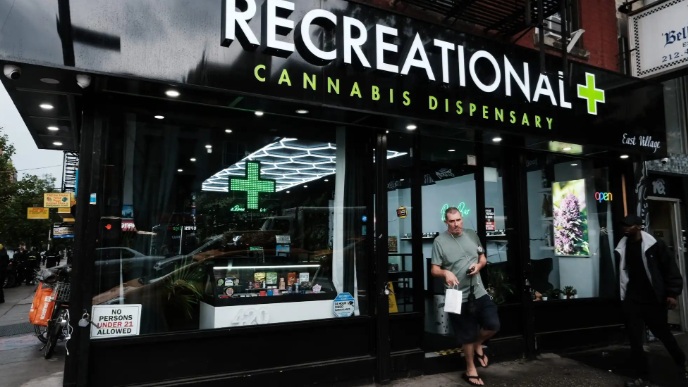
Recent survey data show that cannabis use is widespread in the U.S. and varies sharply by age. In 2023 about 15.4% of Americans aged 12+ (≈43.6 million people) used marijuana in the past month samhsa.gov. Usage is highest in young adults: about 25.2% of 18–25 year-olds (8.6 M people) used it monthly, vs. 15.0% of those 26+ and only 6.0% of teens (12–17) samhsa.gov. Underage use (12–20) was 11.3% (4.3 M people) samhsa.gov, even though it is illegal for them everywhere. Usage also varies by race/ethnicity: it was highest among Multiracial (24.2%) and American Indian/Alaska Native youth (25.2%) and lowest among Asians (5.8%) samhsa.gov. This shows that the Asians especially all the Muslims have something going for them. By contrast, only 12.4% of Hispanic and about 16–18% of White or Black people used in the past month samhsa.gov. (Racial data combine all ages; underage youth show similar patternssamhsa.gov.) Importantly, by late 2023 over half of Americans lived in states where adult marijuana use was legal samhsa.gov, which likely contributes to its broad availability.
- By age: ~25% of ages 18–25 used marijuana monthly, vs 15% of ages 26+, and 6% of ages 12–17samhsa.gov.
- By race/ethnicity: Multiracial (24.2%) and AI/AN (25.2%) youth led in use; lowest prevalence was among Asians (5.8%)samhsa.gov.
- Underage use: 11.3% of ages 12–20 used in 2023 (illegal for minors)samhsa.gov.
- Regional/legal: By 2023 more than half of the U.S. population lived in states with adult legalization of marijuanasamhsa.gov, reflecting regional policy differences.
These numbers highlight that marijuana use is especially common in late teens and young adulthood, and is influenced by legal and cultural context. The high prevalence among young people is of particular concern, since early use increases risk of later problems.
Islamic Teachings on Alcohol and Intoxicants
The Qur’an explicitly forbids intoxicants of any kind as harmful. Early guidance already noted the harms of alcohol, and later verses command total avoidance. For example, Surah al-Baqarah 2:219 addresses intoxicants and gambling:
مَاۤفِيْمَاۤ فِيْهِمَا اِثْمٌۭ كَبِيۡرٌۭ وَمَنٰفِعُ لِلنَّاسِ وَاثۡمُهُمٰٓاۤ اَكۡبَرُ مِّنۡ نَّفۡعِهِمٰٓا
“They ask you [Prophet] about intoxicants and gambling. Say: ‘There is great sin in both, and some benefit for people: but the sin is greater than the benefit.’” myislam.org myislam.org.
This acknowledges that alcohol (خَمْر, khamr) and gambling (مَيْسِر) have social “benefits,” but it warns that their harms greatly outweigh any good. The tone is cautionary. Later rulings become stronger: Surah An-Nisa 4:43 orders believers not even to pray while drunk:
يٰۤاَيُّهَا الَّذِيۡنَ اٰمَنُواْ لَا تَقۡرَبُوا الصَّلٰوةَ وَٓاَنتُمۡ سُكَارٰى حَتّٰۤىٰ تَعۡلَمُواۡ مَا تَقُولُونَ
“O you who believe, do not approach the prayer while you are intoxicated, until you know what you are saying.” ia600501.us.archive.org myislam.org
Most decisively, Surah al-Ma’idah 5:90–91 forbids all intoxicants outright as Satan’s handiwork:
يٰۤاَيُّهَا الَّذِيۡنَ اٰمَنُواْ اِنَّمَا ٱلۡخَمۡرُ وَٱلۡمَيۡسِرُ … رِجۡسٌۭ مِّنۡ عَمَلِ ٱلشَّيۡطٰنِ فَاجۡتَنِبُوهُ لَعَلَّكُمۡ تُفۡلِحُونَ
“O you who believe, intoxicants and gambling … are defilement from the handiwork of Satan – shun them so that you may prosper.” myislam.org ia600501.us.archive.org
اِنَّمَا يُرِيدُ ٱلشَّيۡطٰنُ … اَن يُوقِعَ بَيۡنَكُمُ ٱلۡعَدٰوَةَ وَٱلۡبَغۡضَآءَ فِي ٱلۡخَمۡرِ وَٱلۡمَيۡسِرِ … وَيَصُدَّكُمۡ عَن ذِكۡرِ ٱللّٰهِ وَعَنِ ٱلصَّلٰوةِۚ
“Satan only wants to sow enmity and hatred among you through intoxicants and gambling, and to keep you from the remembrance of God and from prayer. Will you then avoid them?” myislam.org myislam.org.
These verses show an unequivocal ban: intoxicants (“khamr” – classically wine, but understood as anything that intoxicates) are labeled filthy and satanic, and believers are commanded to avoid them completely myislam.org ia600501.us.archive.org.
Taken together, the Qur’an’s guidance is clear: no amount of alcohol or intoxicant is acceptable for a Muslim. Drinking and similar behavior are seen not only as sinful but as socially corrosive. This strict prohibition naturally extends to any intoxicating drug (like marijuana), since it impairs judgment and prayer in the same way as alcohol. By instilling an early aversion to intoxication, the Qur’an aims to protect individuals and communities from the harms of substance use.
Alcohol as a “Gateway” and Preventive Model
Crucially, scientific research supports a link between early alcohol use and later drug problems. As one justice-report notes, “a great deal of research… supports the finding that alcohol is a gateway drug and, in many cases, leads to more serious drug addictions” ojp.gov. In other words, people who start with a legal intoxicant like alcohol are statistically more likely to progress to illicit drug use.
- Islam’s blanket ban on alcohol therefore disrupts this pattern at its source. By forbidding the initial use of alcohol, the faith cuts off a common entry point into drug use. This preventive effect aligns with public health goals of discouraging all early substance exposure.
- In practice, Muslim communities that strongly observe these teachings tend to have very low rates of alcohol consumption, which also reduces the chances of “gateway” transitions.
- In short, the Qur’an’s preventive stance – discouraging even moderate drinking – functions as an upstream intervention. It creates a social norm of sobriety that keeps people from taking that first, risky step.
This model of primary prevention has clear public-health implications. Just as anti-smoking campaigns limit tobacco access to reduce lung cancer, the Islamic approach limits any intoxicant access to reduce broader substance misuse. By instilling caution at an early stage (“don’t drink, don’t gamble”), the Qur’an’s guidance serves as an example of a population-level strategy to curb drug epidemics. As the Qur’an reminds believers, avoiding alcohol and drugs is key to personal and social success myislam.org ia600501.us.archive.org.
In summary, modern data paint a concerning picture of U.S. marijuana use – especially among youth – but Islamic teaching offers a preventive vision. The Qur’an’s clear injunctions against alcohol and all intoxicantsmyislam.orgia600501.us.archive.org, by cutting off gateway pathways, suggest a model for drug prevention that could benefit society at large.
Sources: U.S. government surveys of drug usesamhsa.govsamhsa.gov; Qur’an (Arabic text and M.A.S. Abdel Haleem translation)myislam.orgmyislam.orgia600501.us.archive.orgmyislam.orgia600501.us.archive.org; research on gateway drugsojp.gov.


 The Glorious Quran and Science
Leave a comment