
Prevalence and Trends
Recent surveys show that cannabis use in the U.S. is widespread and rising among adults. In 2022, about 61.9 million Americans age 12+ (22.0% of the population) reported using marijuana in the past year samhsa.gov, and 42.3 million (15.0%) used it in the past month samhsa.gov. Lifetime use is even higher (52.5 million, roughly 19%, have tried it at least once cdc.gov). Young adults (18–25) have the highest rates – roughly 38.2% used in the past year samhsa.gov (25.2% past month samhsa.gov) – while adolescents use it much less (about 11.5% past year samhsa.gov and 6.0% past month samhsa.gov). Over the past decade adult use has roughly doubled: for example, Gallup polling finds 15% of U.S. adults currently report smoking marijuana news.gallup.com, up from 7% in 2013. Notably, youth use has not kept pace: Monitoring the Future surveys show teenage use fell after 2020 and in 2023 was at 29% (12th grade), 18% (10th), and 8% (8th) for past-year use monitoringthefuture.org. In fact, nationwide data indicate that between 2012–2019 cannabis use increased among adults in nearly every state sph.umn.edu, yet underage rates remained stable or declined sph.umn.edu. By 2023, NSDUH found 61.8 million Americans had used cannabis in the past year samhsa.gov, making it the most commonly used illicit drug in the country.
Demographic Patterns
Cannabis use varies by age, gender, race and other factors. Key patterns include:
- Age: Use peaks in young adulthood. In 2023, about 25.2% of 18–25‑year‑olds reported past-month use samhsa.gov, compared to 15.0% of adults 26+ and only 6.0% of ages 12–17 samhsa.gov. Older adults (50+) now constitute a growing share of users. By contrast, adolescent use remains comparatively low and has been steady or falling sph.umn.edu.
- Race/Ethnicity: In 2023, Multiracial (24.2%) and American Indian/Alaska Native (25.2%) individuals had the highest past-month use rates; Asian Americans had the lowest (about 5.8%)samhsa.gov. White (16.3%), Black (18.1%) and Hispanic (12.4%) adults fall in betweensamhsa.gov. Among current users, vaping patterns also differ: for instance, roughly 42–43% of Hispanic, Multiracial or White users vaped cannabis in the past month, versus only ~19% of Black userssamhsa.gov.
- Gender and Education: Men consistently report higher use than women (about 17% of adult men vs. 11% of adult women)news.gallup.com. Higher use is also seen among those without a college degree (17% past-month) compared to college graduates (11%)news.gallup.com.
- Other factors: Political affiliation, income and region also correlate with use. (For example, Democrats report use more often than Republicansnews.gallup.com, and younger or lower-income adults tend to use more.) These patterns reflect both cultural attitudes and access differences.
Regional Variation
Figure: Map of U.S. cannabis legality by state (blue = adult-use legal; green = medical-only; gray = no legal market; dot = decriminalized)commons.wikimedia.orgncsl.org. As the map shows, legal markets are concentrated in the West and Northeast. By late 2023, more than half of Americans lived in states with legalized adult usesamhsa.gov. Gallup polling likewise finds higher reported use in the West (19%) and Midwest (16%) versus the South (11%)news.gallup.com. Evidence suggests that legalization tends to raise adult use (e.g. studies found past-month use rose in 38 states from 2012–2019sph.umn.edu), although some increase was apparent even before legalization. Importantly, marijuana possession remains illegal for under-21s everywheresamhsa.gov, although many states now treat minor possession as a civil fine rather than a criminal offense.
Medical vs. Recreational Use
Most U.S. marijuana consumption is for either medical symptom relief or recreational enjoyment. Currently 40 states (plus DC and 3 territories) permit medical cannabis usencsl.org, while 24 states (plus DC) allow adult recreational salesncsl.org. Medical programs have enrolled millions of patients; for example, Florida alone has over 890,000 registered medical usersmpp.org. In all, at least 3.64 million Americans held medical marijuana cards in 2024 (an undercount, since some large states like California do not register patients)mpp.org. By contrast, adult-use legalization dates from 2012 (Colorado/Washington) and has spread gradually. Federally, cannabis remains Schedule I (illegal for any use), so even state-legal users have no FDA‑approved products except certain synthetic cannabinoids. Nonetheless, public support for legal markets is high: Gallup reports about 68% of Americans now favor legalizing marijuananews.gallup.com. The rapid growth of the medical market and the number of legalization laws indicate strong demand for cannabis in both contexts.
Health and Social Effects
While many users report benefits, marijuana use can cause significant harms, especially for young people and heavy users. Key risks include:
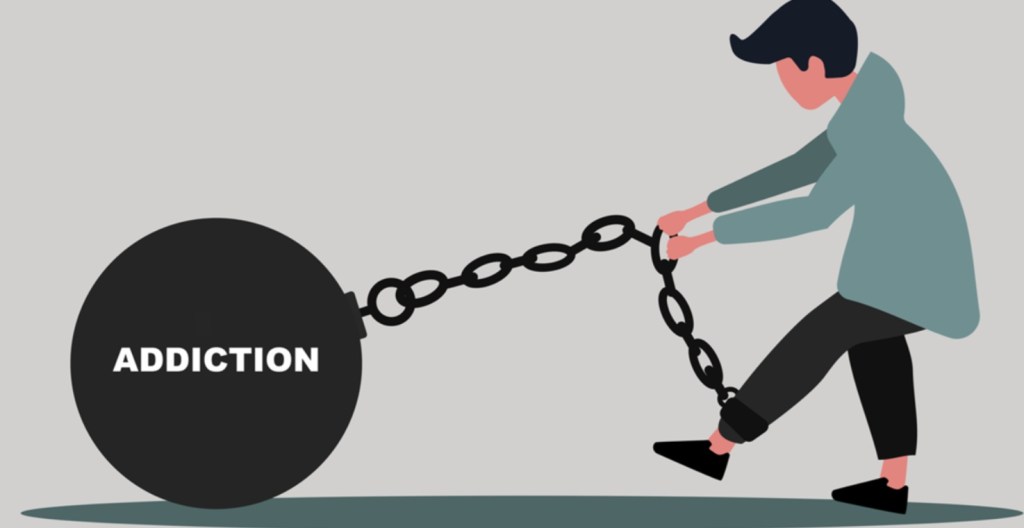
- Addiction: About 1 in 10 people who ever use marijuana will develop a cannabis use disordersamhsa.gov (roughly 30% of daily users)cdc.gov. Starting young raises the risk: roughly 1 in 6 youth who use become dependentsamhsa.gov.
- Brain and Mental Health: Heavy adolescent use impairs cognitive development. Studies link early use to permanent IQ loss of ~8 pointssamhsa.gov, as well as deficits in attention and learning. Marijuana use (especially high-THC products) is associated with higher rates of depression, anxiety, suicidal thoughts and psychotic episodessamhsa.gov. Chronic use may precipitate schizophrenia or other psychoses in vulnerable individuals.
- Physical Health: Regular smoking can irritate the lungs (chronic bronchitis); cannabis intoxication impairs motor coordination and reaction time, greatly increasing crash risksamhsa.gov. Using marijuana during pregnancy is linked to lower birth weight and impaired brain development in the childsamhsa.gov. (Cannabis compounds can transfer to infants via breast milk.)
- Social and Academic: Cannabis can affect motivation and social functioning. Heavy use is associated with worse educational outcomes and economic achievementsamhsa.gov. Marijuana users report more relationship problems and reduced overall life satisfactionsamhsa.gov. Driving under the influence is especially hazardous: marijuana-impaired drivers have slower reaction times and poorer lane controlsamhsa.gov.
These health and social harms mean that increased use entails public health trade-offs. For example, higher addiction rates may raise healthcare and treatment costs, and any benefit of legalization must be weighed against increases in emergency visits or disability linked to cannabis.
Legal and Economic Issues
Marijuana’s legal status has profound social and economic implications:
- Criminal Justice: Drug law enforcement has historically targeted marijuana disproportionately. Despite similar consumption rates, Black Americans are arrested for cannabis possession at roughly 3–4 times the rate of whitesnorml.org. Nationwide, that has meant millions of arrests (often of young people) for minor possession. The ACLU estimated federal marijuana enforcement costs roughly $3.6 billion per year (arrests, trials, incarceration)investopedia.com. With legalization, arrest numbers have plunged in many states, though racial disparities often remain (for example, after Virginia legalized in 2021, nearly 60% of marijuana cases were still Black adults even though they are 20% of the population)norml.org.
- Federal vs. State Laws: Cannabis is still a Schedule I drug under U.S. federal lawncsl.org, creating conflicts. State-legal businesses are excluded from regular banking and often pay higher taxes. Federally regulated programs (e.g. military or federal employment) continue zero-tolerance THC testing. The federal ban also limits research on medical effects and industry development. (Notably, in 2024 DOJ proposed re‑scheduling marijuana to Schedule III, recognizing some medical usencsl.org.)
- Economic Impact: Legal cannabis has become a multibillion‑dollar industry. In 2023, states with recreational markets collected about $4.2 billion in marijuana tax revenueinvestopedia.com (California alone took in ~$1.1B; Washington $4.1B since 2014; Colorado $2.38B since 2014investopedia.com). There are roughly 15,000 dispensaries nationwide (Feb 2024), employing an estimated 93,000 workersinvestopedia.com. Legal sales to consumers exceeded $30 billion in 2022investopedia.com. These revenues help state budgets and create jobs in cultivation, retail, and related services (from tech to consulting)investopedia.com. On the other hand, the illicit market still persists (in some states it remains sizable) and states must invest in regulation, public education and prevention. Researchers predict the total U.S. cannabis economy could approach $150 billion by 2026investopedia.com, but full nationwide legalization (federal reform) would likely shift much more into the open economy and generate even larger tax receipts.
Policy Developments
Legal and policy changes have accelerated in recent years. As of mid-2025, 24 states and DC have legalized adult recreational marijuana, and 40 states (plus DC/territories) allow medical use ncsl.org. Notable recent adoptions include New York (2021), New Mexico (2021), Connecticut (2021), and (decriminalization) Virginia (2024). Enforcement priorities are also shifting: President Biden pardoned all federal simple possession convictions in 2022 army.mil and has urged other nations and states to do likewise. The administration has directed the Justice and Health agencies to review marijuana’s Schedule I status army.mil, and in 2024 DOJ proposed moving cannabis to Schedule III ncsl.org. In Congress, bills such as the MORE Act (which would federally deschedule and expunge convictions) have garnered support but not yet passed into law. Public opinion strongly favors reform: about 68% of Americans support legalizing marijuana in 2024 news.gallup.com, a historic high.
Continued developments (new state referendums, federal legislation, FDA actions, etc.) are expected. The overall trend, however, is clear: cannabis use is common and increasing among adults, and U.S. policy is gradually shifting from prohibition toward regulation. Policymakers now must balance the economic benefits of legalization against managing health and social risks, ensuring equitable enforcement, and addressing remaining federal-state conflicts.
Sources: Official survey data and public health reportssamhsa.govsamhsa.govcdc.govmonitoringthefuture.orgnews.gallup.comsamhsa.gov; academic analysessph.umn.edusph.umn.edu; news polls and government releasesnews.gallup.comncsl.orgarmy.mil; and federal public health resourcessamhsa.govinvestopedia.commpp.org.



 The Glorious Quran and Science
Leave a comment