
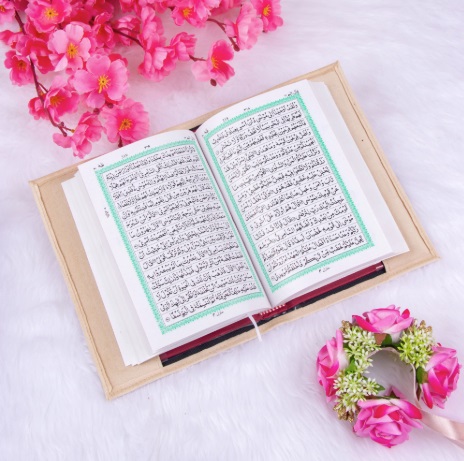
Written and collected by Zia H Shah MD
Introduction
The Qur’an holds a central place in all branches of Islam, including the diverse sects of Shī‘a Islam. Twelver (Ithnā ‘Asharī), Ismā‘īlī, Zaydī, Alevi, and Bektashi communities all revere the Qur’an as divine revelation, but they have developed distinctive principles for its interpretation (tafsīr). Historically and today, each tradition’s view of the Qur’an’s authority, preservation, and inner meaning is shaped by its theological outlook – especially its understanding of the Imamate and esoteric knowledge. Importantly, all these groups share the same Qur’ānic text as other Muslims, rejecting polemical claims that Shī‘a use a “different” Qur’an en.wikipedia.org. What differs is how the Qur’an is understood and who holds authority to interpret it. This article explores each sect’s perspective on the Qur’an – covering historical development and contemporary beliefs, theological and philosophical dimensions, and methods of exegesis – and compares these with Sunni interpretations where relevant.



 The Glorious Quran and Science
Leave a comment