

Epigraph:
“He is the Originator of the heavens and the earth. How could He have a son when He has no consort? He created all things and He is, of all things, All-Knowing.” (Al Quran 6:101)
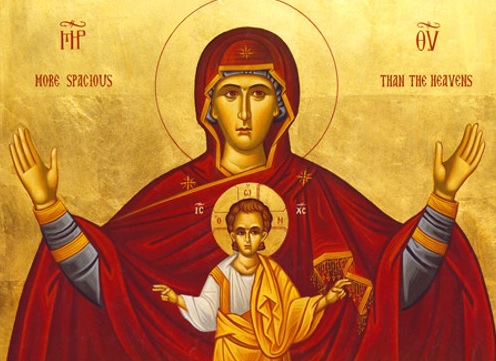
Written and collected by Zia H Shah MD
Abstract
Theotokos (Greek for “God-bearer” or “Mother of God”) is a christological title for Mary that has shaped Christian doctrine and devotion for centuries. This article examines the historical development of the title – from its early use in Christian prayer and patristic writings to its dogmatic affirmation at the Council of Ephesus in 431 A.D. – and explores its profound implications for Christology (the doctrine of Christ’s person) and Mariology (the theology of Mary). We discuss how the Council of Ephesus (431), in response to the Nestorian controversy, declared Mary to be Theotokos to safeguard the truth that Jesus Christ is one person who is fully God and fully man. The article then analyzes how the doctrine of Theotokos is understood in major Christian traditions today: Roman Catholicism, Eastern Orthodoxy, and Protestantism. Each tradition’s official teachings (e.g. the Catechism of the Catholic Church, Orthodox conciliar and liturgical affirmations, and Protestant confessions and theologians) are cited to illustrate both shared beliefs and distinctive emphases. Despite differences – especially regarding the degree of veneration accorded to Mary – all mainstream Christian branches affirm Theotokos as a key marker of orthodox belief in the incarnation of Christ. The article concludes with a thematic epilogue reflecting on the enduring relevance of Theotokos as a touchstone of Christological truth and on the theological tensions it continues to evoke in ecumenical dialogue and devotional practice.
Read further in the Microsoft Word file:

 The Glorious Quran and Science
Leave a comment