
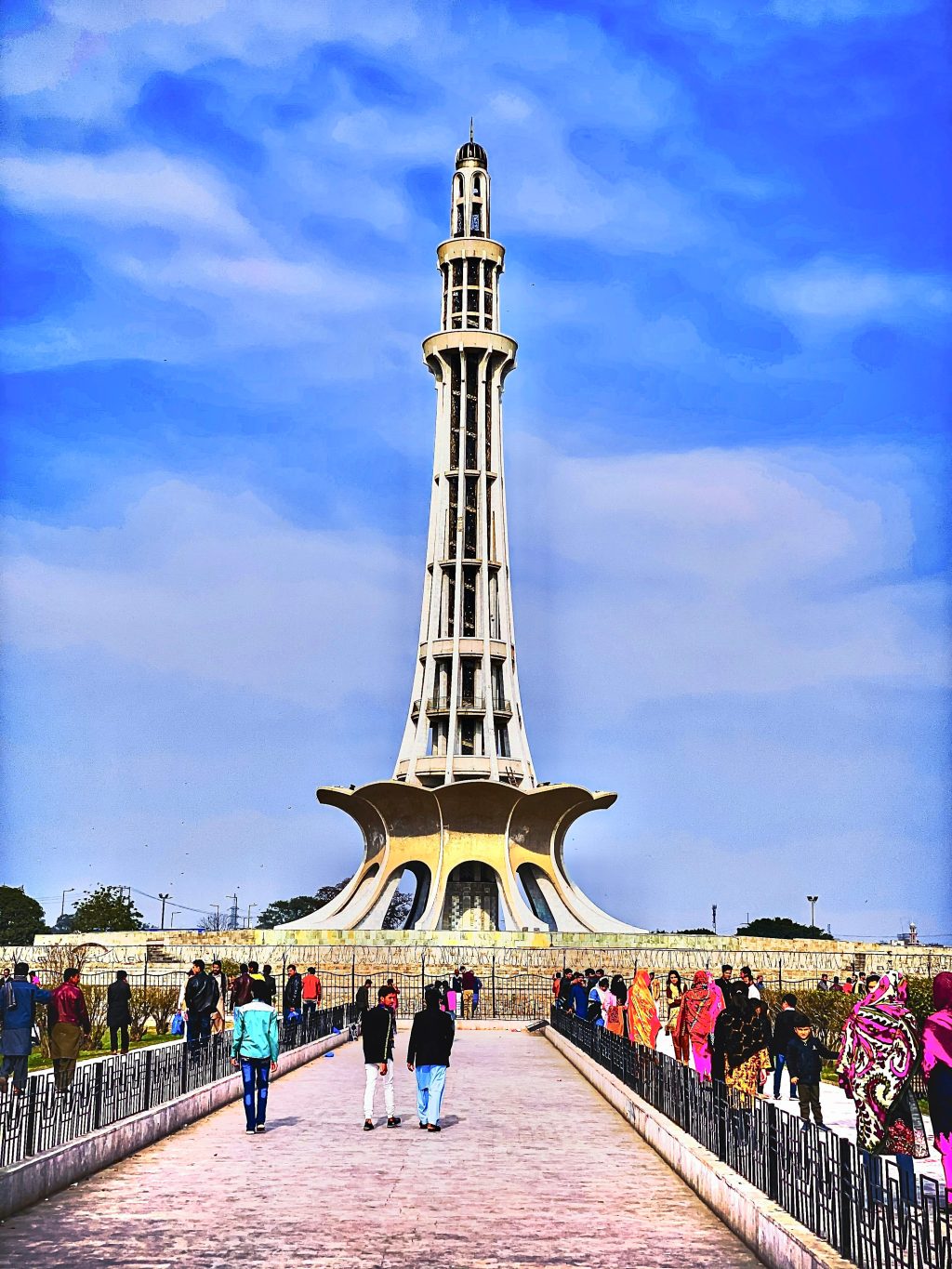
Written and collected by Zia H Shah MD
Historical and Political Context (1947–1949)
In the aftermath of independence in 1947, Pakistan lacked its own constitution and initially used the colonial Government of India Act 1935 as an interim charterdawn.com. There was mounting pressure on the new government to frame a constitution, especially as neighboring India had swiftly drafted its constitution by late 1949dawn.com. The question of Pakistan’s ideological direction – Islamic vs secular – loomed large. Muhammad Ali Jinnah, Pakistan’s founding leader (Quaid-i-Azam), had signaled a vision of a neutral state where religion would not be the business of the state. In his famous August 11, 1947 address to the Constituent Assembly, Jinnah proclaimed: “You are free to go to your temples… or to any other place of worship… that has nothing to do with the business of the state… We are all citizens and equal citizens of one state”pu.edu.pkpu.edu.pk. However, Jinnah’s death in September 1948 left his successors to interpret Pakistan’s raison d’être. The ruling Muslim League leadership, facing immense challenges (refugee crises, economic strains, regional fissures, and a war in Kashmir), increasingly leaned on Islamic symbolism and the “Two-Nation Theory” (the idea that Muslims and Hindus were separate nations) to forge unitypu.edu.pk. Many felt that since Pakistan was created as a homeland for Muslims, its state ideology and laws should reflect Islamic principles. This was the backdrop in which the Objectives Resolution (Urdu: Qarardاد-e-Maqāsid) was introduced in early 1949 as a foundational statement of the new nation’s aims and ideals.
Passage of the Objectives Resolution (March 1949)
On March 7, 1949, Prime Minister Liaquat Ali Khan presented the Objectives Resolution in Pakistan’s Constituent Assemblyhistorypak.com. The resolution, formally titled the “Resolution on Aims and Objectives of the Constitution,” was debated vigorously for five days and adopted on March 12, 1949historypak.com. The process revealed clear divisions in the assembly. Liaquat Ali Khan described the moment as “the most important occasion in the life of this country, next in importance only to the achievement of independence”historypak.com. The Muslim League government had the numbers to pass it, but not without facing stiff criticism from opposition members, especially those from minority communities.
During the debate, non-Muslim members proposed a number of amendments and procedural changes. For example, a Hindu member Prem Hari urged that the draft be circulated for public opinion and taken up later (he suggested a postponement to April 30, 1949)historypak.com. Sris Chandra Chattopadhyaya, the opposition leader from East Pakistan, seconded the call for delay and put forward amendments to make the resolution more inclusive and explicit on fundamental rightshistorypak.com. Minority members viewed the draft as an unsettling blend of religion and state. Since a Committee on Fundamental Rights had already finalized its report, Chattopadhyaya argued an additional “Objectives” resolution was unnecessary and would only “amalgamate religion and politics”, creating ambiguity in the constitutional frameworkhistorypak.com. Others sought to secularize the language: they moved to delete phrases like “sacred trust,” “within the limits prescribed by Him,” and “as enunciated by Islam,” and to insert phrases such as “national sovereignty belongs to the people of Pakistan” and references to other religions alongside Islamhistorypak.com. One member, Bhupendra Kumar Datta of East Pakistan, specifically proposed omitting the opening clause that vested “sovereignty over the entire universe” in God. Datta warned that mixing divine authority with state affairs was dangerous: matters of state belonged to reason and politics, whereas religion was a matter of faithmedium.commedium.com. If religion and politics are intermingled, he argued, it would invite accusations of blasphemy whenever state policies were critiqued, and conversely, it could shackle critical reasoning under the guise of pietymedium.commedium.com. Datta presciently cautioned that a future “political adventurer” might misuse the clause delegating God’s authority to the state – potentially proclaiming himself God’s chosen ruler and reviving the old doctrine of divine rightmedium.commedium.com. Despite these objections, all the amendments introduced by minority members were voted down by the assembly’s Muslim majorityen.wikipedia.org.
When put to a vote on March 12, the Objectives Resolution passed along communal lines. Every non-Muslim member of the Assembly voted against the resolution, having failed to soften its religious overtoneshistorypak.com. In total, the opposition amounted to around 10 members (all the Hindu and other minority representatives) plus a lone Muslim dissenting voice. Notably, Mian Muhammad Iftikharuddin – a Muslim League left-wing intellectual from Punjab – broke ranks with his party and opposed the resolutionhistorypak.com. Iftikharuddin criticized the draft as overly vague and warned that it did not truly reflect the will of all the 70 million people of Pakistan, but only the views of the Muslim League leaders in powerhistorypak.com. Aside from him, all other Muslim members of the Constituent Assembly backed Liaquat Ali Khan’s motion, ensuring its adoption by an overwhelming majorityhistorypak.com. The Objectives Resolution thus became the first major constitutional policy statement of the nascent Pakistani state.
Read further in PDF file:

 The Glorious Quran and Science
Leave a comment