

Presented by Zia H Shah MD
Early Life and Education
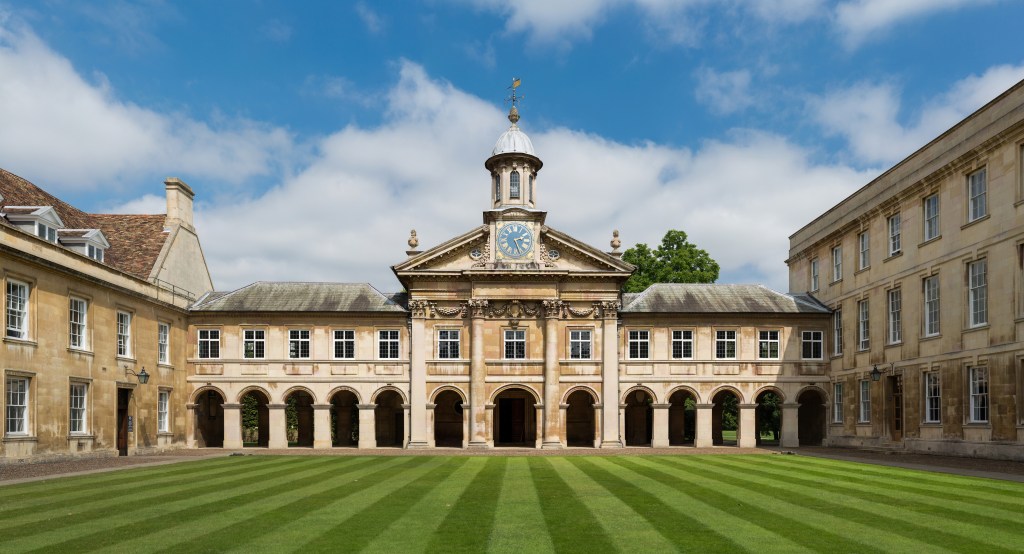
Toby Mayer is a British scholar of Islamic thought known for his contributions to Islamic philosophy, theology, and Quranic studies. He completed his undergraduate education in Indian Studies at the University of Cambridge, where he first developed a deep interest in Eastern religions and philosophies iis.ac.uk. This broad cultural exposure laid the groundwork for his later focus on Islam. Following Cambridge, Mayer pursued graduate studies in Medieval Arabic thought at the University of Oxford, where he delved into the works of classical Muslim philosophers iis.ac.uk. He earned his D.Phil. at Oxford in 2002, writing his doctoral thesis on Ibn Sīnā (Avicenna)’s Kitāb al-Ishārāt wa’l-Tanbīhāt (“Book of Allusions”) and its commentaries iis.ac.uk. This research on Avicenna – the great Persian polymath of the 11th century – signaled Mayer’s emerging specialization in Islamic philosophy and metaphysics. His solid foundation in classical languages and philosophy equipped him for a remarkable academic career bridging Western scholarship and the Islamic intellectual tradition.

Embracing Islam: Conversion and Its Context
During his university years in the 1990s, Toby Mayer embraced Islam, a decision that would shape both his personal life and professional trajectory. While the exact timing and circumstances of his conversion are not publicized in official biographies, it is known that Mayer’s engagement with Islamic civilization went beyond academic curiosity. He was drawn to the spiritual and intellectual depth of Islam, finding in it a coherent worldview and inner spiritual fulfillment akin to many other educated Western converts of his generation thequran.love thequran.love. Like some of his contemporaries (for example, Cambridge scholar Timothy Winter, who noted that Islam “checked boxes” his previous faith did not thequran.love), Mayer’s turn to Islam was rooted in a search for truth and meaning. Motivated by intensive study and reflection, he found in Islamic teachings – particularly Sufi mysticism and philosophical theology – answers to questions of purpose and metaphysics that had previously eluded him. This intellectual-spiritual conversion imbued his scholarship with a distinctive perspective: Mayer approached Islamic texts not just as historical artifacts, but as living repositories of wisdom that resonated with his own faith journey. His new identity as a Muslim provided a personal context for his scholarly work, inspiring him to engage deeply with Islamic sources and to contribute to a greater understanding of Islam’s intellectual heritage. In interviews, Mayer has hinted at the importance of having a “philosophical perspective in life” and seeing knowledge as a path to salvation iis.ac.uk – views that mirror the synthesis of learning and spirituality that his conversion embodied. Ultimately, Mayer’s embrace of Islam reinforced his commitment to Islamic studies, guiding him toward topics that bridge rational inquiry and spiritual insight.
Read further in PDF file:


 The Glorious Quran and Science
Leave a comment