
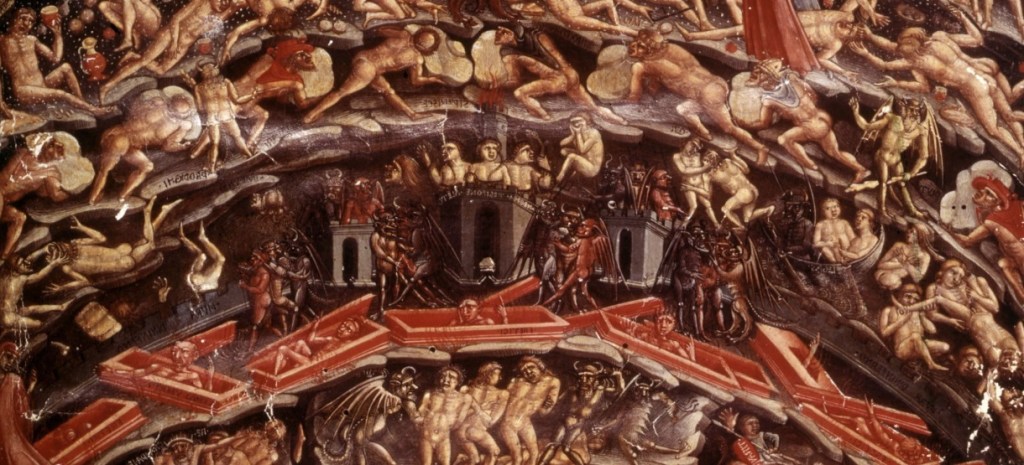
Presented by Zia H Shah MD with help of ChatGPT
Introduction
The fate of Hell (Jahannam) in Islamic thought is a subject of profound theological reflection and debate. While the mainstream view across Sunni and Shia traditions holds that Hellfire is eternal for unbelievers, a significant undercurrent of scholarship – spanning early companions, classical theologians, Sufi mystics, and even some modern scholars – has argued that Hell is primarily a place of purification and is not permanent. This minority perspective bases itself on Qur’anic verses, Hadith reports, and classical tafsīr interpretations that emphasize God’s ultimate mercy and the remedial purpose of punishment. Crucially, this view does not fall outside the bounds of legitimate ikhtilāf (differences of opinion), even if it is not the dominant position islam.stackexchange.com. In what follows, we will explore the Qur’anic language about eternity, the theological themes of divine mercy and justice, and the insights of scholars from Sunni, Shi‘i, Sufi, and Mu‘tazilī backgrounds who have entertained the notion that Hell may eventually be emptied after fulfilling its purifying role.
Read further in PDF file:


 The Glorious Quran and Science
Leave a comment