
Presented by Zia H Shah with the help of Claude
Organized religion across Judaism, Christianity, and Islam demonstrates remarkably consistent patterns: hierarchical institutions concentrate power and resources while providing community services, yet struggle with accountability and reform. Research reveals that organizational structure profoundly shapes how religious institutions handle both their positive contributions and systemic failures, with more centralized systems enabling coordinated action but also facilitating abuse cover-ups, while decentralized systems offer local accountability but struggle with consistency and standards.
The evidence suggests these institutions face an inherent tension between their spiritual missions and institutional self-preservation. While religious organizations contribute $1.2 trillion annually to the U.S. economy alone and provide irreplaceable social infrastructure, they simultaneously demonstrate patterns of authoritarianism, financial corruption, and resistance to accountability that contradict their stated values. Understanding these dynamics requires examining how each tradition’s unique organizational features shape its societal impact.
Diverse Structures, Common Challenges
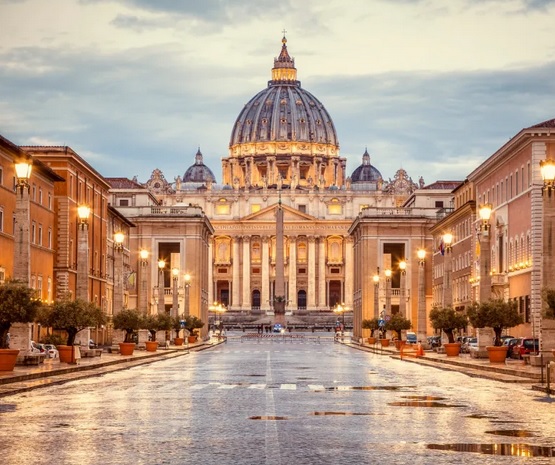
The three Abrahamic faiths developed strikingly different organizational models that profoundly influence their operation. Christianity’s hierarchical structures range from Catholicism’s papal supremacy—where one individual holds ultimate doctrinal authority over 1.3 billion adherents—to Protestant congregationalism where individual churches maintain complete autonomy. Judaism operates through horizontal networks of rabbinic authority, with no single leader commanding universal obedience across Orthodox, Conservative, and Reform movements. Islam splits between Sunni decentralization, where religious authority derives from scholarly consensus, and Shia hierarchical systems featuring formal clerical ranks from local mullahs to grand ayatollahs.
These structural differences create predictable patterns. The Catholic Church’s vertical hierarchy enabled systematic cover-ups of sexual abuse affecting over 16,000 credible victims in the U.S. alone since 2004, with the institution spending over $5 billion on abuse-related costs. Conversely, decentralized Protestant denominations face similar abuse rates but lack coordinated tracking systems, allowing predators to move between independent congregations. Orthodox Jewish communities demonstrate how horizontal authority networks can create informal power structures that discourage external reporting—researchers found individuals who left these communities were four times more likely to have experienced childhood sexual abuse than the general population.
Islamic institutions reveal how state involvement complicates religious authority. In Iran, the Shia clerical hierarchy merged with state power through the wilayat al-faqih system, creating what critics describe as “inordinate control” over political and social life. Meanwhile, Sunni-majority countries like Saudi Arabia and Egypt maintain state-controlled religious establishments that issue official interpretations supporting government policies, undermining the tradition’s historic independence of religious scholarship.
The Dark Side of Sacred Authority
Academic research documents disturbing correlations between religious institutional power and societal harm. Studies show religious fundamentalism correlates with right-wing authoritarianism at r = 0.78, while hierarchical religions demonstrate “significant positive associations with corruption levels.” These aren’t merely theoretical concerns—they manifest in concrete abuses across all three traditions.
Financial corruption pervades religious institutions claiming poverty and service. The prosperity gospel movement, embraced by three of America’s four largest congregations in 2006, explicitly treats charitable giving as financial investment, with televangelists promising “hundred-fold returns” on donations while accumulating vast personal fortunes. Kenneth Copeland’s ministry owns multiple private jets while soliciting donations from economically vulnerable followers. Similar patterns emerge across traditions, from corruption in hajj fee management to financial scandals in Jewish charitable organizations.
Gender inequality remains institutionalized across most organized religious bodies. While Reform Judaism ordained its first female rabbi in 1972 and many Protestant denominations embrace women’s leadership, the majority of religious institutions globally exclude women from highest authority. Catholic and Orthodox Christianity categorically prohibit women’s ordination, most Orthodox Jewish movements exclude women from religious leadership, and debates continue in Islamic institutions about women leading prayers. Research indicates areas with higher religiosity consistently show reduced gender equality, with religious institutions often resisting secular equality measures by claiming religious freedom exemptions.
The scope of sexual abuse transcends any single tradition. Between 1970-2015, the Roman Catholic Church received over 900 complaints involving more than 3,000 instances of child sexual abuse. Research in Orthodox Jewish communities suggests abuse rates could exceed 50% for boys in some Hasidic enclaves, with community responses often involving victim-blaming and pressure to remain silent. The institutional response pattern remains consistent: prioritizing “maintenance of secrecy, avoidance of scandal, protection of the reputation of the Church, and preservation of its assets” over victim protection.
Irreplaceable Social Infrastructure
Despite these severe problems, academic evidence demonstrates organized religion’s positive contributions significantly outweigh negative aspects when institutions maintain accountability. Religious organizations receive 24-32% of all U.S. charitable giving—$143.57 billion in 2022—while religious individuals are 21 percentage points more likely to volunteer for secular causes than non-religious people.
The scale of religious charitable work proves staggering. Catholic Charities alone operates on a $2.3 billion annual budget, serving over 4 million people with food assistance and providing 2.8 million nights of temporary shelter. Islamic Relief USA provides dignified assistance regardless of recipients’ religion across dozens of countries. Jewish social service organizations offer comprehensive mental health services, refugee resettlement, and elderly care. If organized religion constituted a country, it would rank as the world’s 15th largest economy.
Beyond material assistance, religious institutions create crucial social capital. Harvard research shows religious service attendance correlates with 30-50% lower divorce rates and increased friendship formation. Participation links to 25-35% reduced mortality over 10-15 years, greater happiness, and enhanced sense of meaning. During the civil rights movement, Black churches provided organizational infrastructure, meeting spaces, and theological foundation for transformation that Dr. King described as “a religious revolution.”
Religious educational contributions shaped global intellectual development. Institutions founded 849 of America’s 3,893 degree-granting universities, including Harvard, Yale, and Georgetown. Islamic scholars preserved and advanced mathematics and medicine during medieval periods. Jewish communities maintained literacy traditions through centuries of persecution. Contemporary research shows students attending religious schools achieve higher academic levels and demonstrate increased civic engagement as adults.
Denominations Shape Destiny
Within each tradition, denominational differences profoundly affect how institutions handle challenges. Reform Judaism’s egalitarian approach enabled early women’s ordination and LGBTQ+ inclusion, while Orthodox Judaism maintains traditional gender roles and exclusions. Conservative Judaism attempts middle ground, creating ongoing tensions between tradition and modernity.
Christianity’s denominational spectrum creates even starker contrasts. The Catholic Church’s hierarchical structure enabled systematic abuse cover-ups but also facilitated coordinated reforms post-crisis. Protestant denominations vary from Episcopal hierarchies to Baptist congregationalism, with decentralized churches showing greater local accountability but less consistent standards. Mainline Protestant churches generally embraced women’s ordination and increasingly LGBTQ+ inclusion, while evangelical denominations typically maintain traditional positions.
Islam’s Sunni-Shia divide shapes institutional responses. Sunni Islam’s decentralized authority enables diverse modernization approaches, from ultra-conservative Salafism to progressive reinterpretations. Shia Islam’s clerical hierarchy can facilitate coordinated reform when senior clerics support it or create systematic resistance when they oppose change. Both traditions struggle with state interference, whether through Saudi Arabia’s Wahhabi establishment or Iran’s theocratic system.
Reform Patterns and Resistance
Successful reform movements across traditions share common elements: alignment between leadership and grassroots pressure, transparent accountability mechanisms, and willingness to acknowledge institutional failures. The Catholic Church’s post-abuse crisis reforms—including mandatory reporting, transparency initiatives, and statute of limitations removal—demonstrate how external pressure can force institutional change. Protestant denominational splits over women’s ordination and LGBTQ+ inclusion show how decentralized systems enable reform through separation when consensus fails.
Yet religious institutions consistently demonstrate patterns that impede reform. Claims to divine authority shield leaders from accountability. Insularity enables cover-ups and resists external oversight. Control over spiritual and material resources creates dependencies exploitable by those in power. The correlation between religious institutional strength and various social harms—from reduced gender equality to opposition to scientific education—suggests these problems stem from structural rather than incidental features.
Scholars Defend and Critics Challenge
Religious scholars mount several defenses of organized religion. They distinguish between human failures and institutional ideals, arguing that individual corruption doesn’t invalidate religious teachings. Comparative analysis shows secular institutions face similar challenges with power abuse and institutional protection. Reform movements within traditions demonstrate self-correcting mechanisms, while positive contributions arguably outweigh negative impacts.
Critics counter that institutional structures themselves enable abuse. Hierarchical authority concentrates power dangerously. Claims to represent divine will place institutions beyond normal accountability. The consistency of problems across different traditions suggests systemic rather than isolated issues. Some argue religious institutions should face regulation similar to other powerful social organizations.
Internal reformers occupy middle ground, acknowledging serious problems while working within traditions for change. They advocate for lay involvement in governance, professional standards for clergy, transparent financial reporting, and independent oversight mechanisms. Cross-tradition best practices emerge: regular auditing, diverse leadership development, crisis response protocols, and interfaith cooperation on social issues.
Conclusion: The Accountability Imperative
Organized religion in Judaism, Christianity, and Islam presents a profound paradox: institutions claiming highest moral authority consistently demonstrate behaviors contradicting their stated values, yet simultaneously provide social infrastructure and community services secular organizations struggle to replicate. The research reveals that organizational structure matters more than theological differences in determining institutional behavior. Hierarchical systems enable coordination and continuity but facilitate abuse and resist reform. Decentralized systems offer adaptability and local accountability but struggle with consistency and standards.
The path forward requires neither uncritical acceptance nor wholesale rejection of organized religion, but rather sophisticated engagement with institutional reform. Religious communities must develop governance structures balancing legitimate authority with meaningful accountability. External oversight, whether through legal regulation or social pressure, appears necessary to overcome institutional tendencies toward self-protection. The evidence suggests religious institutions can fulfill their positive potential only when power comes paired with transparency, tradition balanced with adaptation, and spiritual authority tempered by ethical accountability.
As these ancient institutions confront modern challenges—from sexual abuse scandals to gender equality demands—their responses will determine whether organized religion remains relevant social infrastructure or increasingly antiquated power structures. The stakes extend beyond religious communities themselves, affecting billions who depend on religious institutions for meaning, community, and material support. The question isn’t whether organized religion can be perfect, but whether it can be accountable—and whether societies will demand nothing less.


 The Glorious Quran and Science
Leave a comment