
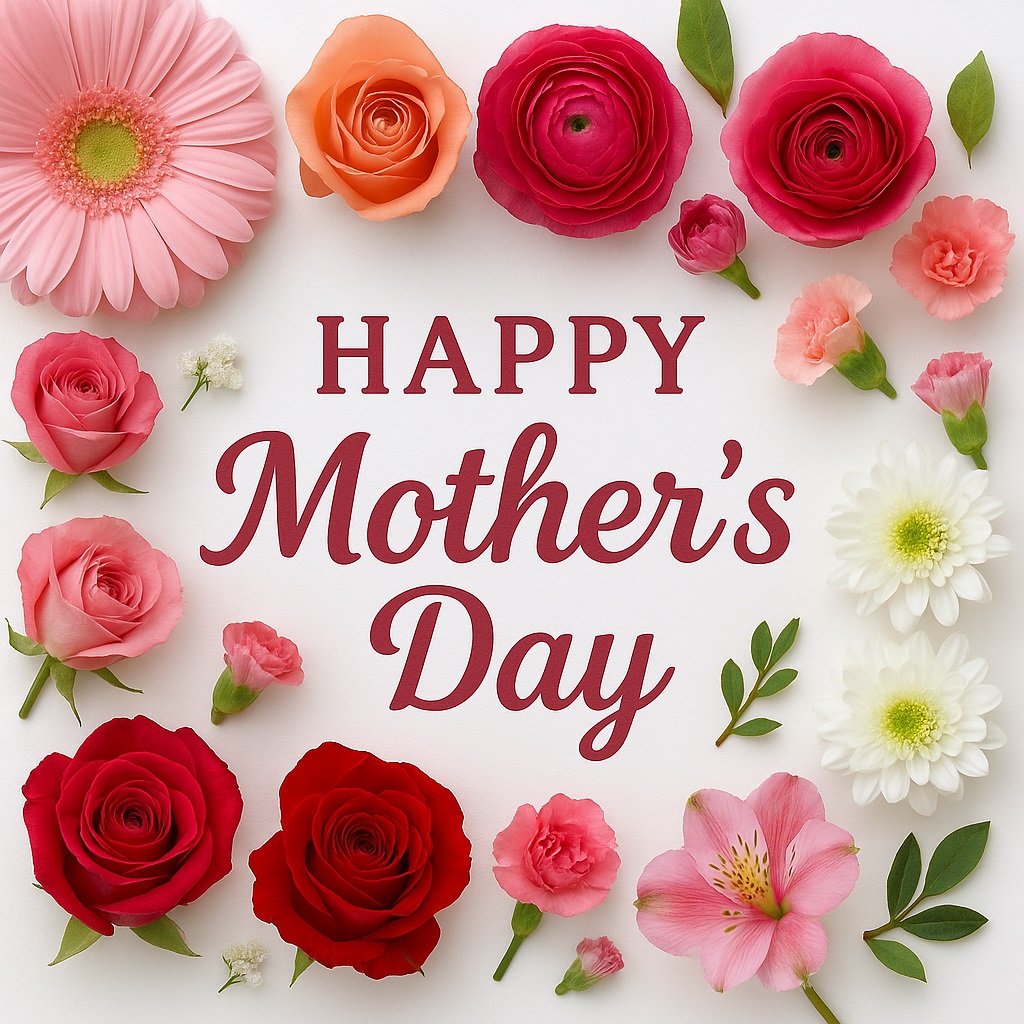

Mother’s Day has become a cherished tradition in the United States, celebrated each year on the second Sunday in May. On this day, families across America shower mothers with cards, flowers, gifts, and gratitude abc.net.au. It’s a time for breakfast in bed, heartfelt messages, and family gatherings to honor the women who raised us. But appreciation for mothers is not limited to one culture or one day. In Islam, reverence for one’s mother isn’t reserved for an annual holiday – it’s a year-round, lifelong duty rooted in sacred teachings. This article explores the warm history of the American Mother’s Day and the profound Islamic tradition of honoring mothers, highlighting the shared values of love, respect, and gratitude.
The Origins of Mother’s Day in America
The American incarnation of Mother’s Day began in the early 20th century, largely thanks to one woman’s determination. Anna Jarvis, a West Virginia native, organized the first official Mother’s Day church service in May 1908 to fulfill her own late mother’s dream of a day commemorating all mothers britannica.com. Jarvis’s mother, Ann Reeves Jarvis, had been a community activist who wished for a memorial day to recognize “the matchless service” mothers render to humanity. Anna Jarvis campaigned tirelessly, and by 1914 her efforts paid off: President Woodrow Wilson issued a proclamation designating the second Sunday in May as the national Mother’s Day holiday. Within just a few years, it was observed in virtually every U.S. state, a rapidly embraced tribute to the importance of mothers in family and society britannica.com.
Ironically, as Mother’s Day gained popularity, Jarvis grew dismayed by its commercialization. She had envisioned a quiet day of personal appreciation – wearing a white carnation in honor of one’s mom, writing a sincere letter, or visiting church – rather than the buying spree it became. Disheartened by the influx of greeting card and floral industry profiteering, Jarvis even campaigned to abolish the holiday in her later years britannica.com. Nonetheless, Mother’s Day continued to flourish, evolving into the celebration we know today.
Mother’s Day Celebrations Today
Today, Mother’s Day is one of the most popular observances in the U.S. It is estimated that 84% of Americans celebrate the holiday in some wayfinancebuzz.com. Children (young and grown alike) often express their gratitude with greeting cards – about 113 million Mother’s Day cards are exchanged annually in Americafinancebuzz.com. Flowers are another classic gift: roughly 74% of people plan to buy flowers for mom, resulting in over $3 billion spent on flowers each yearfinancebuzz.com. Many families also treat mothers to a special outing or meal; restaurants are typically packed on this Sunday as loved ones take mom out to brunch or dinner.
While the traditions vary, the sentiments are the same – love and thanks for all that mothers do. In fact, Mother’s Day (or similar holidays honoring motherhood) is celebrated in more than 100 countries around the worldfinancebuzz.com. Most nations, like the U.S., hold it in May, while others have their own dates – for example, several Arab countries celebrate Mother’s Day on March 21, the first day of springfinancebuzz.com. This global observance underscores a universal truth: across cultures, people recognize that mothers deserve gratitude for their sacrifices and unconditional love.
Honoring Mothers in Islamic Teaching
Islam has emphasized honoring one’s parents – especially the mother – for over 14 centuries, long before the advent of a dedicated “Mother’s Day.” The Qur’an, Islam’s holy book, is replete with reminders of parents’ rights and the mother’s sacrifices. One oft-quoted verse states:
وَوَصَّيْنَا الْإِنسَانَ بِوَالِدَيْهِ حَمَلَتْهُ أُمُّهُ وَهْناً عَلَى وَهْنٍ وَفِصَالُهُ فِي عَامَيْنِ أَنِ اشْكُرْ لِي وَلِوَالِدَيْكَ إِلَيَّ الْمَصِيرُ
“And We have enjoined upon man to care for his parents. His mother carried him through weakness upon weakness, and his weaning is in two years. Be grateful to Me and to your parents; to Me is the final return.” (Qur’an 31:14)
In this verse, God reminds us of the hardship a mother endures – the mounting weakness and discomfort of pregnancy and the effort of nursing an infant – and commands children to show gratitude to their parents. Another verse addresses how we must treat parents, especially in old age, with utmost mercy and respect:
وَقَضَىٰ رَبُّكَ أَلَّا تَعْبُدُوا إِلَّا إِيَّاهُ وَبِالْوَالِدَيْنِ إِحْسَانًا… فَلَا تَقُلْ لَهُمَا أُفٍّ وَلَا تَنْهَرْهُمَا وَقُلْ لَهُمَا قَوْلًا كَرِيمًا
“Your Lord has decreed that you worship none but Him, and that you be kind to your parents. If one or both of them attain old age with you, do not say to them [even] ‘uff’ (an expression of impatience or disdain), nor rebuke them, but speak to them graciously.” (Qur’an 17:23)
The Arabic word “ʾiḥsān” (إِحْسَانًا) in this verse signifies excellence and goodness; thus, the Quran is instructing believers to treat parents with exceptional kindness. Importantly, even a tiny gesture of disrespect – such as saying “uff,” the smallest word of annoyance in Arabic – is admonished quran.com. Instead, children should address parents with honor and tenderness. The next verse continues to say: “and lower to them the wing of humility out of mercy and say, ‘My Lord, have mercy upon them as they raised me when I was small.’” (Qur’an 17:24) medium.com. This beautiful image of a humbled “wing” signifies that one should care for aging parents gently, just as parents once gently cared for the child.
Beyond the Qur’an, the Hadith (sayings of Prophet Muhammad ﷺ) further elevate the status of mothers. One famous narration tells of a man who came to Prophet Muhammad and asked, “O Messenger of Allah, who among the people is most deserving of my good companionship?” The Prophet replied: “Your mother.” The man asked, “Then who?” The Prophet again said: “Your mother.” The man asked a third time, “Then who?” The Prophet once more replied: “Your mother.” Only when the man asked a fourth time did the Prophet say, “Your father.” sunnah.com medium.com. This hadith, recorded in both Bukhari and Muslim (the most authentic collections of Hadith), powerfully illustrates that the mother’s rights and deserving of kindness are three times greater than even the father’s.
The Hadith literature is filled with such examples. Another well-known saying of the Prophet is: “الجنة تحت أقدام الأمهات” – “Paradise lies under the feet of mothers.” soundvision.com. In other words, serving one’s mother and earning her happiness is one of the most direct paths to earning the pleasure of God and entry into Paradise. While the phrasing may be metaphorical, the message is clear: a mother’s status is so exalted that caring for her can lead one to Heaven.
The spiritual significance of motherhood in Islam is also evident from the Prophet’s personal example. Muhammad ﷺ lost his own mother, Aminah, at a young age, yet he remained profoundly respectful to maternal figures in his life. He famously upheld the bonds of kinship that stemmed from his mother – for instance, he showed great honor to his wet-nurse (the woman who breastfed him as a baby) and to elderly friends of his late mother, regarding that kindness as part of faith. In one narration, the Prophet’s companion recounted: “We were sitting with the Messenger of Allah when a man asked: ‘O Messenger of Allah, do my parents have rights over me after they have died?’ He said: ‘Yes. You must pray for them, seek forgiveness for them, fulfill their last wishes, and honor their friends.’” soundvision.com. This teaching extends the duty to honor parents beyond their lifetime – even after a mother passes away, a good Muslim may continue honoring her by praying for her soul, giving charity on her behalf, and maintaining connections with those she loved.
Motherhood as a Sacred Institution
In Islam, motherhood is not just a biological role; it is a revered institution imbued with divine reward and mercy. The spiritual significance of motherhood can be understood by how Islam esteems a mother’s sacrifices as nearly unrepayable. It is often said that no child can ever fully repay their mother for all that she has done. One traditional story illustrates this: a man once carried his elderly mother on his back through the crowds performing the pilgrimage in Mecca. He asked a companion of the Prophet whether this exhaustive service had finally repaid his mother for her care. The companion replied, “Not even for a single contraction she suffered in labor.” Such is the immeasurable value of a mother’s love and pain in rearing a child.
Islam also acknowledges the unique compassion that God has placed in mothers. Prophet Muhammad ﷺ famously said, “God is more merciful to His servants than a mother is to her child,” drawing an analogy to the pure, selfless love a mother has soundvision.com. Mothers are often likened to an earthly glimpse of God’s mercy – always ready to forgive, care, and comfort. In Islamic tradition, the mother’s role in nurturing and educating children is seen as the cornerstone of a healthy, moral society. There’s even a popular saying (attributed to poets and scholars, if not a hadith directly) that “Al-umm madrasah” – “A mother is a school”. This means that a mother shapes the next generation, teaching values through her daily dedication. Thus, investing in mothers is investing in the future of the community.
It’s worth noting that Islam does not designate a specific day for mothers because it encourages continuous respect and devotion to parents. However, this does not mean Islam opposes showing extra appreciation on a particular day like Mother’s Day. Many Muslim families happily take part in the cultural observance of Mother’s Day, seeing it as another opportunity to express love – something very much in line with Islamic values. The key understanding in Islam is that one day of pampering cannot compensate for a whole year of neglect. True appreciation is shown through consistent kindness.
Every Day is “Mother’s Day” in Islam: Year-Round Ways to Honor Mom
While an American might buy mom flowers on Mother’s Day and pen a nice card, Islam asks believers to honor their mother every single day. The Prophetic teachings make it clear that kindness, respect, and service to one’s mother should be a lifelong endeavor, not limited to a single date. Here are some practical ways Islamic tradition encourages people to honor their mothers all year long:
- Speak to her with kindness and respect at all times: The Qur’an instructs not to say even “uff” – the smallest sign of irritation – to one’s parents quran.com. Muslims are taught to address their mothers with polite, gentle words and a humble tone. Simple phrases like “JazakAllah khayr (may God reward you) for everything, Mom” or “I appreciate you” go a long way, not just on holidays but any day.
- Show gratitude and thank her often: Islam places great emphasis on shukr (gratitude). The Qur’an pairs thankfulness to parents with thankfulness to God Himself quranopedia.com. This means remembering to say “thank you” to your mother for the big and small things she does. Do it in personal interactions, and also pray for her, thanking God for blessing you with a caring mother.
- Help and serve her, especially as she ages: From running errands to assisting with household chores, tending to a mother’s needs is seen as an honor, not a burden. The Prophet Muhammad ﷺ joyfully mended his own clothes and did housework – setting an example of humility. As mothers grow older, children should be even more attentive, ensuring their comfort. Whether it’s driving her to appointments or helping her cook her favorite meal, these acts fulfill the Quranic command of treating parents with excellence.
- Spend quality time and seek her advice: One of the greatest gifts you can give your mother is your time. Islam encourages silat ar-rahim (maintaining the bonds of kinship). Visit your mother or call her often. Listen to her stories (even if you’ve heard them before) and value her wisdom. The companionship of children brings joy to parents; the Prophet once said, “The pleasure of the Lord is in the pleasure of the parent” hadeethenc.com, meaning God is pleased when your parents are pleased with you. So, make an effort to keep your mother company and involve her in your life.
- Pray for her well-being – both in this life and the next: A Muslim honors their mother in a spiritual way by regularly praying for her. The Qur’anic prayer “رَّبِّ ارْحَمْهُمَا كَمَا رَبَّيَانِي صَغِيرًا” “My Lord, have mercy upon them as they raised me when I was small” (17:24) is often recited for one’s parents medium.com. Ask God to bless your mother with health, happiness, and His Mercy. If one’s mother has passed away, continue to pray for her soul and do charitable acts in her name, as this is a form of ongoing honor.
- Honor her friends and relatives: The Prophet taught that part of birr al-walidayn (honoring parents) is to maintain good relations with those whom your mother loved, such as her siblings, cousins, or close friends soundvision.com. Inviting your mother’s old friends over, helping her send greetings to her siblings, or simply showing respect to those dear to her, all count as honoring your mother’s honor. It shows you value what she values.
- Obey her requests and make her happy (as long as it’s not against God’s commands): In Islam, obedience to parents is a general rule. Making your mother’s life easier and happier is seen as a virtuous deed. Whether it’s taking her on an outing she enjoys, helping her with technology, or even just not doing the things that upset her – these are daily “gifts” you can give. The Prophet once advised a follower to stay back from joining a military expedition in order to care for his elderly mother, telling him that in serving her he would find paradise at her feet islamanswers.co.uk. Pleasing one’s mother, when done with the intention of seeking God’s pleasure, is itself an act of worship in Islam.
By practicing these values day in and day out, Muslims essentially treat every day as Mother’s Day. The sincerity of actions carries far more weight than a once-a-year display. A kind word or helping hand on an ordinary weekday, in Islamic ethos, is more meaningful than a fancy gift given only on the holiday if the rest of the time the mother is neglected.
Shared Values, Different Expressions
Despite differences in form – an annual celebration versus a constant ethic – the American Mother’s Day and Islamic teachings on motherhood share a profound common ground. Both recognize that mothers deserve our utmost love and gratitude. Both arise from an understanding of the selfless sacrifices mothers make. Changing diapers in the wee hours, nursing illnesses, cheering us on through our failures and successes – mothers give tirelessly, motivated by an unwavering love.
Mother’s Day in the U.S. is essentially a cultural expression of thanking mothers for this devotion. Its founder, Anna Jarvis, intended it to be a day of “personal” appreciation – a time to write letters, visit, and remember all that our mothers have done britannica.com. Likewise, Islamic tradition urges believers to remember always what their mothers went through on their behalf (“weakness upon weakness” in pregnancy and nursing quranopedia.com) and to reciprocate with humility and care. The language differs, but the sentiment is the same. When an American child hands mom a Mother’s Day card saying, “I love you, Mom, thank you for everything,” it resonates perfectly with the Islamic value of shukr (gratitude) toward one’s mother.
It is also notable that in many Muslim-majority countries, people do celebrate Mother’s Day culturally, whether on the American date in May or on other dates like March 21. They do so not as a religious requirement, but as a loving social custom – and there is no conflict in that. So long as one remembers that one day of honor doesn’t exempt us from the other 364 days, celebrating Mother’s Day can be a beautiful reminder of an obligation Islam already commands. In fact, some Islamic scholars say if a special day prompts people to do good for their parents, it can be considered within the spirit of Islam’s teachings, provided it doesn’t lead to neglect at other times.
Conclusion: A Mother’s Love – Universally Treasured
In both the American and Islamic contexts, we find a warm, reverent appreciation for mothers. An American mother might enjoy a handmade card and breakfast in bed on Mother’s Day, while a Muslim mother might cherish the daily phone call from her son or daughter that Islam encourages. Ultimately, these are two expressions of the same principle: mothers merit kindness, respect, and gratitude for all they give.
As we reflect on Mother’s Day, it’s heartening to realize that this celebration’s core values are shared across cultural and religious lines. Islam’s Prophet Muhammad ﷺ taught that “God has forbidden you to be undutiful to your mothers” soundvision.com – a directive echoing what Mother’s Day implies in a softer way: Never take your mother for granted. Whether one is prompted by a date on the calendar or by daily devotion, what truly matters is that our mothers feel appreciated.
Perhaps the ideal approach is a combination of both traditions: honor your mother every day, and once in a while, make an extra fuss about her to show how special she is. Give her the hugs, the thanks, the help, the love – on Mother’s Day and on all the days before and after. As the saying goes in Islam, “Heaven lies at your mother’s feet,” and heaven for a mother is simply knowing she is loved and valued by her children soundvision.com. In that spirit, Mother’s Day – and every day – is an opportunity to make our mothers smile and to thank them from the bottom of our hearts.
Happy Mother’s Day – and may we honor our mothers always.
Sources
- Britannica – “Mother’s Day.” Encyclopædia Britannica, Last Updated May 11, 2025 britannica.com.
- Britannica – “Anna Jarvis.” Encyclopædia Britannica britannica.com.
- ABC News – Penny Travers, “A history of Mother’s Day: From campaigns for peace to cards, flowers and family reunions.” ABC.net.au, May 12, 2017 abc.net.au.
- FinanceBuzz – “Mother’s Day Statistics [2025]: 14 Surprising Facts About the Holiday.” (National Retail Federation data) financebuzz.com.
- Quran 31:14 – The Qur’an, Surat Luqman 31:14, in Arabic and translation quranopedia.com quran.com.
- Quran 17:23-24 – The Qur’an, Surat Al-Isra 17:23-24, translation by Sahih Internationalquran.commedium.com.
- Riyadh al-Salihin – Hadith on mother’s importance (Hadith 316) sunnah.com.
- SoundVision – “The Quran and Hadith on mothers”, SoundVision.com soundvision.com.
- IslamAnswers – “Paradise lies under the feet of mothers?”, islamanswers.co.uk islamanswers.co.uk (reference to hadith in Al-Mustadrak).

 The Glorious Quran and Science
Leave a comment