

Epigraph
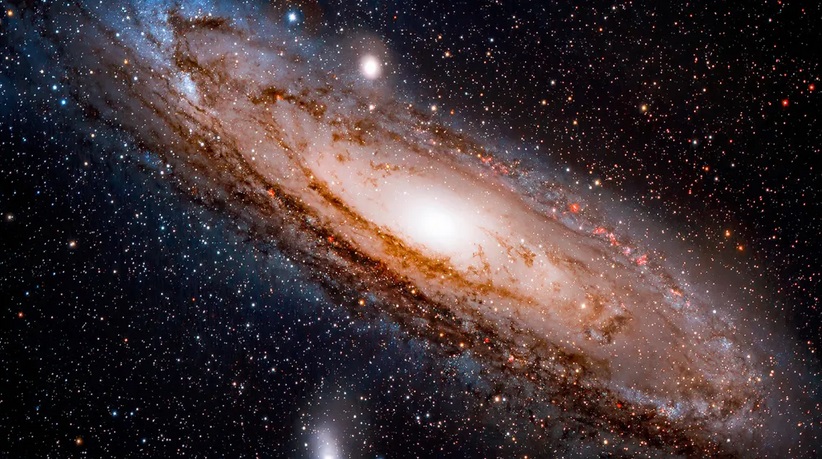
فَلَا أُقْسِمُ بِمَا تُبْصِرُونَ
وَمَا لَا تُبْصِرُونَ
إِنَّهُ لَقَوْلُ رَسُولٍ كَرِيمٍ
وَمَا هُوَ بِقَوْلِ شَاعِرٍ ۚ قَلِيلًا مَّا تُؤْمِنُونَ
وَلَا بِقَوْلِ كَاهِنٍ ۚ قَلِيلًا مَّا تَذَكَّرُونَ
تَنزِيلٌ مِّن رَّبِّ الْعَالَمِينَ
So, I swear by what you can see and by what you cannot see: this [Quran] is the speech of an honored messenger, not the words of a poet –– how little you believe! –– nor the words of a soothsayer –– how little you reflect! This [Quran] is a message sent down from the Lord of the Worlds. (Al Quran 69:38-43)
Written and collected by Zia H Shah MD, Chief Editor of the Muslim Times
Verse-by-Verse Analysis
Verses 38-39: The Cosmic Oath
“But nay! I swear by all that you see, and all that you do not see.”
- Divine Oath: Allah swears by the entirety of creation—both the observable universe (“what you see”) and hidden realities (“what you do not see”), such as spiritual dimensions, quantum particles, or metaphysical truths. This oath underscores the absolute certainty of the Quran’s divine origin. “So I swear by that which you see…” This opening verse initiates a solemn oath that draws the listener’s attention to the totality of existence. By invoking all that is visible, the text reminds us that the created order itself testifies to a divine design. The tangible world, with its manifest order and beauty, sets the stage for the truth that is about to be unveiled. “…and by that which you do not see…” Complementing the first part of the oath, this verse expands the scope to include the unseen realm. It encompasses not only the physical world but also the metaphysical realities—such as the divine attributes and the Hereafter—that are beyond human perception. Together, verses 38 and 39 assert that every aspect of existence, whether visible or hidden, confirms the reality of the message.
- Rhetorical Power: The dual emphasis on “seen” and “unseen” encompasses all existence, challenging human limitations in comprehending the full scope of divine wisdom. Classical exegetes like Ibn Kathir note that such oaths are meant to arrest attention and affirm the gravity of the message.
Verse 40: Affirmation of the Quran’s Source
“Indeed, it is the word of a noble Messenger.”
- The “Noble Messenger”: Interpretations vary:
- Angel Gabriel: Many classical scholars (e.g., Al-Tabari) identify the “Messenger” as Gabriel (Jibreel), the trusted angel who delivered revelation.
- Prophet Muhammad: Others (e.g., Al-Qurtubi) argue it refers to Muhammad (ﷺ), highlighting his integrity as a transmitter.
- Nobility (Karīm): The term denotes honor, reliability, and moral excellence, contrasting the Quran with the flawed speech of poets or soothsayers. Here the text clarifies the origin of the message: it is the word of a Messenger endowed with nobility and trustworthiness. The descriptor “noble” (كَرِيمٍ) underscores the Prophet’s high moral character and integrity. His exemplary life reinforces that the revelation is not a product of human artistry but a divinely sanctioned communication.
Verses 41-42: Rejection of False Analogies
“And it is not the word of a poet; little do you believe. Nor the word of a soothsayer; little do you remember.”
- Poets in Pre-Islamic Arabia: Poets were revered for their eloquence but often criticized for prioritizing tribal pride or emotional whimsy. The Quran’s transcendence lies in its universal guidance, moral depth, and linguistic perfection. “It is not the word of a poet; little is it that you believe!” This verse directly counters the claims of the disbelievers, who had dismissed the Quran as mere poetry. While the language of the Quran is indeed rich and eloquent, this verse makes clear that its purpose and origin transcend poetic expression. The rhetorical rebuke—“little is it that you believe”—highlights the stubborn disbelief of those who fail to recognize its divine source.
- Soothsayers (Kahins): Soothsayers claimed cryptic, jinn-inspired knowledge, delivered in rhymed prose (saj‘). The Quran’s clarity, coherence, and transformative power defy such comparisons. “Nor is it the word of a soothsayer; little is it that you remember!” Continuing the refutation, the text rejects any notion that the Quran could be the product of sorcery or divination. This assertion further distances the revelation from the speculative practices of soothsayers, reminding the audience that its profound message is rooted in divine truth. The admonition “little is it that you remember” implies that the audience neglects the obvious signs and the weight of their responsibility.
- Moral Rebuke: The phrases “little do you believe” and “little do you remember” chastise the disbelievers’ willful ignorance and refusal to reflect on divine signs.
Verse 43: Climactic Declaration
“[It is] a revelation from the Lord of the worlds.”
- Divine Origin: The passage culminates in a definitive statement: the Quran originates from Allah, the Sustainer of all creation. This leaves no ambiguity about its authority or purpose. Concluding the block, this verse unequivocally ascribes the Quran’s origin to the Almighty, the Creator and Sustainer of all existence. By calling God “the Lord of the worlds,” the verse situates the message within a universal framework. It serves as both a declaration and an invitation—challenging the listener to recognize the source of the revelation as transcendent, all-encompassing, and beyond any human claim.
Thematic Cohesion
- Cosmic Testimony: The oath by “seen” and “unseen” positions the Quran as a universal truth, anchored in the totality of creation.
- Uniqueness of Revelation: By rejecting parallels to human or jinn speech, the Quran asserts its transcendence as a guide for all times and places.
- Accountability: The passage implicitly ties rejection of the Quran to the broader theme of divine judgment in Surah Al-Haaqqah, warning of eternal consequences.
Conclusion
Verses 69:38-43 dismantle the Meccan disbelievers’ accusations through a masterful blend of oath, argument, and declaration. They affirm the Quran’s divine origin, distinguish it from human or jinn speech, and compel audiences to recognize its unparalleled nature. For contemporary readers, these verses reinforce the Quran’s role as a guide that transcends cultural and temporal boundaries, urging humility before its truths.
- The Quran’s authority derives from its Creator, not human intellect.
- False comparisons to poetry or superstition reflect spiritual blindness.
- Reflection on the “seen” and “unseen” fosters awe and submission to divine wisdom.
“Then do they not reflect upon the Quran? If it had been from [any] other than Allah, they would have found within it much contradiction” (Quran 4:82).
Together, these verses form a powerful declaration: the truth of the Quran is anchored in the entirety of creation—both seen and unseen—and is delivered through a Messenger of impeccable character. This block of verses not only refutes claims of human authorship but also invites reflection on the natural order as evidence of divine revelation.
This commentary integrates insights drawn from classical tafsir, and contemporary tafsir, underscoring the profound interconnection between creation, prophetic integrity, and the universal authority of the Divine Message.
Additional reading



 The Glorious Quran and Science
Leave a comment