

The Striking Blow—what is the Striking Blow? And what can make you know what the Striking Blow is?
Sūrah Al-Qāriʿah is a short, potent Meccan chapter (11 verses) that vividly depicts the Day of Judgment, emphasizing its inevitability, the fragility of worldly life, and the eternal consequences of human deeds. Below is a structured commentary:
1. Overview and Context
- Name: Al-Qāriʿah (“The Striking Calamity”) derives from the word qarʿ (to strike), evoking the cataclysmic event of the Day of Judgment.
- Theme: A warning about the inevitability of divine reckoning and the futility of materialism.
- Structure:
- Verses 1–5: Descriptions of the apocalyptic upheaval.
- Verses 6–9: The weighing of deeds and their outcomes.
- Verses 10–11: A chilling depiction of Hellfire.
2. Verse-by-Verse Analysis
Verses 1–5: The Cataclysm
“The Striking Blow—what is the Striking Blow? And what can make you know what the Striking Blow is? It is a Day when people will be like scattered moths, and the mountains will be like tufts of carded wool.”
- Rhetorical Questions: The repeated refrain (“What can make you know…?”) underscores human ignorance of the Day’s magnitude, provoking reflection.
- Imagery:
- Scattered moths: Humanity’s chaos and helplessness.
- Mountains as wool: The dissolution of Earth’s mightiest structures, symbolizing the transient nature of worldly power.
Verses 6–9: The Scales of Deeds
“Then as for one whose scales are heavy [with good], he will be in a pleasant life. But as for one whose scales are light, his refuge will be an abyss. And what can make you know what that is? It is a Fire, intensely hot!”
- The Weighing: Deeds are measured with divine precision.
- Heavy scales: A life of righteousness leads to eternal bliss (Jannah).
- Light scales: Moral bankruptcy leads to Hawiyah (Hellfire), described as a mother “embracing” the damned—a metaphor for total engulfment.
Verses 10–11: The Horror of Hell
“And what can make you know what that is? It is a Fire, intensely hot!”
- Climactic Warning: The repetition of “What can make you know…?” crescendos into the revelation of Hell’s terror, leaving no ambiguity about its reality.
3. Key Themes
- The Inevitability of Judgment: No one escapes accountability.
- Moral Proportionality: Deeds determine destiny; even minor acts hold eternal weight.
- The Illusion of Worldly Power: Mountains—symbols of permanence—crumble, exposing materialism’s folly.
4. Theological Insights
- Divine Justice: The “scales” (mawāzīn) reflect Allah’s absolute fairness. Good and evil are not merely counted but weighed in quality and intent.
- The Power of Rhetoric: The Surah’s repetitive, almost hypnotic style mirrors the suddenness and inescapability of the Day.
- Eschatological Clarity: Unlike cryptic apocalyptic texts, the Qur’an describes the Hereafter with visceral clarity to compel moral urgency.
5. Modern Relevance
- Materialism vs. Eternity: In an age obsessed with wealth and status, the Surah rebukes those who “amass wealth and hoard it” (Qur’an 104:1–2), reminding us that only deeds endure.
- Climate of Uncertainty: Global crises (pandemics, war) echo the Surah’s message: human control is illusory; ultimate authority rests with Allah.
- Moral Relativism: The Surah rejects the idea that “good” and “evil” are subjective—truth is defined by divine revelation.
6. Reflections from Scholars
- Ibn Kathīr: Notes that the “scattered moths” symbolize humanity’s disarray when divine order supersedes earthly systems.
- Al-Qurṭubī: Interprets “carded wool” as a metaphor for the mountains’ disintegration into nothingness, underscoring Allah’s omnipotence.
- Sayyid Quṭb: Emphasizes the Surah’s psychological impact—its brevity and intensity force listeners to confront their mortality.
7. Conclusion
Sūrah Al-Qāriʿah is a masterclass in eschatological storytelling. In just 11 verses, it dismantles human arrogance, replaces complacency with dread, and replaces worldly pursuits with eternal priorities. Its closing image of Hellfire—Hawiyah—serves not to terrify arbitrarily but to awaken hearts to the gravity of choice. Like a thunderclap, it reminds us: life is a breath; the Hereafter is forever.
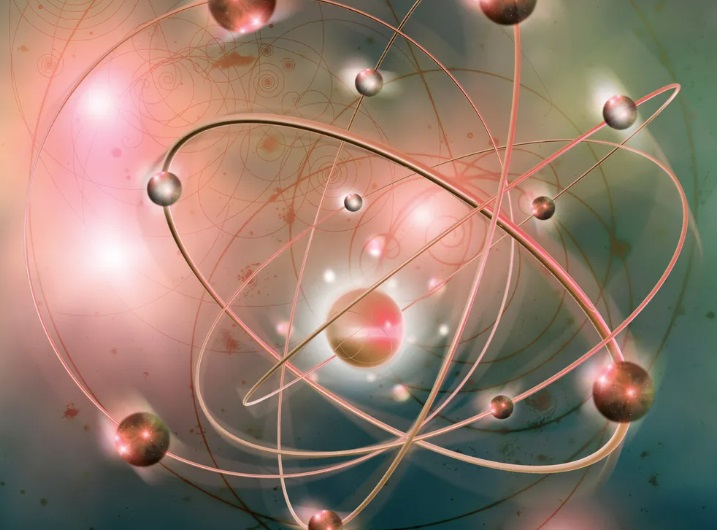
“So whoever does an atom’s weight of good will see it, and whoever does an atom’s weight of evil will see it.” (Qur’an 99:7–8) — Al-Qāriʿah distills this truth into an urgent, unforgettable refrain.

 The Glorious Quran and Science
Leave a comment