
Written and collected by Zia H Shah MD, Chief Editor of the Muslim Times
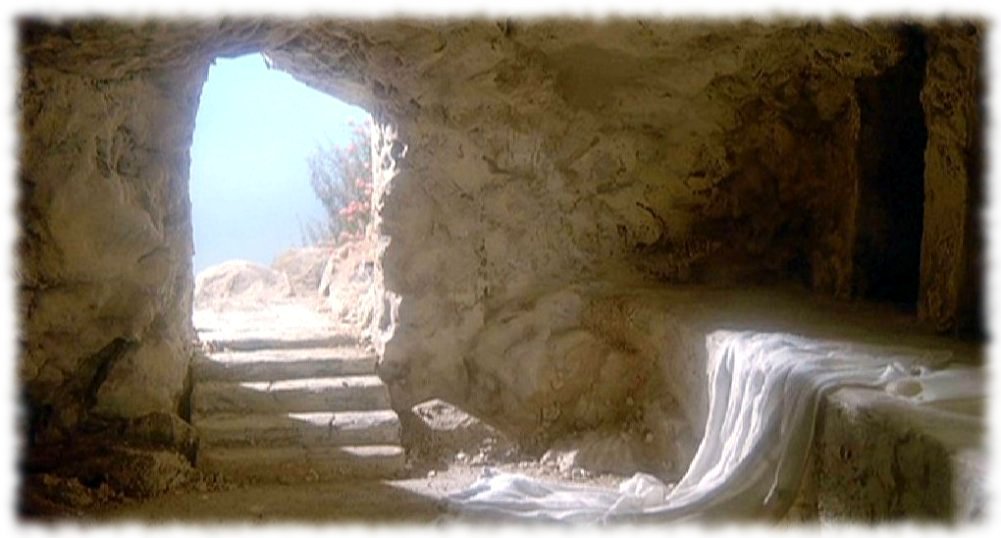
Bishop John Shelby Spong, a prominent and often controversial figure within the Episcopal Church, offered a reinterpretation of the resurrection of Jesus that diverged from traditional Christian teachings. In his book Resurrection: Myth or Reality?, Spong questioned the historical validity of the literal narratives concerning the resurrection. He proposed that the resurrection story emerged from an experience that opened the disciples’ eyes to the reality of God and the significance of Jesus of Nazareth.
Spong suggested that the resurrection should not be understood as a physical resuscitation but rather as a profound spiritual experience that transformed the disciples’ perception. He argued that this event was a divine action, with Jesus being raised into the meaning of God, and therefore could not be a physical resuscitation occurring within human history.
Furthermore, Spong critiqued traditional interpretations of the resurrection for contributing to anti-Semitism. He contended that the Church’s portrayal of Judas Iscariot as the ultimate Jewish scapegoat was a fabrication that fueled negative sentiments towards Jewish people. By re-examining these narratives, Spong aimed to promote inclusivity and mutual respect among Christians and Jews.
Spong’s views sparked significant debate within the Christian community, with critics arguing that his reinterpretation undermined foundational aspects of Christian faith. Despite the controversy, Spong maintained that rethinking traditional doctrines was essential for Christianity to remain relevant in the modern world. He called for a new Reformation, advocating for the reformulation of many of Christianity’s basic doctrines to reflect contemporary understanding.
In summary, Bishop Spong’s perspective on the resurrection emphasized a non-literal, experiential understanding of the event. He viewed the resurrection as a transformative experience that revealed the reality of God and the meaning of Jesus, rather than a physical resuscitation. His reinterpretation sought to address historical issues within Christian teachings and to encourage a more inclusive and thoughtful approach to faith.
For further reading, you may consult the following sources:



 The Glorious Quran and Science
Leave a comment